How to Use Salt Like a Pro: Essential Cooking Guide
Introduction
Learning how to use salt effectively transforms everyday meals into elevated dishes without adding complexity to your routine. Mastering this skill sets the foundation for understanding core kitchen techniques and everyday applications of sodium chloride in your cooking.
According to the Harvard T.H. Chan School of Public Health, sodium chloride plays a vital role in managing fluid balance, supporting muscle contraction, and facilitating nerve signal transmission throughout the body. Beyond these biological functions, applying sodium chloride correctly changes how flavors interact on the palate. You will discover how small adjustments in timing and distribution completely change your daily meal preparation.
Understanding Different Types of Salt for Cooking
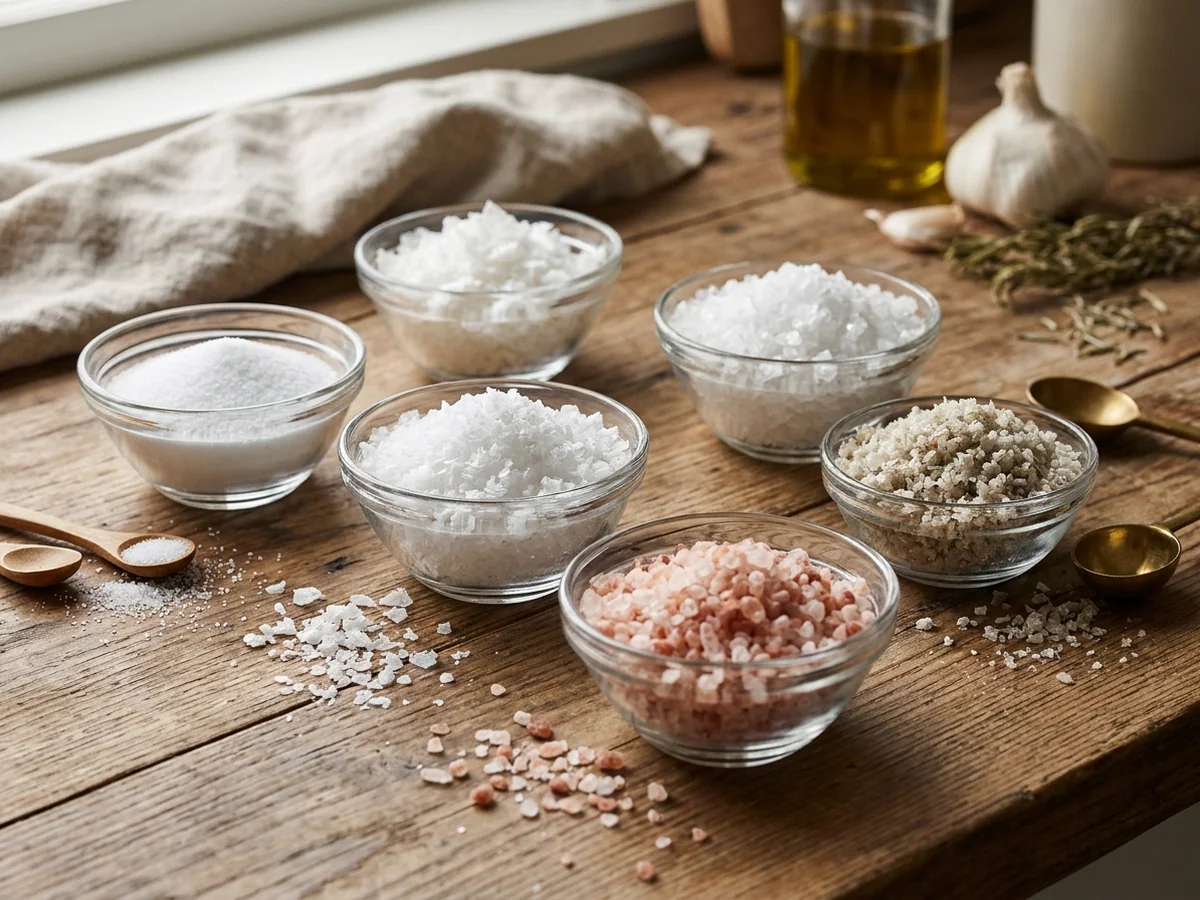
Choosing the right sodium chloride variety ensures professional seasoning control because crystal size directly dictates actual salinity and volume. Home cooks exploring different culinary crystals must realize that flake structure changes how much seasoning lands in the pan, affecting everything from a quick weekday lunch prep bowl to a complex dinner. Understanding these physical differences allows you to master how to use salt effectively across various recipes without over-seasoning your food. Beyond culinary arts, salt also helps with the transmission of nerve impulses, the contraction of our muscles, and the balance of fluids in the body.
| Salt Variety | Crystal Structure | Salinity Impact |
|---|---|---|
| Kosher Salt | Flaky and coarse | Less salty by volume |
| Sea Salt | Fine to coarse grains | Varies by harvest method |
| Himalayan Pink Salt | Dense rock crystals | Weighs heavy per teaspoon |
Manufacturing Differences and Volume Variations
Brands like Diamond Crystal and Morton salt handle volume measurements differently due to their manufacturing processes. Diamond Crystal uses a flaky, porous crystal that crushes easily between fingers, while Morton salt produces denser, heavier flakes. A measured palmful of Diamond Crystal contains far less actual sodium chloride than the same physical volume of Morton salt or fine sea salt. Professional kitchens rely on these distinct physical properties for precision seasoning, adjusting measurements depending on whether a recipe calls for volumetric cups or exact weights.
Practical Kitchen Applications
When working in the kitchen, especially when searing proteins in a cast iron skillet, knowing your crystal structure prevents common mistakes such as accidentally salting a dish twice. Fine table salt packs densely into a measuring spoon, meaning a single teaspoon packs a much heavier punch than a teaspoon of flaky kosher salt. If a recipe shifts from fine crystals to coarse mineral crystals, weighing the ingredient on a kitchen scale offers the most reliable path to consistent flavor. Knowing how to use salt in cooking means understanding when to add seasoning during different stages of preparation to build depth.
Alternative Saline Compounds in Daily Life
Home cooks often encounter other chemical relatives of sodium chloride that serve unique domestic or therapeutic functions. Baking soda is a type of salt and acts as a natural antacid when a teaspoon is stirred into cold water after a meal, according to the Mayo Clinic. For soothing sore feet, typical practice suggests soaking them in a basin containing a gallon of warm water mixed with two cups of Epsom salt. When addressing digestive regularity, Mayo Clinic documentation notes that the typical Epsom salt dosage is usually two to six teaspoons per day dissolved in a glass of water.
Mastering When to Add Salt to Cooking
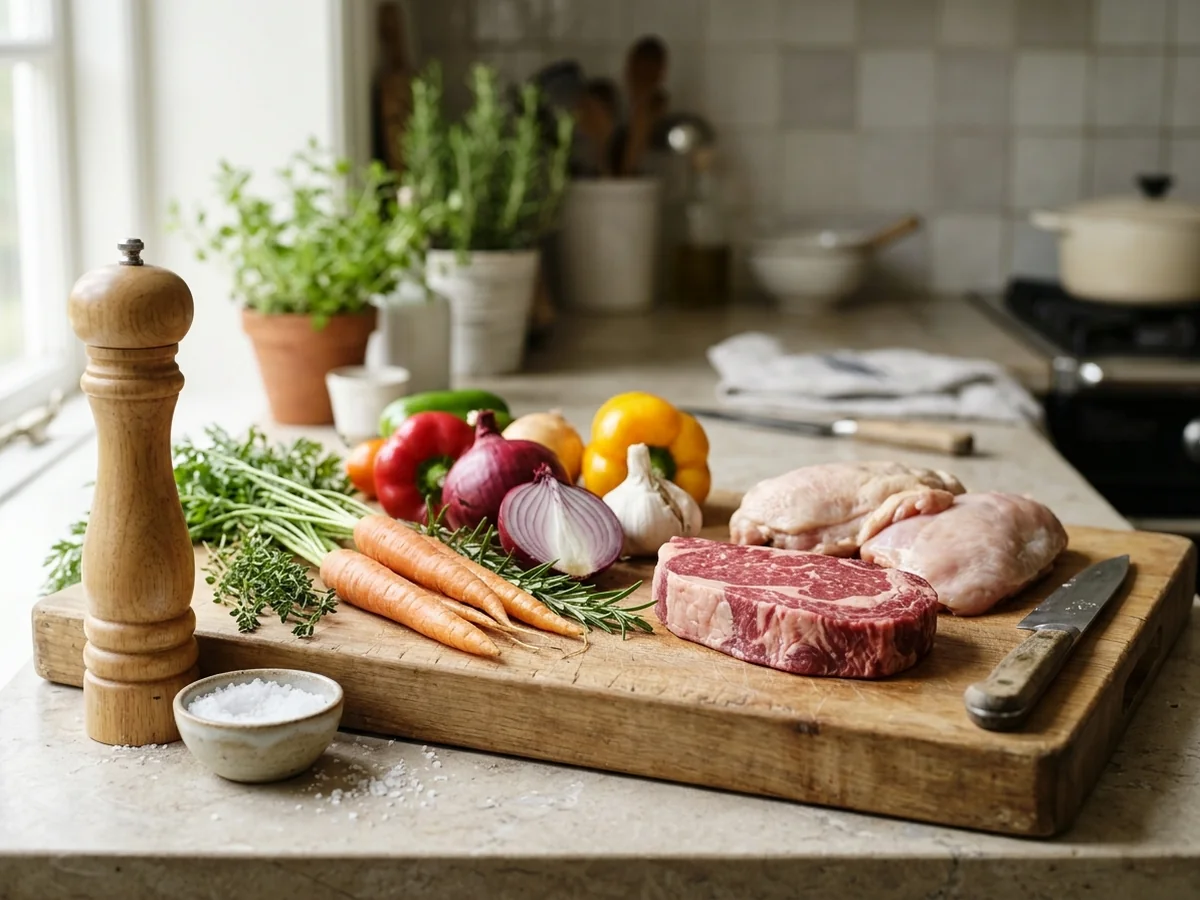
Timing your seasoning correctly changes how flavor penetrates your food and how moisture behaves during cooking. Knowing when to add salt to cooking ensures that proteins develop a savory crust while vegetables retain their ideal texture. Understanding the science behind sodium chloride behavior in the kitchen helps home cooks elevate everyday meals without adding stress or complication.
A common mistake in the kitchen is applying seasoning at the exact same moment for every ingredient. Different foods react to sodium in unique ways based on their density, water content, and structural composition. Applying the right type of salt at the correct stage transforms the final dish.
- Salt large cuts of meat hours before cooking so the sodium draws deep into the muscle fibers and seasons the center thoroughly. This early application breaks down proteins slightly, allowing them to retain moisture more effectively as heat applies.
- Apply fine seasoning to delicate fish right before it hits the hot pan to prevent excess moisture loss on the surface. Salting fish too far in advance draws out too much water, which hinders the formation of a clean, golden sear.
- Add hard root vegetables to salted boiling water from the start so the interior absorbs seasoning evenly as the cell walls soften. Waiting until the vegetables finish cooking only seasons the exterior, leaving the inside bland.
- Toss quick-cooking green vegetables with seasoning near the end of the process to keep them bright and prevent water from purging out. Adding salt too early to delicate greens causes them to release their internal liquids rapidly, leading to a dull color and soggy texture.
- Season ground meat mixtures uniformly throughout the blending stage before forming patties to lock in savory flavor and keep the texture cohesive. Distributing the sodium evenly throughout the meat proteins creates a better bind, keeping the burger or meatball juicy during cooking.
- Sprinkle finishing flakes over cooked proteins right before serving to provide a sudden burst of crunch and a sharp punch of salinity. These larger crystals do not dissolve instantly, adding a dynamic textural element to the finished plate.
Another frequent error involves ignoring how different crystal structures affect measurement and flavor dispersion. Fine table salt packs densely into a measuring spoon, meaning it delivers far more sodium by volume than flaky sea salt or coarser varieties. Adjusting your technique based on whether you are using a fine grain or a coarse crystal prevents over-seasoning. When you master the timing of your seasoning, you gain total control over the depth, texture, and balance of your weekday lunches and evening dinners.
Professional Kitchen Techniques for Flavor Enhancement
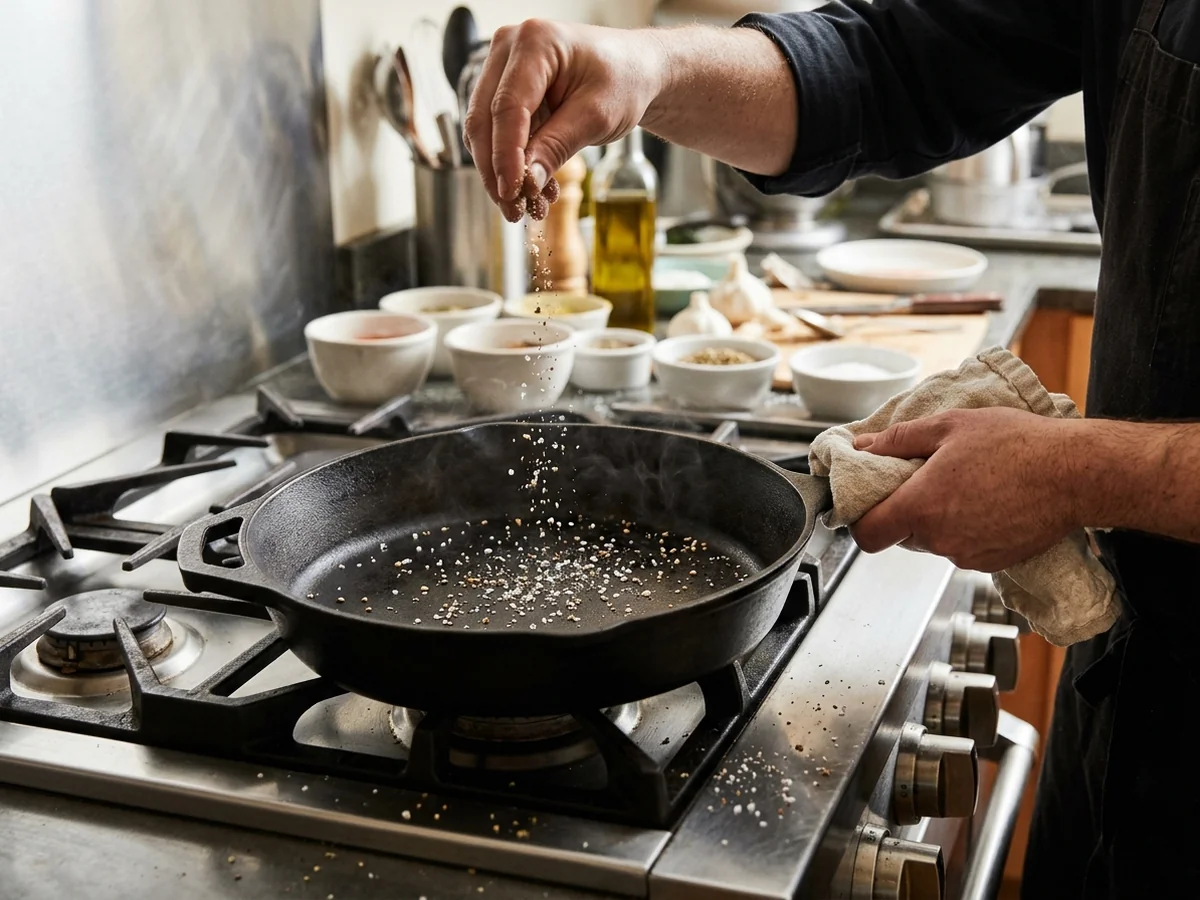
Professional flavor enhancement relies on mastering proper seasoning distribution and equipment handling in the home kitchen. Applying professional culinary methods using a cast iron skillet and proper seasoning distribution transforms ordinary ingredients into restaurant quality dishes. When learning how to use salt effectively, home cooks often overlook the mechanical aspects of dispersion, relying instead on heavy-handed pinches that create salty pockets. Understanding the ideal timing for seasoning changes the final structure of the dish, whether you are preparing quick prep bowls or searing fresh proteins.
Mastering Skillet Distribution and Height
Mastering the skillet requires a hot cooking surface and an even cascade of seasoning. Dropping seasoning from a height ensures the grains scatter widely across the pan rather than clumping in one spot. This vertical distribution method allows fine crystals of kosher salt or flaky sea salt to land in an even layer. When searing proteins or roasting vegetables, this uniform coverage guarantees that every bite receives balanced flavoring rather than isolated zones of high salinity. Keeping a cast iron skillet properly preheated guarantees that the surface reacts immediately with the ingredients as soon as the sodium chloride hits the pan.
Timing Your Seasoning Stages
Knowing when to add salt to cooking changes how flavors develop across your ingredients. Adding seasoning early draws out moisture and seasons proteins or vegetables throughout the core, while finishing with a coarse variety adds textural crunch at the very end of the process. Elevate weekday lunches with precise balancing techniques to bring out hidden flavors in simple prep bowls. A tiny pinch of seasoning added at the very end of cooking brightens cold grab and go meals instantly, waking up flavors that might otherwise dull during refrigeration.
Biological Roles and Physiological Necessity
Beyond the kitchen, dietary sodium plays a vital biological role for human health. According to the Harvard T.H. Chan School of Public Health, sodium supports proper fluid regulation in the body, aids in muscle contraction, and facilitates the transmission of nerve signals. Recognizing this physiological necessity helps frame culinary seasoning as both a flavor enhancer and an essential nutrient handler in your daily diet.
Applying these professional techniques takes practice, but the payoff shows up in every single bite. Keep experimenting with distribution heights, crystal sizes, and pan temperatures until the seasoning feels completely natural in your cooking routine. Avoiding common mistakes, such as seasoning too close to the food surface or ignoring how different grain structures dissolve, ensures consistent culinary results across every meal you prepare.
Practical Household Uses of Salt Other Than Cooking
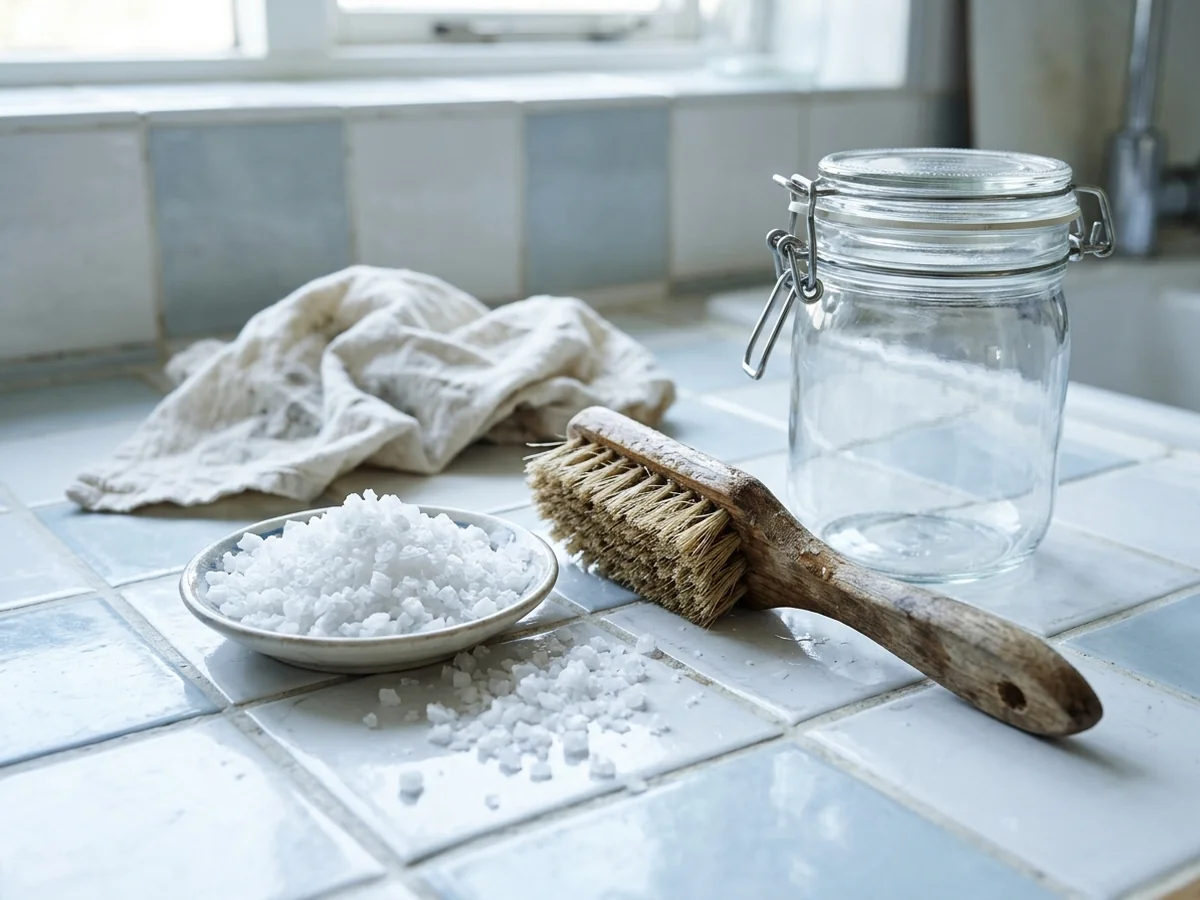
Mineral compounds and ordinary sodium chloride offer surprising utility for cleaning tasks, personal comfort routines, and traditional home practices. Exploring these alternative routines unlocks the full potential of everyday substances beyond meal preparation. Keeping a small box of mineral compounds in the cleaning caddy provides an eco-friendly alternative to harsh chemical cleaners for various household chores.
Understanding how to use salt effectively in non-culinary applications requires knowing the right proportions and techniques to achieve the best results without damaging household surfaces. Common applications range from natural abrasives to traditional remedies for relaxation and relief.
Cleaning and Maintenance Around the Home
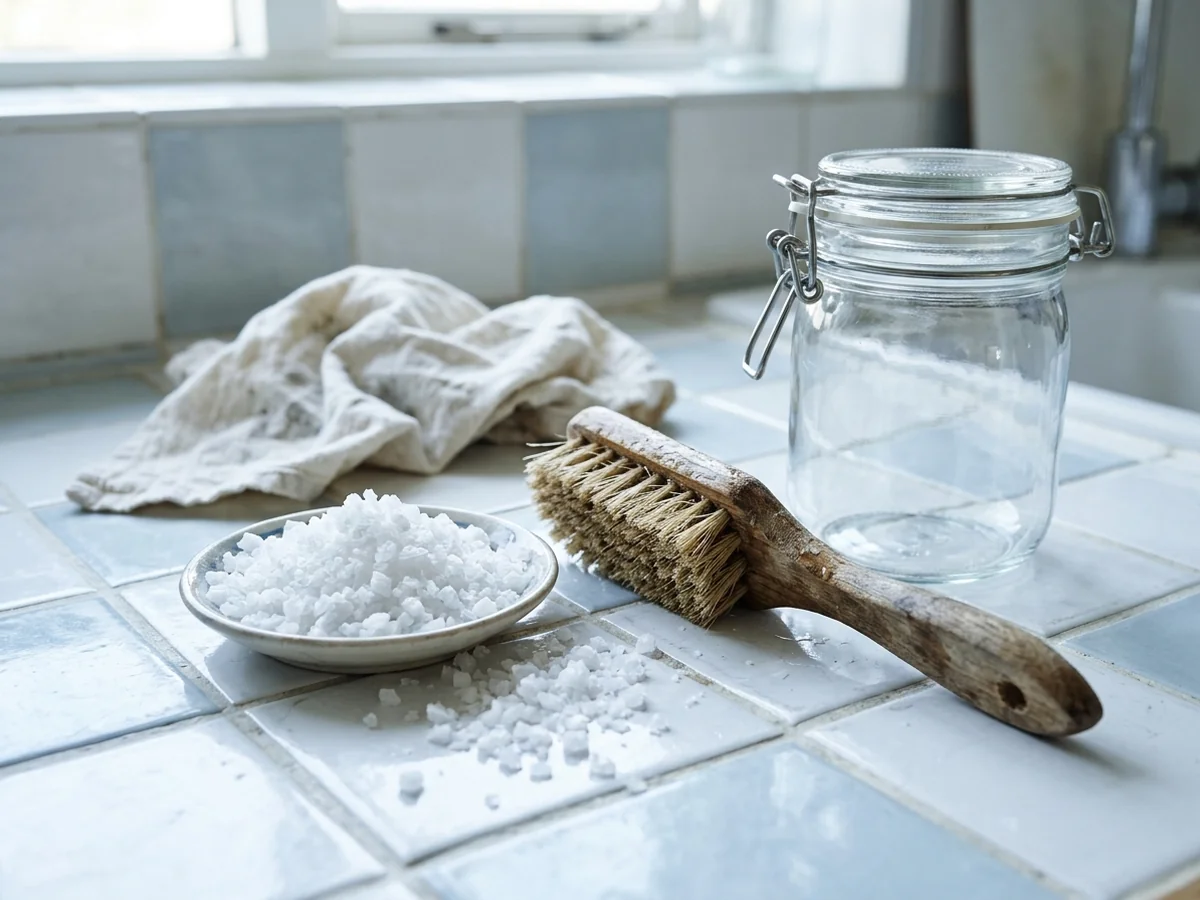
Standard sodium chloride works well as a mild abrasive for scrubbing stubborn stains on ceramic sinks and porcelain countertops without scratching the surfaces. When applying these cleaning methods, avoiding common mistakes ensures safe and effective outcomes. Using excessive amounts of coarse abrasives on delicate polished stone can dull the finish, so testing a small hidden area first is always a smart precaution.
Coarse mineral crystals can be poured down slow drains alongside boiling water to help break up grease buildup and eliminate unpleasant household odors. Similarly, when dissolving compounds for cleaning, always ensure the crystals are fully integrated into the liquid to prevent clumping and residue buildup.
Personal Care and Therapeutic Routines
Beyond surface cleaning, mineral crystals support personal wellness practices. Common guidance suggests that mixing a measured half teaspoon into a vessel of lukewarm water creates a helpful gargle for minor throat discomfort. Another common home remedy involves soaking tired feet in a basin of warm water mixed with two cups of Epsom salt to soothe soreness after a long day of standing or walking.
Specific mineral compounds also serve clinical purposes. Baking soda is a type of salt and acts as a natural antacid when a teaspoon is stirred into cold water after a meal. Additionally, Epsom salt dosage for regularity is usually 2 to 6 teaspoons per day dissolved in a glass of water.
Traditional Practices and Space Clearing
Traditional folk practices often involve using salt to absorb and remove negativity in the house by placing small dishes of the mineral in room corners. While these methods rely on historical customs rather than clinical science, many households maintain these traditions as part of general domestic care and space freshening routines.
Therapeutic and Health Applications of Salt
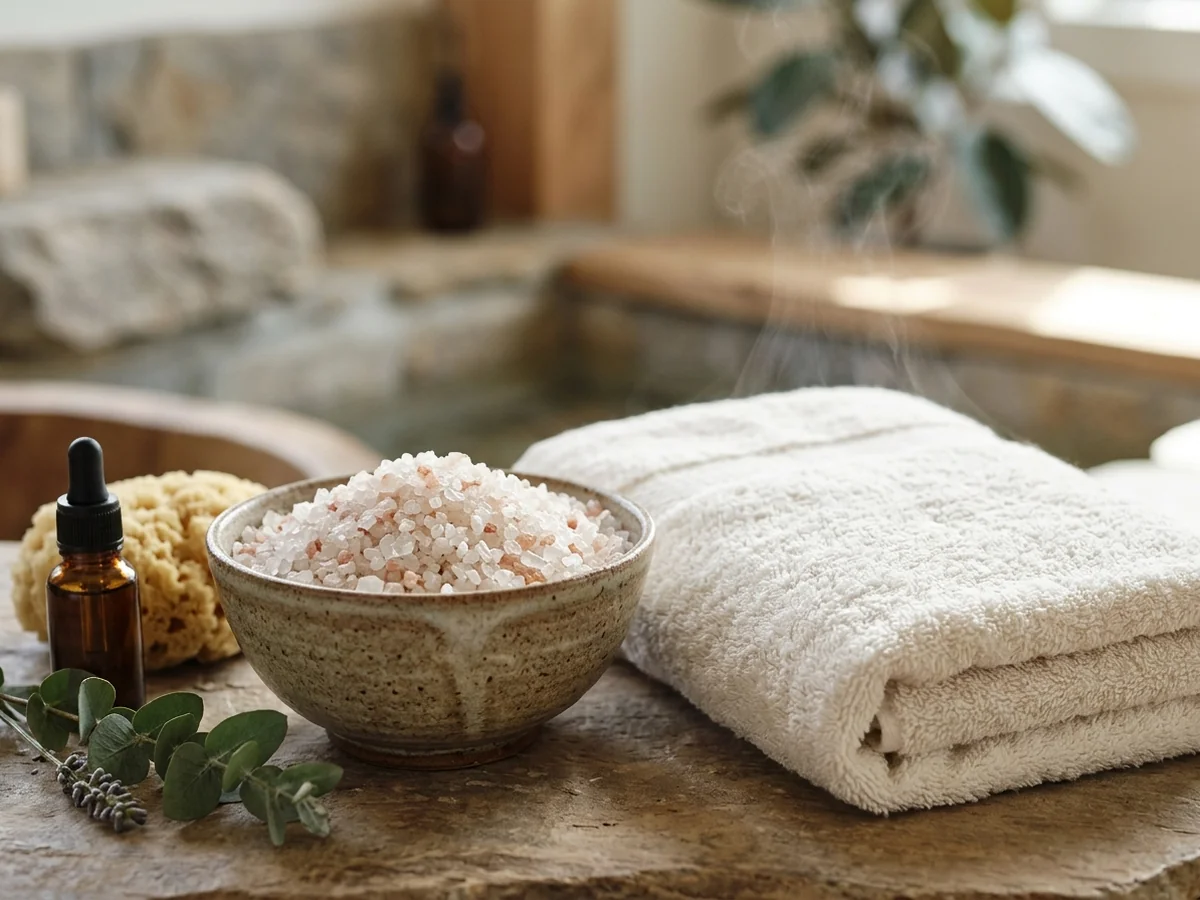
Therapeutic applications extend far beyond daily meal preparation, proving that learning how to use salt effectively can support everyday well-being through traditional remedies and home applications. Exploring uses of salt other than cooking reveals several practical methods for supporting bodily functions, easing minor discomforts, and managing digestion.
On a physiological level, sodium chloride plays a vital role in human biology. According to the Harvard T.H. Chan School of Public Health, sodium chloride enables the body to regulate fluid levels, stimulate nerve pathways, and manage muscle contractions smoothly. Maintaining this internal balance requires understanding how the body processes mineral compounds.
For everyday digestive relief, baking soda is a type of salt and acts as a natural antacid when a teaspoon is stirred into cold water after a meal, according to data verified by the Mayo Clinic. When selecting oral or topical remedies, specific guidelines help ensure safe and effective use. For example, the Epsom salt dosage for regularity is usually two to six teaspoons per day dissolved in a glass of water, as verified by the Mayo Clinic.
Traditional home remedies often rely on measured mineral solutions for localized comfort. Soaking weary feet in a basin filled with warm water mixed with a couple of cups of Epsom salt is a widely practiced method for relieving tension and calming sore muscles at the end of the day. Similarly, people often mix approximately half a teaspoon of salt into warm water to create a soothing gargle for the throat.
Understanding the practical steps behind these applications prevents common mistakes, such as using incorrect mineral ratios or misinterpreting dosage frequencies. When using oral mineral supplements for regularity or digestion, always dissolve the granules completely in water before consumption, and consult a healthcare provider if symptoms persist. For external foot soaks, ensure the water temperature remains comfortably warm rather than excessively hot to protect sensitive skin while soothing tired muscles.
Using Specialty Salts Daily
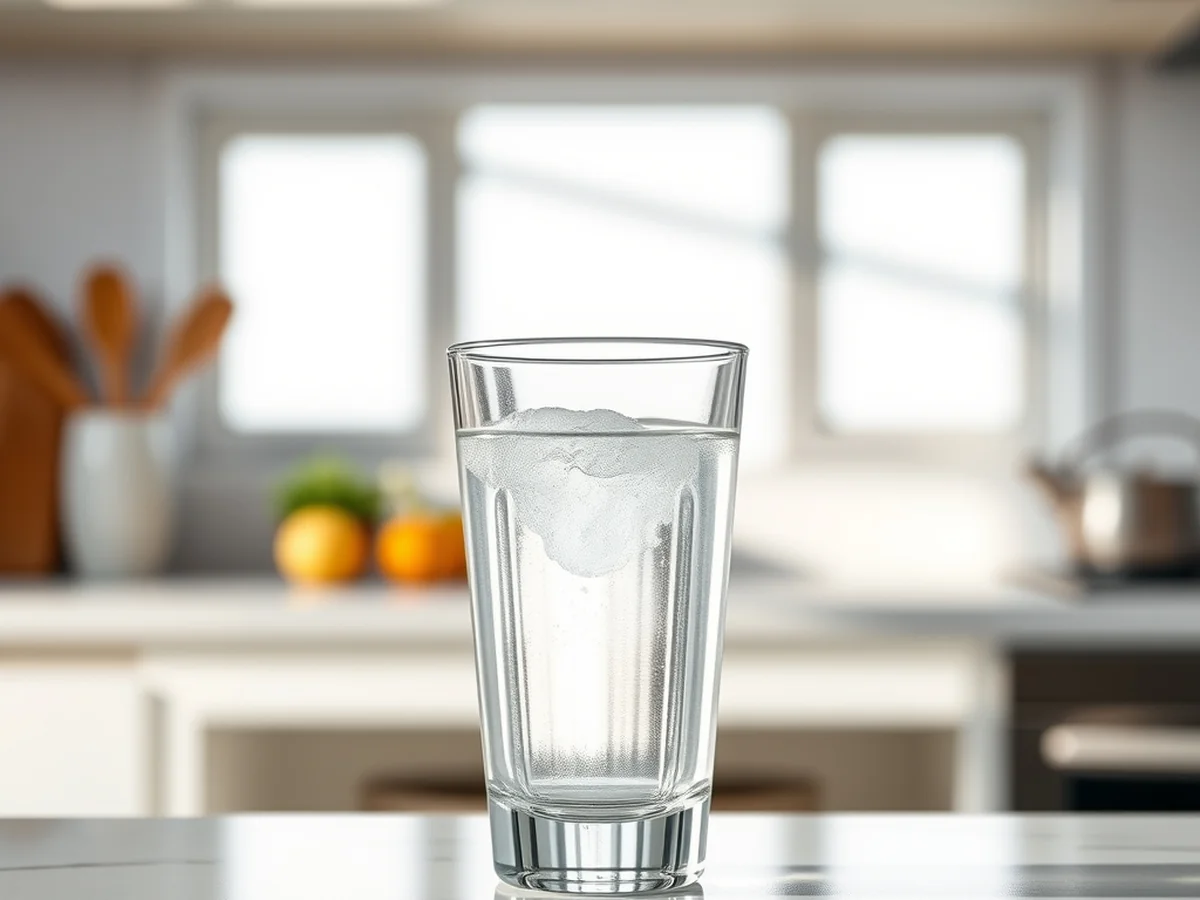
Pantry staples often serve multiple functions beyond the dinner plate, offering practical solutions for daily wellness and household routines. Beyond everyday seasoning and understanding how to use salt in cooking, mineral compounds provide a range of non-culinary applications. At a fundamental biological level, sodium chloride supports essential internal mechanisms. The body relies on sodium to send nerve signals, enable muscle fibers to contract properly, and maintain healthy fluid balance. Balancing these mineral intake habits requires understanding both dietary needs and non-culinary applications around the home.
Digestive Support and Natural Antacids
Household ingredients frequently double as direct wellness remedies when specific health needs arise. Baking soda is a type of salt and acts as a natural antacid when a teaspoon is stirred into cold water after a meal. This simple remedy utilizes the chemical properties of sodium bicarbonate to neutralize stomach acid quickly.
When considering internal supplementation for other gastrointestinal needs, specific dosages require careful attention. Verified medical guidelines note that the Epsom salt dosage for regularity is usually two to six teaspoons per day dissolved in a glass of water. Adhering to these measured amounts ensures safe and effective use of mineral compounds in daily routines.
Soothing Sore Muscles and Throat Comfort
Beyond digestive relief, common household compounds support various wellness practices and physical recovery routines. Typical guidance suggests that clearing throat discomfort involves mixing roughly half a teaspoon of salt into warm water for a gentle gargle. For physical recovery and sore muscles after a long day, dissolving two cups of Epsom salt in a gallon of warm water serves as a frequent remedy for achy feet.
Using these compounds correctly requires attention to proportions. Too much salt in a throat gargle can cause irritation, while precise foot soak measurements ensure maximum relaxation for tired muscles. Integrating these traditional methods into a weekly routine offers a straightforward way to maximize the utility of basic mineral products kept in the pantry.
Frequently Asked Questions About Salt
What are five common uses of salt?
Common household uses include seasoning food, preserving meals, melting ice on pathways, soaking achy feet in a warm bath, and cleaning cast iron cookware. Knowing how to use salt effectively across these different tasks helps you get the most out of your pantry staple. Each application requires a slightly different crystal size and amount for the best results.
Is it good to drink salt water first thing in the morning?
Drinking plain salt water immediately upon waking lacks strong clinical backing and can easily upset your stomach. Most health organizations advise against routine salt water flushes unless recommended by a medical professional for specific treatments. Plain water or standard morning meals are much gentler on your digestive system.
What is the healthiest salt to use daily?
Most culinary experts and health authorities agree that no single table salt offers a dramatic health advantage over the others because they share a nearly identical sodium chloride core. Himalayan pink salt contains trace minerals, but the amounts are too small to provide meaningful nutritional benefits. Choosing your daily seasoning comes down to personal texture preferences and how easily the crystals dissolve.
How do you use salt to remove negativity in the house?
Traditional folklore suggests placing small bowls of dry crystals in room corners or adding a handful to your floor wash water to clear negative energy. While these customs have deep cultural roots in various traditions around the world, they are purely symbolic and carry no scientific basis. You can practice these cleansing rituals purely for their comforting psychological effect on your living space.
When should you add salt to cooking?
Adding seasoning at multiple stages of cooking builds deeper flavor rather than just making the surface taste salty. Proteins benefit from early salting to season the meat all the way to the center, while vegetables often release too much water if salted too soon. Taste your food progressively as it cooks so you can adjust the final balance before serving.
Conclusion
Mastering professional culinary seasoning comes down to understanding crystal size, timing your additions correctly, and tasting your food at every stage of the cooking process. You can easily apply these techniques in your home kitchen to elevate everyday meals with zero stress. Start experimenting with different stages of seasoning today to discover proper seasoning methods with total confidence.
Sources: mayoclinic.org, nutritionsource.hsph.harvard.edu
You might also like: How to Oven Roast Garlic Perfectly: Step-by-Step Guide