Homemade Thai Yellow Curry Paste: Rich & Fragrant
Introduction
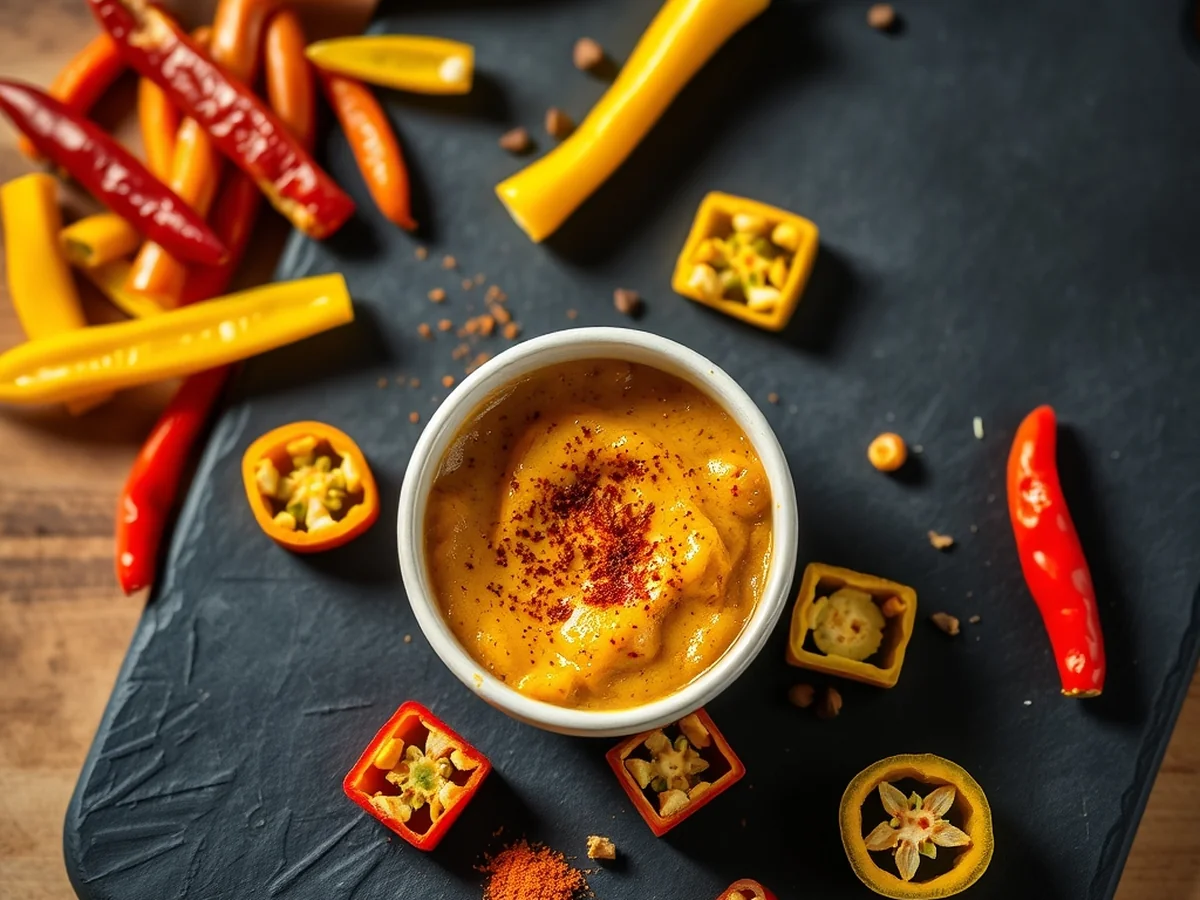
You can create a vibrant, aromatic thai yellow curry paste at home using a blend of fresh aromatics and dried spices. This versatile thai yellow curry paste serves as the flavor foundation for hearty, restaurant-quality meals prepared right in your own kitchen.
This guide covers the essential yellow curry paste ingredients and the techniques needed to balance its signature profile. You will learn how to adjust the heat level, scale the recipe for your weekly meal prep, and properly store your finished paste for future use. We also explore the cultural nuances that distinguish this blend, including its common links to South Asian flavor profiles. Whether you are using a mortar and pestle or a modern food processor, these steps ensure you achieve the ideal texture and depth for your next curry dish.
Essential Thai Yellow Curry Ingredients

The flavor profile of this blend serves as a unique bridge between Southeast Asian aromatics and the warm, earthy spice traditions of South Asia. Common guidance suggests that yellow curry paste is heavily influenced by South Asian flavors, resulting in a profile that is much mellower and more fragrant than its red or green counterparts.
Creating this mixture from scratch at home allows you to capture a level of freshness that pre-packaged versions simply cannot match. By controlling the quality of your aromatics, you can ensure your weekday lunches remain vibrant and deeply flavorful throughout the week. Traditional yellow curry paste features ingredients that may be harder to find outside of Asian grocery stores, but sourcing them fresh is the key to an elevated meal.
To achieve the signature golden hue and complex taste, you will need a combination of fresh aromatics and dried spices. The balance of these components defines the final character of your sauce.
- Turmeric for the vibrant yellow color and earthy depth
- Coriander seeds and powder for a citrusy, floral note
- Curry powder as a foundational spice component
- Fresh lemongrass, galangal, and shallots for essential aromatics
- Dried red chilies to adjust the heat level to your preference
- Shrimp paste to provide a necessary savory, umami backbone
It is widely accepted that the heat level of this mixture is determined primarily by the quantity of dried red chilies you include. If you prefer a milder version, you can simply reduce the number of chilies or remove their seeds before grinding. Using a mortar and pestle remains the traditional method for releasing the essential oils in these ingredients, though a food processor offers a convenient shortcut for busy lunch prep.
Core Ingredients Explained
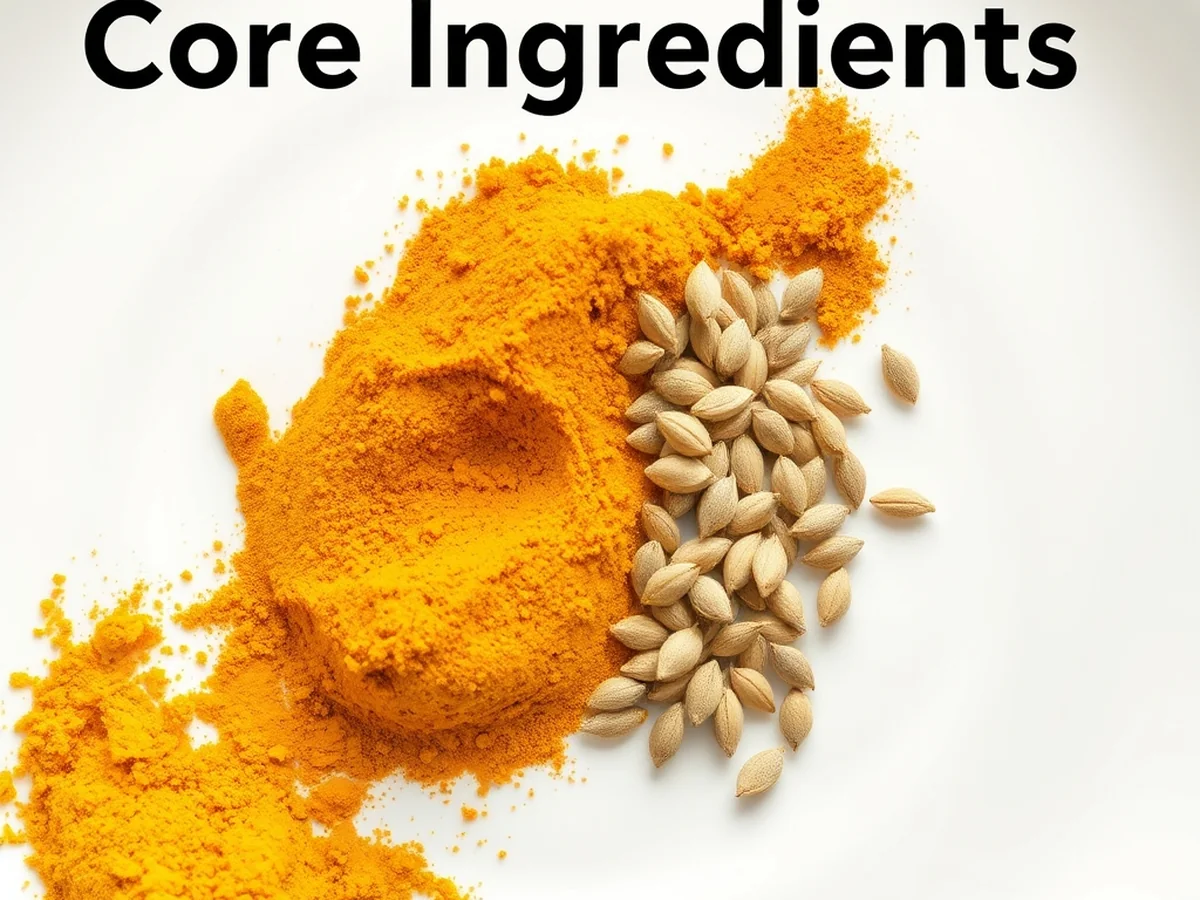
Creating a balanced batch of thai yellow curry paste starts with understanding how dry spices interact with fresh aromatics. Culinary guidance often points out that yellow curry paste ingredients are heavily influenced by South Asian flavors, which gives the blend its distinctive profile compared to its greener and redder counterparts. A successful balance relies on pairing foundational ground spices with fresh roots and fermented elements to achieve deep flavor without daily kitchen stress.
Primary Spice Components
Turmeric, curry powder, and coriander are primary spice components for yellow curry paste, bringing a rich color and earthy warmth that defines the dish. Turmeric delivers an earthy flavor profile along with the signature golden hue that gives the blend its name. Coriander seeds bring a citrusy and warm aroma when lightly toasted and ground down, while curry powder adds depth and complexity, drawing directly from South Asian spice traditions.
Fresh Aromatics and Roots
Aromatics build the fresh structural base of the blend and require thorough mincing or pounding to release their aromatic oils effectively. Lemongrass provides a bright and citrusy punch that cuts through rich coconut milk bases. Galangal introduces a sharp, piney, and citrus-laced heat that differs noticeably from ordinary ginger. Shallots and garlic form a savory foundation, while dried red chilies and shrimp paste contribute background heat and deep umami.
Adjusting Heat and Sourcing Ingredients
The heat level of curry paste is determined primarily by the quantity of chili peppers used, letting home cooks easily adjust the recipe to suit personal preferences. Traditional yellow curry paste features ingredients that may be harder to find outside of Asian grocery stores. When specific items are unavailable, utilizing yellow curry paste substitutes such as standard shallots, regular ginger, or readily accessible dried chili varieties keeps weekday cooking simple and achievable.
How to Blend Yellow Paste
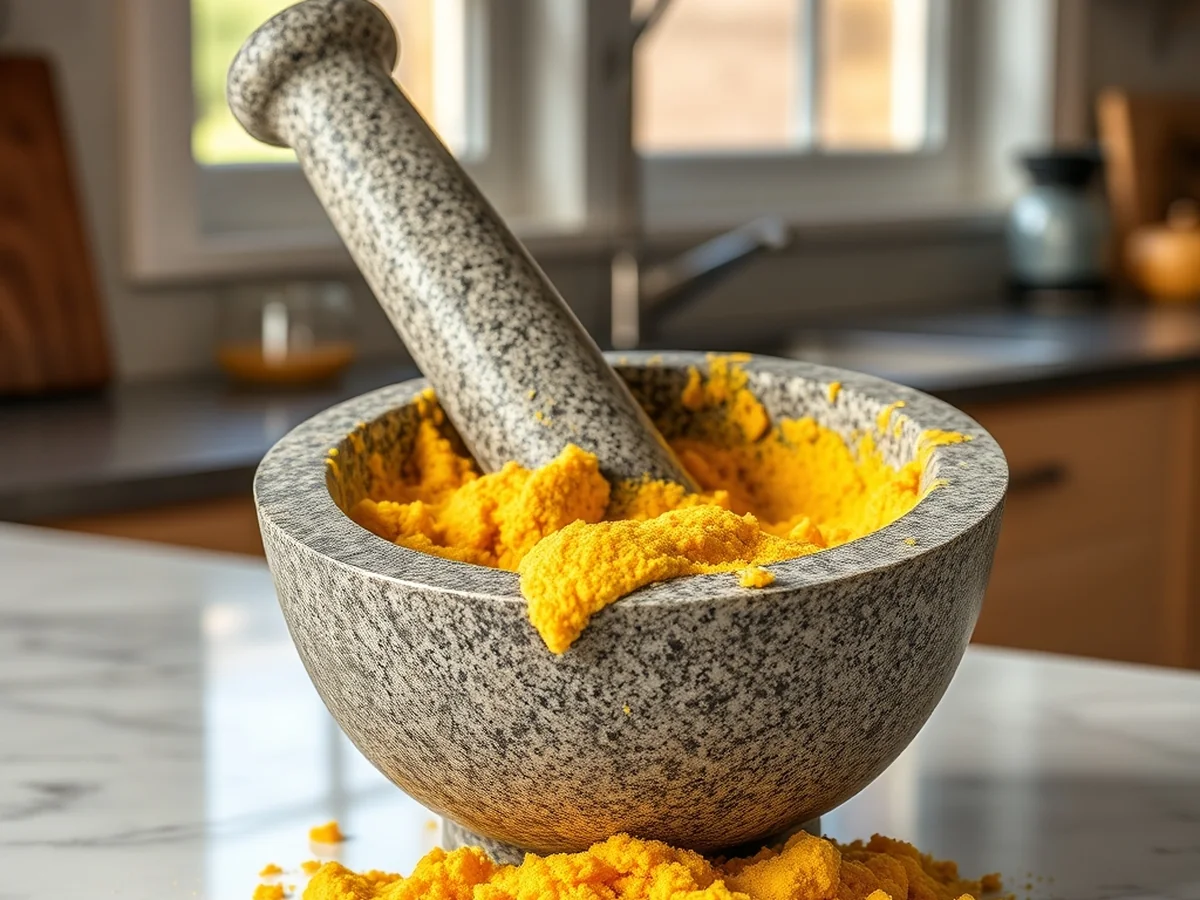
Blending your ingredients determines the final texture and aroma of thai yellow curry paste, with traditional and modern methods offering distinct advantages in the kitchen. Understanding how to handle your equipment properly helps you achieve the right consistency for weekday lunches and meal prep bowls.
Traditional Mortar and Pestle Technique
A traditional stone mortar and pestle crushes fibrous ingredients like lemongrass, galangal, and coriander completely to release their aromatic essential oils. Using manual friction breaks down cell walls more thoroughly than metal blades, resulting in a vibrant flavor and an authentic coarse paste. This method takes patience, but it prevents the ingredients from heating up and losing their delicate aromatics during preparation. Common guidance suggests that traditional yellow curry paste features ingredients that may be harder to find outside of Asian grocery stores, such as fresh galangal and shrimp paste.
Electric Food Processor Method
Electric food processors offer a fast alternative for busy home cooks, though they often leave fibrous flecks behind instead of a smooth emulsion. Achieving a consistent texture with a machine requires scraping down the bowl frequently and adding small splashes of liquid to help the blades catch. Soaking dry ingredients and cutting tough roots into tiny pieces before electric blending prevents uneven chunks in the final mixture. A common mistake is overloading the food processor, which prevents the blades from catching the small pieces of shallots and spices evenly.
Evaluating Your Finished Blend
When evaluating your finished blend, look for visual indicators such as a uniform golden color and a smooth, paste-like consistency where individual spice specks are barely visible. Turmeric, curry powder, and coriander serve as primary spice components for yellow curry paste, which helps create that signature warm hue. If your mixture looks grainy or separates easily, continue processing with a tiny drop of water or oil to bring the emulsion together. Choosing the right tool depends on your schedule, but taking a few extra minutes to prep your ingredients properly guarantees a better result for any recipe featuring yellow curry paste ingredients.
Storing Thai Yellow Curry Paste
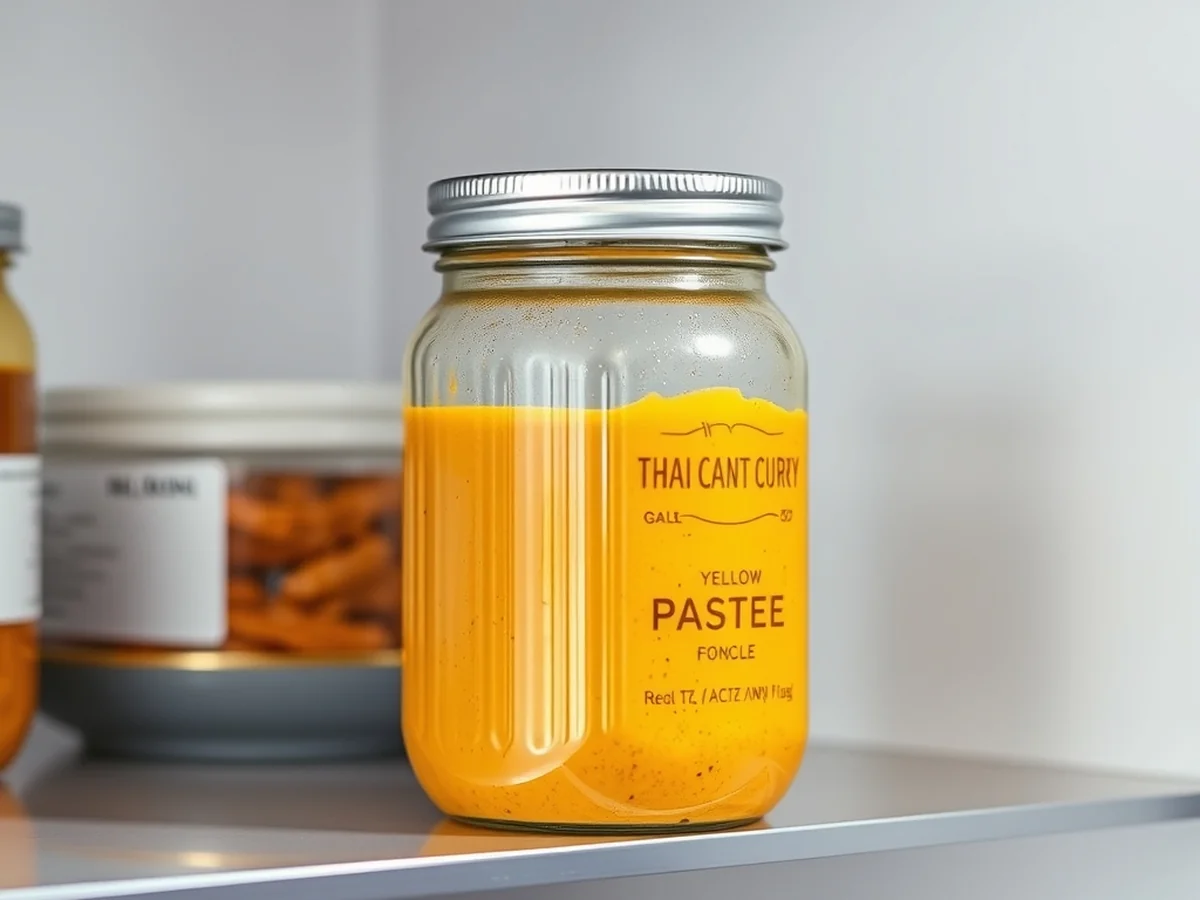
Proper storage keeps homemade thai yellow curry paste fresh and ready for busy cooking days, especially when planning elevated weekday lunches or quick prep bowls. Stored in a clean glass jar with a tight lid, the mixture stays good in the refrigerator for up to one week. Keeping the surface of the paste flat and pouring a thin layer of neutral cooking oil right on top helps block air exposure, prevents oxidation, and maintains the vibrant golden color imparted by turmeric.
Freezing offers a much longer shelf life for home cooks who want to plan ahead and reduce daily stress. When stored properly in the freezer, homemade curry flavor stays at its best for several months. Dividing a large batch into smaller portions prevents the need to thaw the entire container for a single weekday lunch, making meal assembly fast and efficient.
Ice cube trays make portioning simple and precise. Spoon the paste evenly into the compartments of a clean tray and freeze until completely solid. Once frozen, pop the cubes out and transfer them to a heavy duty freezer bag to prevent freezer burn. Each individual cube provides a convenient single serving for quick meals.
Scaling the recipe works best when batch sizes match household needs. Doubling or halving the ingredient amounts requires only basic math adjustments. Keep in mind that fresh aromatics and spices multiply evenly, though adjusting chili peppers gradually helps control the final heat level to personal preference. A common mistake is packing jars loosely, which leaves air pockets that degrade quality, so always press the paste down firmly before sealing.
Adjusting Heat and Flavor
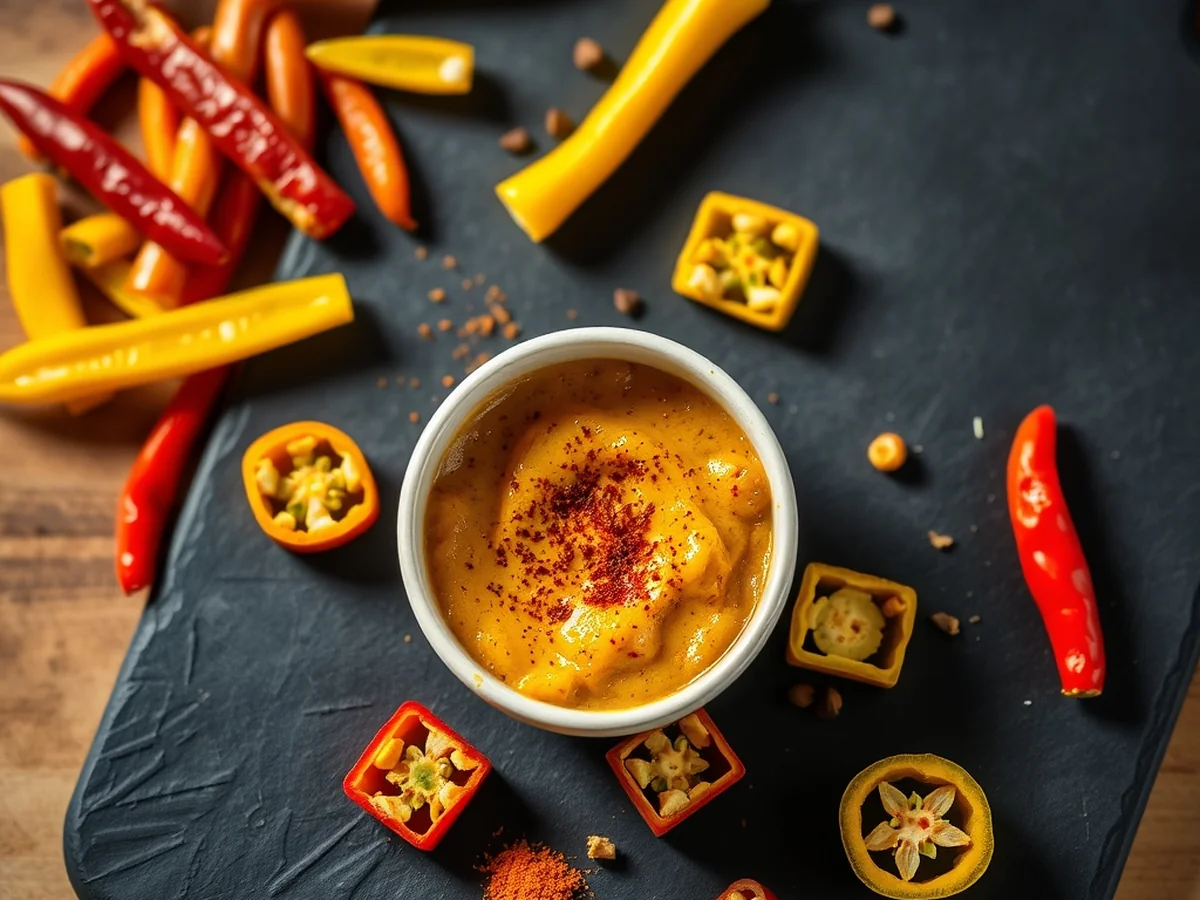
Getting the flavor profile right in a batch of homemade thai yellow curry paste requires balancing vibrant aromatics with adjustable spice levels. Common culinary practice notes that the heat level of curry paste is determined primarily by the quantity of chili peppers used in the recipe. If you prefer a milder bowl that fits easily into a quick weekday lunch routine, simply reduce the number of dried red chilies before grinding the ingredients together.
Common culinary practice indicates that yellow curry paste is heavily influenced by South Asian flavors, drawing on dry spices like turmeric, coriander seeds, and curry powder. These primary spice components create a warm and earthy foundation rather than a sharp, pungent bite. When working with these ingredients, home cooks often encounter practical challenges. Traditional components can feature items that may be harder to find outside of specialized Asian grocery stores. If you cannot source fresh galangal or lemongrass, adjusting your flavor balance with easily accessible substitutes helps maintain the characteristic warmth without derailing your meal prep.
Fine-Tuning Spice Levels for Every Palate
Controlling the intensity of your dish is straightforward once you understand how each component interacts during cooking. If your fresh batch ends up too fiery for your liking, stirring in extra coconut milk softens the overall punch while preserving the complex blend of shallots, galangal, and lemongrass. Taking the time to fine tune these elements ensures your finished dish remains approachable, flavorful, and entirely stress-free.
Working Around Hard-to-Find Ingredients
Authentic preparation often calls for specific regional items that might not sit on standard supermarket shelves. When fresh galangal or lemongrass proves difficult to source, simple adjustments keep your cooking on track. Using ginger as a substitute for galangal or adding extra citrus zest for lemongrass provides a reliable alternative profile without losing the depth expected from this aromatic blend.
Practical Steps and Common Pitfalls
A few practical steps and common mistakes guide the adjustment process once you move from the mortar and pestle to the cooking stage:
- Taste before simmering: Always evaluate the flavor of your paste before adding large amounts of liquid. Raw spices can taste harsh until they release their oils in the pan.
- Rethink your chili count: A common mistake is adding all the seeds and ribs from the chili peppers at one time. Removing them provides instant control over the final kick.
- Lean on coconut fats: Coconut milk works as an effective tool for toning down intensity once you start cooking on the stove. Pouring in rich coconut fats mellows out sharp spice notes and rounds out earthy aromatics.
Common Ingredient Substitutions
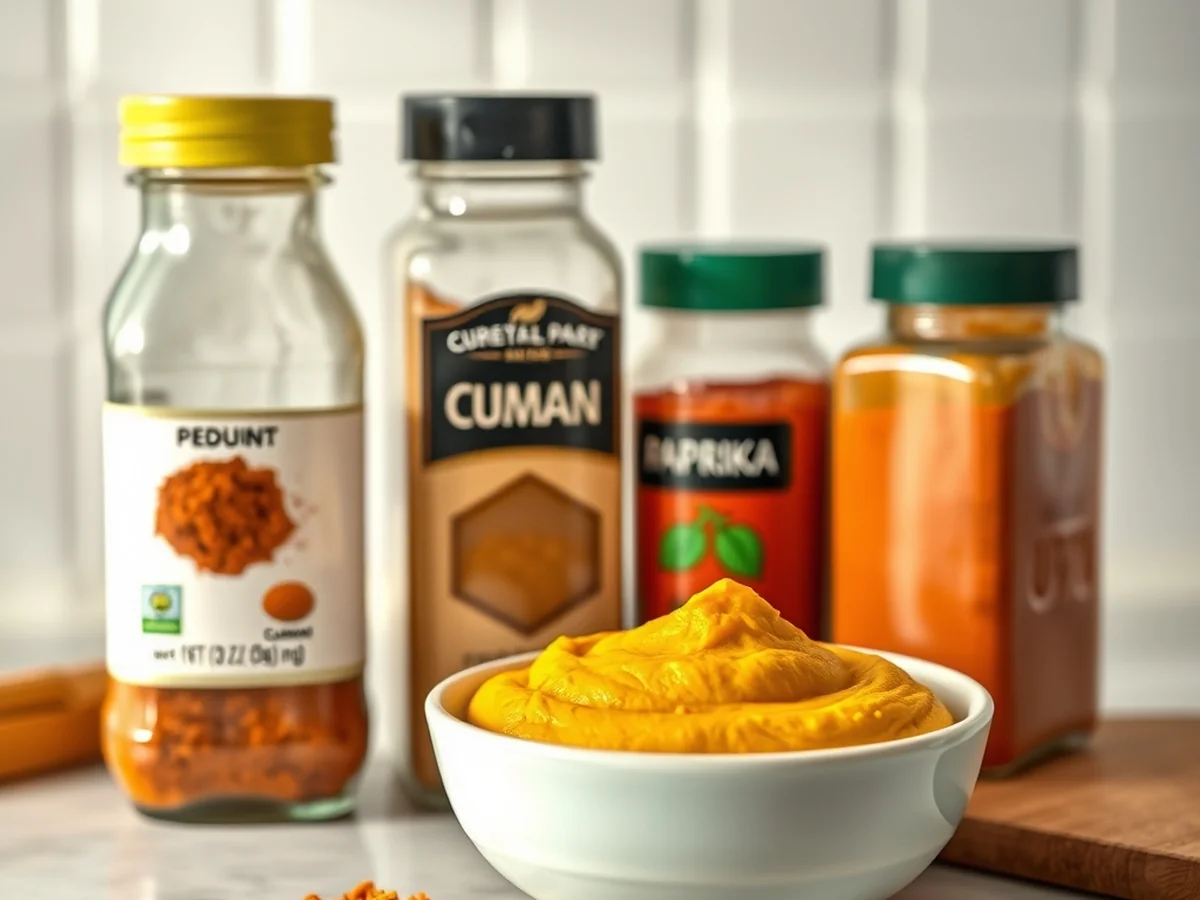
You can easily adapt your culinary blend when traditional components are missing from local grocery stores. Traditional yellow curry paste features ingredients that are often considered harder to find outside of Asian grocery stores, but common pantry staples work well as reliable alternatives for home cooks.
Understanding why certain swaps work helps maintain flavor integrity without sacrificing the character of your lunch prep bowls. For instance, fresh galangal is known for a sharp and pungent bite, but fresh ginger makes a reliable alternative when you cannot source the original root. Similarly, fresh lemongrass adds bright citrus notes that can be closely mimiced with fresh lemon zest, and standard yellow onions offer a slightly sweeter and milder base compared to traditional shallots.
A common mistake when using yellow curry paste substitutes is failing to respect the underlying spice foundation. Because yellow curry paste is often heavily influenced by South Asian flavors, earthier components like turmeric, curry powder, and coriander remain essential even if you must swap out the fresh aromatics. Another frequent error is altering the spice ratios arbitrarily, which can throw off the characteristic warmth and depth of your meal.
| Traditional Component | Practical Alternative | Flavor Impact |
|---|---|---|
| Fresh Galangal | Fresh Ginger | Sharper and more pungent bite |
| Fresh Lemongrass | Lemon Zest | Brighter citrus notes |
| Shallots | Yellow Onion | Slightly sweeter and milder base |
When making these adjustments, keep the core spice ratios balanced to preserve the harmonious profile of the dish. By relying on smart pantry swaps, you can keep your weekly cooking routine running smoothly without sacrificing authenticity.
Authentic Yellow Curry Flavor Profile
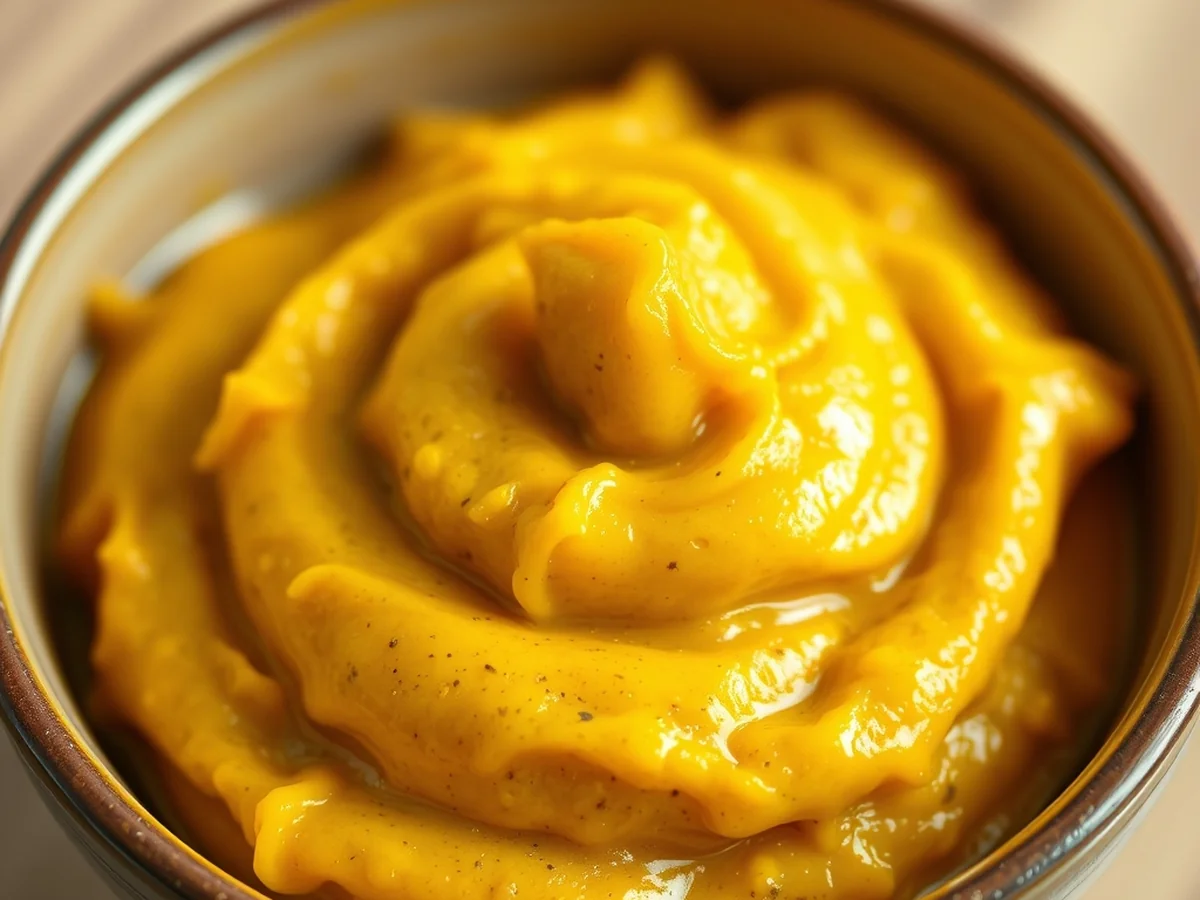
Authentic yellow curry flavor relies on a distinct balance of earthy spices, aromatics, and regional preparation methods that set it apart from other culinary preparations. Common culinary guidance suggests that yellow curry paste is heavily influenced by South Asian flavors, which introduced dry-roasted spices and curry powder to the local cuisine. This historical blending of methods created a milder, richer profile compared to the sharper green and red varieties found throughout the region.
Standard yellow curry paste differs significantly from Southern Thai gaeng leung, which relies heavily on fresh turmeric and intense sour notes without the dried spices common in central styles. Traditional preparation typically features ingredients that may be harder to find outside of Asian grocery stores, meaning home cooks often need to plan ahead to gather authentic components.
Core Aromatic and Spice Components
Turmeric, curry powder, and coriander are primary spice components for yellow curry paste, providing the signature golden hue and warm foundation. When building a traditional thai yellow curry paste recipe, home cooks combine these dry elements with fresh aromatics like shallots, lemongrass, and galangal. Ground coriander seeds and cumin add depth, while shrimp paste contributes a savory umami backbone that rounds out the blend.
Adjusting Heat and Spice Levels
The heat level of curry paste is determined primarily by the quantity of chili peppers used during preparation. Home cooks can easily adjust this spice intensity up or down by modifying the number of dried red chilies in the recipe without losing the core aromatic profile. This flexibility makes the homemade version particularly appealing for weeknight lunches and family meals where diners have varying tolerances for spice.
Equipment Choices for Texture
Achieving the correct texture requires the right kitchen tools. Traditional preparation calls for a mortar and pestle to thoroughly break down fibrous lemongrass and galangal, releasing essential oils for a superior flavor. Alternatively, a food processor offers a faster method for busy home cooks, though adding a splash of water or oil may be necessary to help the blades process dry ingredients smoothly.
Common Yellow Paste Making Mistakes
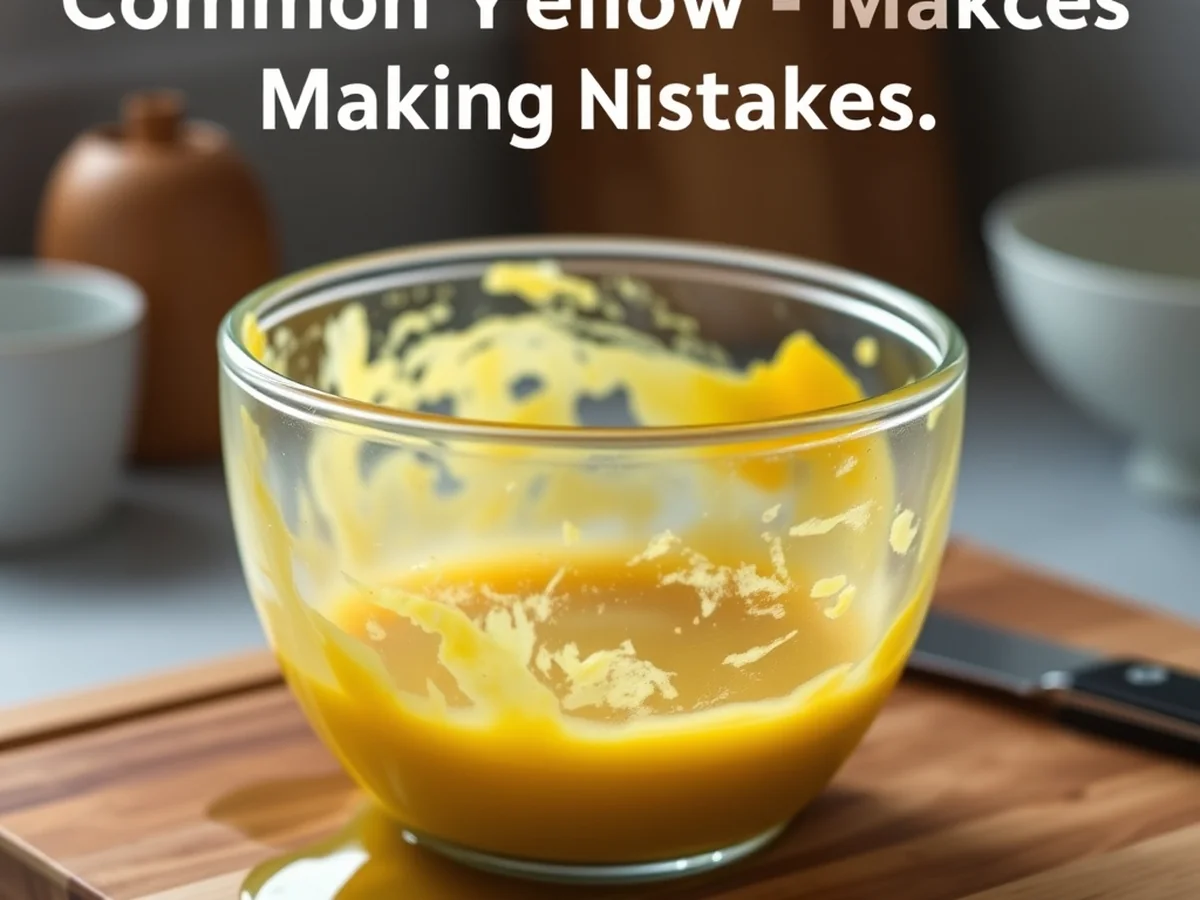
Mastering how to make yellow curry paste comes down to treating each ingredient with proper technique, ensuring your culinary efforts yield an aromatic, properly textured base instead of a watery blend. Avoiding a few common pitfalls helps maintain the ideal balance for elevated weekday lunches or larger meal prep batches, keeping your cooking efficient and flavorful.
Over-Processing and Texture Errors
One frequent error is over-processing the ingredients in a food processor, which turns the mixture into a mushy, baby food consistency rather than a cohesive paste with a pleasing rustic bite. If you use a machine, pulse the ingredients carefully and stop to scrape down the sides often. Failing to scrape down the bowl leaves chunks of lemongrass and galangal unevenly distributed throughout the mixture, resulting in an unbalanced flavor when you cook thai yellow curry paste.
Skipping the Spice Toasting Phase
Another major misstep involves skipping the initial dry-roasting phase for whole spices like coriander seeds. Failing to toast dry spices properly leaves the final mixture tasting flat and dull instead of unlocking the full, vibrant aromatics locked inside the seeds. Turmeric, curry powder, and coriander are primary spice components for yellow curry paste, and this step is essential for releasing natural essential oils and deepening the complex flavor profile before it combines with shallots and shrimp paste.
Ignoring Moisture Balance and Ingredient Sourcing
Adding too many liquid-heavy elements at once prevents the blend from forming a thick, concentrated consistency that properly coats ingredients during cooking. When managing the ingredient ratios, keep in mind that common guidance notes how the heat level of curry paste is determined primarily by the quantity of chili peppers used, such as dried red chilies, allowing you to tailor the spice level without throwing off the moisture balance. Finally, sourcing can occasionally present a challenge, as traditional yellow curry paste features ingredients that may be harder to find outside of Asian grocery stores, meaning proper alternative ingredients should be planned in advance rather than improvised with watery components.
FAQ
What is yellow Thai curry paste?
Yellow Thai curry paste is a fragrant, aromatic blend of herbs and spices that serves as the flavor base for traditional curries. It commonly features ingredients like turmeric, curry powder, and coriander, which give the paste its signature golden color and warm flavor profile.
How do I adjust the heat level of the paste?
The heat level of curry paste is determined primarily by the quantity of chili peppers used in the recipe. You can easily make a milder version by reducing the amount of dried red chilies, or increase the spice by adding more peppers or white pepper.
How should I store homemade curry paste?
Homemade curry paste keeps well in an airtight jar in the refrigerator for up to one week. For longer storage, freeze the paste in small portions using an ice cube tray so you can thaw only what you need for weekday meal prep.
What equipment is needed to make the paste?
You can use a traditional mortar and pestle to grind the ingredients into a smooth paste, or rely on a food processor for a faster method. A food processor makes quick work of tough roots like galangal and lemongrass, though it may require a splash of water or oil to keep the blades moving.
Can I find all the ingredients easily?
Traditional yellow curry paste features ingredients that may be harder to find outside of Asian grocery stores. Specialty markets are often the best place to source fresh galangal, lemongrass, and authentic shrimp paste.
Conclusion
Gather your fresh aromatics and warm spices to start blending your own batch of homemade curry paste today. Adjust the chili peppers to match your preferred spice level and store any leftovers in the freezer for quick weekday meals. Making this aromatic base at home transforms a simple lunch into a vibrant culinary experience.
You might also like: How to Make Grilled Halloumi Cheese at Home