Vanilla Buttermilk Baked Donuts: Fluffy & Sweet Treat
Introduction to Vanilla Buttermilk Baked Donuts
Making vanilla buttermilk baked donuts offers a straightforward, stress-free alternative to deep frying, letting you skip messy oil splatter without sacrificing flavor. Home bakers can easily achieve an elevated morning routine using standard kitchen equipment and simple pantry staples.
The secret to keeping vanilla buttermilk baked donuts exceptionally light and tender lies in the interaction between acidic buttermilk and chemical leavening agents. This reaction creates a delicate crumb structure, while a standard donut pan shapes the batter into neat rings. You will get a complete guide covering precise mixing techniques, optimal oven temperatures, and finishing tips for a sweet treat.
Essential Kitchen Equipment and Choosing the Best Donut Pan
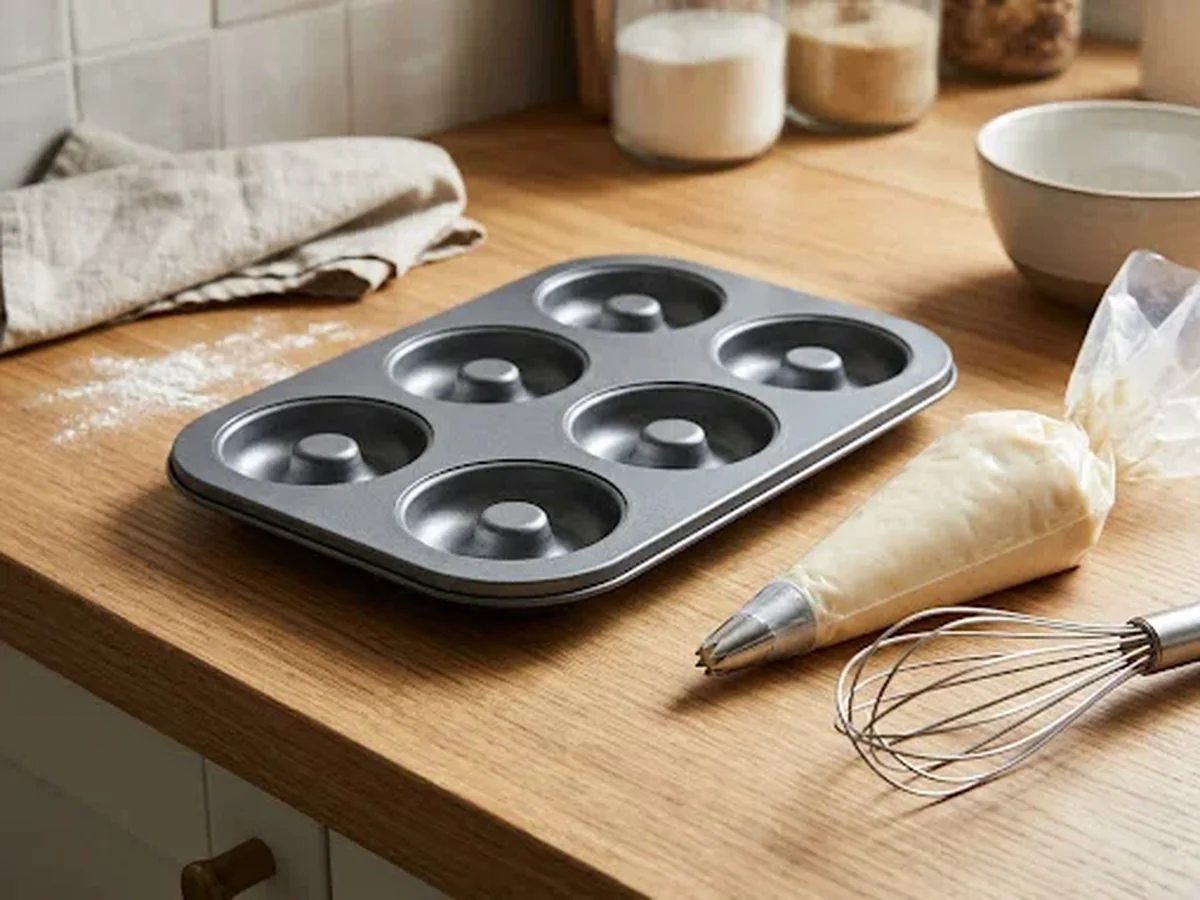
Making sweet buttermilk rings at home requires just a few standard kitchen tools along with a specialized mold to shape the batter properly. You will need basic items like mixing bowls, measuring cups, a whisk, and a piping bag to deposit the thick batter cleanly into the cavities. Sifting dry ingredients together helps ensure even distribution of leavening agents throughout the flour mixture, a technique supported by guidelines from Mississippi State University Extension. Choosing the best donut pan for baked donuts makes a significant difference in how easily your treats release and how evenly they brown in the oven.
Selecting the Right Baking Mold
When shopping for a mold, look for heavy-duty materials that conduct heat evenly and resist warping over time. Silicone molds offer extreme flexibility, but metal pans made from cast aluminum or carbon steel typically produce a better outer crust on your sweet breakfast treats. Nonstick coatings are essential for preventing the delicate crumb from sticking to the metal surface. Make sure the individual ring molds feature smooth, uniform channels so the batter bakes at the same rate across the entire tray.
Proper Pan Preparation Techniques
Proper preparation of your baking mold prevents the baked rings from breaking apart when you try to turn them out. Here are the key steps to guarantee a smooth release every time:
- Brush every interior surface of the pan thoroughly with melted butter or a neutral cooking oil, ensuring you reach every corner of the inner ring.
- Dust the greased cavities lightly with all-purpose flour or a fine layer of granulated sugar to create a physical barrier against sticking.
- Pipe your batter into the prepared wells carefully so you avoid splashing grease or batter onto the center posts.
- Fill each cavity only about three-quarters full to allow the leavening agents enough room to rise without overflowing.
- Allow the baked rings to cool for a brief period before attempting to invert the pan onto a wire cooling rack.
- Tap the bottom of the metal tray gently if any stubborn treats resist falling out of their molds.
Managing Batter and Fats
When preparing the ingredients for vanilla buttermilk baked donuts, handling fats correctly alters the final texture. According to guidelines provided by the University of Tennessee, vegetable shortening should be melted and cooled slightly before being added to batter to maintain smooth emulsion. Home bakers of varying skill levels also find that incorporating cornstarch into the dry mix is sometimes practiced to adjust the crumb structure of the finished breakfast treats.
Gathering Quality Ingredients for Tender Results
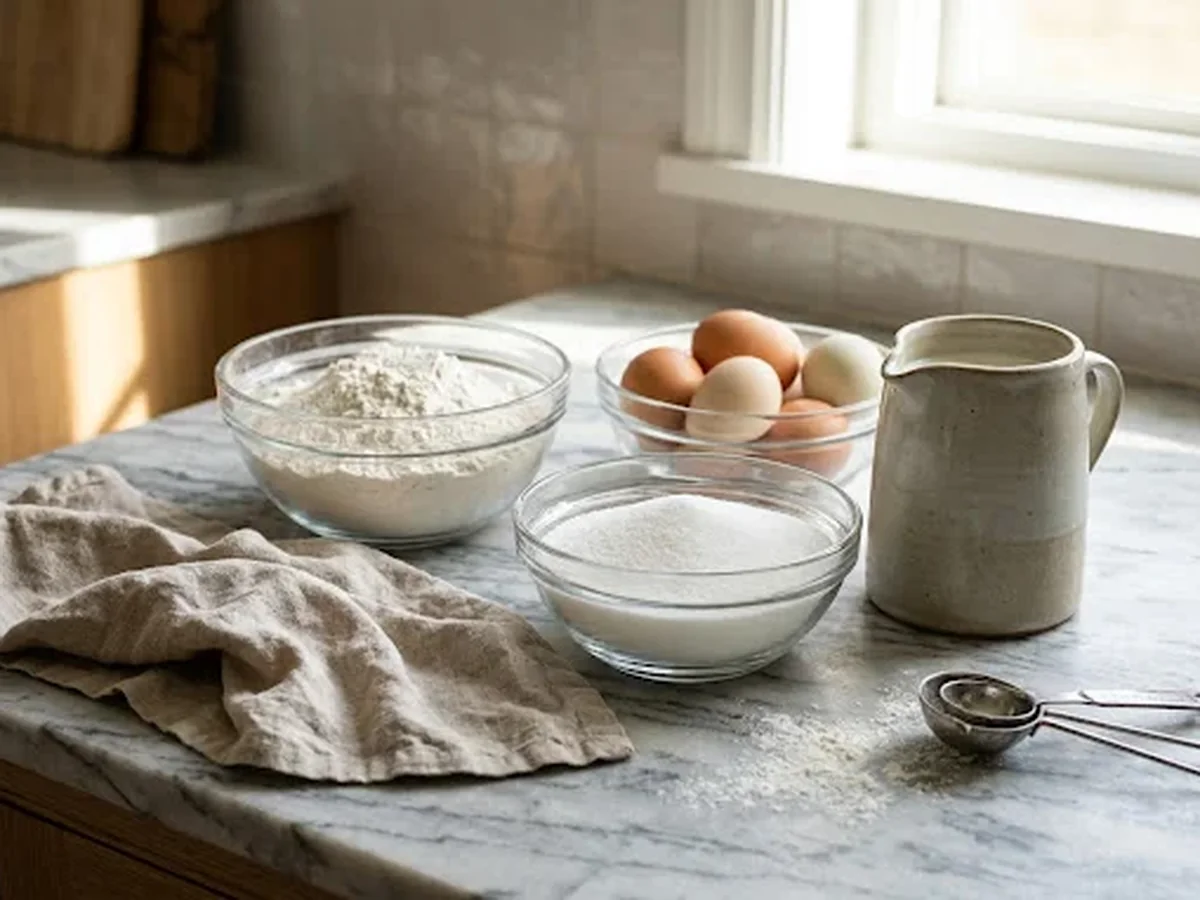
Making vanilla buttermilk baked donuts starts with assembling simple baking staples that react together to create a light crumb. Proper measurement ensures that the batter achieves the right consistency before it goes into a donut pan. Preparing your components carefully prevents dense textures and helps you understand how each element contributes to the final treat when you want to learn how to make baked donuts at home.
| Ingredient | Primary Function | Preparation Note |
|---|---|---|
| All-purpose flour | Provides structure | Sifted for even distribution |
| Buttermilk | Adds moisture and acidity | Used cold or at room temperature |
| Vanilla extract | Delivers sweet flavor | Pure extract works best |
The Role of Dry Components and Leavening
Sifting dry ingredients together helps ensure even distribution of leavening agents. This step prevents pockets of heavy rising agents that can cause uneven textures in quick breads and similar treats. Additionally, cornstarch is sometimes added to the dry mixture in typical kitchen practice to adjust the overall tenderness of the crumb.
Baking soda serves as the primary leavening agent in the recipe, reacting with the acid in the dairy to produce carbon dioxide gas. This chemical reaction creates tiny air pockets throughout the batter, allowing the treats to rise properly in the oven without yeast. When you set up your workspace for an easy buttermilk baked donuts recipe, success relies heavily on how these wet and dry components interact.
Managing Fats and Wet Elements
Fat content contributes significantly to the tenderness of the crumb. Vegetable shortening should be melted and cooled slightly before being added to batter, as noted in research from the University of Tennessee Extension, so it blends evenly with the other wet components without cooking the eggs or defusing the leavening agents. A common mistake during preparation is adding hot fat directly to the mixing bowl, which can alter the structure of the batter. Taking time to cool the shortening ensures a smooth emulsion and consistent results.
Understanding how these components behave makes the entire process straightforward for home bakers who want to compare baked vs fried donut texture. When working with a piping bag to fill your mold evenly, keeping the wet and dry mixtures at the proper temperature guarantees that your finished treats develop the ideal rise and structure.
Why Buttermilk Matters

Understanding the chemistry behind vanilla buttermilk baked donuts helps home bakers achieve the ideal texture without deep frying. Acidic buttermilk reacts with baking soda to create carbon dioxide gas bubbles, which give the batter its lift. This natural leavening agent provides the necessary rise for a light crumb while avoiding the heavy greasiness associated with fried treats. When comparing baked vs fried donut texture, the chemical interaction of the dairy acid is what keeps the pastry light instead of dense.
The Role of Sifting and Fat Integration
Sifting dry ingredients together helps ensure even distribution of leavening agents throughout the flour mixture. This simple preparation step prevents pockets of dense crumb or metallic-tasting spots in the final pastry. Proper integration of the all-purpose flour, baking soda, and other dry components sets the foundation for a uniform structure.
Beyond the primary leavening reaction, specific handling of ingredients influences the final outcome. Vegetable shortening should be melted and cooled slightly before being added to batter. This keeps the fat from prematurely reacting with other components while maintaining the desired moisture levels.
Refining Texture and Handling Substitutions
Home bakers aiming to master how to make baked donuts at home often encounter common pitfalls. Skipping the sifting step leads to uneven rising, while overmixing the batter activates the gluten too much and results in a tough pastry. Additionally, cornstarch is sometimes added to donut batter to adjust texture by modifying the strength of the flour, yielding a more tender bite.
While real cultured dairy yields the best flavor, a buttermilk substitute for baking can be used if the fridge is empty by combining milk with an acid like lemon juice or vinegar. When using a donut pan for your vanilla buttermilk baked donuts, common guidance suggests placing the oven rack in the upper-middle position and baking at 375 degrees F for 12 to 15 minutes. Paying attention to these foundational elements ensures that your homemade treats turn out tender, flavorful, and structurally sound every time.
Step-by-Step Guide on How to Make Baked Donuts at Home
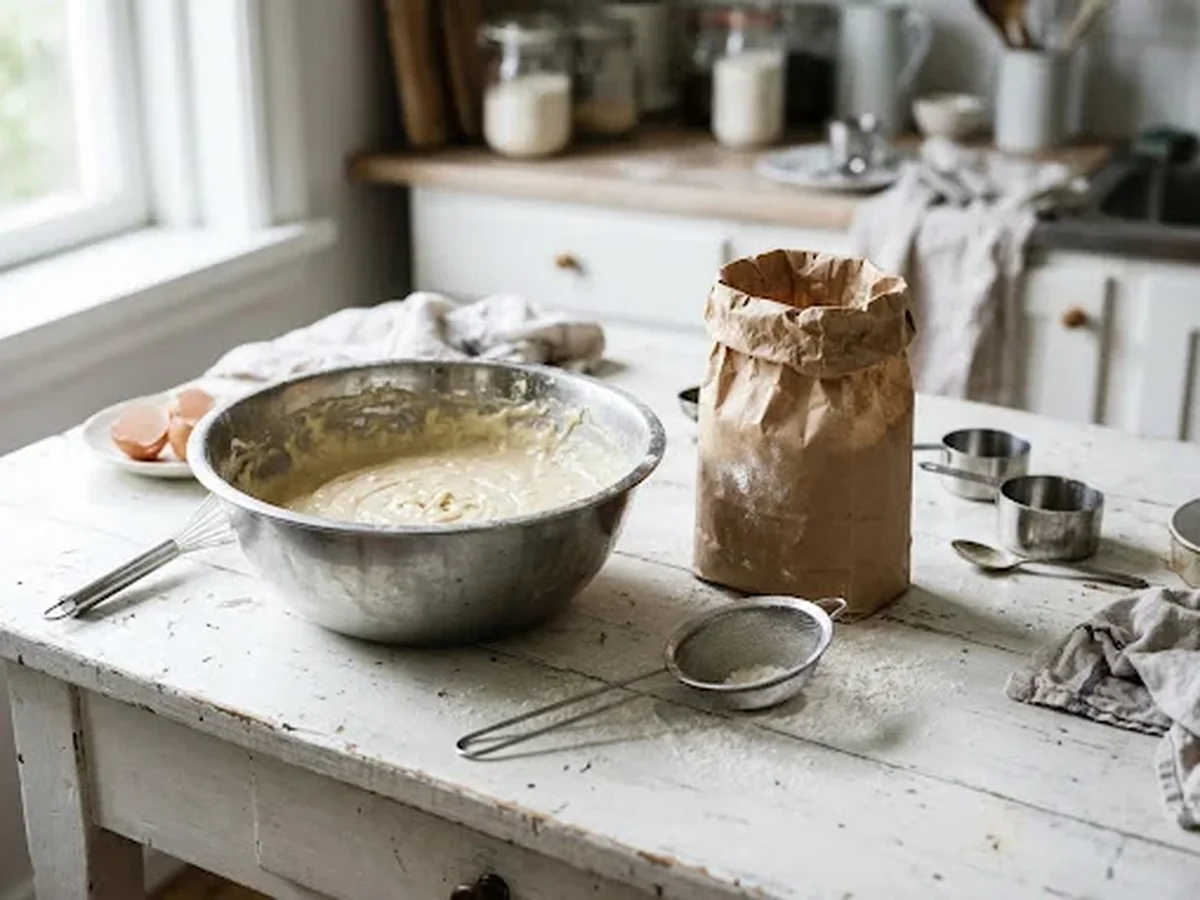
Preparing a classic pastry without the heavy grease of traditional frying offers a straightforward way to enjoy a sweet breakfast or snack. This approach relies on careful measurement, proper mixing, and standard kitchen tools to achieve a tender crumb. Whether you are baking for a calm weekday morning or preparing an elevated midday treat, understanding the mechanics of your ingredients ensures consistent results every time.
Preparing and Mixing the Components
Success begins with proper ingredient handling. Sifting dry items together helps ensure even distribution of leavening agents throughout your all-purpose flour, baking soda, and sugar. According to guidelines from Mississippi State University Extension, sifting prevents pockets of unblended leavening agents that can cause uneven rising. In some traditions, cornstarch is also added to the dry mix to adjust the overall texture of the pastry. For the fat component, vegetable shortening should be melted and cooled slightly before being added to batter, as noted in educational materials from the University of Tennessee. This specific temperature control prevents the fat from cooking the eggs or prematurely activating the baking soda.
When combining your wet and dry elements, gentle handling is essential. Overmixing develops gluten in the flour, which turns soft pastries into dense, chewy bread. Stir the mixture only until the flour pockets disappear. Letting the prepared batter rest for 10 to 15 minutes before filling the mold allows the flour to fully hydrate and the leavening agent to activate properly, improving both the rise and the interior structure.
Filling and Baking Your Pastries
Using a piping bag makes it clean and easy to fill a donut pan evenly without making a mess on the counter. Simply snip off the corner of your piping bag and squeeze the batter in a steady circle into each greased cavity. For optimal heat circulation, common guidance suggests placing your oven rack in the upper-middle position. Common kitchen practice also points toward baking vanilla buttermilk baked donuts at 375 degrees Fahrenheit, or 190 degrees Celsius, for 12 to 15 minutes until the edges turn lightly golden and the centers spring back when pressed gently.
- Sift your all-purpose flour, sugar, baking soda, and vanilla extract elements into a large bowl to eliminate lumps.
- Whisk your buttermilk and cooled vegetable shortening together in a separate container.
- Fold the wet ingredients into the dry mixture gently with a spatula until no flour pockets remain.
- Allow the finished batter to rest on the counter for 10 to 15 minutes to improve the final texture.
- Transfer the rested batter into a piping bag to control the flow into your donut pan.
Understanding the Science of Baked Pastries
Home bakers often wonder how baked variations compare to deep-fried versions. While fried treats rely on submerging dough in hot oil, baked styles cook via ambient oven heat. Buttermilk plays a dual role in this process. Its acidity reacts with baking soda to create carbon dioxide gas bubbles, which lift the batter and create a light crumb. This chemical reaction requires precise measurement so the pastry retains its structure without tasting soapy or dense.
Baking Temperature, Duration, and Oven Positioning
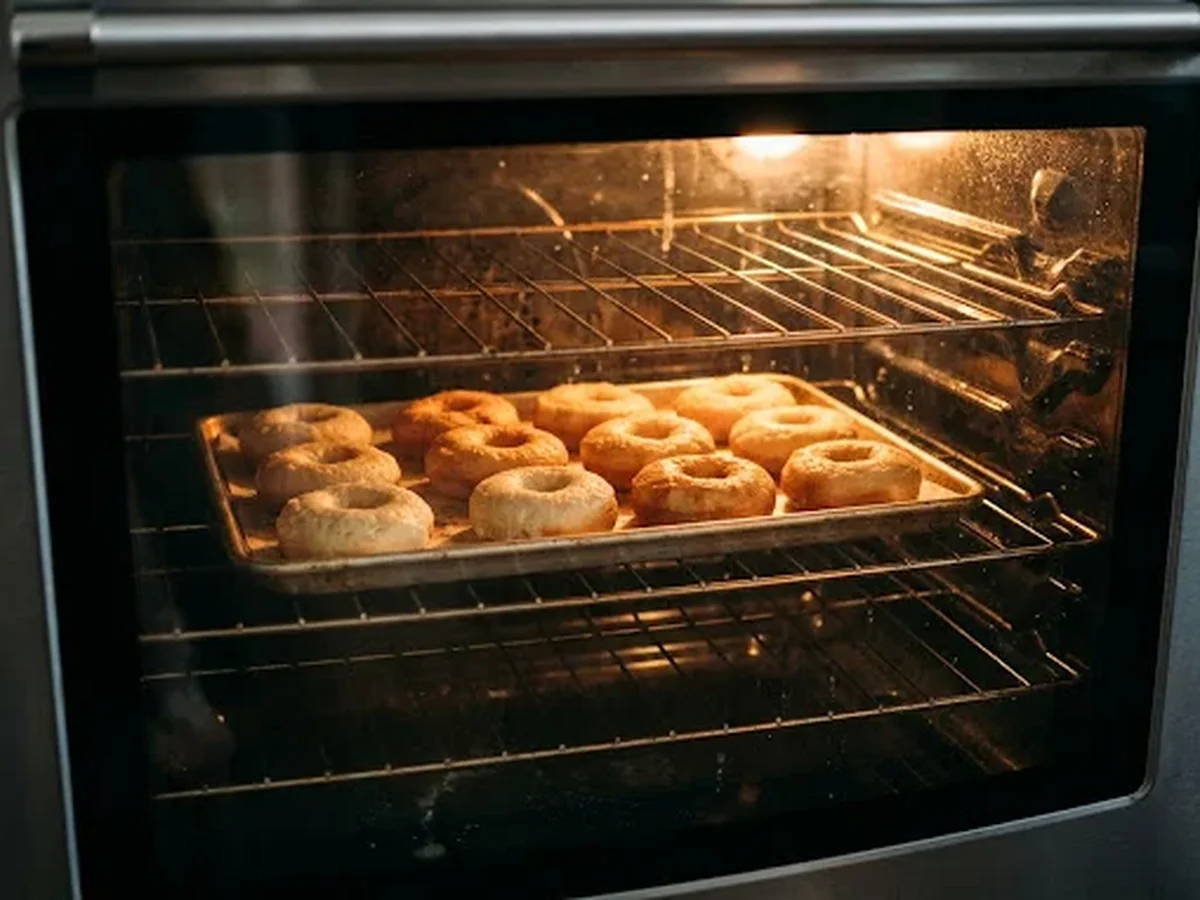
Common guidance suggests that vanilla buttermilk baked donuts should be prepared at 375 degrees F (190 degrees C) to achieve a properly set crumb. This heat level helps the leavening agents react efficiently with the dairy and all-purpose flour. Typical practice requires 12 to 15 minutes in the oven for these treats to finish baking, yielding a light texture that contrasts with traditional fried varieties. Home bakers of varying skill levels who want an easy buttermilk baked donuts recipe without guesswork need to focus on precise heat control.
Optimizing Oven Placement and Timer Settings
The oven rack should be in the upper-middle position for baking donuts to ensure even heat circulation around your donut pan. Placing the pan too low can cause the bottoms to brown too fast before the interiors fully cook. Monitoring both rack placement and timer settings prevents uneven heat distribution. A common mistake when learning the proper preparation for baked treats is opening the oven door too early, which lets out ambient heat and causes the delicate crumb to collapse prematurely.
Essential Preparation Steps for Batter Consistency
Proper technique begins before the batter ever touches the pan. Sifting dry ingredients together helps ensure even distribution of leavening agents like baking soda before they meet the wet components. Additionally, vegetable shortening should be melted and cooled slightly before being added to batter to maintain the correct fat emulsion without cooking the eggs or altering the texture of your vanilla buttermilk baked donuts.
Baked Versus Fried Texture
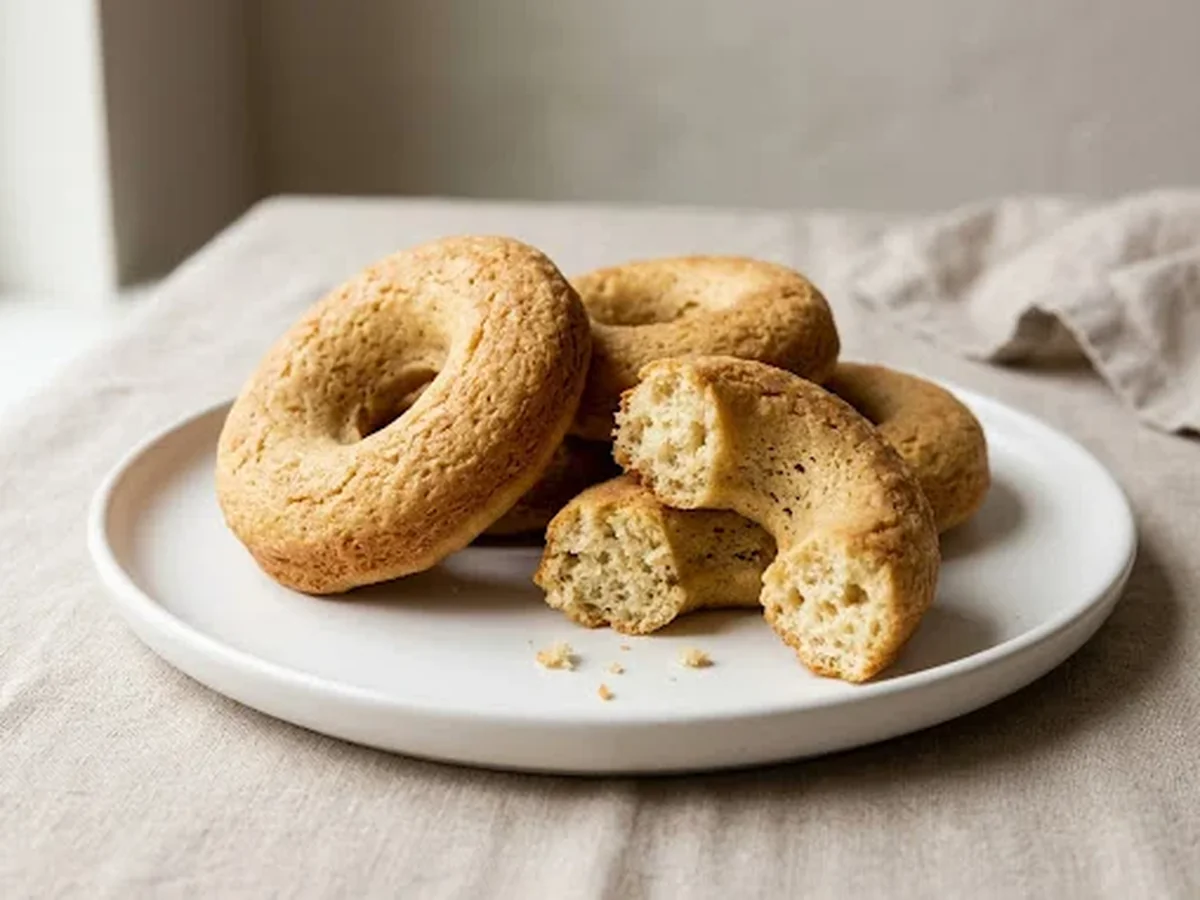
Baked versus fried donut texture differs significantly because oven cooking creates a tender, cake-like crumb, whereas hot oil produces a crisp, absorbent crust. When preparing sweet vanilla-infused oven treats, the heat of the oven sets the batter in a mold instead of searing the exterior in fat. This method yields a lighter mouthfeel that is closer to a fine crumb quick bread than a traditional yeast or cake doughnut from a bakery fryer. Home bakers seeking an approachable weekday breakfast or midday snack often choose this method to reduce heavy oil absorption while still enjoying a sweet treat.
| Attribute | Baked Method | Fried Method |
|---|---|---|
| Cooking Medium | Oven heat | Hot oil immersion |
| Crumb Structure | Tender and cake-like | Dense with a fried crust |
| Fat Content | Lower overall fat | Higher oil absorption |
| Exterior Finish | Soft, matte surface | Crispy, golden outer layer |
How the Cooking Process Shapes the Crumb
The chemical and physical changes inside the oven differ entirely from immersion frying. Sifting dry ingredients together helps ensure even distribution of leavening agents throughout the all-purpose flour and baking soda, which supports an even rise and uniform crumb. When preparing the liquid components, vegetable shortening should be melted and cooled slightly before being added to batter so it incorporates smoothly without pre-cooking the eggs. Placing the oven rack in the upper-middle position helps ensure optimal heat circulation around the donut pan, while typical guidance suggests baking at 375 degrees Fahrenheit for 12 to 15 minutes.
Achieving Exterior Crispness Without a Fryer
Because oven heat lacks the aggressive searing power of boiling oil, the exterior of a baked treat naturally emerges softer and more matte. To adjust texture and help firm up the outer crust during the baking process, cornstarch is sometimes added to donut batter. Home bakers can also brush the warm surface with melted butter or dip the treats into simple sugar syrups shortly after baking to replicate a richer mouthfeel and satisfy the expectation of a classic bakery style finish.
Common Mistakes and Practical Adjustments
A frequent error when making these baked goods involves overfilling the mold, which destroys the center hole and yields an irregular shape. Using a piping bag helps distribute the batter evenly into each cavity without making a mess. Avoid opening the oven door too early during the baking cycle, as a sudden drop in temperature can cause the center of the treats to deflate before the structure fully sets.
Finishing Touches, Glazes, and Storing Your Treats

Completing your homemade breakfast pastries involves choosing between a light sugar dusting and a simple vanilla glaze, followed by proper storage to maintain freshness. Finishing pastries properly prevents the crumb from drying out while adding the right level of sweetness to complement the tangy batter.
To apply an even coating of confectioners’ sugar without creating a messy countertop, place your cooled breakfast treats inside a clean paper bag with the sweet powder and shake gently. This method coats every curve of the pastry efficiently. Alternatively, a simple vanilla glaze combines powdered sugar with a splash of milk and vanilla extract, creating a smooth finish that sets quickly into a classic sweet shell as it sits at room temperature.
- Dusting pastries in a paper bag prevents uneven clumping and ensures every curve gets an even layer of confectioners’ sugar.
- Simple vanilla glazes harden slightly at room temperature, providing a traditional bakery texture without deep-frying.
- Keeping these homemade baked treats in an airtight container at room temperature helps maintain their soft crumb for a couple of days.
- Freezing unglazed rings allows you to enjoy fresh breakfast treats later by simply thawing and reheating them briefly in the oven.
A common mistake when finishing baked goods is applying a glaze while the surface is still hot, which causes the sugar mixture to melt completely and run off instead of setting. Always allow your treats to cool completely on a wire rack before applying any toppings. If you plan to store them for more than two days, keep them unglazed in the refrigerator or freezer, then add fresh glazes or dusting right before serving.
Frequently Asked Questions About Homemade Baked Donuts
What does buttermilk do in donuts?
Buttermilk reacts with baking soda to create carbon dioxide gas, which acts as a leavening agent that helps the batter rise. This acidic dairy ingredient also breaks down gluten strands, resulting in a tender and fluffy crumb rather than a dense cake.
How do you make baked buttermilk donuts?
You can easily prepare homemade vanilla buttermilk treats by whisking together dry ingredients like all-purpose flour, sugar, and baking soda, then mixing in wet components including melted vegetable shortening, vanilla extract, and buttermilk. Sifting dry ingredients together helps ensure even distribution of leavening agents before everything goes into a greased donut pan. Common baking guidance suggests placing your pan in the oven at 375 degrees Fahrenheit for 12 to 15 minutes.
Do baked donuts taste the same as fried donuts?
Baked versions offer a lighter taste and a cake-like crumb because they lack the heavy oil absorption of deep-fried pastries. While they taste slightly different due to the lack of a greasy outer crust, you can still achieve a sweet and satisfying flavor profile using vanilla extract and a sugary glaze.
Can you substitute milk if you do not have buttermilk?
You can make a quick substitute by adding a tablespoon of lemon juice or white vinegar to a cup of regular milk and letting it sit for five minutes. This homemade sour milk mimics the acidity needed to react properly with your baking soda and keeps the final treat fluffy.
Why is a piping bag useful for this recipe?
A piping bag allows you to squeeze the batter evenly into each cavity of the donut pan without making a mess. This tool gives you uniform rings, which ensures that every pastry bakes at the exact same rate in the oven.
Conclusion
Baking sweet treats at home requires very little equipment and brings immense satisfaction. Feel free to experiment with different flavor extracts, spice additions, and pan preparation methods to make the recipe your own. Preparing a batch of homemade oven-baked pastries offers a rewarding kitchen project that anyone can master with basic tools.
Sources: stewart.tennessee.edu, 4h.extension.msstate.edu
You might also like: Homemade Maple Apple Butter Recipe: Cozy Fall Spread