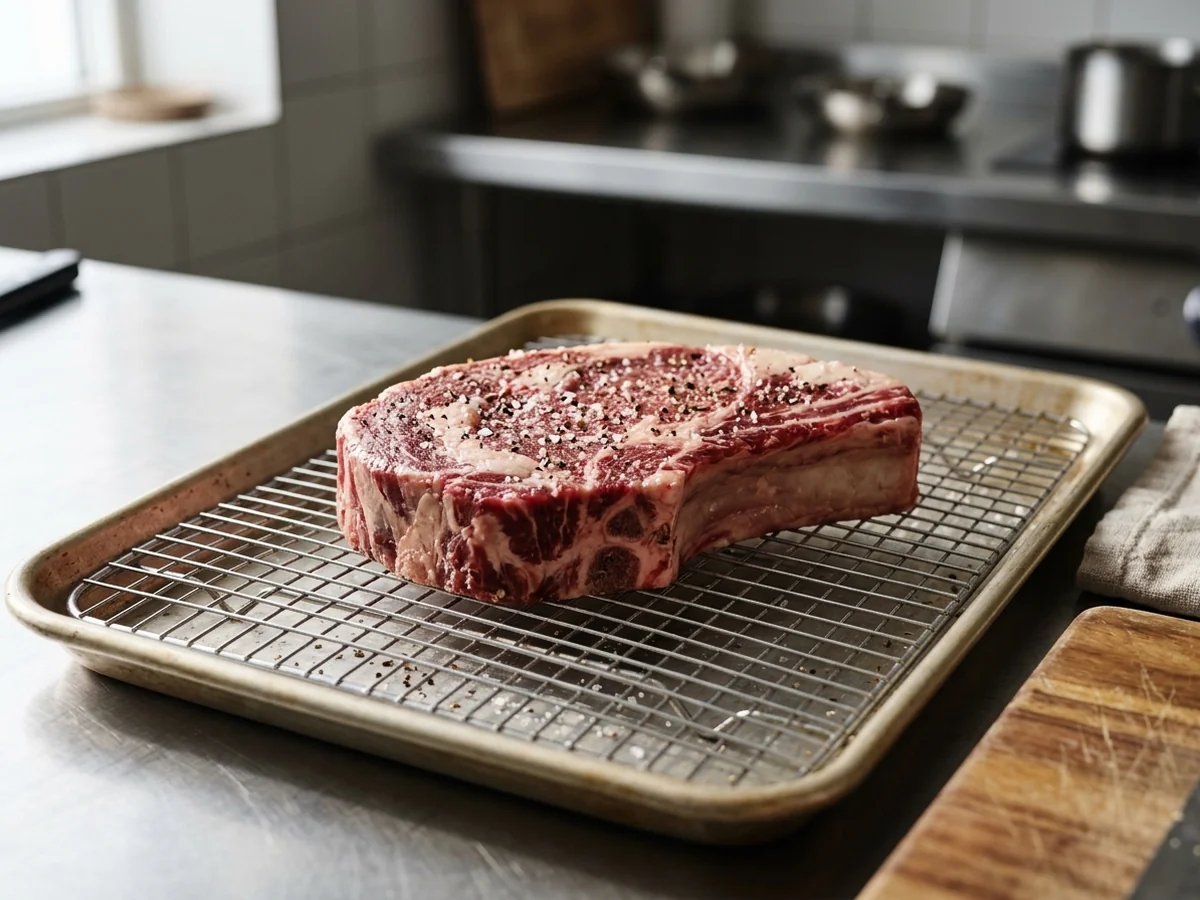
How to Make an Epic Rib Eye Steak Like a Pro
Introduction
To prepare an exceptional rib eye steak, you must focus on high-heat searing to develop a deep crust while maintaining precise control over the internal temperature. Mastering the rib eye steak requires understanding its unique muscle structure and applying techniques that honor its natural marbling.
This guide provides the essential knowledge needed to select and cook this cut with professional results. You will learn about the anatomical composition of the longissimus dorsi muscle, how this cut relates to prime rib, and the specific preparation steps required to achieve restaurant quality at home. We also explore the official designation of the rib eye as the state steak of Oklahoma and offer practical tips for seasoning, searing, and resting your beef to ensure a perfect, juicy finish every time.
Understanding the Rib Eye
The rib eye steak is widely recognized for its robust flavor and distinct texture, qualities that make it a favorite for home cooks aiming for high quality results. Sourced from the rib section of cattle, this cut is primarily composed of the longissimus dorsi muscle, according to research published by the National Center for Biotechnology Information. Beyond this primary muscle, rib eye steaks typically contain the complexus and spinalis muscles, which contribute to the rich marbling and varied texture profile of the cut.
While the anatomical structure defines the steak, its culinary identity is also shaped by how it is processed. It is generally understood that the rib eye is essentially identical to prime rib, with the primary distinction being that the rib eye is prepared without the bone. This boneless format is a hallmark of the cut, though naming conventions shift geographically. In Australia and New Zealand, for instance, it is commonly referred to as Scotch fillet. Furthermore, the cut holds specific cultural significance in the United States, where it serves as the official state steak of Oklahoma, as designated by the state legislature.
Understanding these characteristics is essential for anyone learning how to cook ribeye steak properly. Because the cut features multiple muscle groups with varying levels of fat distribution, consistent heat management is required to render the marbling effectively. Home cooks often overlook the importance of the resting period, which allows the muscle fibers to relax and retain juices, or they fail to achieve a proper sear due to moisture on the surface of the meat. To better distinguish this cut from others like sirloin, consider the following breakdown of its composition and identity:
| Characteristic | Typical Details |
|---|---|
| Primary Muscle | Longissimus dorsi |
| Additional Muscles | Spinalis, complexus |
| International Name | Scotch fillet (Australia, New Zealand) |
| Cultural Status | Official state steak of Oklahoma |
Whether you choose to pan sear ribeye or grill it, the goal remains the same: balancing the intense heat needed for the maillard reaction on the exterior with the control required to hit the desired internal temperature. By respecting the anatomical complexity of the rib eye, you ensure that each meal remains tender, flavorful, and consistent with professional standards.
Selecting the Best Rib Eye
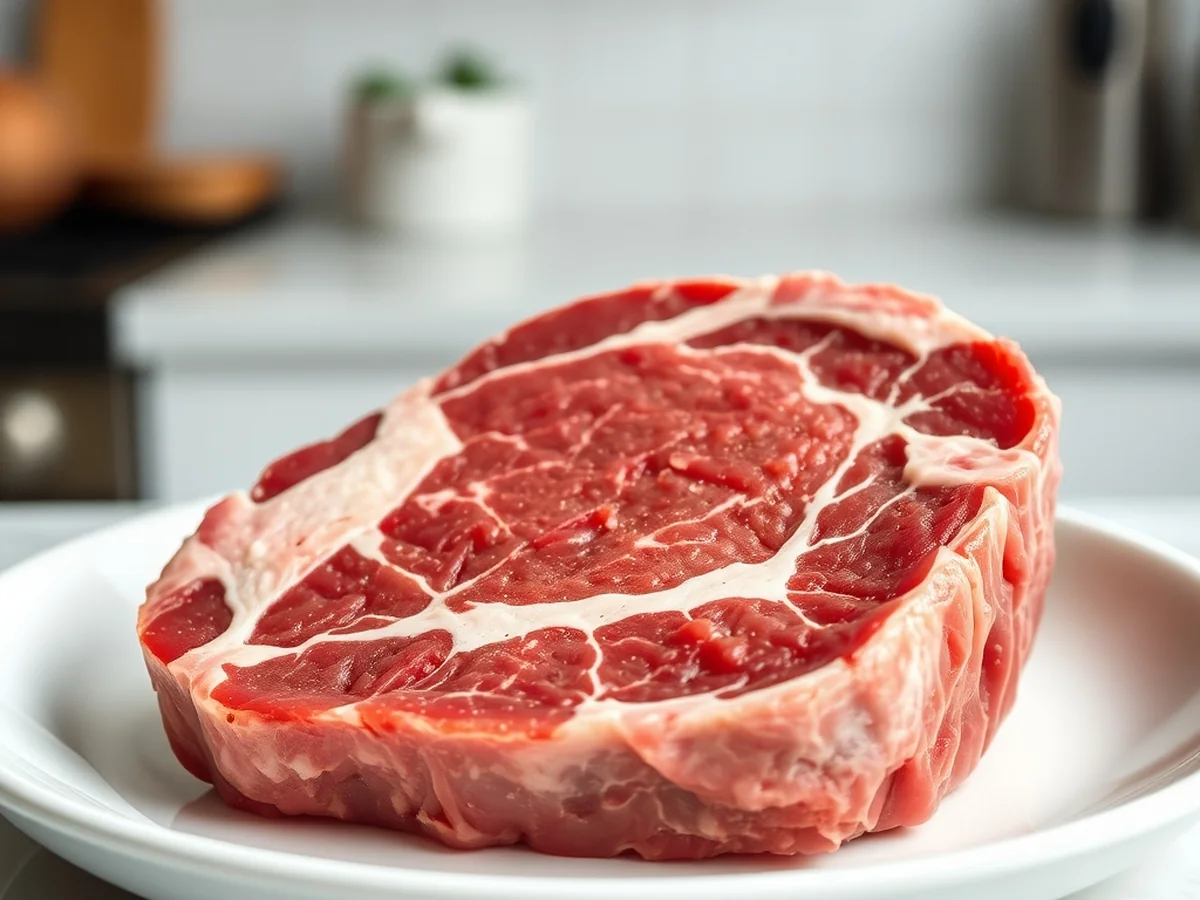
To select an exceptional piece of meat, you must first understand that a rib eye steak is a boneless cut sourced from the rib section of cattle. This area is prized by chefs for its tenderness and marbling, which contribute significantly to the final flavor and texture of the dish.
The primary component of this cut is the longissimus dorsi muscle. This muscle is responsible for much of the structure and tenderness that defines the eating experience. Because it is a muscle that does not perform heavy work for the animal, it remains tender even after quick cooking methods like searing.
Beyond the primary muscle, you will typically find two additional structural components within the cut:
- The complexus muscle, which sits alongside the main eye of the meat.
- The spinalis dorsi, often called the rib eye cap, which is prized for its intense flavor and soft texture.
It is helpful to recognize that the rib eye is essentially the boneless version of a prime rib roast. While the terminology can change depending on where you are, for instance, it is commonly known as a Scotch fillet in Australia and New Zealand, the anatomical origin remains the same. In the United States, the quality of this cut is so highly regarded that it has even been officially designated as the state steak of Oklahoma.
Rib Eye Cooking Methods
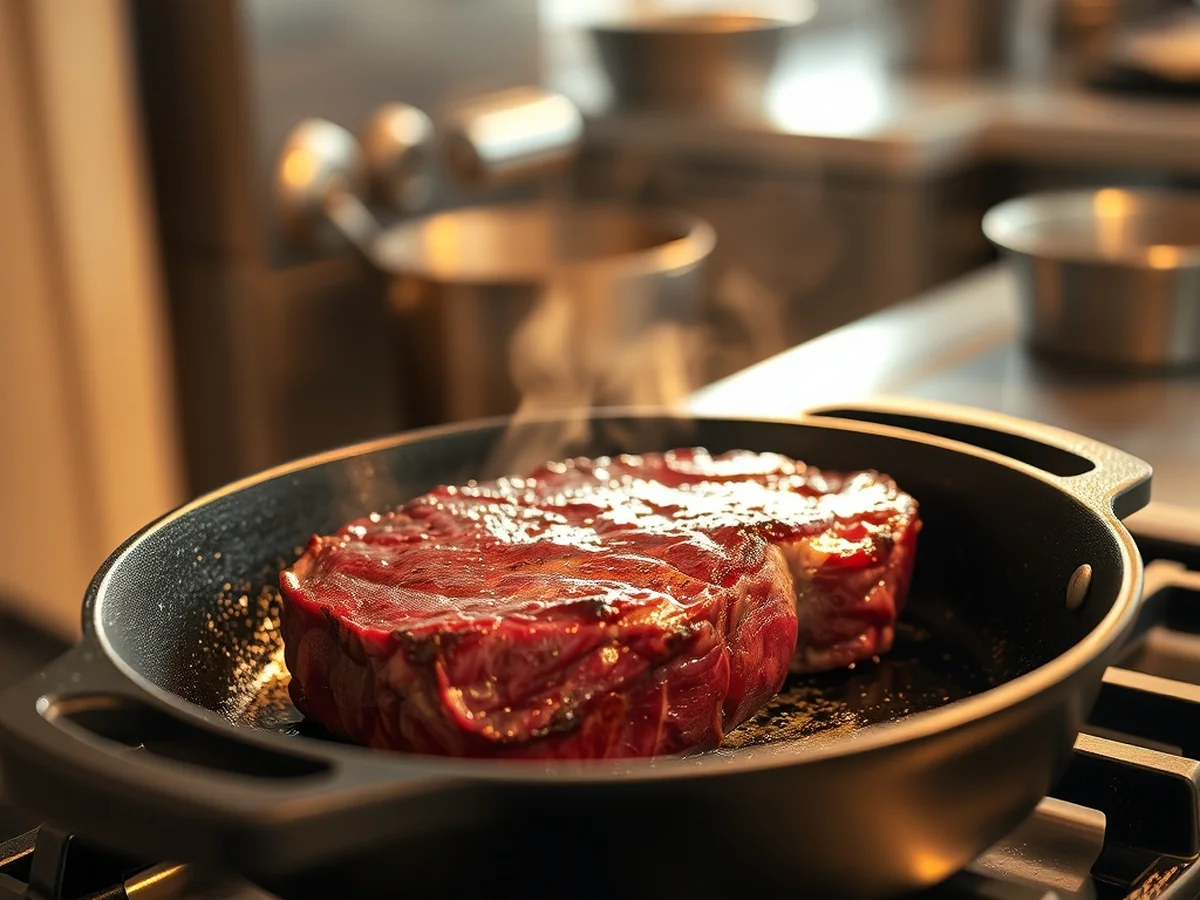
Achieving a professional result starts with understanding the anatomy and classification of this popular cut. While techniques vary, the core muscle structure remains the primary factor in how heat affects the final texture.
This beef cut is primarily composed of the longissimus dorsi muscle. It is also common practice to recognize the presence of the complexus and spinalis muscles, which contribute to the flavor and marbling that define the eating experience.
Terminology for this section of beef changes depending on your location. It is common practice to refer to this cut as Scotch fillet in Australia and New Zealand. Additionally, the cultural significance of this cut is formally recognized in the United States, as the rib eye is the official state steak of Oklahoma.
Many home cooks often confuse this boneless cut with other rib-based roasts. In culinary practice, a rib eye is essentially identical to prime rib, but it is prepared without the bone. The following breakdown clarifies how this cut is classified in the kitchen:
- It is widely considered a boneless rib steak derived from the rib section of the animal.
- The absence of the bone distinguishes it from a traditional prime rib roast.
- Its composition of specific muscles makes it highly prized for high heat preparation methods.
Understanding these distinctions helps when selecting the best piece for your meal. Whether you are searing it on a stovetop or utilizing other dry heat methods, knowing that you are working with the longissimus dorsi muscle allows for more precise control over the cooking process.
Ribeye vs Sirloin Comparisons
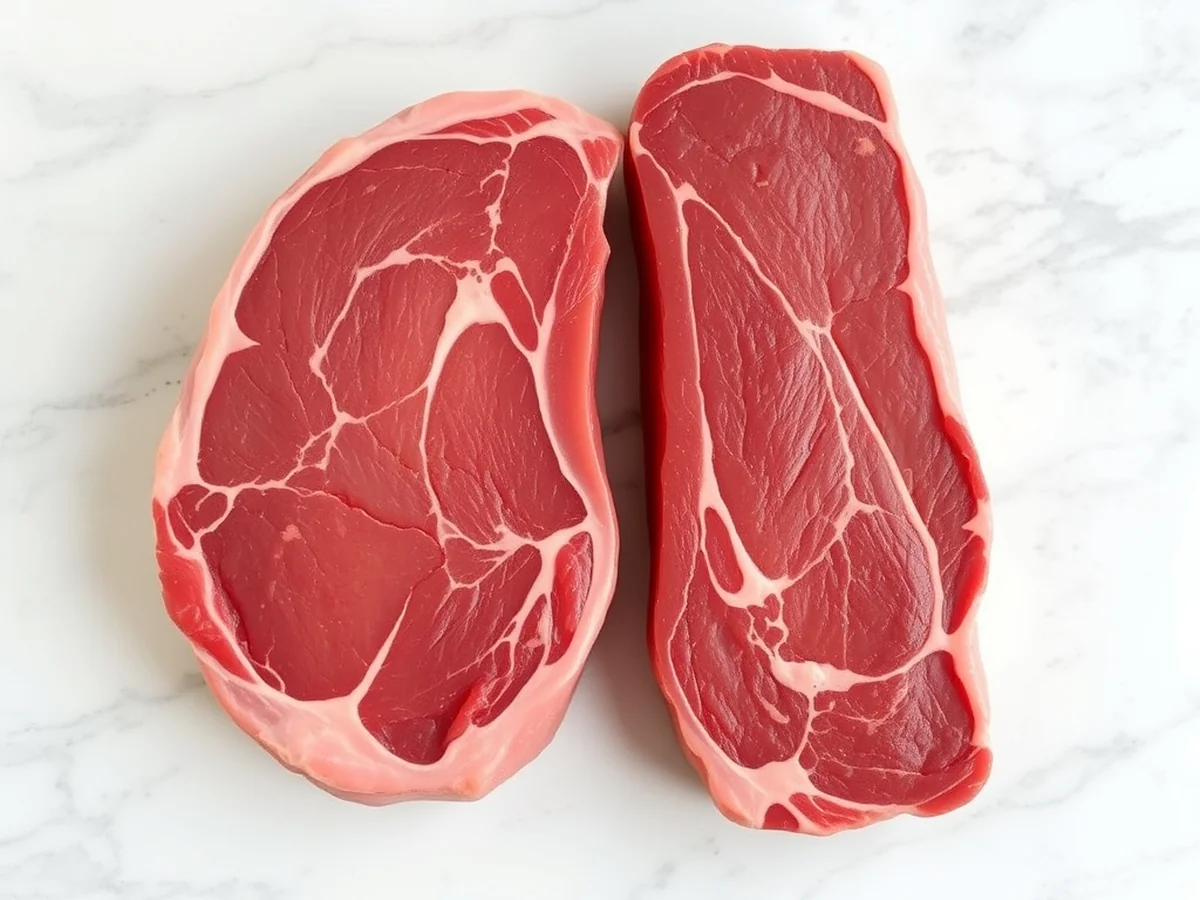
Distinguishing between a rib eye steak and sirloin requires understanding their anatomical origin. A rib eye is a boneless steak sourced from the rib section of the animal. It is primarily composed of the longissimus dorsi muscle, though it typically includes the complexus and spinalis muscles as well. Because this area of the cattle experiences minimal movement, the resulting cut is known for its high level of intramuscular fat, or marbling. In contrast, the sirloin comes from the hip area, a region that works harder during the animal’s life. This makes sirloin a leaner, firmer cut with a different flavor profile compared to the rich, buttery characteristics of a ribeye.
| Feature | Ribeye | Sirloin |
|---|---|---|
| Marbling | High | Moderate to Low |
| Texture | Tender | Firm |
| Best Cooking Method | High-heat searing | Grilling or pan-roasting |
| Flavor Intensity | Rich and buttery | Deep and beefy |
When preparing these cuts, the primary goal is to match your technique to the meat structure. Ribeye, with its abundant fat, thrives in a cast iron skillet where high-heat searing can trigger the Maillard reaction, developing a deep crust while rendering the fat. A common mistake with ribeye is undercooking it, as the fat needs sufficient heat to soften and become palatable. Conversely, sirloin requires more careful monitoring. Because it is leaner, it can quickly become dry or tough if overcooked. Using a meat thermometer is essential for both cuts to ensure you reach your desired ribeye internal temperature without exceeding it.
Beyond texture and fat content, culinary terminology often varies by region. In Australia and New Zealand, the rib eye is frequently referred to as a Scotch fillet. Additionally, there is a common culinary association between prime rib and rib eye: a rib eye is essentially the same cut as prime rib, simply served without the bone. For those interested in regional food history, the rib eye holds a specific distinction in the United States, where it has been officially designated as the state steak of Oklahoma.
To achieve the best results at home, consider how you handle the meat before it hits the pan. Proper seasoning is vital, and allowing the steak to come close to room temperature before cooking promotes even heating. Regardless of the cut you choose, always prioritize food safety by adhering to the standards set by the USDA Food Safety and Inspection Service. After cooking, resting the steak is a non-negotiable step, as it allows the juices to redistribute throughout the muscle fibers, ensuring a tender bite every time.
Essential Preparation Techniques
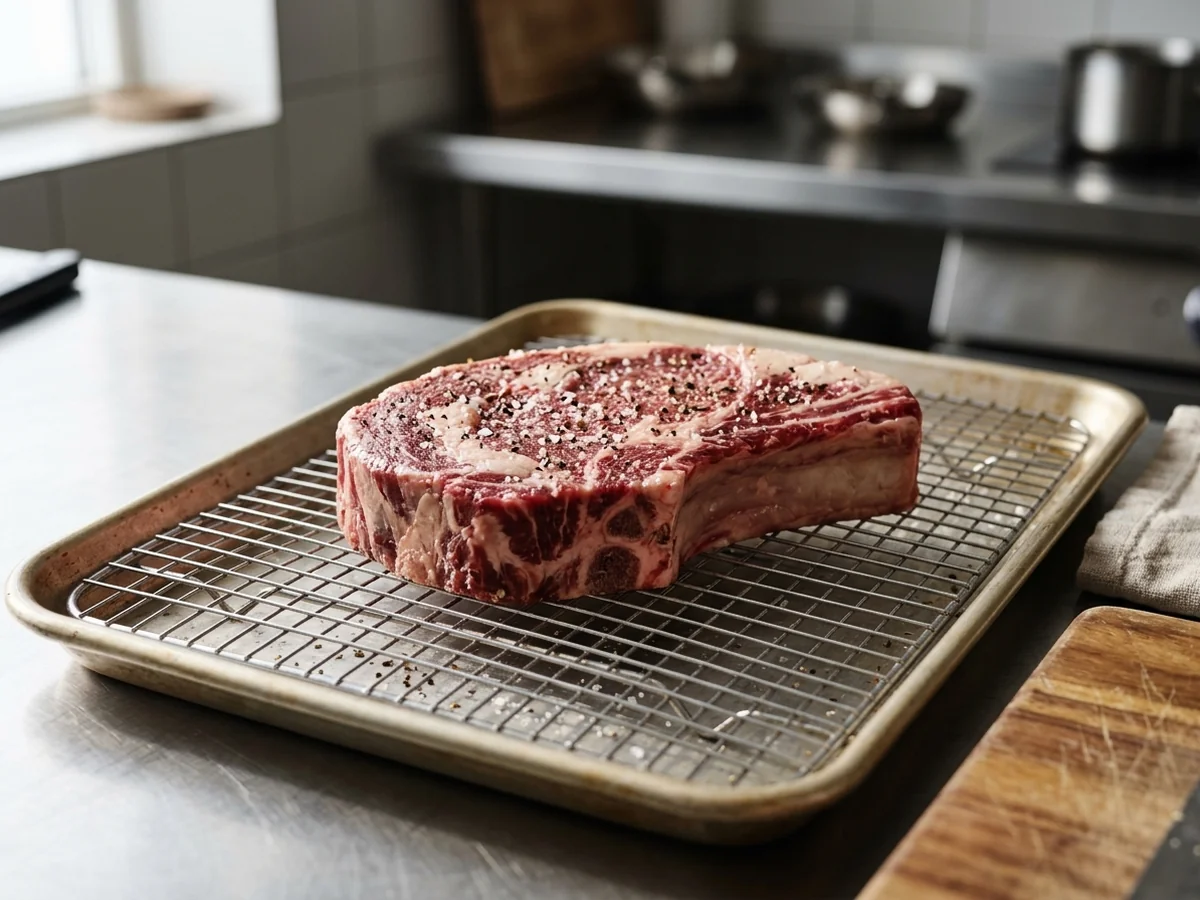
Bringing meat to room temperature ensures even heat distribution, while proper seasoning and the Maillard reaction define the flavor and texture of a perfect rib eye steak. These professional habits bridge the gap between a standard meal and a superior culinary result.
Following these steps helps manage the thermodynamics of the beef while maximizing its inherent qualities:
- Remove the steak from the refrigerator at least thirty minutes before cooking to help the center reach the target temperature faster, which prevents the exterior from overcooking while the middle stays cold.
- Pat the surface of the meat completely dry with paper towels to ensure the heat goes directly into searing the protein rather than steaming it with residual moisture.
- Apply coarse salt liberally across all sides of the beef well before you begin heating your pan, as this allows the seasoning to penetrate the dense muscle fibers.
- Use a consistent technique for the best way to season steak by focusing on high quality salt and freshly cracked pepper to highlight the rich, beefy notes of the longissimus dorsi.
- Maintain high heat until the Maillard reaction occurs, a chemical process that transforms amino acids and sugars into a complex, savory crust across the sear of the meat.
The Maillard reaction is critical for developing the deep, mahogany color that signifies a well-developed crust. When the surface temperature of the steak hits the appropriate range, these browning reactions occur rapidly, creating layers of flavor that cannot be achieved through slow, moist heat. By combining careful temperature management with a dry, well-seasoned surface, you provide the ideal conditions for this reaction to flourish, resulting in a professional sear that protects the juicy, tender interior muscles often found in this cut.
Achieving Perfect Doneness
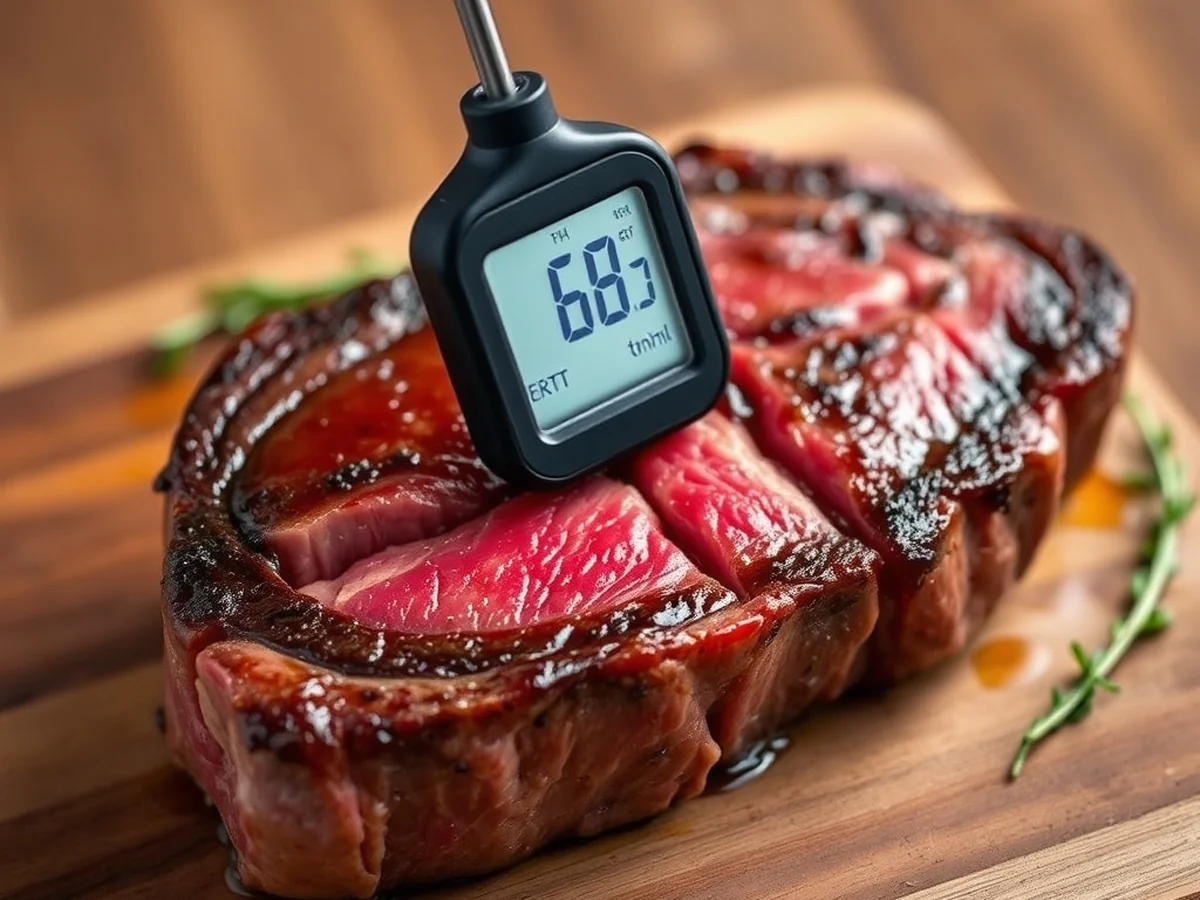
Precision is the key to consistent results, and relying on a digital meat thermometer is the only way to guarantee your preferred ribeye internal temperature. While touch tests are common, they remain unreliable due to variations in meat thickness and heat intensity. A probe thermometer removes the guesswork by providing an accurate reading of the core, ensuring the longissimus dorsi reaches your target level of doneness without overcooking.
Cooking beef involves reaching specific heat markers to balance texture and safety. According to common culinary guidance, the following ranges help you achieve your desired finish:
- Rare: 120 to 125 degrees Fahrenheit for a cool, red center.
- Medium-Rare: 130 to 135 degrees Fahrenheit for a warm, red center.
- Medium: 140 to 145 degrees Fahrenheit for a warm, pink center.
- Medium-Well: 150 to 155 degrees Fahrenheit for a slightly pink center.
- Well-Done: 160 degrees Fahrenheit or higher for a fully cooked, brown center.
Keep in mind that the beef will continue to rise in temperature by about 5 degrees after you remove it from the heat source. For the best outcome, pull the cut from the pan slightly before it hits your target number.
Once you pull the meat from the heat, the mandatory resting period is vital. Letting the beef sit on a cutting board or warm plate for at least 5 to 10 minutes allows the internal temperature to stabilize and the muscle fibers to relax. This pause ensures that the natural juices, which have migrated toward the center during the searing process, redistribute throughout the cut. If you slice into the meat too soon, those flavorful juices will spill onto the board instead of staying within the beef, leading to a drier bite. Patience during these few minutes transforms a good piece of meat into an exceptional one.
Common Cooking Mistakes
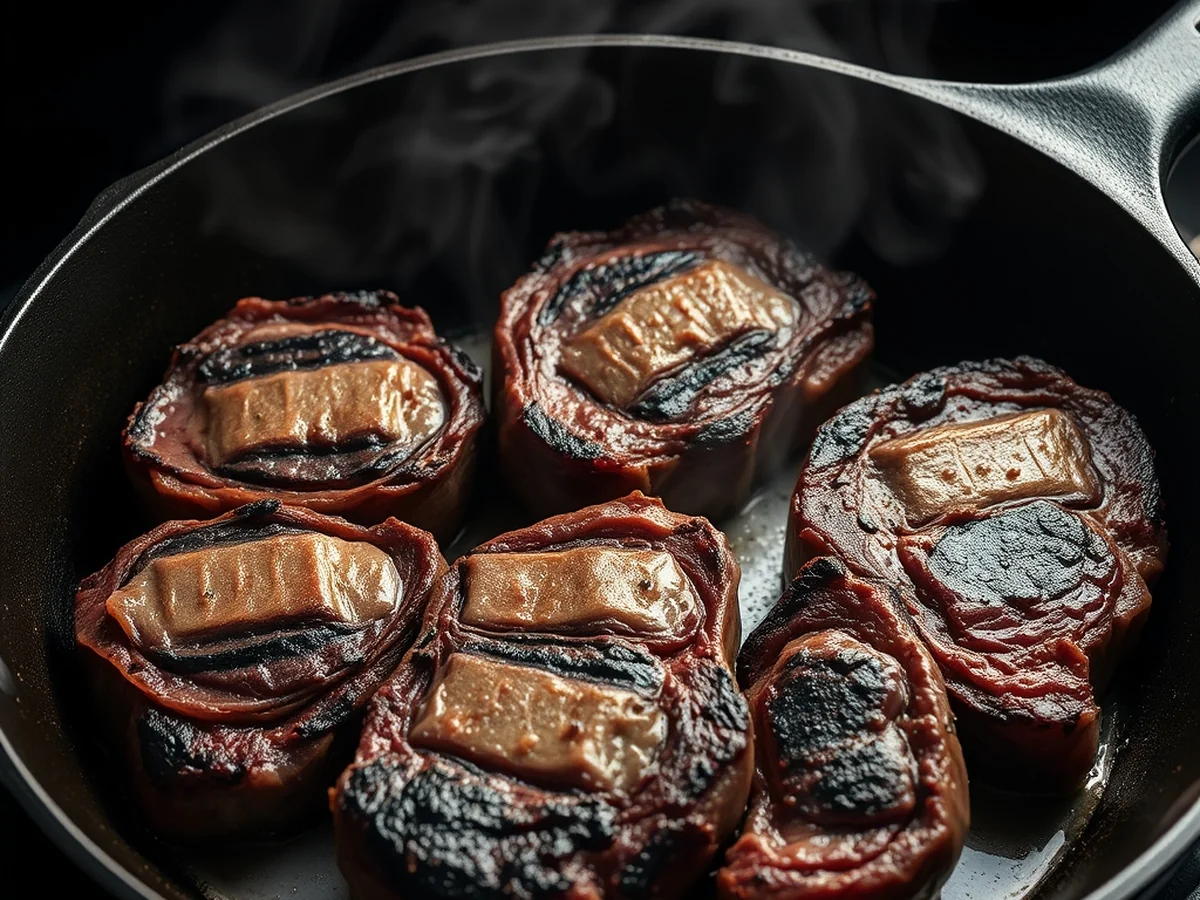
Achieving a professional result requires avoiding common technical errors that compromise texture and heat retention. These oversights often prevent a clean sear and lead to uneven cooking across the cut.
- Overcrowding your cast iron skillet lowers the surface temperature too quickly, which forces the meat to steam in its own juices rather than developing a proper crust.
- Slicing into your rib eye steak immediately after cooking causes the internal juices to redistribute unevenly, resulting in a drier bite as the moisture escapes onto the plate.
- Believing that higher beef grading standards automatically guarantee a better home cooking experience is a misconception, as proper heat control remains the most critical factor for success.
- Failing to provide an adequate resting period prevents the muscle fibers from relaxing, which is essential for maintaining the tenderness of the longissimus dorsi.
When you crowd the pan, the moisture released from the meat creates steam. This vapor prevents the maillard reaction from occurring efficiently across the surface of the beef. To maintain high heat, cook your steaks in batches or use a larger vessel that allows for significant space between each piece of meat.
Regarding moisture loss, slicing too soon is a frequent error. When meat is removed from the heat, the internal juices are concentrated in the center of the cut. Giving the steak time to rest allows these fluids to reabsorb into the muscle tissue, ensuring each bite remains succulent.
Misunderstandings about beef grading also persist among home cooks. While quality grades indicate levels of marbling and maturity, they do not dictate the specific technique required to cook the meat perfectly. You can achieve a high quality pan seared ribeye regardless of the grade, provided you use a reliable meat thermometer to monitor the internal temperature and apply consistent heat management. Focusing on these fundamentals ensures your preparation is consistent and professional, regardless of the label on the package.
Internal Temperature Guide
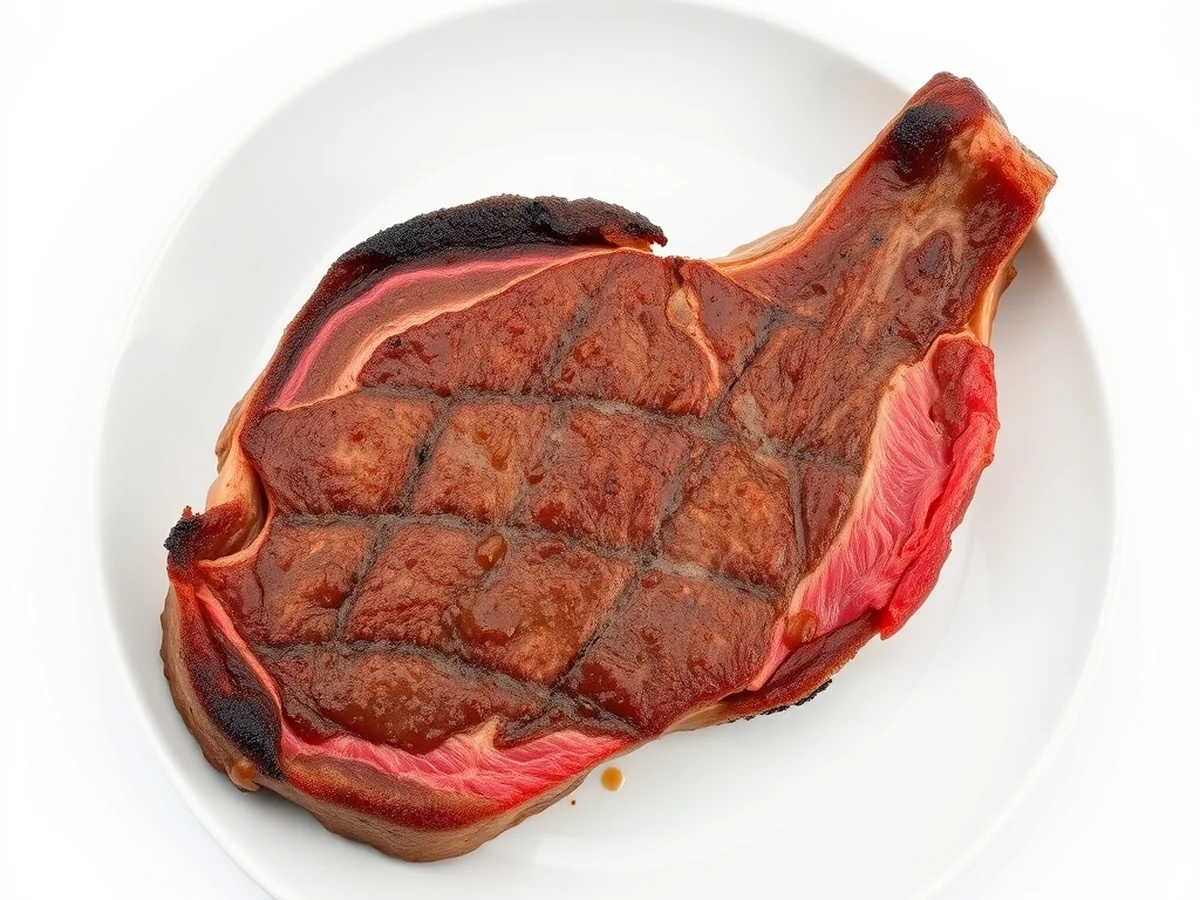
To ensure this cut is safe to consume, the USDA Food Safety and Inspection Service recommends cooking raw whole muscle beef to a minimum internal temperature of 145 degrees Fahrenheit, followed by a three minute rest period. Using an accurate meat thermometer is the only reliable way to confirm you have reached this threshold and effectively eliminated pathogenic bacteria.
When you handle raw beef, protecting your health starts with proper storage and strict hygiene. Keep the meat in the coldest part of your refrigerator, ideally in a sealed container on the bottom shelf to prevent any juices from dripping onto other food items. Always wash your hands, cutting boards, and any utensils that touch the raw product with hot, soapy water immediately after use. This practice is essential to prevent cross-contamination in your kitchen workspace.
When you decide how to cook ribeye steak, understanding the relationship between heat and doneness helps you achieve your preferred texture while maintaining safety. While the regulatory minimum provides a baseline for food safety, many home cooks prefer to monitor their progress using a thermometer to track the following common levels of doneness:
- Rare: 120 to 125 degrees Fahrenheit for a cool red center.
- Medium-rare: 130 to 135 degrees Fahrenheit for a warm red center.
- Medium: 140 to 145 degrees Fahrenheit for a warm pink center.
- Medium-well: 150 to 155 degrees Fahrenheit for a slightly pink center.
- Well-done: 160 degrees Fahrenheit and above for little to no pink.
Keep in mind that the temperature of the meat will continue to rise slightly after you remove it from the heat source due to carryover cooking. Because the longissimus dorsi muscle is tender and well-marbled, monitoring the ribeye internal temperature closely ensures you do not overcook the edges while waiting for the center to reach your target range. Always insert the thermometer into the thickest part of the meat, avoiding any bone or excess fat to get the most accurate reading.
FAQ
What exactly is a rib eye steak?
Culinary guidance typically defines this cut as a boneless piece taken from the rib section of cattle. It is the state steak of Oklahoma and is often referred to as a Scotch fillet in Australia and New Zealand.
What muscles make up a rib eye steak?
According to the National Center for Biotechnology Information, these cuts are primarily composed of the longissimus dorsi muscle. It is also common for the cut to contain the complexus and spinalis muscles.
How does a rib eye differ from prime rib?
A rib eye cut is generally considered identical to prime rib, but it is prepared without the bone. While they originate from the same section of the animal, the removal of the bone distinguishes the two.
What is the best way to determine if a steak is cooked to the right temperature?
Using a meat thermometer is the most accurate method to ensure your beef reaches the desired internal temperature. This tool helps home cooks avoid guesswork and achieve consistent results when cooking.
Why is it important to let a steak rest after cooking?
Resting the meat for several minutes after it leaves the heat allows the internal juices to redistribute. Failing to rest the beef can result in those juices escaping immediately upon slicing, leading to a drier texture.
What is the role of the maillard reaction in cooking steak?
The maillard reaction is a chemical process that occurs when proteins and sugars in the meat brown at high temperatures. This reaction is responsible for creating the deep, complex flavors and the flavorful crust desired in a high quality pan seared ribeye.
Conclusion
The final decision rests on selecting a quality cut and monitoring your heat source closely. Whether you choose to pan sear or grill, prioritize using a meat thermometer to ensure your boneless beef cut reaches the desired level of doneness safely. Your next step is to head to your local butcher or market to identify a well marbled piece of meat, then allow it to temper at room temperature before it hits the heat.
Sources: pmc.ncbi.nlm.nih.gov, oksenate.gov
You might also like: How to Make Grilled Halloumi Cheese at Home