Homemade Maple Apple Butter Recipe: Cozy Fall Spread
Introduction to Homemade Maple Apple Butter
Making maple apple butter transforms fresh autumn fruit into a thick, spiced spread that brings warmth to your kitchen. Simmering seasonal fruit is a comforting culinary ritual that turns simple produce into a rich pantry staple.
You will learn how to manage cooking times, balance flavors, and achieve the ideal texture for your homemade preserves. The entire process fills your home with inviting aromas while guiding you toward a smooth, perfectly reduced spread.
Selecting the Best Apples for Your Spread
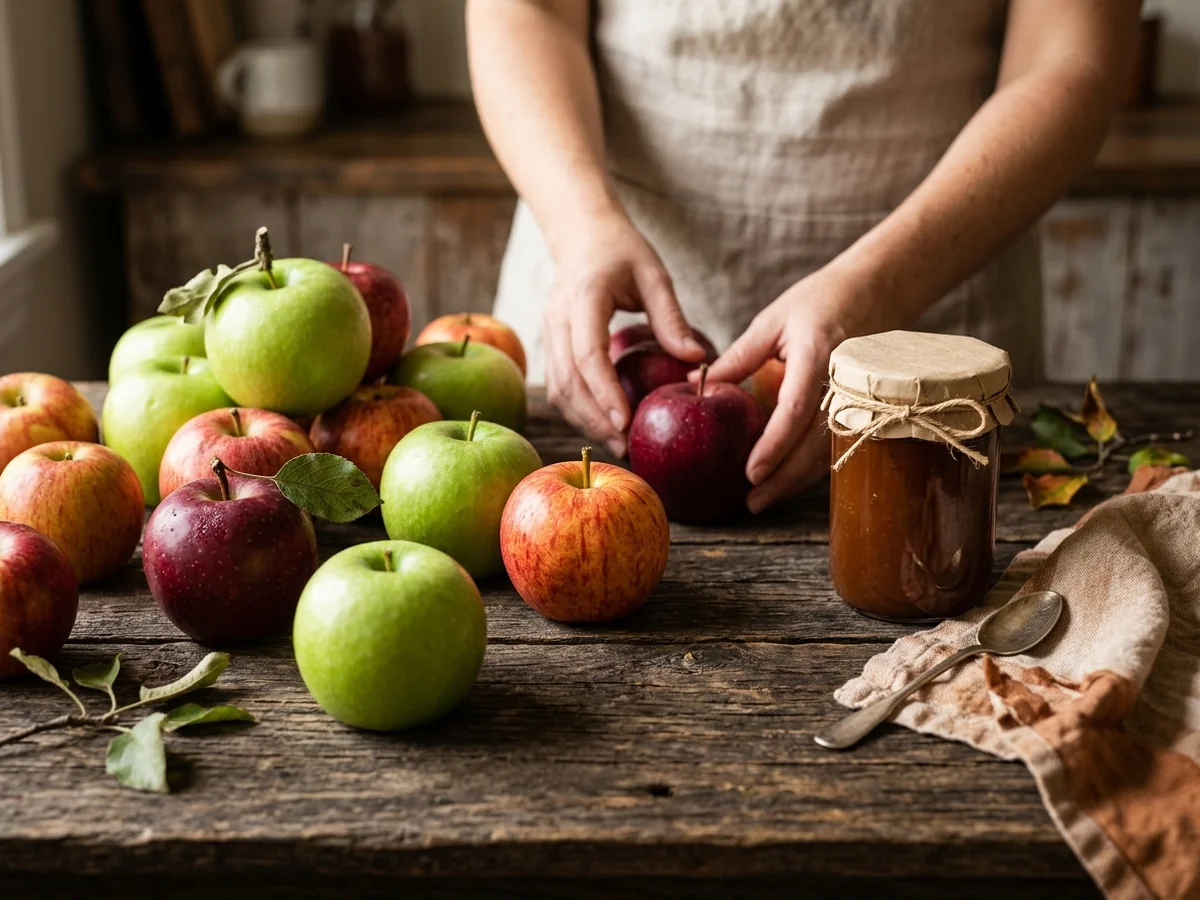
Choosing the right fruit involves balancing natural pectin levels and sugar content to complement pure maple syrup without overwhelming the palate. Different cultivars break down at varying rates during cooking, directly influencing the thickness and texture of your finished preserve. When crafting a batch of old fashioned maple apple butter, selecting the proper produce dictates both the flavor complexity and the final yield of your slow cooker apple butter recipe.
Mix sweet and tart fruits to build a complex flavor profile that stands up to rich autumn sweeteners. Here are the most effective fruit selection strategies for your batch:
- Combine high pectin cultivars like Granny Smith and Honeycrisp to achieve a naturally thick consistency without extra thickeners.
- Pair intensely sweet varieties with sharper tart options so the final spread maintains a balanced taste.
- Select firmer fruits that hold their structure initially before breaking down smoothly into a velvety puree.
- Incorporate heirloom varieties when available to introduce subtle floral or vinous notes into the mixture.
- Avoid mealy fruits because they lack the necessary cellular structure to create a rich fruit butter.
- Balance the deep caramel notes of pure maple syrup by leaning on sharper, acidic flesh profiles.
Understanding why certain cultivars work better than others prevents common kitchen mishaps. A frequent mistake is relying entirely on overly sweet or soft apples, which results in a flat flavor profile and a watery sauce that refuses to thicken properly. Firmer varieties provide the cellular structure needed for long simmering times, while acidic fruits add brightness that cuts through the rich sweetness of your maple sweetened apple butter.
To put this into practice at home, follow these steps during your shopping trip. First, look for a blend containing at least two distinct types of apples, pairing a tart green variety with a crisp red option. Second, test the firmness by pressing your thumb gently against the skin; any fruit that yields easily or feels spongy should be left behind. Third, avoid buying pre bagged mixed apples unless you can inspect individual items for bruising and mealiness, as damaged fruit introduces excess water and spoils the texture of your homemade maple apple butter spread.
Essential Ingredients and Sweetener Selection
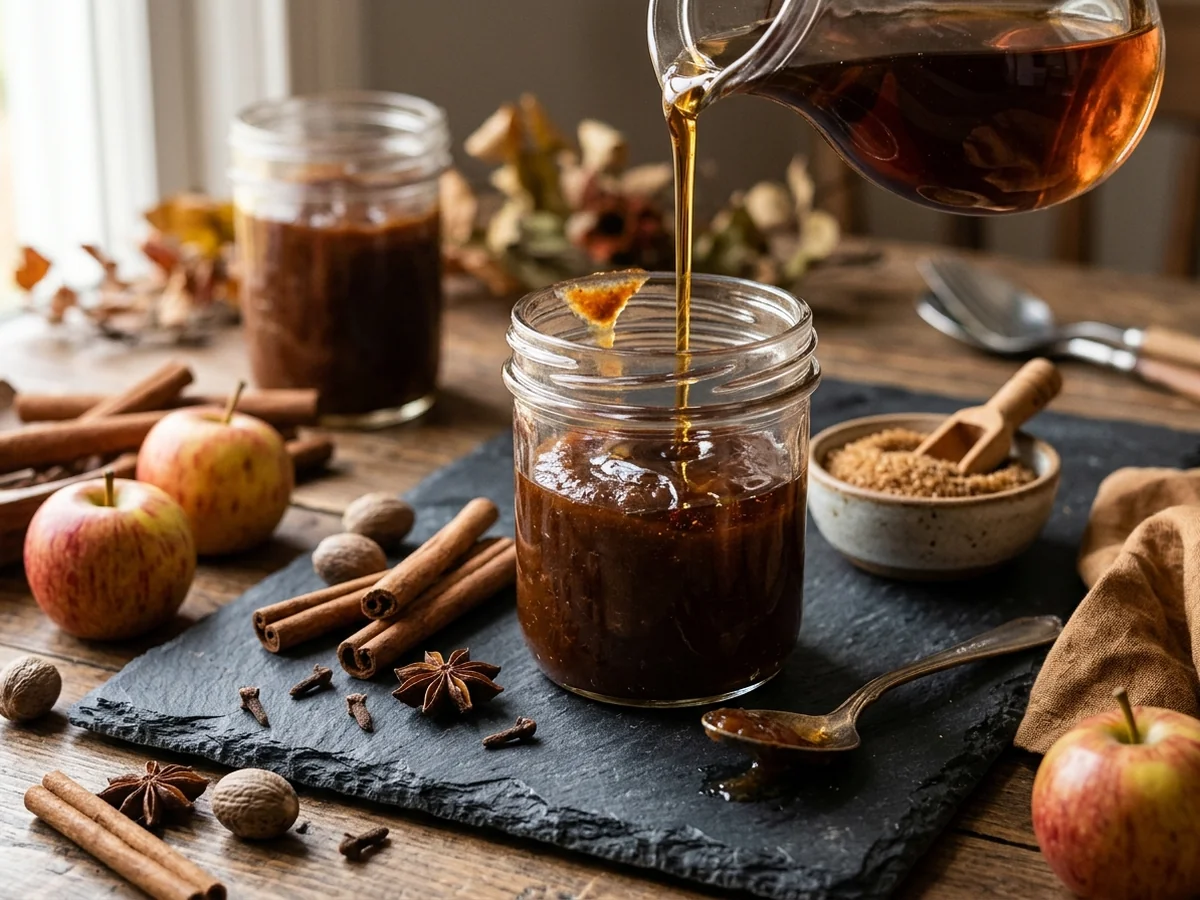
Crafting a batch of maple sweetened apple butter relies on choosing the right harmony of fresh fruit, unrefined liquid sweeteners, and fragrant autumn spices. Using pure maple syrup provides a deep, woodsy flavor profile that standard refined white sugar simply cannot match. This natural liquid sweetener blends seamlessly into the fruit puree, imparting caramel notes during the simmering process without overpowering the natural fruit flavors.
Selecting Fruit and Natural Sweeteners
Building a well-balanced spread starts with understanding how each component interacts during long cooking times. Fresh fruit varieties form the primary bulk and natural pectin structure needed for a thick, spreadable consistency. Pure maple syrup delivers a smooth, distinctively rich sweetness that elevates the flavor profile beyond traditional cane sugar, making it an excellent choice for a slow cooker apple butter recipe. Ground cinnamon provides the quintessential warm spice note associated with comforting autumn baking, while additional aromatic spices enhance overall depth.
Balancing Acidity and Moisture
When selecting your components, thoughtful preparation prevents common mistakes such as a watery final texture or an overly cloying taste. Swarthmore College recommends adding 1 tablespoon of lemon juice to the slow cooker batch for optimal brightness and acidity balance. Incorporating the lemon juice early on ensures the bright notes permeate the entire batch, cutting through the rich maple undertones for a truly harmonious spread.
Avoid adding extra liquids during the early stages of cooking, because apples release a significant amount of natural moisture as they break down. If your mixture looks too thin after long simmering, removing the lid allows excess moisture to evaporate effectively.
Essential Components Overview
| Component Type | Primary Purpose | Key Considerations |
|---|---|---|
| Fresh Fruit | Provides bulk, natural sugars, and pectin structure | Choose varieties that break down smoothly during cooking |
| Pure Maple Syrup | Delivers unrefined sweetness and rich caramel depth | Add gradually to match your preferred sweetness level |
| Lemon Juice | Balances sweetness and introduces vibrant acidity | Add 1 tablespoon to the slow cooker batch as recommended by Swarthmore College |
| Warm Spices | Adds aromatic complexity and autumn flavor | Balance cinnamon and other spices so they do not mask the fruit |
Mastering the Slow Cooker Apple Butter Technique
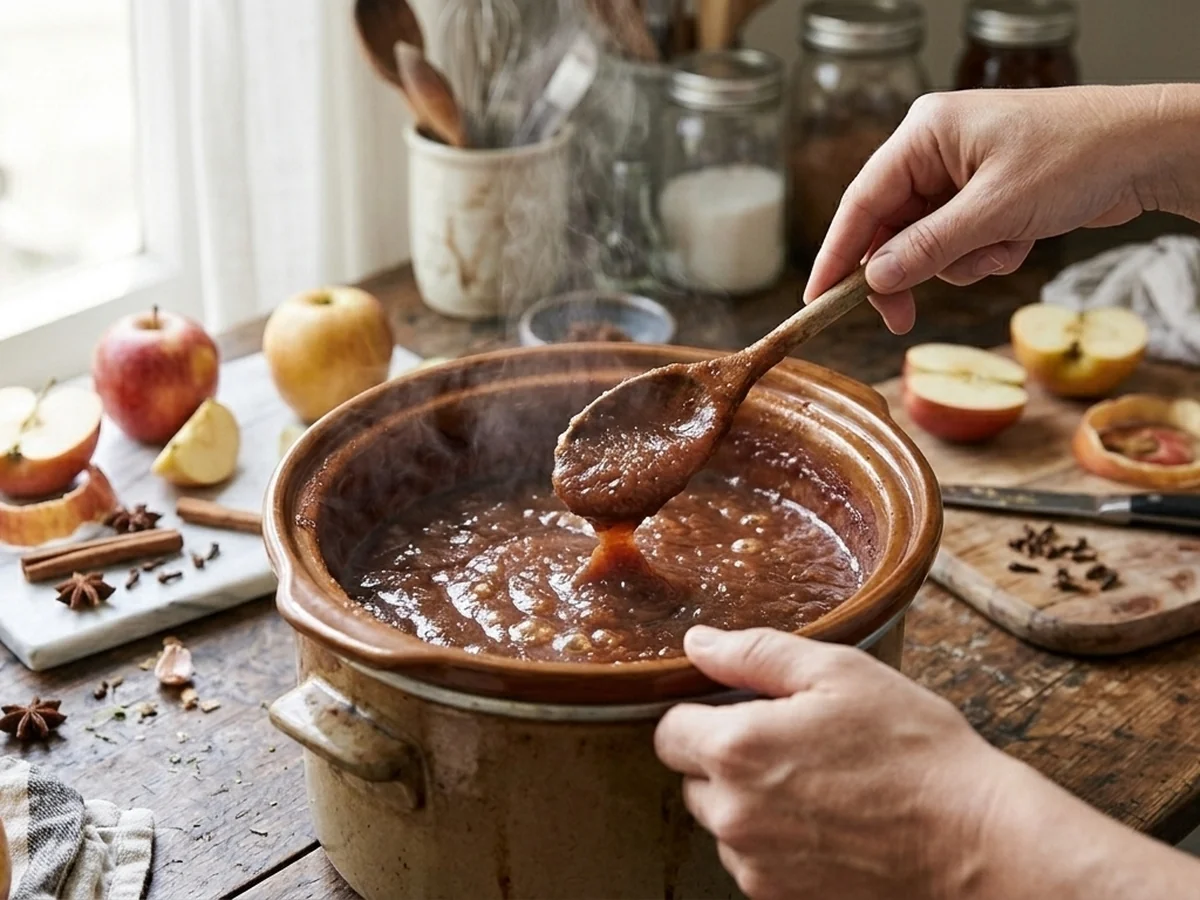
Making fruit preserves in a slow cooker relies on prolonged, low temperature heat to break down fruit cellular walls and evaporate excess liquid without scorching. This hands off cooking method allows the natural sugars in the fruit to concentrate slowly over many hours, creating a rich maple sweetened apple butter without constant stirring at the stove.
Using a slow cooker apple butter recipe transforms sliced fruit into a rich spread because the appliance traps ambient steam during the initial breakdown phase. Adding 1 tablespoon of lemon juice is recommended for the slow cooker batch to balance the sweetness of the fruit and any added sweeteners.
Achieving Deep Caramelization
Achieving deep caramelization requires a careful overnight reduction technique where the lid is left slightly ajar during the final hours of the cooking process. This allows moisture to escape continuously, which thickens the mixture and darkens the color into a concentrated spread. Leaving the lid entirely closed during this stage traps too much condensation, resulting in a watery consistency that fails to set properly.
Blending Directly in the Vessel
Blending the cooked fruit directly inside the appliance vessel creates a velvety texture without transferring hot ingredients to a separate countertop machine. An immersion blender reaches easily into the corners of the ceramic insert to yield a smooth, uniform consistency before the mixture is transferred to a Mason jar for storage. Common mistakes to avoid during this phase include blending while the mixture is boiling hot enough to splatter, or failing to submerge the blender blade fully, which introduces unwanted air bubbles into the finished preserve.
Practical Preparation Steps
Home cooks can ensure a smooth batch of old fashioned maple apple butter by organizing their workspace before starting the appliance. Preparing the fruit requires careful peeling and coring to eliminate tough skins and seeds that disrupt the final texture of the spread.
Maple Apple Butter Nutrition Facts
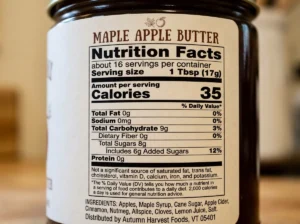 Maple Apple Butter Nutrition Facts
Fruit spreads generally provide a lighter profile than dairy fats, largely because they lack cholesterol and heavy saturated fats. Evaluating whether is apple butter healthier than butter depends on examining fat content, calories, and how natural ingredients impact your daily routine. Traditional dairy butter relies heavily on animal creams, which deliver high amounts of saturated fats. In contrast, making maple apple butter centers on whole fruit purees and unrefined plant based sweeteners that completely bypass dairy fats.
| Spread Type | Primary Base | Fat Content | Dietary Focus |
|---|---|---|---|
| Dairy Butter | Cream | High Saturated Fat | Rich Flavor |
| Fruit Spread | Cooked Apples | Virtually Fat-Free | Fiber and Plant Nutrients |
Whole fruit purees contribute beneficial dietary fiber and plant nutrients that you will not find in animal fats. When crafting apple butter using pure sap syrups for natural flavor, relying on unrefined sweeteners alters daily dietary choices by offering distinct flavor profiles without relying on processed cane sugar. Choosing fruit spreads gives your meals a cozy seasonal taste while keeping your overall fat intake remarkably low.
Practical steps for evaluating nutritional intake involve looking closely at portion sizes and ingredient quality. A common mistake when tracking macros is assuming all sweet spreads carry identical calorie counts, but fruit reductions pack natural fruit sugars alongside valuable micronutrients. For balanced weekday lunches or simple morning toast, incorporating a spoonful of slow cooker apple butter adds rich flavor without the heavy physical weight associated with dairy fats. According to Swarthmore College research regarding seasonal food preparation, adding 1 tablespoon of lemon juice is recommended for the slow cooker batch to balance the bright fruit flavors against the deep maple sweetness.
Amish Maple Apple Butter Tradition
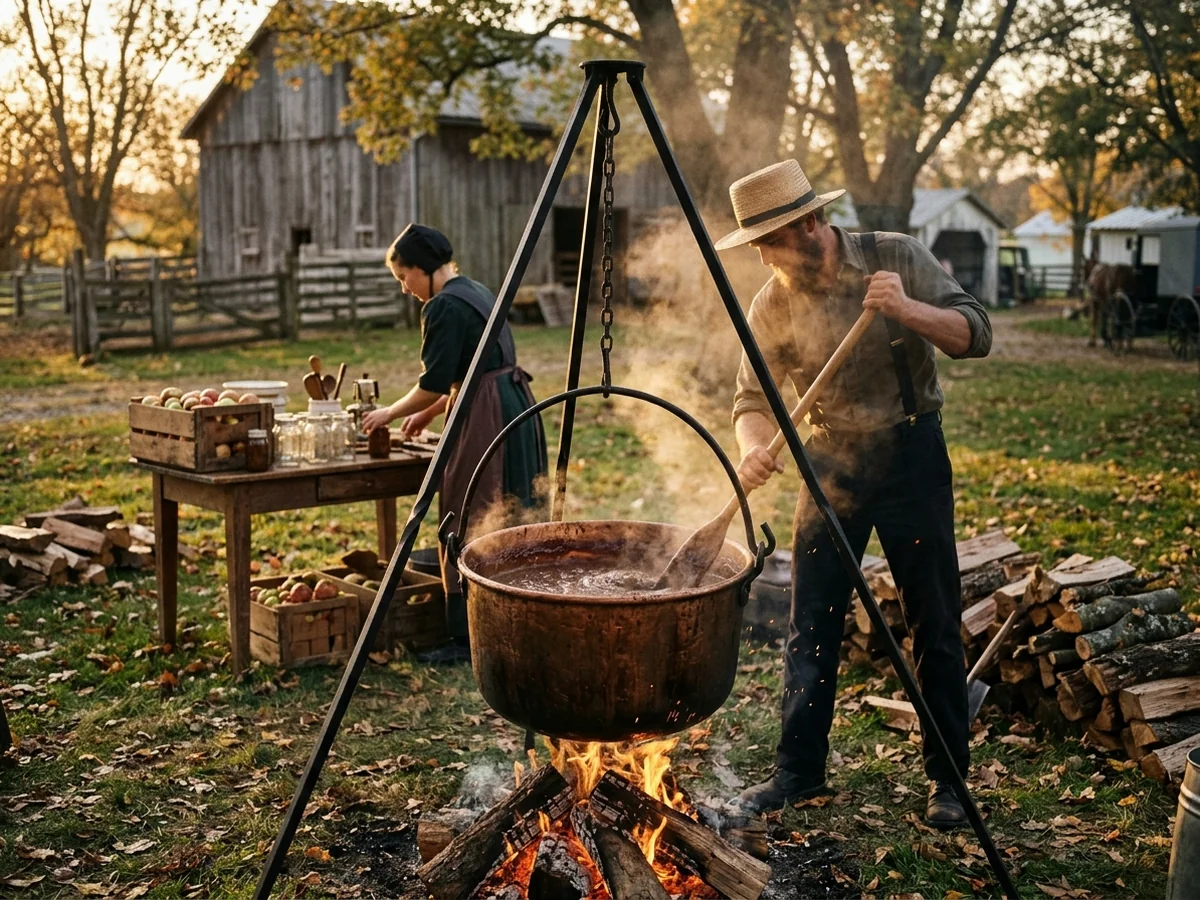
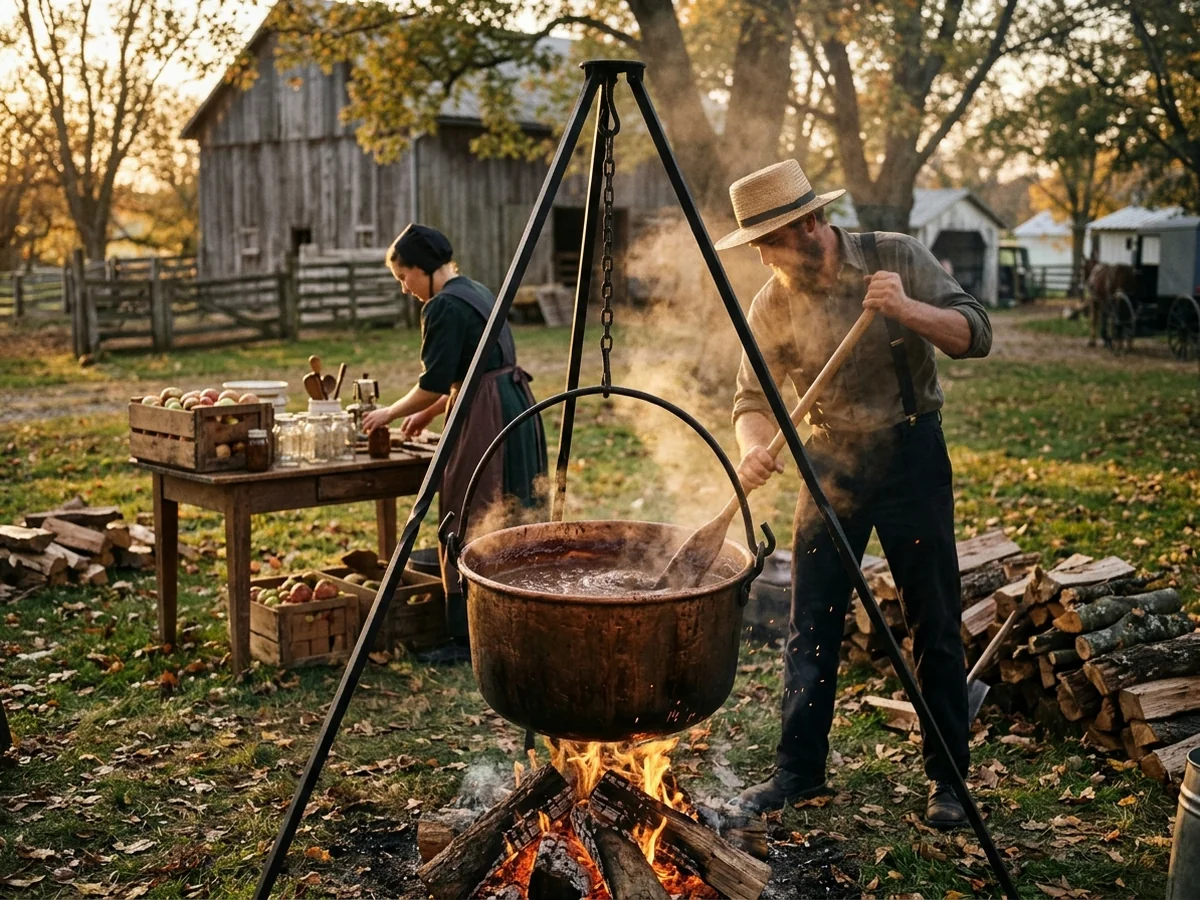
Traditional fruit butters rely on slow simmering methods and communal gatherings that require immense patience. Historical techniques involved large copper kettles suspended over open wood fires. Preparing a batch meant hours of constant stirring by family and neighbors to prevent scorching. That communal approach turned kitchen prep into a social event where neighbors took turns at the paddle throughout the day and night. This shared labor created deeply concentrated fruit spreads long before modern appliances existed, turning simple autumn harvests into shelf-stable pantry staples.
Modern home cooks draw inspiration from those historical roots when making fruit spreads on the stove or in a slow cooker. Embracing that slow process connects contemporary kitchens to heritage cooking methods. Instead of tending an open copper kettle all day, modern kitchens often rely on a hands-off appliance method to achieve that same deep, caramelised fruit flavor with minimal effort. This brings warmth to seasonal autumn menus and elevates everyday meals.
Mastering the Heritage Technique
Understanding the why behind this heritage method helps home cooks master the technique. Long cooking times allow natural fruit sugars to break down fully while excess moisture evaporates. This creates a thick, smooth texture without requiring heavy dairy or artificial thickeners. When preparing a batch at home, following proper recipe guidelines ensures success. For example, adding 1 tablespoon of lemon juice is recommended for the slow cooker batch, providing a necessary hint of acidity to balance the rich sweetness of the fruit.
Practical Steps and Common Mistakes
A few practical steps and common mistakes guide the process from start to finish:
- Stir the mixture occasionally during the early stages of simmering to prevent any hot spots from developing at the bottom of the vessel.
- Avoid rushing the reduction phase. Raising the heat too high in an attempt to speed up evaporation often leads to scorching and a bitter flavor.
- Use an immersion blender directly in the pot once the fruit breaks down fully to achieve a silky, uniform consistency.
- Allow the finished spread to cool completely before transferring it into a clean Mason jar for refrigerator or freezer storage.
Serving Suggestions and Nutrition
Home cooks often wonder about the culinary uses of this fruit spread. It makes a wonderful spread for toast, biscuits, and pancakes, or a flavorful accompaniment for elevated weekday lunches and baked goods. Many people also wonder if this fruit spread is healthier than dairy butter. While traditional butter contains high amounts of saturated fats, a homemade fruit spread provides fruit fiber and relies on natural sugars paired with pure maple syrup, offering a lighter option for your table.
By respecting the heritage of slow-simmered fruit spreads, home cooks can produce rich autumn preserves that bring authentic warmth to the kitchen.
Canning and Jar Processing for Long Term Storage
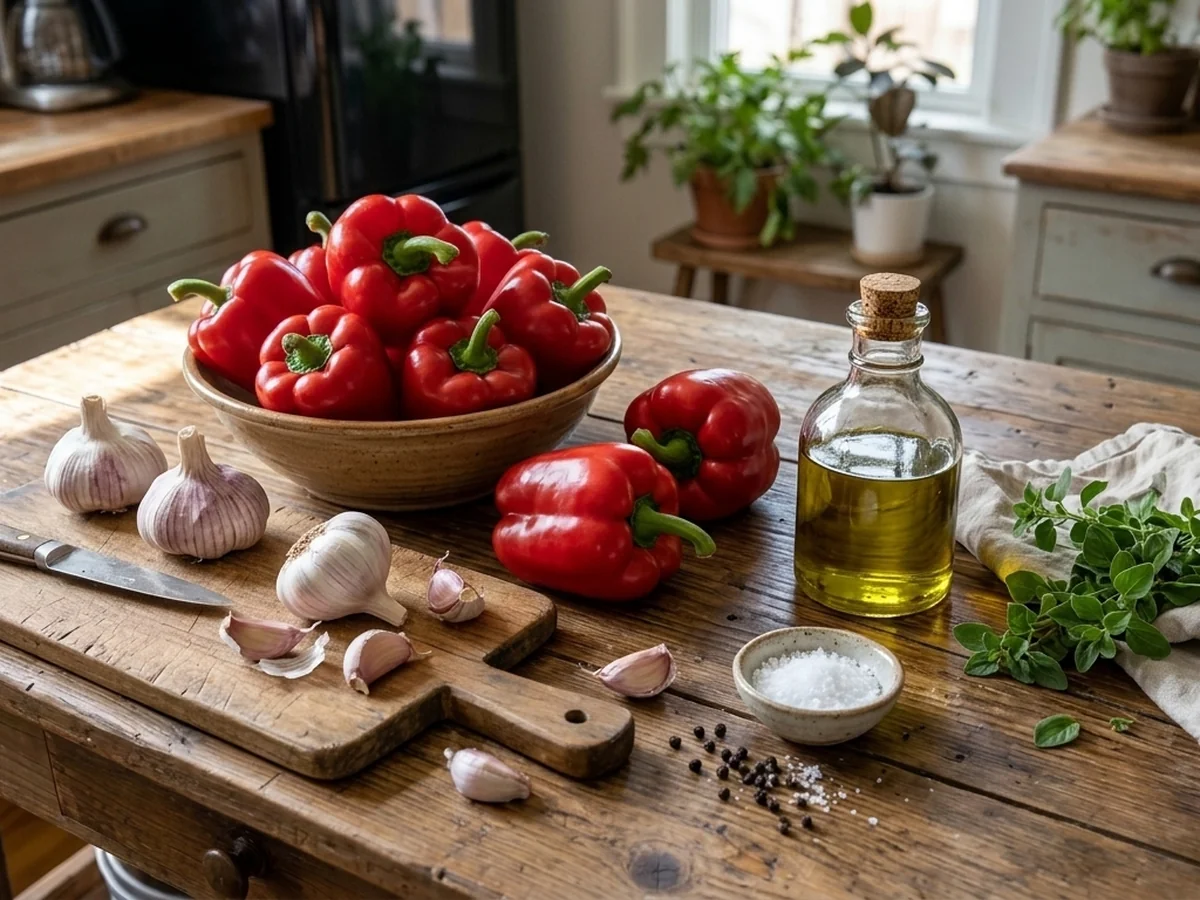
Proper canning techniques ensure your homemade maple apple butter remains shelf stable for months. Preserving batches safely requires strict adherence to sanitization and water bath processing methods.
To prepare your glass containers for long term storage, follow these key processing steps:
- Wash all glass containers and metal bands thoroughly in hot soapy water before use.
- Submerge the clean containers in a boiling water pot for ten minutes to sanitize them completely.
- Ladle the hot fruit spread into the prepared containers while leaving the proper amount of headspace at the top.
- Wipe the container rims clean with a damp cloth to remove any sticky residue that could prevent a tight seal.
- Process the filled containers in a boiling water bath for the required processing duration.
- Remove the containers carefully with a jar lifter and place them upright on a thick towel to cool undisturbed.
- Check the seals after twenty four hours by pressing the center of the lid to ensure it does not flex up and down.
Understanding the Science of Preservation
Understanding the why behind each step helps prevent common preservation failures. Sanitizing jars in boiling water eliminates lingering bacteria that could spoil your fruit spread during shelf storage. Maintaining proper headspace allows the food to expand during processing without breaking the seal. Skipping the rim wipe is a frequent mistake, as stray bits of maple syrup or fruit solids create a barrier that stops the lid from sealing tightly. Adding 1 tablespoon of lemon juice is recommended for the batch to ensure proper acidity levels.
Safe Pantry Storage Guidelines
Store any unsealed containers in the refrigerator for immediate enjoyment alongside your elevated weekday lunches or morning toasts. Keep your properly sealed provisions in a cool, dark, and dry pantry until you are ready to use them. Checking the vacuum seal after twenty four hours guarantees that ambient air cannot compromise the contents. If a lid fails the test, simply transfer that jar to the refrigerator and consume it within a few weeks.
Troubleshooting Common Texture and Consistency Issues
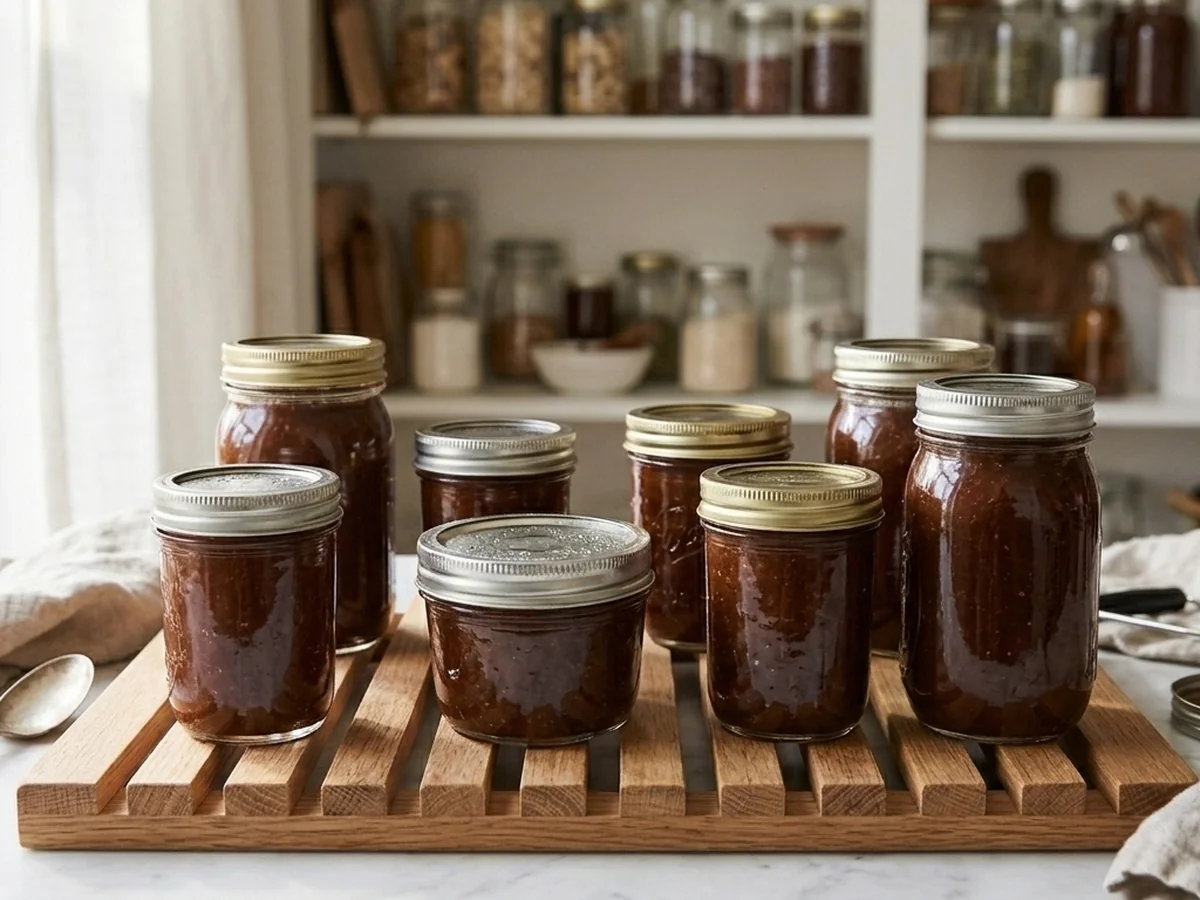
Fixing watery apple butter requires evaporating excess moisture by removing the lid during the final reduction phase and letting the mixture simmer uncovered. Leaving the slow cooker open allows steam to escape efficiently. Stir the fruit frequently while it thickens so the bottom stays smooth and even. If the fruit mixture remains too runny after long hours of cooking, extending the uncovered reduction time brings the spread back to the proper thick consistency without changing the flavor.
Preventing burns during long cooking cycles starts with keeping the temperature low and stirring occasionally. Thick fruit purees easily scorch on the bottom once the liquids start reducing. Using a slow cooker helps distribute gentle heat, but scraping the sides and bottom every few hours stops any hot spots from forming. Neglecting this step often leads to a bitter taste that ruins the entire batch of apple butter made with maple syrup.
Adjusting flat flavors means building up the aromatic profile gradually after the initial cooking phase is complete. Tasting the spread near the end of the process lets you evaluate the balance of sweetness and warmth. Adding 1 tablespoon of lemon juice is recommended for the slow cooker batch to brighten the rich sweetness and bring out the natural fruit notes. Balancing the acidity ensures the finished preserve tastes vibrant rather than heavy.
Creative Culinary Uses and Serving Suggestions
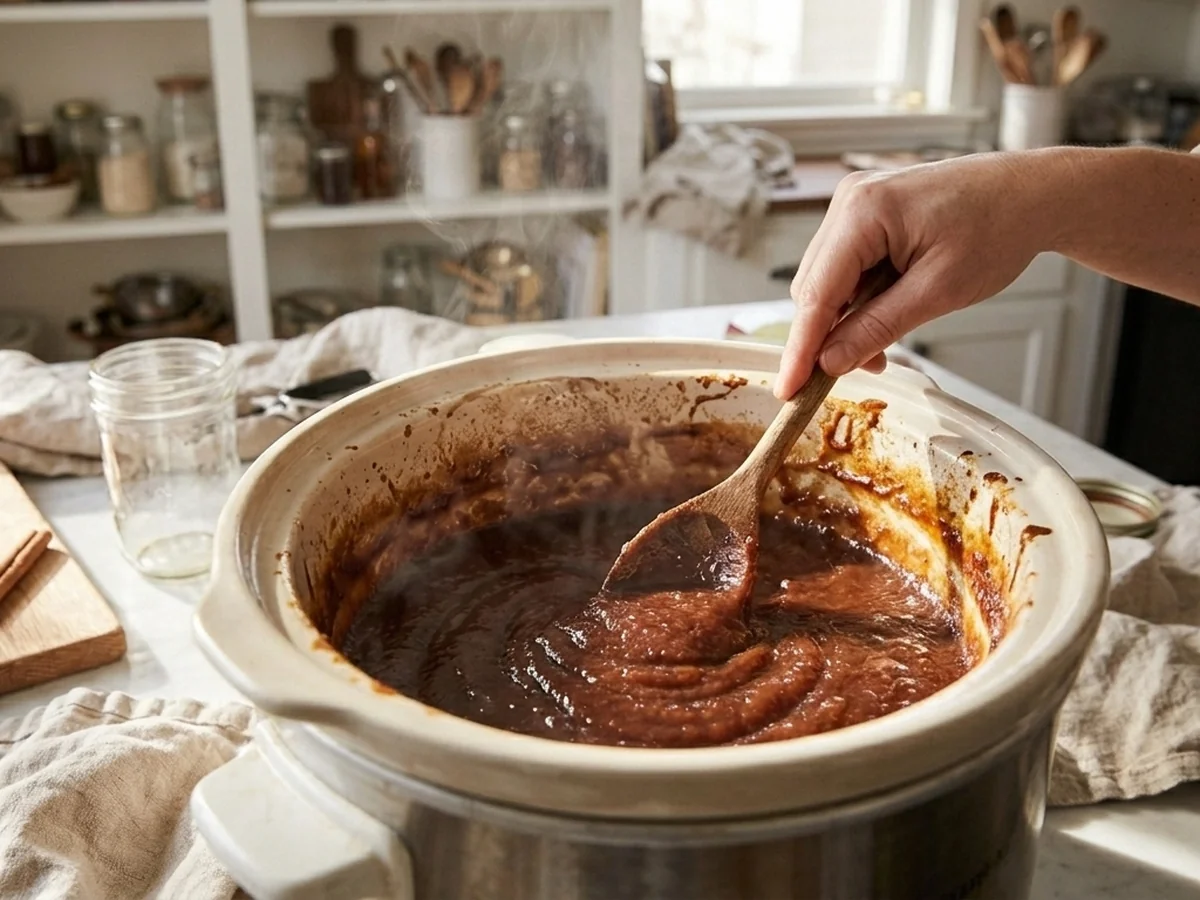
Homemade spiced fruit preserve brings a rich and comforting depth to your weekly menu, transforming simple breakfast routines and mid-day meals into something special. Because this spiced fruit reduction carries a concentrated flavor, a small amount goes a long way in balancing both sweet and savory dishes for home cooks and busy meal planners.
To enjoy this versatile preserve throughout your week, consider these practical pairing ideas and culinary applications designed for elevated weekday lunches and cozy morning spreads:
- Swirl a generous spoonful into warm morning oatmeal, overnight oats, or plain Greek yogurt bowls for a natural burst of sweetness.
- Spread the velvety mixture over warm buttermilk biscuits, fluffy pancakes, and crisp waffles during weekend breakfast spreads.
- Layer the fruit spread onto toasted pastries, croissants, and English muffins for a quick and comforting morning treat.
- Incorporate the preserve into elevated weekday lunches by pairing it with roasted pork loin, grilled chicken, or sliced turkey sandwiches.
- Pair the spiced reduction with sharp artisan cheeses, crackers, and nuts on a rustic charcuterie board for casual gatherings.
- Stir a small amount into homemade vinaigrettes or warm pan sauces to add unexpected depth and autumn flavor to savory proteins.
Morning Pairings and Breakfast Ideas
Bringing this rich fruit spread into your breakfast routine adds instant warmth without extra effort. The concentrated profile complements grain bowls, toasted breads, and classic morning batters. When using lemon juice in your slow cooker batch as recommended by Swarthmore College, the natural acidity cuts through the sweetness and enhances every bite on your plate. Make sure to mix the juice thoroughly during the cooking process rather than at the very end to ensure an even flavor profile across your entire batch.
Elevated Lunches and Savory Pairings
Moving beyond breakfast, this cooked fruit preserve works exceptionally well in savory settings. The savory applications fit seamlessly into midday meals and casual hosting. Layering the spread into roasted meat sandwiches or whisking a small spoonful into pan sauces introduces complex autumn notes to everyday cooking. Always ensure your slow cooker batch reaches the proper thickness before serving, as a watery reduction will make sandwiches soggy or slide off roasted meats. Storing your finished batch in clean Mason jars or glass containers helps preserve the velvety texture for your next meal prep session or quick workday lunch.
Frequently Asked Questions About Maple Apple Butter
How do you make this homemade fruit spread from scratch?
Making this homemade fruit spread from scratch involves simmering prepared fruit with pure maple syrup and warm spices until deeply concentrated. Swarthmore College notes that adding one tablespoon of lemon juice is recommended for the slow cooker batch. Once tender, puree the mixture with an immersion blender and pack it into a Mason jar.
Which apples make the best apple butter for balanced sweetness?
The best apples for apple butter include a mix of tart and sweet varieties to balance the natural sugar. Combining cultivars like McIntosh, Granny Smith, and Honeycrisp prevents the fruit spread from tasting overly sweet once you add pure maple syrup. Softer apples break down faster during the cooking process to create a smooth texture.
How can you use this fruit spread with breakfast foods?
You can use this maple apple butter as a rich, fruit based topping for warm waffles, fluffy pancakes, and freshly baked biscuits. The concentrated autumn flavor complements baked goods exceptionally well. Try swirling a spoonful into yogurt or spreading it thickly over morning toast.
Can you store preserved fruit spreads in a Mason jar?
You can store this seasonal condiment in a clean Mason jar in the refrigerator for several weeks. For long term preservation, you can process filled jars using standard water bath canning techniques. Always check the seal before serving stored batches.
How do you get a smooth texture without lumps?
You achieve a perfectly smooth consistency by running an immersion blender directly through the slow cooker before the final reduction stage. If any small fruit fragments remain, a quick pass through a food mill will refine the batch further. Thorough blending is essential for a velvety spread.
Conclusion: Enjoying Your Homemade Autumn Spread
Simmering seasonal fruit into a rich preserve transforms your kitchen with cozy autumn aromas and yields a deeply rewarding culinary treat. Ladle your finished spiced fruit spread into sterilized canning jars to stock the pantry or share thoughtful homemade gifts with neighbors. Feel free to adjust the warm spices or sweetness level to match your preferences during your next cooking session.
Sources: swarthmore.edu
You might also like: How to Make Grilled Halloumi Cheese at Home