
Grab-and-Go Blueberry Buttermilk Breakfast Scones
Introduction
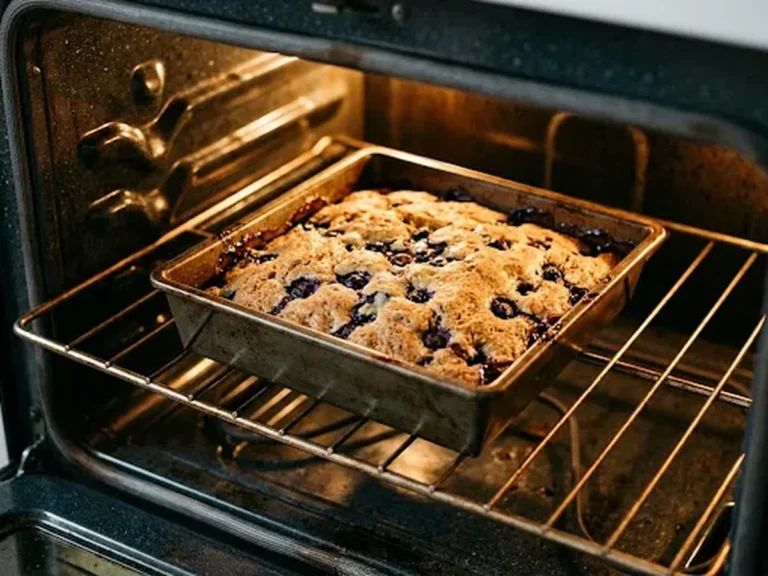
You can prepare blueberry buttermilk breakfast scones at home to enjoy a reliable, flaky morning meal that works perfectly for your busy work week. These blueberry buttermilk breakfast scones offer a balance of tender crumb and bright fruit flavor that stays fresh for days.
This guide explores the essential techniques required to achieve professional results in your own kitchen. We cover the science behind using buttermilk to create a light texture, best practices for maintaining cold ingredients to ensure flaky layers, and strategies for freezing dough for grab-and-go convenience. Whether you are a beginner or an experienced home baker, you will find consistent methods to elevate your breakfast routine without the stress of complicated prep.
Why Blueberry Scones Work

These portable pastries are an ideal solution for busy mornings because they can be prepared in advance and frozen for fresh baking on demand. By turning to a reliable method for freezing raw portions, you remove the pressure of morning prep while still enjoying a warm, bakery-quality meal before you head out the door.
Achieving the right balance of flavor and texture relies on a few key culinary techniques. Using buttermilk instead of heavy cream is common guidance for creating a lighter, more tender crumb because it provides a lower fat content while offering a subtle tang. Additionally, the lactic acid naturally found in buttermilk is often used to react with baking soda, which helps provide lift and creates a delicate structure.
Maintaining specific physical conditions during mixing is essential for high-quality results. Common practice dictates that keeping butter cold is vital, as these small, solid pieces create steam pockets that result in flaky layers during the bake. You must also be careful not to overwork the dough, as this develops gluten and can lead to a tough, dense final product.
To ensure your morning routine runs smoothly, keep these storage and preparation tips in mind:
- Baked scones remain fresh and delicious at room temperature for up to two days.
- High oven temperatures, typically between 400F and 425F, are standard for achieving that desirable golden, crisp exterior.
- Baking powder acts as the primary leavening agent to help your blueberry buttermilk breakfast scones rise consistently without the need for yeast.
By focusing on these foundational steps, you can easily master the art of the grab-and-go breakfast. The combination of bright fruit and a light, crumbly texture provides a satisfying start to any day, turning a simple morning meal into a highlight of your routine.
Secrets to Flaky Scones

Achieving a light and airy texture relies on specific chemical reactions and temperature control during the mixing process. Understanding how these elements interact is the best way to master how to make scones with buttermilk for your morning routine.
Common guidance suggests that the lactic acid found in buttermilk reacts with baking soda to generate lift. This chemical reaction creates carbon dioxide bubbles that help the dough expand as it bakes. By providing this initial boost, the ingredients ensure the pastry develops a tender crumb rather than a dense, heavy center.
Baking powder acts as the primary leavening agent when yeast is not part of the recipe. It supports the structural integrity of the dough by producing a consistent rise. This helps maintain the shape of your breakfast treats while they bake at the high temperatures typically recommended for achieving a golden, crisp exterior.
Cold butter is essential to create steam pockets for flaky layers. Keeping the butter chilled until the moment it enters the oven is a widely accepted technique in professional baking. As the butter melts, it releases moisture into the surrounding dough, creating tiny gaps that define the characteristic layered structure of a high-quality pastry.
To preserve these delicate textures, consider these factors during preparation:
- Avoid overworking the dough, as excessive handling develops gluten and leads to a tough, chewy final product.
- Keep your ingredients, especially the butter and buttermilk, as cold as possible to ensure the steam pockets form correctly.
- Ensure your oven is fully preheated to the necessary high temperature before baking to trigger an immediate rise.
Why Use Buttermilk
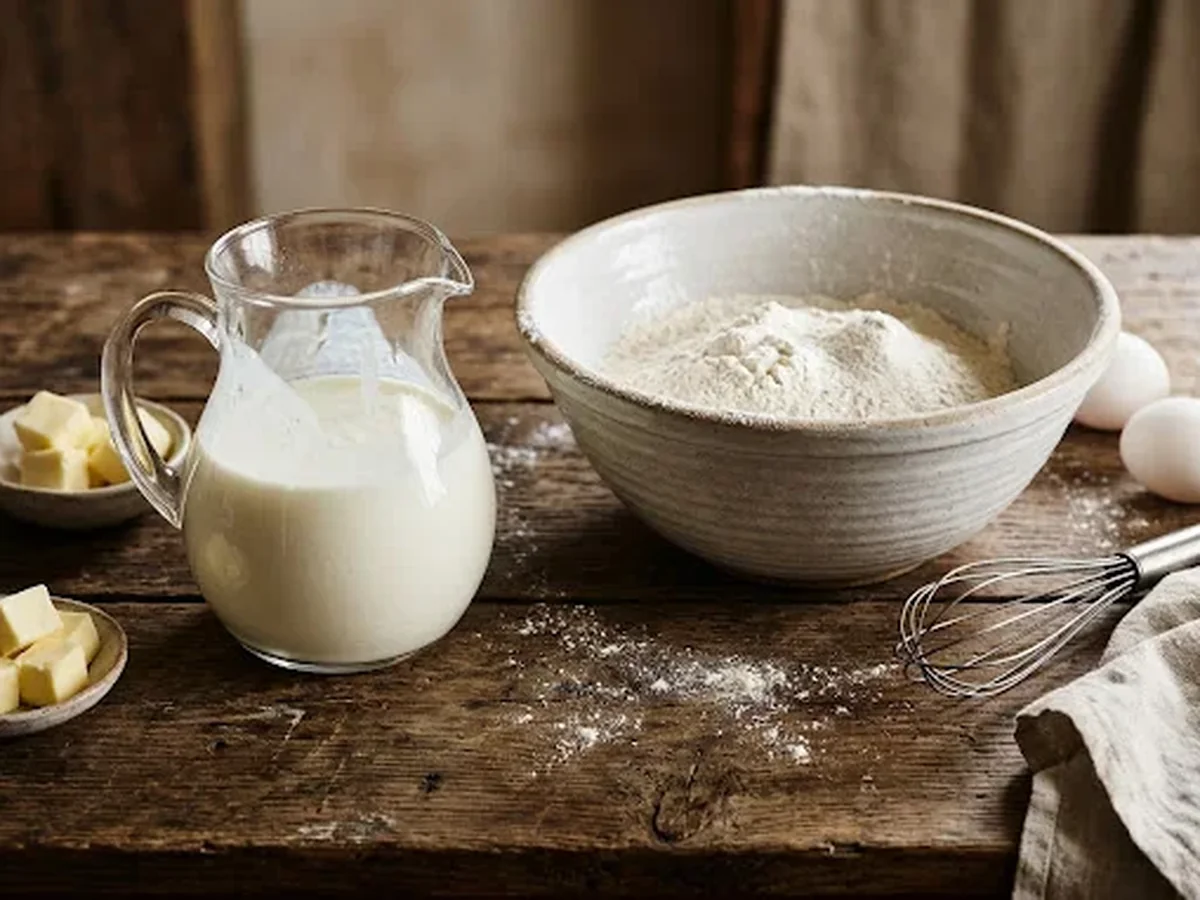
Choosing the right liquid base is a foundational step when learning how to make scones with buttermilk. While heavy cream is a common alternative, buttermilk is frequently preferred by home bakers for its unique chemical properties and its ability to produce a specific, desirable crumb structure. The primary appeal lies in its lower fat content compared to cream, which is often cited as a way to create a lighter, more tender final product. When you incorporate buttermilk into your blueberry buttermilk breakfast scones, you are leveraging ingredients that work in harmony with your leavening agents.
| Feature | Buttermilk | Heavy Cream |
|---|---|---|
| Fat Content | Lower | Higher |
| Texture | Light and airy | Rich and dense |
| Function | Interacts with soda for lift | Adds moisture and richness |
A central concept in successful baking is the interaction between acidity and leavening. Common culinary guidance suggests that the lactic acid present in cultured buttermilk reacts with baking soda to provide extra lift during the baking process. This reaction assists in achieving the airy structure often sought in a fluffy blueberry scones recipe. Because buttermilk is thinner than heavy cream, it distributes easily throughout the all-purpose flour without making the dough feel greasy or overly heavy. This balance is vital for maintaining the delicate texture of your baked goods.
Understanding these interactions helps you avoid common pitfalls. For instance, if you find your scones are turning out dense, it may be due to overworking the dough, as this is known to develop excess gluten. When working with buttermilk, aim to mix until the ingredients are just combined. Additionally, the slight tanginess of the cultured milk effectively balances the natural sweetness of the blueberries, creating a more complex flavor profile than cream alone can provide. To ensure consistent results, consider using a pastry blender to cut in cold butter, as the presence of cold fat is widely considered essential to create steam pockets for flaky layers.
If you enjoy preparing breakfast in advance, remember that you can take advantage of freezing scone dough for breakfast. Shaping your portions before freezing allows for fresh, hot scones on demand without needing to start from scratch. Once baked, you can store your scones at room temperature for up to two days. By focusing on these specific culinary interactions, you can elevate your morning routine with professional, reliable results.
Scone Baking Techniques
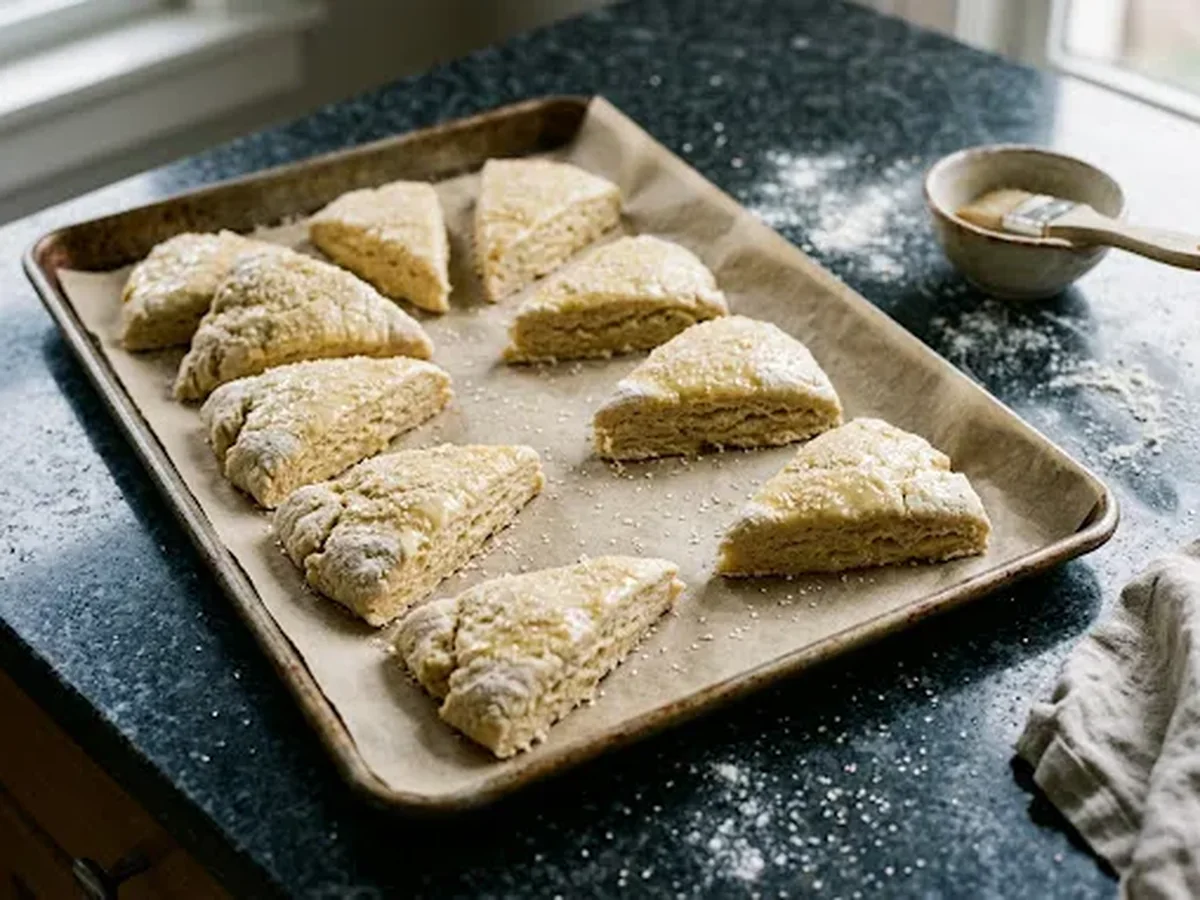
Mastering a few fundamental methods ensures the perfect texture for your baked goods. Achieving light, tender results depends heavily on how you handle the dough and manage the heat within your kitchen environment.
Following these professional tips for flaky scone texture will help you avoid common pitfalls when preparing your morning meal:
- Avoid overworking the dough, as it is commonly understood that excessive kneading develops gluten which leads to a dense and tough finished product.
- Use a pastry blender to cut cold butter into the flour, which is typical practice to keep the fat solid until it hits the hot oven to create steam pockets.
- Combine the wet and dry ingredients gently using a light hand until just incorporated to maintain a tender crumb.
- Consider slightly reducing your baking powder or increasing the liquid content if you are working in high altitude baking conditions to prevent the dough from rising too quickly and collapsing.
- Monitor your oven temperature closely, as baking at high heat, typically 400F to 425F, is common guidance to ensure the exterior sets quickly while the inside remains moist.
- Keep your workspace cool and handle the dough as little as possible to prevent the butter from melting before baking begins.
When you prepare these treats, keep in mind that the lactic acid found in buttermilk typically reacts with baking soda to provide lift. This interaction is a common way to achieve a lighter crumb compared to using heavier dairy products like heavy cream. If you find your dough feels too sticky, chill it for a few minutes before shaping to make the process easier. Once baked, you can store your creations at room temperature for up to two days.
Those baking at higher elevations should pay extra attention to their oven settings. Because air pressure is lower, chemical leaveners like baking powder often react more aggressively. You may find that adjusting your recipe by slightly decreasing these agents or increasing the flour ratio creates more stability. Testing a small batch first is a practical way to gauge how your specific oven and altitude environment impact the final rise and structure of your pastries.
Handling Blueberries and Dough

To keep these morning treats intact, fold the fruit into your mixture gently at the very last second. Use a light touch with a silicone spatula to incorporate the berries without crushing them. Overworking the dough is a common mistake that develops excess gluten, which leads to a tough texture rather than the desired light crumb.
Managing moisture levels is essential to prevent the berries from bleeding color into your dough. Tossing the fruit in a light coating of flour before folding helps absorb excess surface moisture. This simple step keeps the dough vibrant and prevents the fruit from breaking down during the mixing process.
Achieving consistency starts with how you measure your ingredients, as weight is far more reliable than volume. Using a digital scale to measure your all-purpose flour and other dry ingredients ensures the ratios stay perfect every time you bake. Volume measurements like cups can vary significantly depending on how tightly the flour is packed, which often leads to dense results.
Follow these best practices for consistent, high-quality results:
- Measure all dry ingredients by weight to maintain the integrity of your dough.
- Keep your butter cold at all times to ensure the creation of steam pockets for flaky layers.
- Combine the buttermilk with your dry ingredients just until they come together to avoid overworking the mixture.
- Handle the dough as little as possible to keep the fat from softening before it hits the hot oven.
The lactic acid found in buttermilk typically reacts with baking soda to help the dough rise, providing a lighter texture compared to recipes using heavy cream. By focusing on these precise handling techniques, you ensure that every batch of these breakfast pastries maintains a beautiful appearance and a tender, flaky structure. Once baked, you can confidently store these items at room temperature for up to two days while they remain fresh and ready for your morning routine.
Batch Baking and Storage
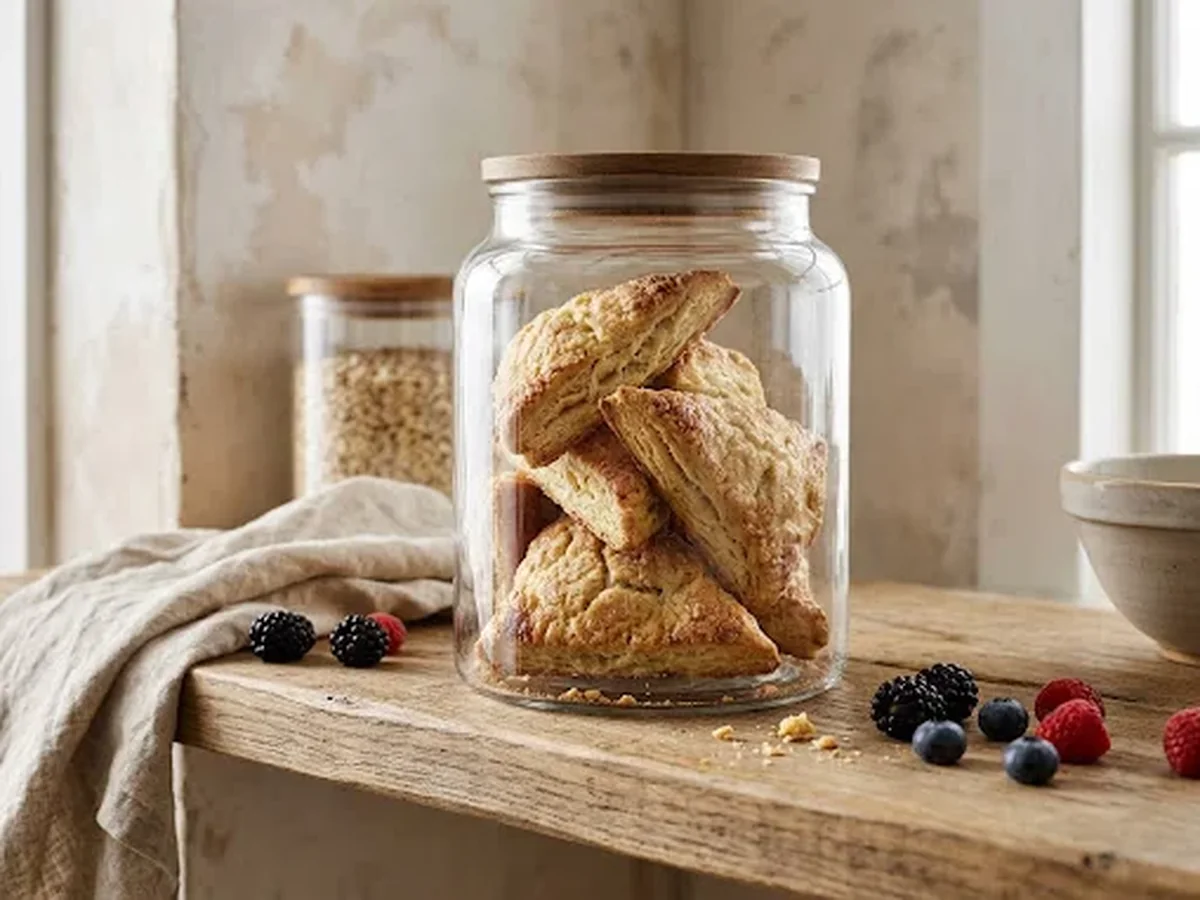
You can maintain the quality of your baked goods by storing them properly at room temperature for up to two days. If you prefer a warm morning treat, freezing scone dough for breakfast allows you to bake individual portions whenever you need them.
Proper storage practices help ensure your morning meal remains as enjoyable as when it first came out of the oven. Follow these steps to keep your baked items fresh and ready to eat:
- Store fully baked treats in an airtight container at room temperature to maintain their texture for up to two days.
- Place unbaked dough portions on a parchment-lined tray in the freezer until firm, then transfer them to a freezer-safe bag for long-term storage.
- Bake frozen portions directly from the freezer by adding a few extra minutes to your typical oven time.
- Reheat day-old baked goods in a toaster oven or a conventional oven at a low setting to restore the crust quality.
- Avoid using a microwave for reheating, as this often results in a soft or rubbery texture rather than a crisp exterior.
- Label your freezer bags with the date to ensure you use your prep-ahead dough within a reasonable timeframe for the best flavor.
When you bake from a frozen state, the cold dough reacts to the high oven heat by creating steam, which is a common technique to encourage lift and flaky layers. Because the lactic acid in buttermilk interacts with baking soda to provide leavening, keep your dough cold throughout the entire process to ensure that the chemical reaction occurs in the oven rather than on the counter. If you find your baked items are becoming too soft after a day, a quick trip through a warm oven is the most effective way to reclaim that signature crispness.
Fixing Dry Scone Dough
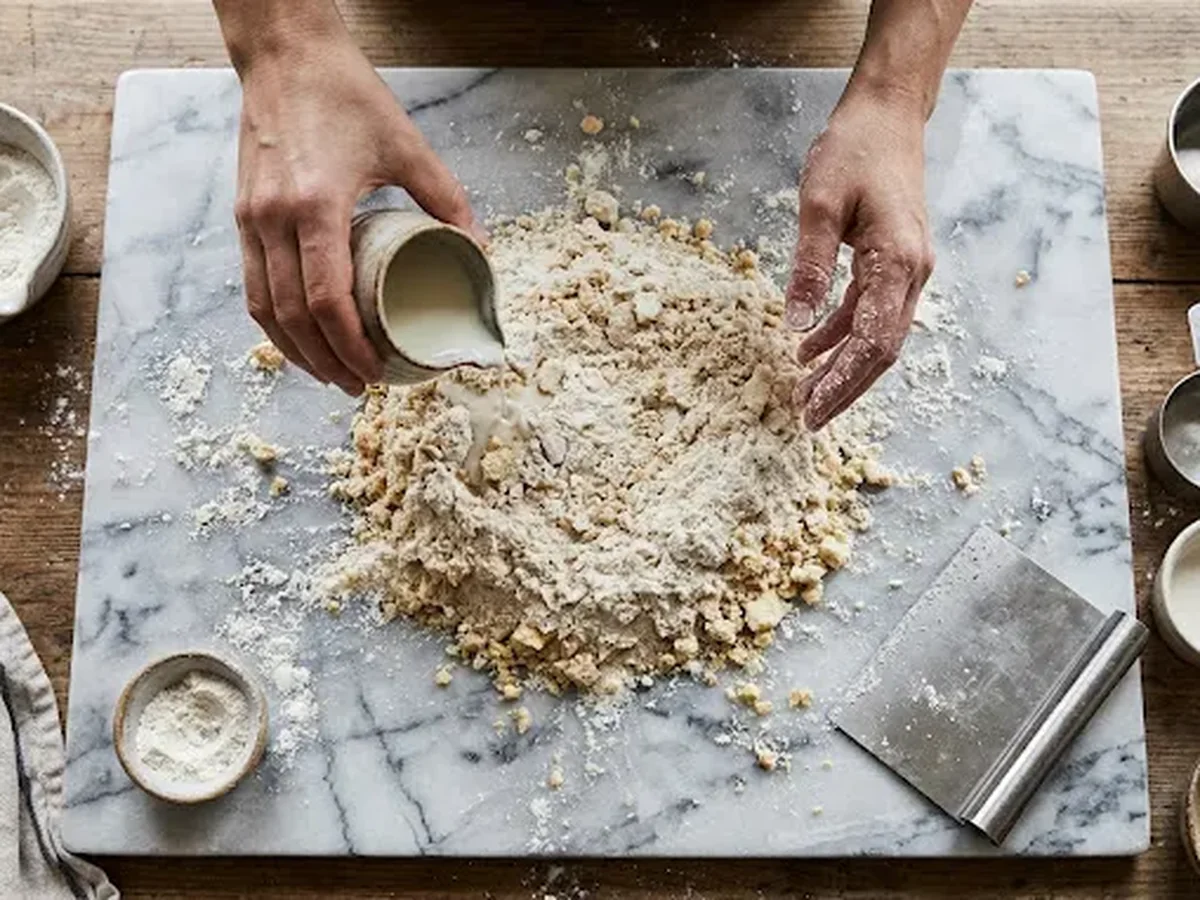
Scones often spread or flatten in the oven when the butter becomes too warm before baking or when the dough lacks sufficient structure. Maintaining cold ingredients is common guidance to ensure butter creates steam pockets during the bake, which provides the lift necessary for flaky layers. If you are preparing blueberry buttermilk breakfast scones, keeping the butter chilled until the very last second prevents it from melting prematurely into the flour.
Over-mixing is a frequent culprit behind tough or dense textures, as it encourages excessive gluten development in the all-purpose flour. You can identify signs of over-mixing by looking for a dough that feels elastic or rubbery rather than crumbly and soft. When the mixture appears uniform and smooth like bread dough, you have likely gone too far.
- Keep your butter in the refrigerator until you are ready to cut it into the dry ingredients to ensure the fat stays solid.
- Mix the wet and dry components just until they are combined, as a few remaining streaks of flour are perfectly acceptable.
- Use a pastry blender or your fingertips to work quickly so the heat from your hands does not warm the fat.
- Set your oven between 400F and 425F, which is common guidance for achieving a golden, crisp exterior on your pastries.
- Adjust your oven temperature upward if your scones consistently flatten, as higher heat helps set the structure before the butter melts away.
- Avoid kneading the dough on the counter, as simple folding techniques are sufficient to bring the ingredients together without toughening the crumb.
If you find that your scones are still spreading, ensure your baking powder is fresh and active, as it serves as the primary leavening agent. Furthermore, the lactic acid present in buttermilk typically reacts with baking soda to create additional lift, so check that your leavening agents are not expired. Once baked, these treats can be stored at room temperature for up to two days.
Adapting for Dietary Needs
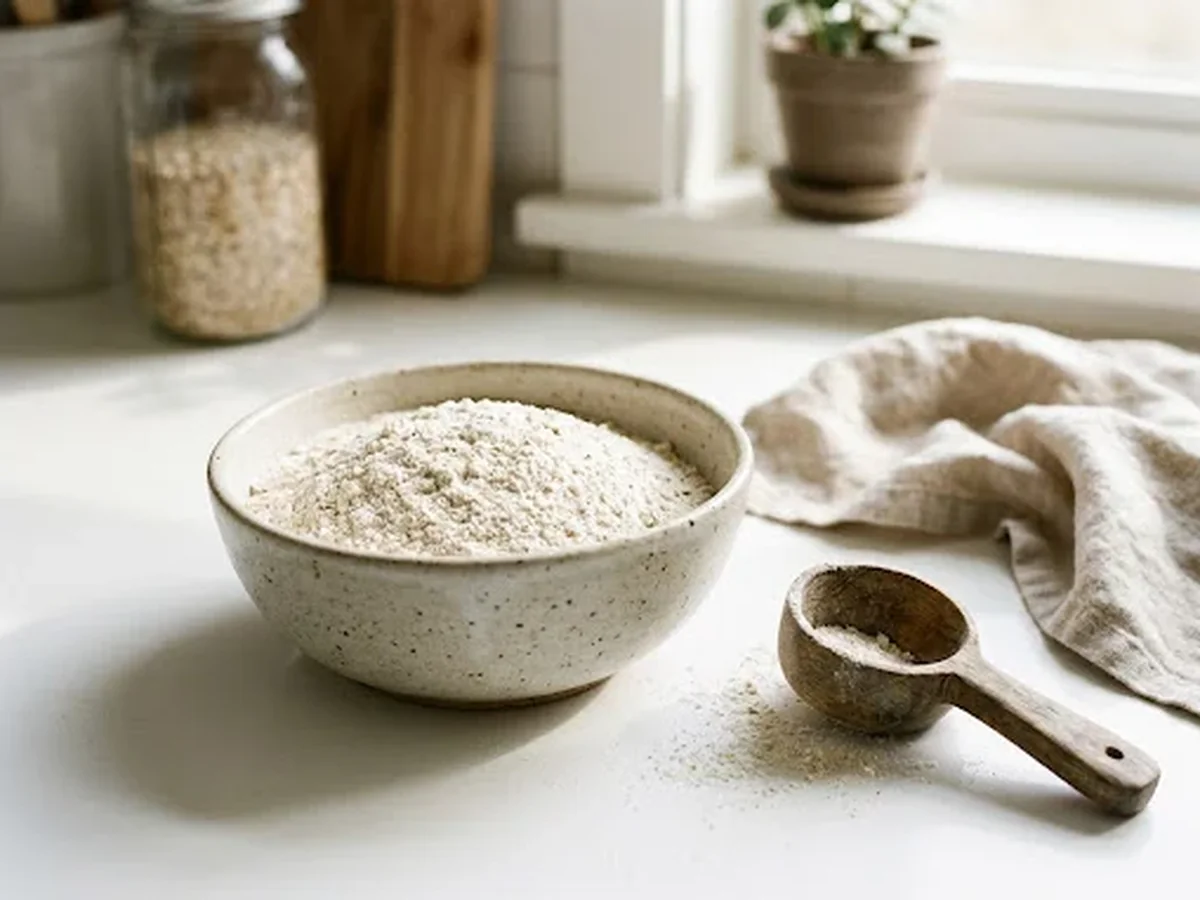
You can successfully adapt these morning treats for gluten-free diets by using a high-quality all-purpose gluten-free flour blend that includes xanthan gum. When substituting, start with a 1:1 ratio by weight rather than volume to maintain the structural integrity of the dough.
Gluten-free flour blends often lack the elasticity provided by wheat proteins. If your chosen blend does not contain xanthan gum, add approximately one-quarter teaspoon per cup of flour to help bind the ingredients together. This addition prevents the final product from becoming overly crumbly or difficult to handle during the shaping process.
Adjusting the hydration level is essential when working with alternative flours, as these blends frequently absorb more liquid than standard wheat-based options. If the dough feels too dry or stiff, gradually add extra buttermilk, one tablespoon at a time, until it holds together without being sticky. Achieving the correct consistency is key to ensuring the scones remain tender after baking.
Leavening agents like baking powder and baking soda require specific conditions to remain active throughout the mixing and baking process. Because gluten-free flours can be heavier, do not over-mix the dough once you add the liquid. Overworking the mixture can diminish the effect of the leavening agents and lead to a dense, flat result rather than a light and airy texture.
- Check your baking powder for freshness, as older leavening agents lose their potency and fail to provide the necessary rise.
- Ensure your buttermilk is cold to help maintain the structure of the dough while the baking soda reacts with the lactic acid.
- Keep your workspace and ingredients cool to prevent the butter from melting prematurely, which helps preserve those desirable flaky layers.
Pay close attention to your oven temperature when using alternative flours. Gluten-free doughs often benefit from a consistent heat source to set properly before the leavening agents finish their reaction. Following these adjustments helps ensure a reliable result, allowing you to enjoy your prepared morning meal throughout the week.
FAQ
Does buttermilk make blueberry buttermilk breakfast scones better?
Buttermilk often creates a lighter, more tender crumb compared to heavy cream because it has a lower fat content. The lactic acid found in buttermilk also typically reacts with baking soda to help provide the lift needed for a fluffy texture.
Are scones better with buttermilk or heavy cream?
Choosing between the two depends on whether you prefer a lighter, tangy scone or a richer, denser result. Many bakers find that buttermilk provides a superior rise and a more balanced flavor profile for fruit-filled pastries.
Why is cold butter essential when making blueberry buttermilk breakfast scones?
Keeping butter cold is a common practice because it creates steam pockets as the fat melts inside the hot oven. These tiny pockets of steam are what push the layers of dough apart, resulting in the desired flaky texture.
How long can I store baked pastries?
According to Oklahoma State University, you can store baked scones at room temperature for up to two days. Keeping them in an airtight container helps maintain their texture after they have cooled completely.
Can I prepare unbaked dough portions ahead of time?
Freezing raw scone dough portions is a common technique that allows for fresh baking on demand throughout the week. Simply shape your dough, freeze the individual pieces on a tray, and then bake them straight from the freezer when you are ready for a quick breakfast.
Why do my scones turn out tough?
Overworking the dough is the most frequent cause of a tough, dense result because it develops too much gluten. You should gently mix the ingredients until they are just combined to ensure your scones remain light and tender.
Conclusion
The most effective next step for simplifying your morning routine is to prepare a large batch of homemade berry buttermilk pastries and store them properly. Since scones remain fresh at room temperature for up to two days, you can easily bake them ahead of time for quick access. For longer term planning, freezing your raw scone dough portions allows you to enjoy fresh, warm pastries on demand without the morning rush. By keeping a stash ready, you ensure a consistent and stress free start to your day.
Sources: 4h.okstate.edu
You might also like: Homemade Maple Apple Butter Recipe: Cozy Fall Spread