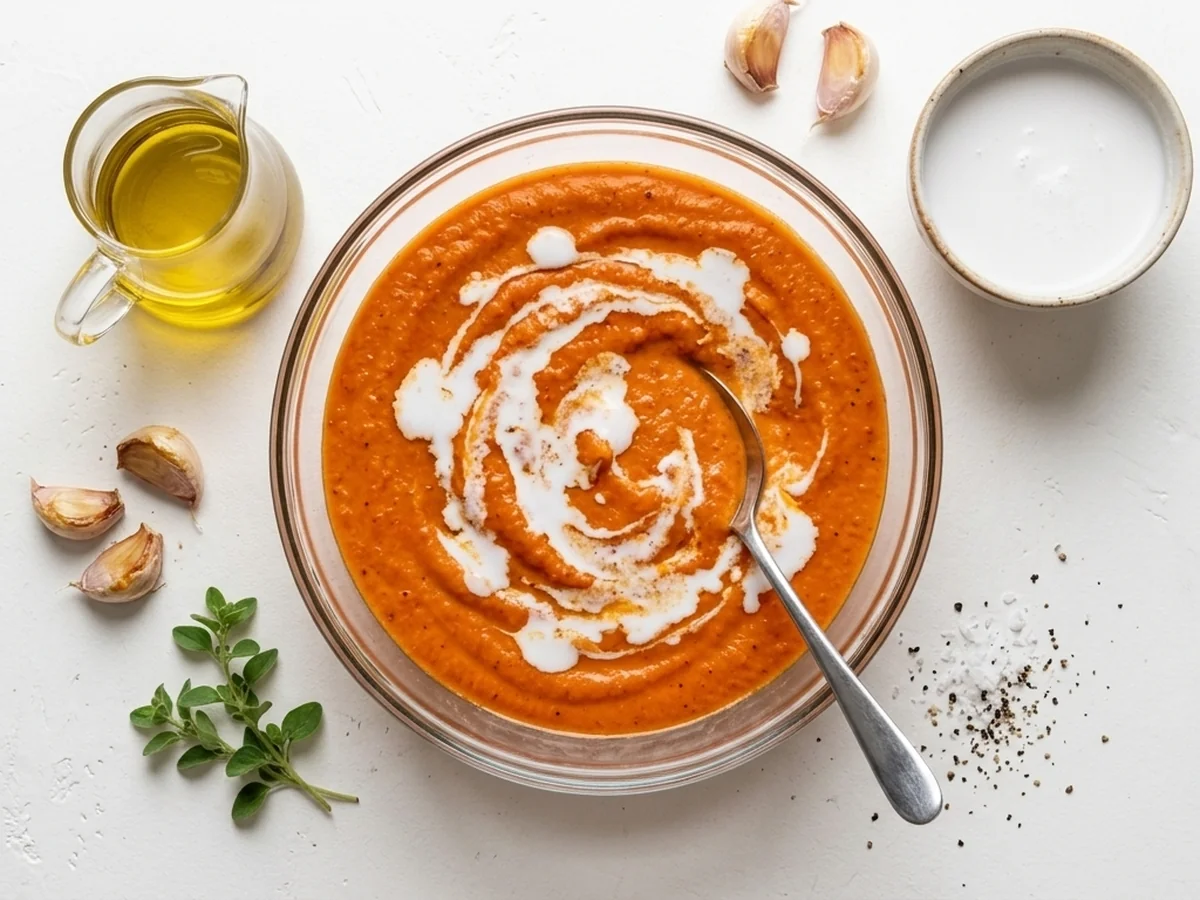
Really Useful Roasted Red Pepper Sauce Recipe
Introduction
A reliable roasted red pepper sauce is an easy way to elevate your weekday meals with bold, vibrant flavor. You can create this versatile roasted red pepper sauce at home using simple pantry staples and fresh bell peppers.
This article provides a comprehensive guide to mastering the technique, including how to achieve the perfect texture without relying on heavy cream or nuts. You will learn the traditional Italian approach known as Crema di Peperoni, along with essential tips for selecting the best produce. Beyond the basic method, this guide covers proper food safety guidelines for storage and expert pairings, such as serving your final creation with wide noodles like pappardelle. Whether you are prepping for high-protein bowls or a quick, stress-free dinner, you will find everything needed to build a flavorful sauce from scratch.
Ingredients for Roasted Red Pepper Sauce
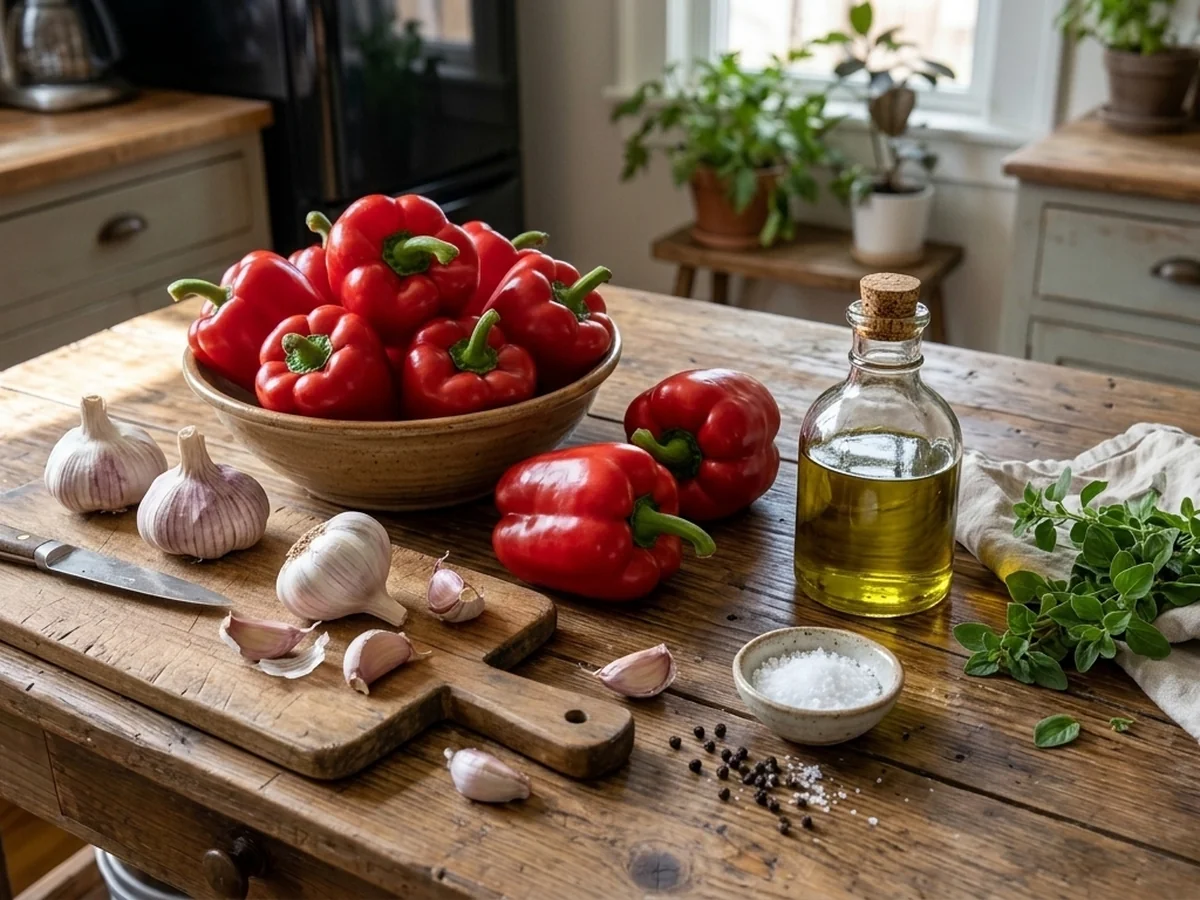
The foundation of a high-quality blend relies on selecting the right bell peppers. Look for firm, heavy peppers in the Capsicum annuum family that have smooth, unblemished skin. A deeper red color often indicates a higher sugar content, which provides the natural sweetness essential for a balanced homemade roasted red pepper sauce recipe. While jarred options are convenient, roasting your own peppers at home allows you to control the char levels, resulting in a more complex, smoky flavor that jarred varieties often lack.
Balancing Flavors and Texture
Crema di Peperoni is a traditional Italian preparation that is often made without heavy dairy or nuts. This approach makes it a versatile, naturally vegan option that works well for various dietary needs. To achieve the signature depth of this preparation, you will need to gather a few pantry staples:
- Four to six large bell peppers, charred until the skins blister
- Three cloves of fresh garlic, roasted to mellow their bite
- Extra virgin olive oil for emulsification and richness
- A splash of high-quality vinegar or lemon juice to brighten the final profile
- Sea salt and freshly cracked black pepper to taste
- Optional herbs like fresh basil or parsley for a bright finish
When preparing your base, remember that the texture depends on your equipment. A high-speed blender creates an incredibly smooth, velvety consistency, while an immersion blender offers more control if you prefer a slightly rustic, chunky texture. If you are preparing a creamy version, ensure you emulsify the olive oil slowly to build a silky mouthfeel without relying on additives.
Serving and Preservation
According to the Escoffier School of Culinary Arts, this roasted red pepper sauce is perfectly suited for pairing with wide noodles like pappardelle, as the surface area allows the mixture to coat each strand evenly. Beyond pasta, it serves as a robust cream sauce for chicken or a base for vegetable grain bowls. Because this is a vegetable-based blend, you should follow standard food safety practices provided by the USDA Food Safety and Inspection Service when storing any leftovers. Always cool the mixture quickly after preparation and store it in an airtight container in the refrigerator to ensure freshness for your upcoming work lunches.
Roasted Red Pepper Sauce Origins
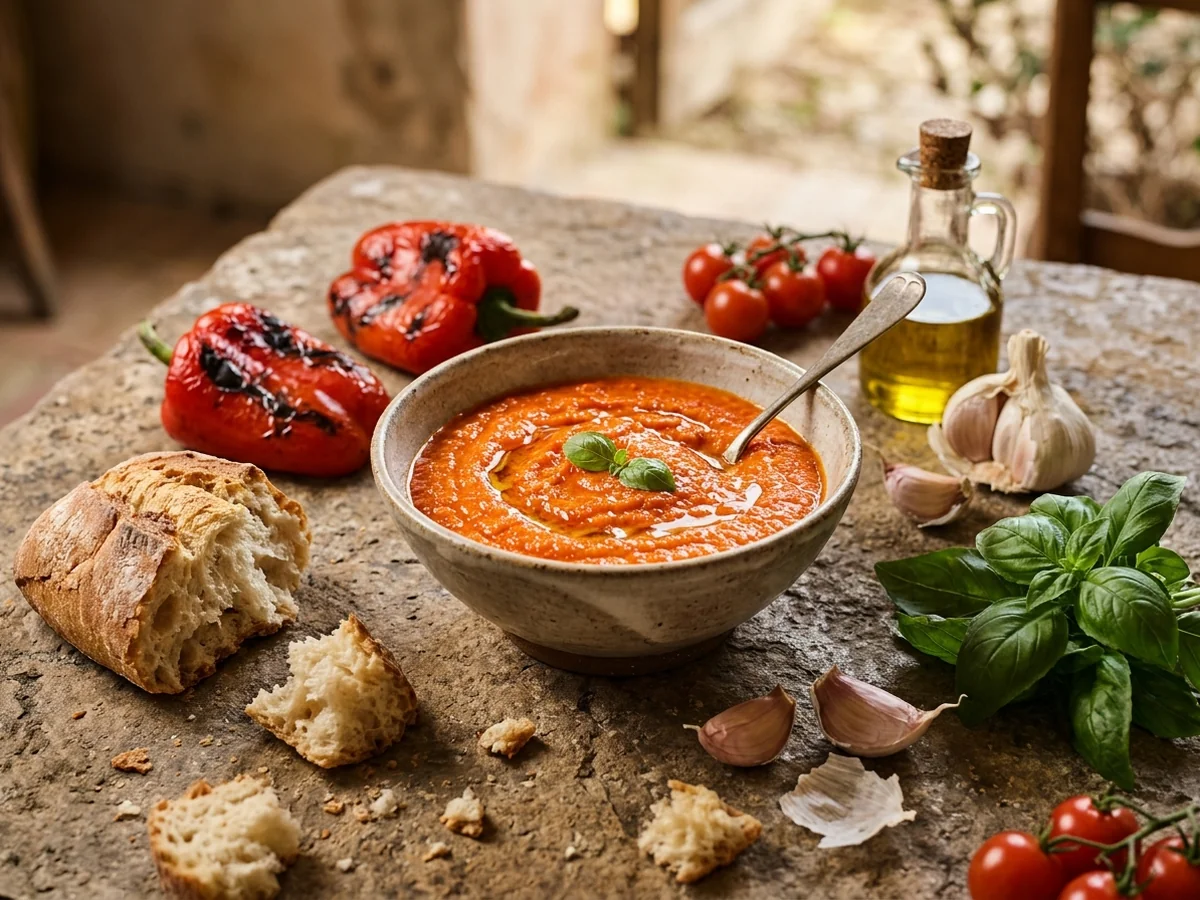
The culinary foundation of modern preparations lies in the Italian dish known as Crema di Peperoni. Historically, this dish reflects a regional approach to cooking that prioritizes the natural sweetness of peak-season bell peppers (Capsicum annuum). By slow-roasting the vegetables until they are tender and caramelized, cooks can extract a deep, concentrated flavor profile that serves as the base for many classic Mediterranean meals.
Common culinary guidance suggests that a traditional Crema di Peperoni does not require the addition of cream, cheese, or nuts to achieve a rich, luxurious consistency. Instead, the desired mouthfeel is typically reached through the natural emulsification of the roasted pepper flesh and high-quality olive oil. When these two elements are processed together in a blender or with an immersion blender, the vegetable fibers and fats bind to create a smooth, velvety texture. This technique allows the nuanced flavor of the peppers to remain the focal point of the dish, rather than being masked by heavy dairy thickeners.
While many modern interpretations of a creamy roasted red pepper pasta sauce introduce cashews or heavy cream as a shortcut to achieve a thick consistency, these additions can inadvertently dull the vibrancy of the dish. Mastering the original emulsification method allows home cooks to create a vegan roasted red pepper sauce that is naturally light yet satisfying. This preparation is suitable for pairing with wide noodles like pappardelle, as the surface area of wider pasta shapes effectively captures the sauce, ensuring a balanced bite every time.
When preparing a homemade roasted red pepper sauce recipe, precision in technique is as important as ingredient selection. A frequent mistake among home cooks is failing to fully char the skin of the peppers, which prevents the flesh from breaking down into the necessary puree. Furthermore, those experimenting with a roasted red pepper cream sauce for chicken or other proteins should keep food safety in mind. Since this is a vegetable-based dish, it is vital to follow standard food safety practices, such as those recommended by the USDA Food Safety and Inspection Service, when cooling and storing leftovers to maintain quality and prevent spoilage.
Selecting and Preparing Bell Peppers
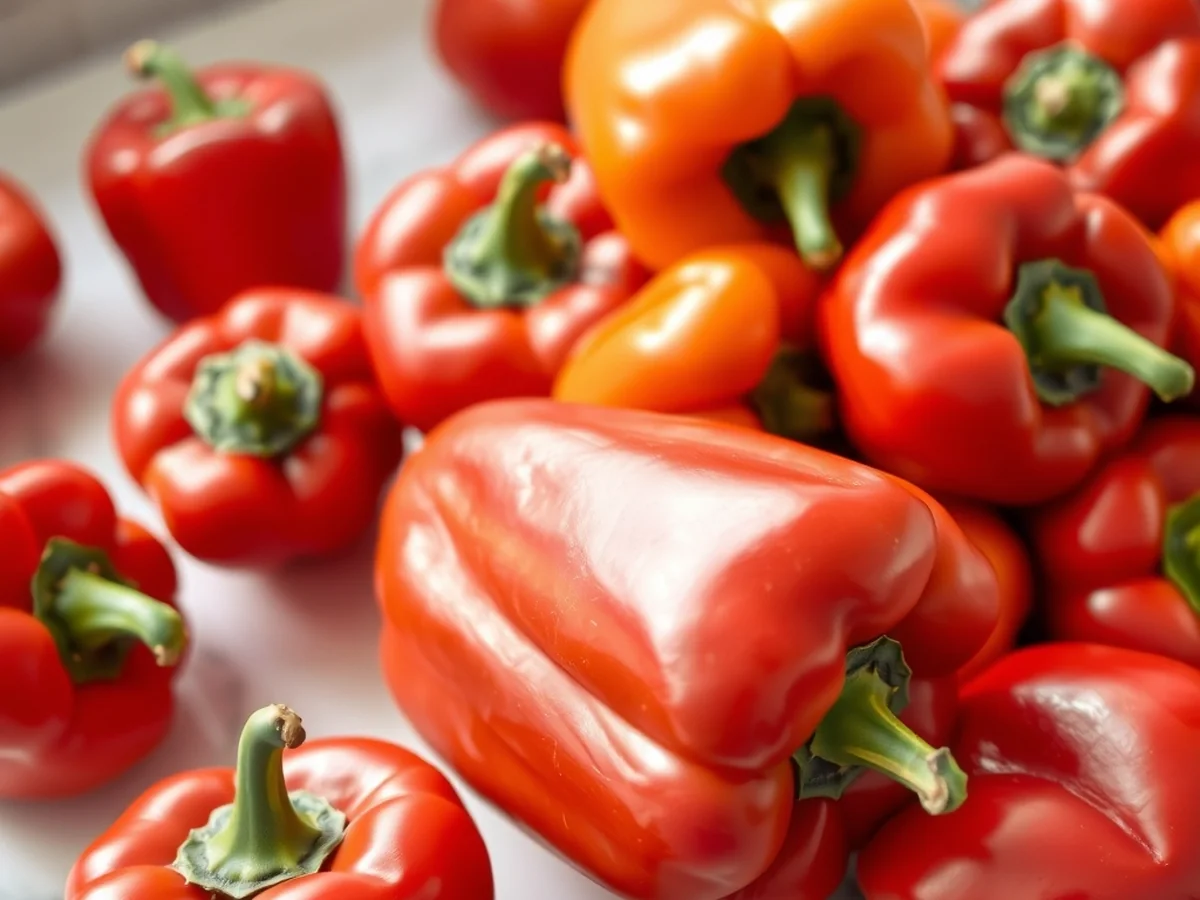
Choose vibrant red bell peppers with firm, unblemished skin to maximize natural sweetness in your dish. Peppers that have turned fully red on the vine contain higher sugar levels compared to those harvested while still green or orange, which often carry a sharper, more acidic bite. If your goal is a milder, sweeter profile, look for heavy peppers with a smooth, glossy appearance.
Home-roasting your own peppers offers a superior texture and depth that jarred versions often lack. While store-bought jars provide convenience, they are frequently packed in brine or citric acid, which can mask the delicate, smoky flavor of the vegetable. By roasting them yourself, you control the char level, resulting in a silkier consistency that integrates perfectly into your vegetable-based condiment.
To achieve the ideal charred skin for easy peeling, place your peppers under a high broiler or directly over a gas flame. Rotate them frequently until the skin blackens and blisters evenly across the entire surface. This intense heat collapses the outer layer, allowing it to pull away from the flesh without much effort.
Follow these steps to ensure the best results during the preparation process:
- Place charred peppers in a heat-proof bowl and cover tightly with plastic wrap or a lid to trap steam for ten minutes.
- Peel away the loosened, blackened skin using your fingers or a paper towel, but avoid rinsing under running water to keep the concentrated smoky oils intact.
- Remove the seeds and stem remnants carefully before blending the flesh into your mixture.
Properly charred and steamed peppers will yield a velvety texture that serves as a robust base for your culinary creations. This preparation technique ensures that your finished dish maintains a bright, authentic flavor. According to the Auguste Escoffier School of Culinary Arts, this type of preparation is suitable for pairing with wide noodles like pappardelle.
Techniques for Smooth Texture
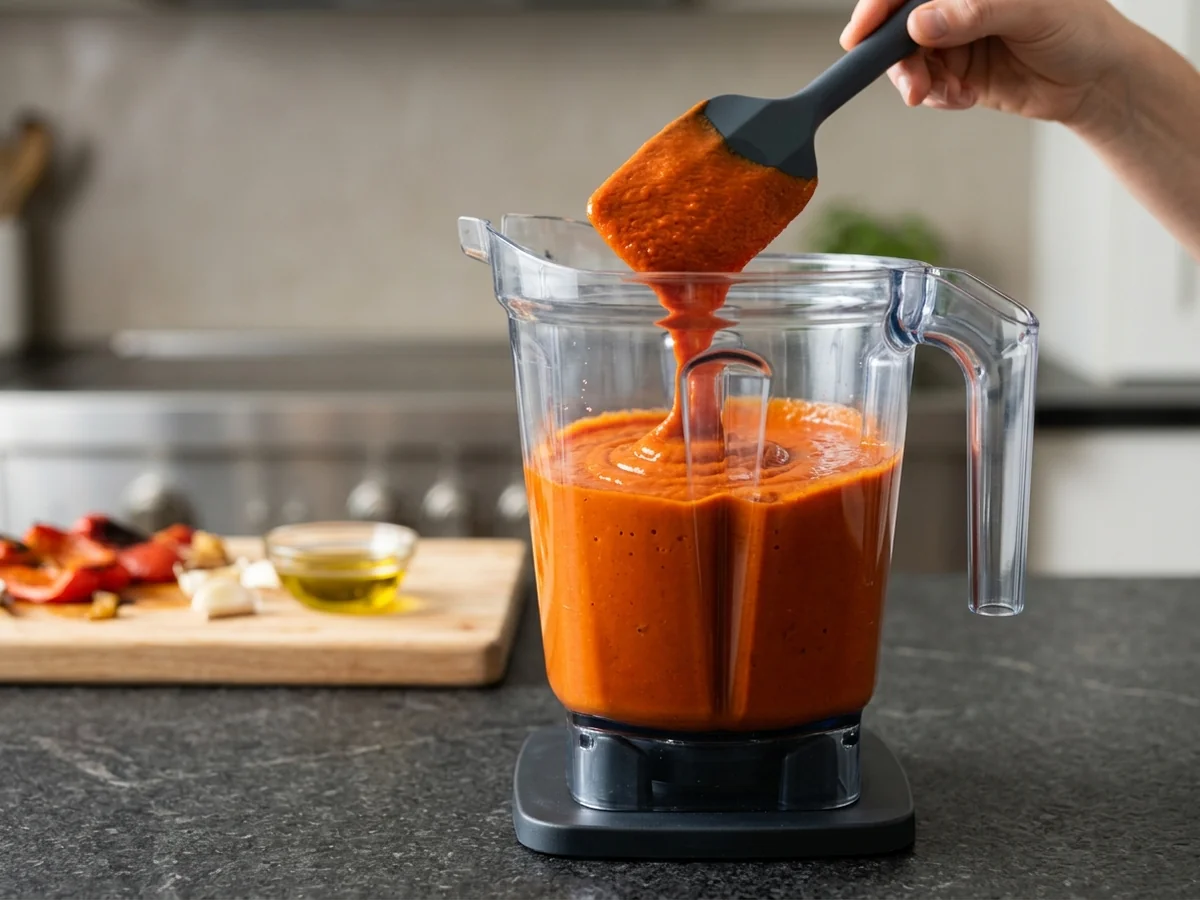
Achieving a velvety finish depends on your choice of equipment and how you manage the emulsion. A high-speed blender is superior for creating a perfectly uniform, professional-grade texture because it breaks down fibrous vegetable skins and garlic bits more thoroughly than an immersion blender. While a stick blender offers convenience and direct pot-to-jar ease, it may leave behind tiny flecks of pepper skin unless you spend extra time processing the mixture.
You can achieve a luxurious, creamy roasted red pepper pasta sauce without adding heavy cream or dairy by leveraging the natural properties of the vegetables. Blending the peppers with a small amount of starchy pasta water helps bind the ingredients into a cohesive, silky mixture. This approach is a common practice in Italy, where the traditional dish known as Crema di Peperoni is prepared without dairy or nuts, relying instead on the weight and density of the blended produce.
Balancing the emulsion requires a steady, slow incorporation of high-quality olive oil. Adding the fat in a thin, continuous stream while the motor is running allows the oil to fully integrate with the vegetable pulp, which thickens the texture and adds a glossy sheen. If you find the flavor too sharp, use roasted garlic instead of raw cloves to provide a mellower, sweeter undertone that complements the natural sugars of the bell peppers.
- Use a high-speed blender for the smoothest results.
- Incorporate starchy pasta water to improve the body of the mixture.
- Drizzle olive oil slowly to ensure a stable, silky emulsion.
- Choose roasted garlic for a deeper, more refined flavor profile.
For the best dining experience, this refined vegetable blend is suitable for pairing with wide noodles like pappardelle. The increased surface area of the broad pasta ribbons ensures that every bite is coated evenly, highlighting the velvety quality you worked to achieve during the blending process.
Dietary Adaptations and Substitutions
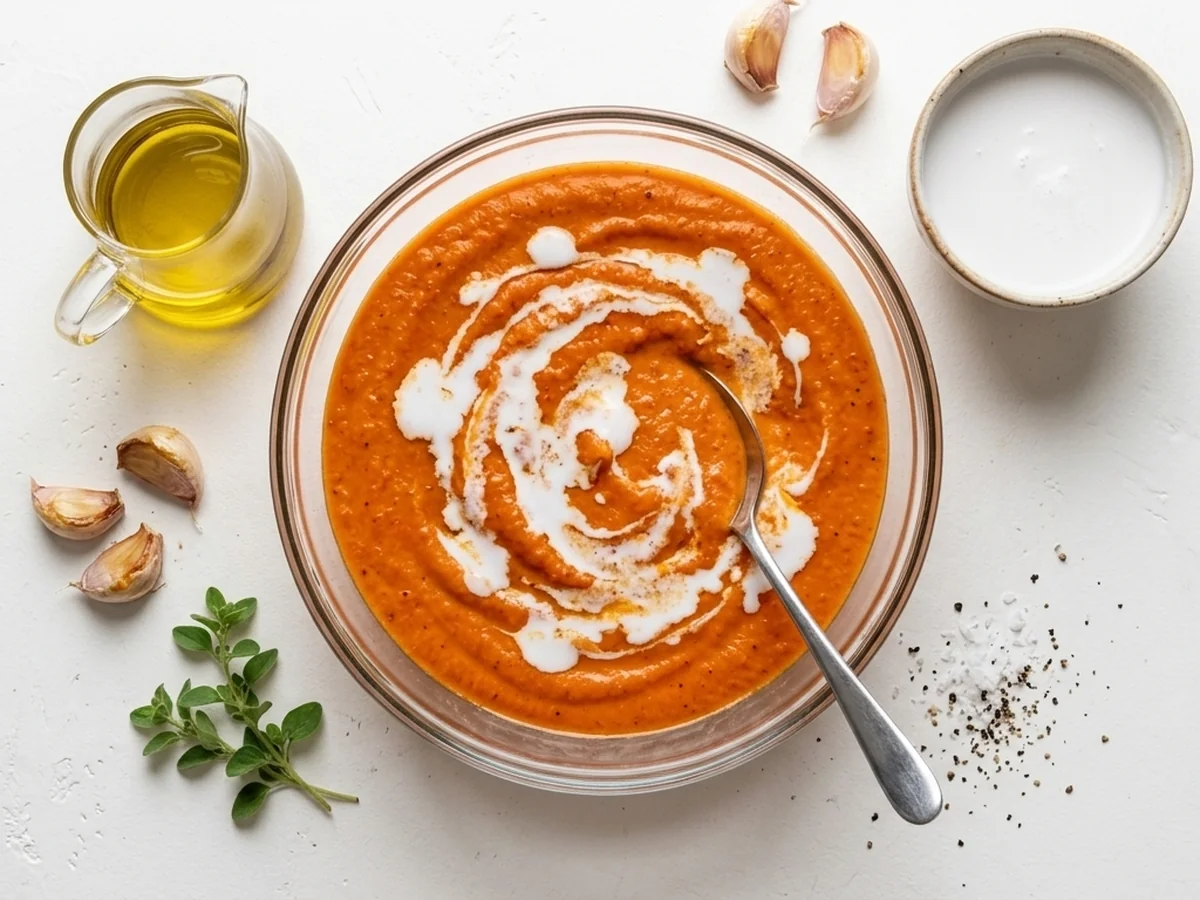
You can create a delicious vegan blend by swapping traditional dairy for plant-based fats like extra virgin olive oil or full-fat coconut milk. Emulsifying these fats into the blended peppers builds a luxurious texture that mimics the mouthfeel of classic Italian preparations. It is common to prepare Crema di Peperoni without cream or nuts while still achieving a rich, satisfying consistency.
If you need a nut-free approach to thicken your blend, consider these reliable alternatives that ensure a velvety consistency without compromising the flavor profile:
- Starchy vegetables like roasted cauliflower or boiled potatoes provide a dense, creamy body when pureed into the base.
- White beans such as cannellini or navy beans offer a neutral, high-protein thickener that creates a silky finish.
- Cooked rice or soft silken tofu can be blended in to achieve a smooth, stable emulsion.
- Sunflower seeds, when soaked and blended until completely smooth, mimic the rich mouthfeel of traditional cashew-based sauces.
- A small amount of cornstarch or arrowroot powder slurry whisked in over heat serves as a simple, effective binding agent.
Customizing your herb and seasoning profile allows you to tailor the final dish to your personal palate. Start with a foundation of roasted garlic and olive oil, then layer in fresh basil, oregano, or thyme for an herbaceous brightness. If you prefer a bolder, more complex flavor, smoked paprika or a pinch of red pepper flakes can introduce a subtle depth.
For a brighter finish, add a splash of lemon juice or balsamic vinegar to balance the natural sweetness of the peppers. Always adjust your salt and pepper in small increments, tasting as you go, to ensure the seasonings support rather than overpower the delicate vegetable notes. This adaptable blend is suitable for pairing with wide noodles like pappardelle, making it a versatile choice for any meal.
Food Safety and Storage
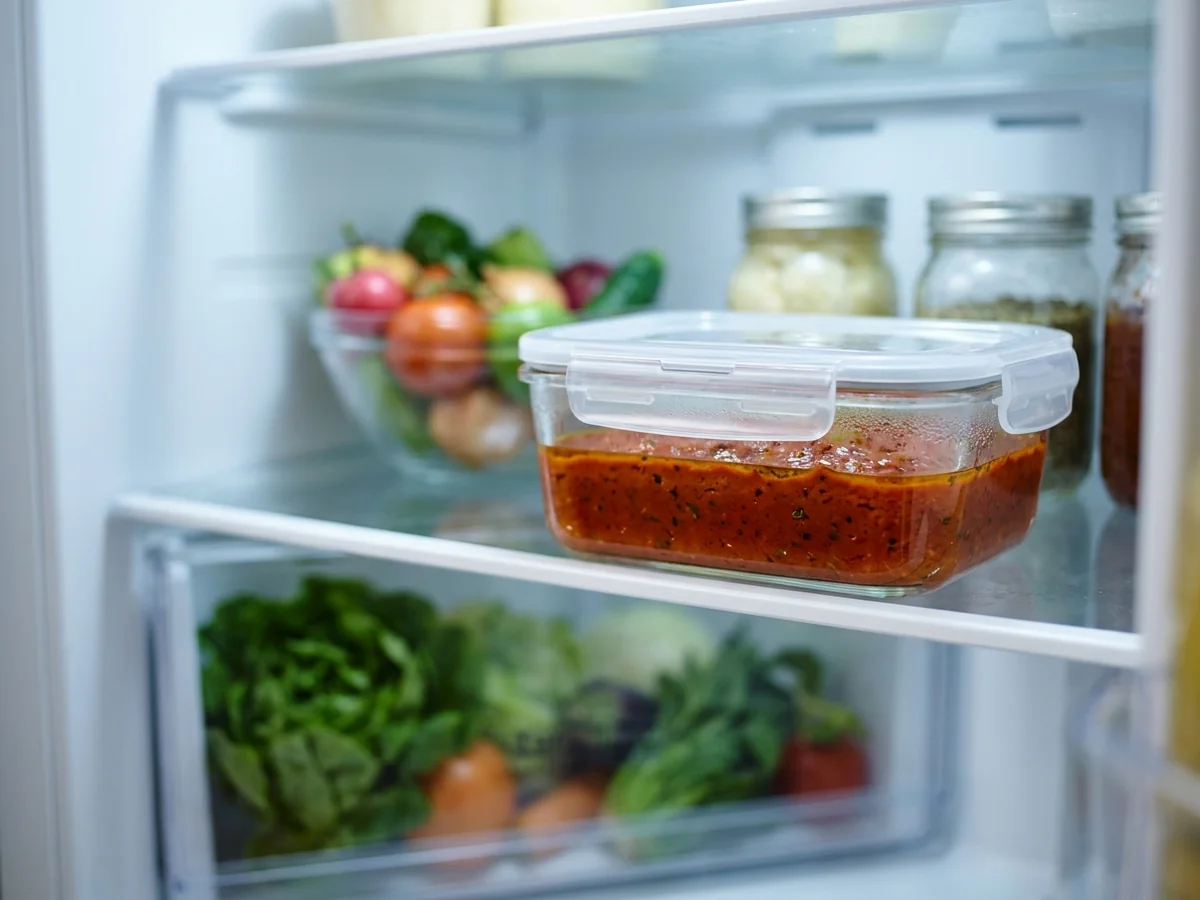
Maintaining the quality of your homemade vegetable blend requires careful temperature management. Because this preparation often relies on fresh bell peppers, garlic, and olive oil, it is a perishable product that thrives in a controlled environment. According to the USDA Food Safety and Inspection Service, you should never leave cooked vegetable-based mixtures in the temperature danger zone, which is between 40 and 140 degrees Fahrenheit, for more than two hours. Allowing the mixture to sit at room temperature for extended periods encourages bacterial growth, which can quickly compromise the flavor and safety of your culinary creation.
Rapid Cooling Techniques
To safely manage your puree after blending, avoid placing a large, hot volume directly into the refrigerator. A large mass retains heat for too long, keeping the center of the mixture in the danger zone. Instead, divide your batch into several smaller, shallow containers. This increased surface area allows heat to dissipate much faster. Wait until the steam has dissipated and the containers are no longer hot to the touch before securing the lids. Place these containers in the coldest section of your refrigerator, typically the back of the bottom shelf, to ensure the temperature stays consistent.
Maximizing Freezer Life
If you have prepared a larger batch, freezing is an excellent way to keep a supply ready for quick meals, as this preparation is suitable for pairing with wide noodles like pappardelle. When using freezer-safe airtight containers or heavy-duty freezer bags, the mixture will maintain its peak quality for several months. Always leave about an inch of headspace at the top of your container, as the moisture content will cause the item to expand slightly during the freezing process.
Follow these essential storage practices to maintain the best results:
- Label every container with the date of preparation so you can track storage duration effectively.
- Thaw portions safely by placing them in the refrigerator overnight rather than on the kitchen counter.
- Do not refreeze the mixture after it has fully thawed, as this cycle can negatively impact the texture and integrity of the emulsion.
- If you notice any signs of spoilage, such as an off smell, mold, or a significant change in color or consistency, discard the contents immediately.
By following these guidelines, your roasted red pepper sauce remains as flavorful and fresh as it was the day you blended it.
Creative Serving Suggestions
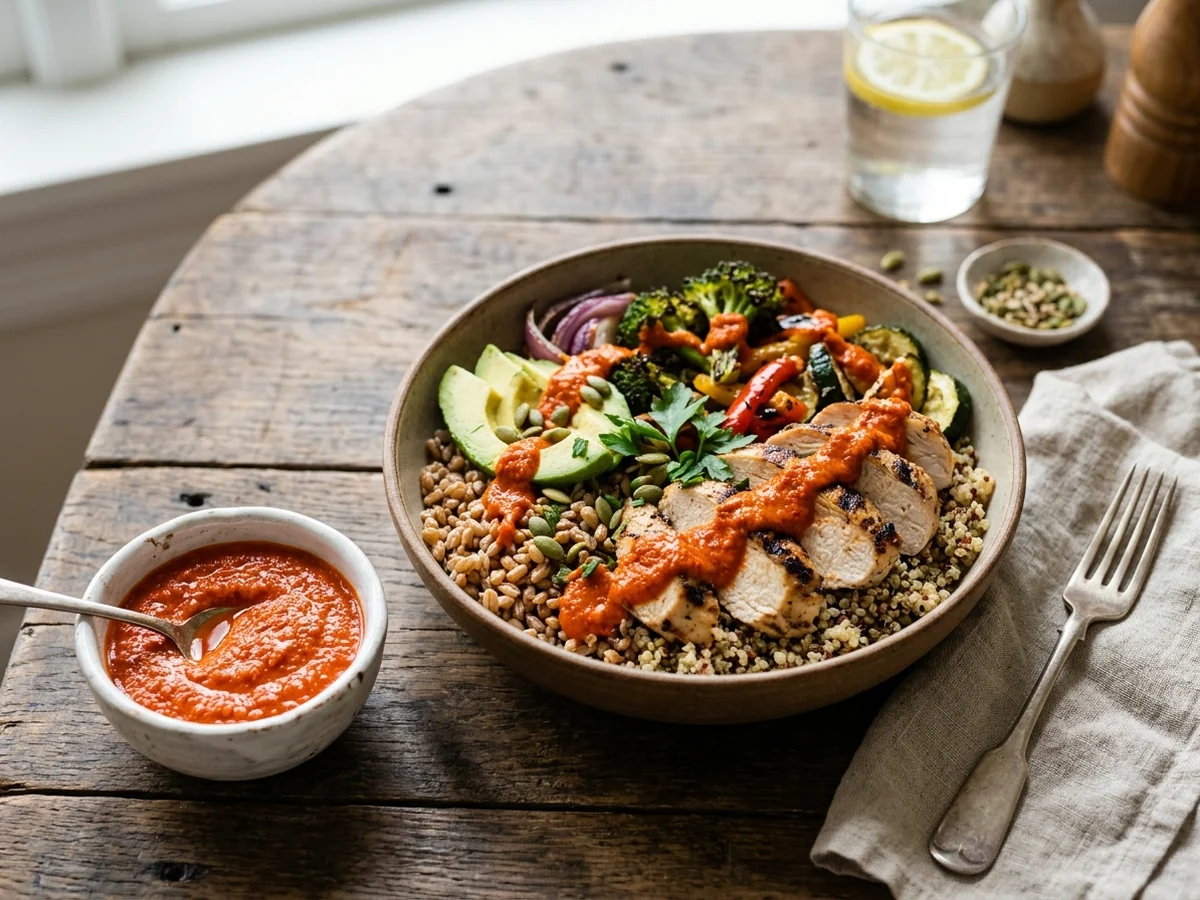
The versatility of this homemade condiment allows it to function as far more than a simple pasta topper. Because the base relies on the natural sweetness of bell peppers, it balances well with both earthy grains and lean proteins. When selecting how to serve your preparation, consider the texture and intent of your meal, whether you are crafting a quick lunch or a more deliberate dinner.
For pasta dishes, the shape of the noodle significantly impacts the eating experience. According to Escoffier, wide noodles like pappardelle are ideal because their broad surface area holds the mixture more effectively than thinner, delicate strands. This ensures every bite is coated evenly. You can transform this base into a rich, velvety topping for poultry by stirring in a splash of heavy cream or a plant-based alternative during the final minute of simmering. This technique provides a luxurious mouthfeel without masking the smoky notes of the peppers.
| Application | Best Pairing | Key Advantage |
|---|---|---|
| Pasta | Pappardelle | Maximum surface coating |
| Poultry | Roasted chicken | Flavor integration |
| Prep Bowls | Quinoa or beans | Texture contrast |
If you are preparing meals for the work week, try thinning the mixture with a small amount of vegetable broth. This adjustment creates a vibrant, pourable dressing that pulls together roasted chickpeas, grilled chicken, and hearty grains into a cohesive dish. A common practice in traditional Italian kitchens is to prepare Crema di Peperoni without the addition of cream or nuts, allowing the pure flavor of the capsicum annuum to stand alone. This method is particularly useful for those seeking a lighter, plant-based preparation that remains satisfying.
A common mistake when using this component for cold grab-and-go meals is failing to account for temperature. If you intend to use the mixture as a dip for crunchy vegetables, ensure it is completely chilled before serving to maintain the structural integrity of the raw produce. When incorporating it into warm bowls, add it just before serving to prevent the texture from thinning too much against hot ingredients. By adjusting the consistency with broth or cream, you can move seamlessly from a thick, rustic spread to a silky, refined accompaniment.
Common Mistakes to Avoid
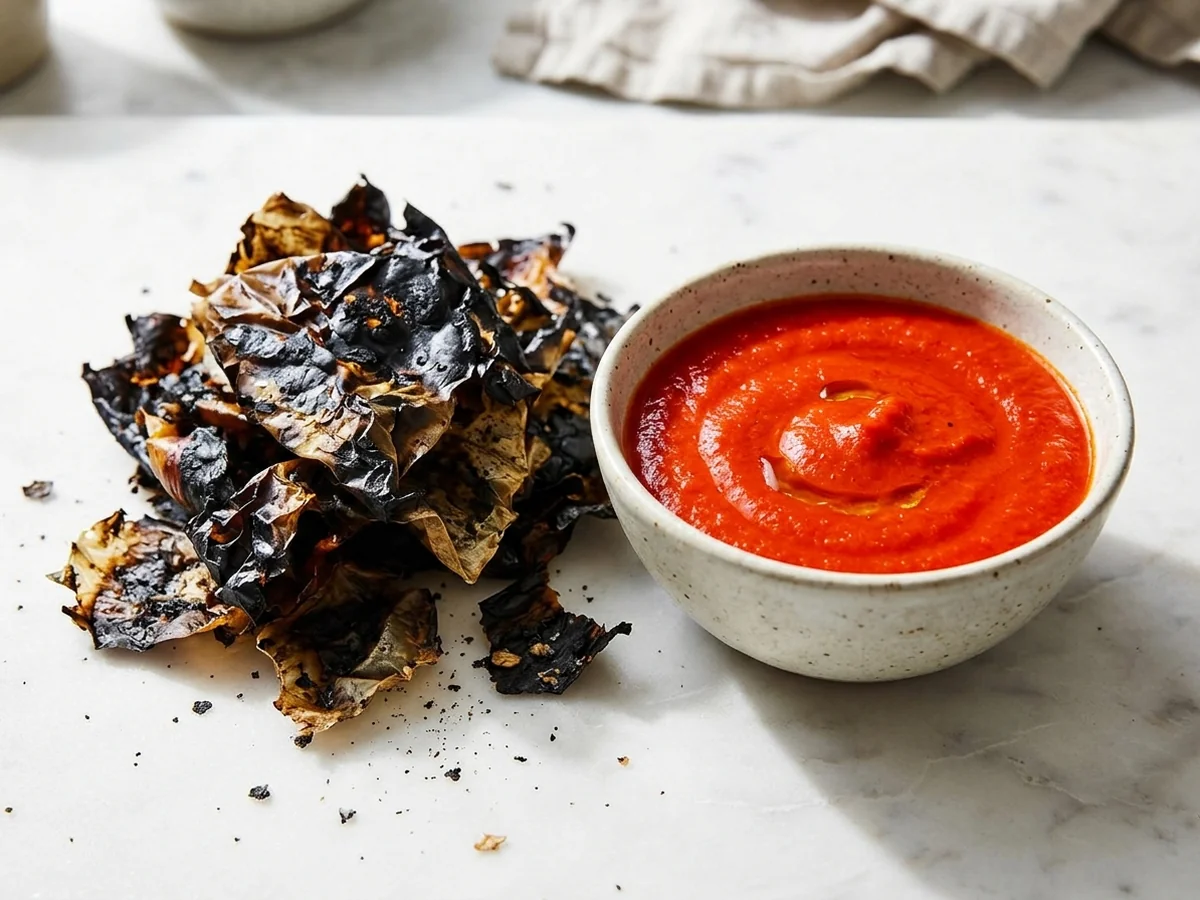
Achieving a smooth, balanced flavor profile requires careful attention to the charring process and the final consistency of your bell pepper purée. Avoiding these common pitfalls ensures your result remains vibrant and sweet rather than bitter or thin. While Crema di Peperoni is a traditional Italian sauce that can be made without cream or nuts, success relies on proper technique during preparation.
Managing Heat and Texture
The most frequent error involves the handling of bell peppers. Failing to remove charred skin leaves behind small, tough black flecks that ruin the velvety texture of your purée. To avoid this, allow your peppers to steam in a sealed bag or covered bowl for ten minutes after roasting. This simple step makes the peeling process efficient and helps you remove every bit of charred surface area. Additionally, be mindful of garlic. Leaving garlic cloves exposed to direct high heat for too long causes them to burn, introducing a harsh, acrid bitterness that is difficult to mask.
Achieving the Ideal Consistency
When blending your ingredients, using too much liquid during the initial stage often results in a watery consistency that fails to coat your pasta properly. It is better to start with less liquid and adjust as you go. If you find the texture is naturally too thin, adding a small amount of starchy pasta water can help thicken and emulsify the mixture. Alternatively, you can reduce the liquid over low heat before serving to concentrate the flavors. For those preferring a thicker, more robust texture, consider blending in a small amount of white beans or roasted cauliflower. This adds body without the need for dairy or nuts.
Serving and Food Safety
Once you reach the perfect consistency, remember that this vibrant preparation is excellent when paired with wide noodles like pappardelle, as the ribbons hold the thick coating better than thinner pasta varieties. Proper storage is also essential to maintain quality. When preparing this vegetable based condiment from scratch, follow standard food safety guidelines. Store leftovers in airtight containers in the refrigerator and consume within three to four days to ensure freshness. If you choose to freeze the mixture, allow it to cool completely before portioning it into freezer-safe bags, removing as much air as possible to prevent freezer burn.
FAQ
What is roasted red pepper sauce called?
In traditional Italian cooking, this dish is known as Crema di Peperoni. Many home cooks prepare it as a simple vegetable-based condiment without adding heavy cream or nuts to achieve a smooth consistency.
How do I make roasted red pepper sauce?
You make this preparation by roasting bell peppers until the skin is charred, then blending the softened flesh with olive oil, garlic, and seasoning. Using an immersion blender or a high-speed countertop blender ensures the mixture reaches a smooth, consistent texture.
How do you make roasted red pepper pasta sauce?
To turn the base into a pasta topper, simmer the blended mixture in a pan until it reaches your desired thickness before tossing it with your cooked noodles. The Escoffier School of Culinary Arts notes that this preparation is particularly suitable for pairing with wide noodles like pappardelle.
Is it safe to store homemade vegetable sauces?
You can safely store homemade vegetable-based blends in the refrigerator for three to five days when kept in an airtight container. Always prioritize food safety by cooling the mixture quickly after cooking and avoiding keeping it at room temperature for more than two hours.
Can I make this sauce without dairy?
Yes, you can easily create a delicious version of these blended vegetables that relies on their natural silky texture rather than dairy products. This approach highlights the sweetness of the peppers and is a common practice for those looking to keep their meal prep light and plant-based.
Conclusion
The primary decision when finishing your dish is choosing the perfect base for your meal. This blend of charred peppers is suitable for pairing with wide noodles like pappardelle, which hold the texture of the vegetables beautifully. You can also explore traditional variations, as it is common practice to prepare Crema di Peperoni without using any cream or nuts. Simply taste your final mixture to adjust the seasoning before serving, or store any extra portions in an airtight container for your upcoming weekday lunches.
Sources: escoffier.edu
You might also like: How to Make Grilled Halloumi Cheese at Home