How to Make Homemade Flatbread Crackers
Introduction to Making Homemade Flatbread Crackers
Making homemade flatbread crackers requires just a handful of basic pantry staples and a rolling pin. Baking easy homemade flatbread crackers at home lets you skip store-bought boxes while enjoying a warm, crispy snack straight from your own oven.
Welcome home cooks and baking enthusiasts to the world of simple snack preparation. You will find that mastering this recipe brings both simplicity and flavor to your kitchen, elevating your weekday lunches with zero daily stress.
Essential Pantry Ingredients for Crispy Flatbread Crackers
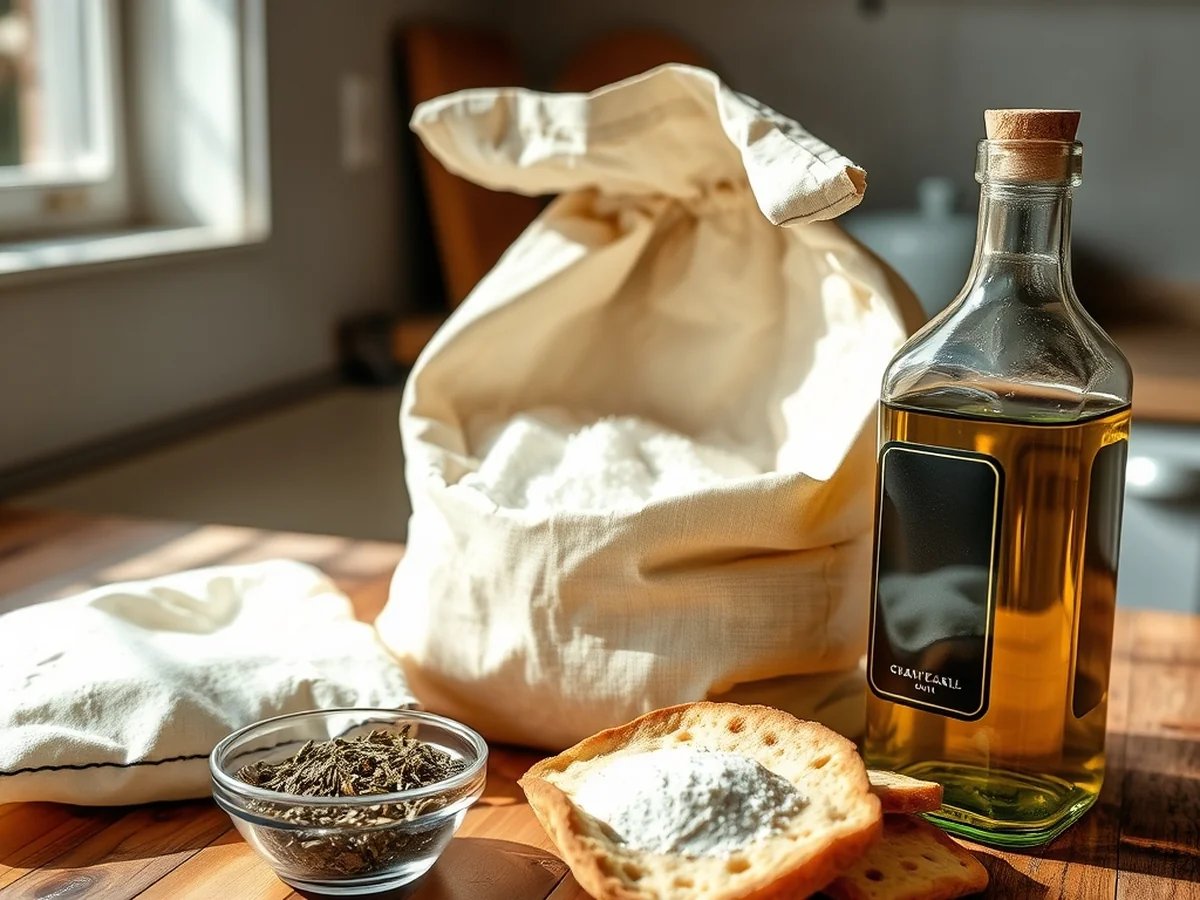
Baking crunchy homemade flatbread crackers from scratch requires a balanced mix of foundational pantry staples, flavorful herbs, and quality fats. Gathering the right components ensures your dough achieves the ideal texture and rich taste profile without needing any complex equipment.
Foundational Dry Staples
The structural foundation of your easy homemade flatbread crackers relies on all-purpose flour. According to documentation from Allrecipes, the recipe uses 1 and 1/2 cups of all-purpose flour, providing the necessary gluten for a sturdy yet delicate bite. To complete the dry mixture, combine this flour with kosher salt and a touch of white sugar to balance the savory elements.
Fats and Liquids
Extra-virgin olive oil adds a rich depth of flavor and tenderizes the dough so your crispy flatbread crackers turn out shatteringly crisp. Cold water brings the dry and wet components together smoothly, helping hydrate the mixture without activating too much unwanted elasticity. Measuring these liquids carefully ensures the dough remains pliable and easy to roll out on a baking sheet using a standard rolling pin.
Flavor Boosters and Toppings
Adding minced fresh rosemary infuses the baked goods with an earthy, aromatic herbal punch that pairs wonderfully with cheese. Freshly grated Parmigiano Reggiano cheese melts slightly during baking to create savory, golden edges on every piece. When preparing these baked snacks, typical baking guidance suggests setting your oven to 400 degrees Fahrenheit or 200 degrees Celsius to achieve that perfect golden brown finish.
Mixing, Kneading, and Rolling Your Cracker Dough
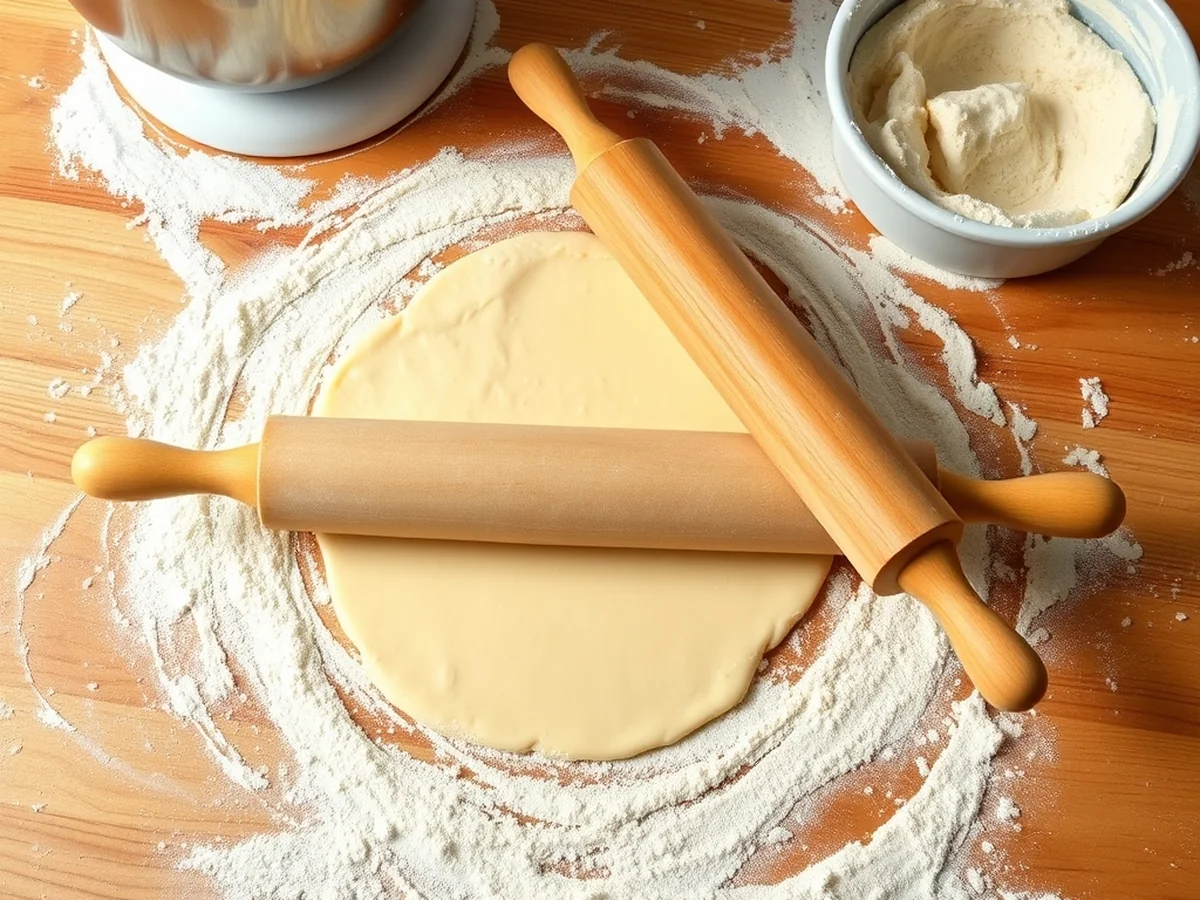
Combining your components correctly ensures that your snack develops the right texture without turning tough. Following a reliable approach, such as the formulation found in the Allrecipes recipe using 1 and 1/2 cups of all-purpose flour, gives you a dependable base for an elevated weekday lunch box or a relaxing afternoon snack. Start by whisking your dry ingredients in a large bowl before incorporating any liquids, which helps distribute moisture evenly and prevents stubborn pockets of dry powder. This foundational step keeps the dough balanced as you bring everything together into a cohesive mass.
Working the Dough
Once the ingredients form a ball, working the dough on a clean surface requires steady, firm motions. If you are preparing homemade flatbread crackers no yeast, kneading the mass briefly on a lightly floured counter helps develop elasticity until the surface feels smooth and manageable. A common mistake is adding too much extra flour during this stage, which can dry out the dough and make the finished snack overly hard instead of light and crisp. Keeping your hands light helps preserve the tender quality of the dough.
Rolling for Even Thickness
Using a rolling pin is essential to achieve an even sheet before baking. Uneven spots cause uneven results, meaning thick areas remain stubbornly chewy while thin edges burn quickly. Roll the dough outward from the center in all directions, turning it frequently to maintain a uniform thickness across your baking sheet. Infusing the dough with minced fresh rosemary and grated cheese adds wonderful flavor, but keeping the thickness consistent is the true secret to success. Mastering this technique guarantees that your homemade flatbread crackers turn out wonderfully crisp every single time.
Baking Instructions and Optimal Oven Temperatures
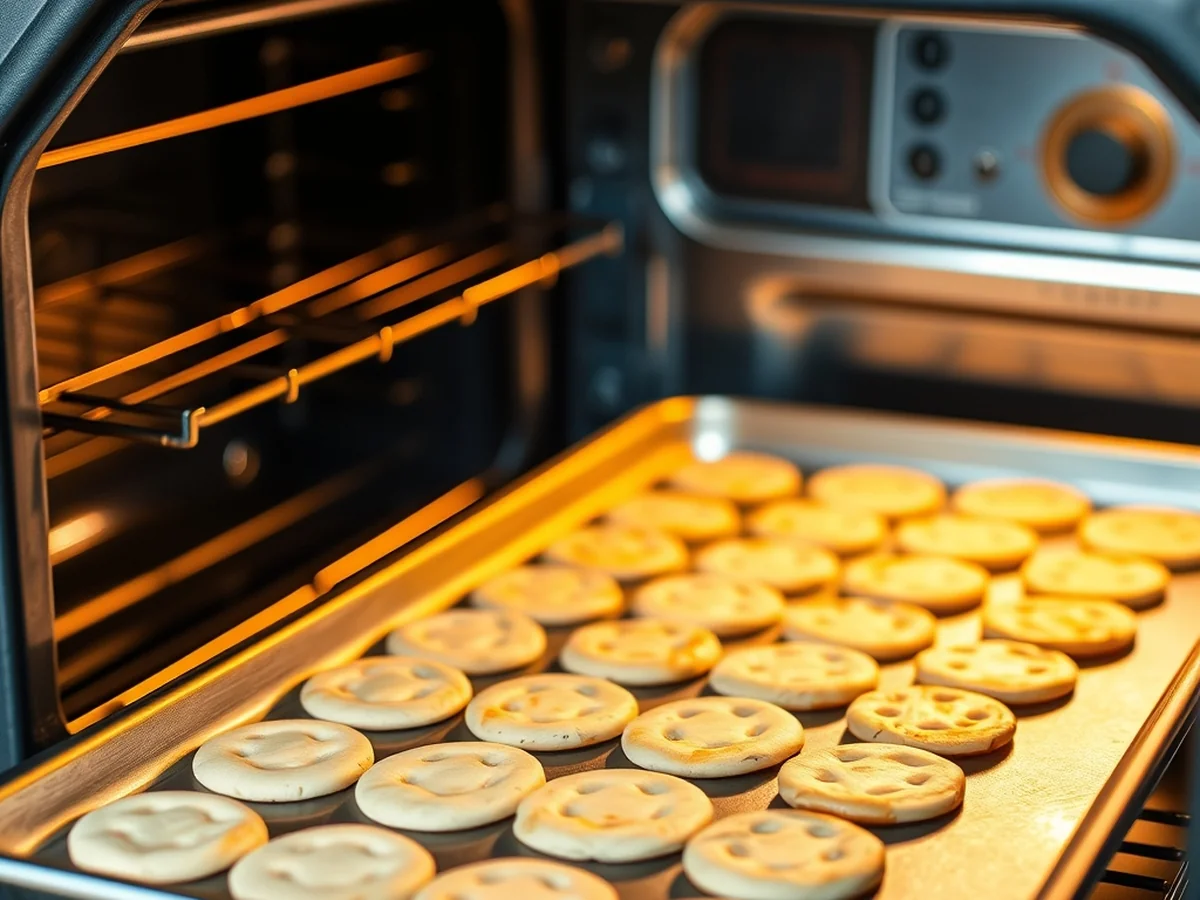
Achieving that ideal crunch for your homemade flatbread crackers relies heavily on proper heat management and rack placement. Typical culinary guidance points toward a baking temperature of 400 degrees Fahrenheit or 200 degrees Celsius, which helps transform simple pantry staples such as all-purpose flour into a light and snappy midday snack. Managing your oven environment properly prevents uneven cooking and burnt edges.
Preheating and Rack Positioning
Start by preheating your oven thoroughly before sliding the baking sheet inside. Placing your pan on the center rack allows the heat to circulate evenly around the rolled dough, ensuring the center dries out at the same rate as the perimeter. If you notice your oven has hot spots, rotating the baking sheet halfway through the baking time helps achieve a uniform golden brown finish across every single piece.
Timing and Visual Cues
To avoid common baking mistakes, watch the oven closely during the final minutes of the timer. Because these crackers are thin, they can transition from perfectly crisp to overcooked in a matter of moments. Keep an eye on the edges for a deep golden brown color, which signals that your crispy flatbread crackers recipe is finished and ready to transfer to a wire rack for cooling.
Troubleshooting Soft Crackers
If your homemade flatbread crackers no yeast batch emerges from the oven with a bendable texture rather than a firm snap, the dough may have been rolled too thick or removed from the heat too early. Returning the cooled pieces to a warm oven for a few extra minutes allows remaining moisture to evaporate completely, restoring that desired crispness without altering the flavor profile of the rosemary and cheese.
Cost Comparison Analysis Between Store Bought and Homemade Crackers
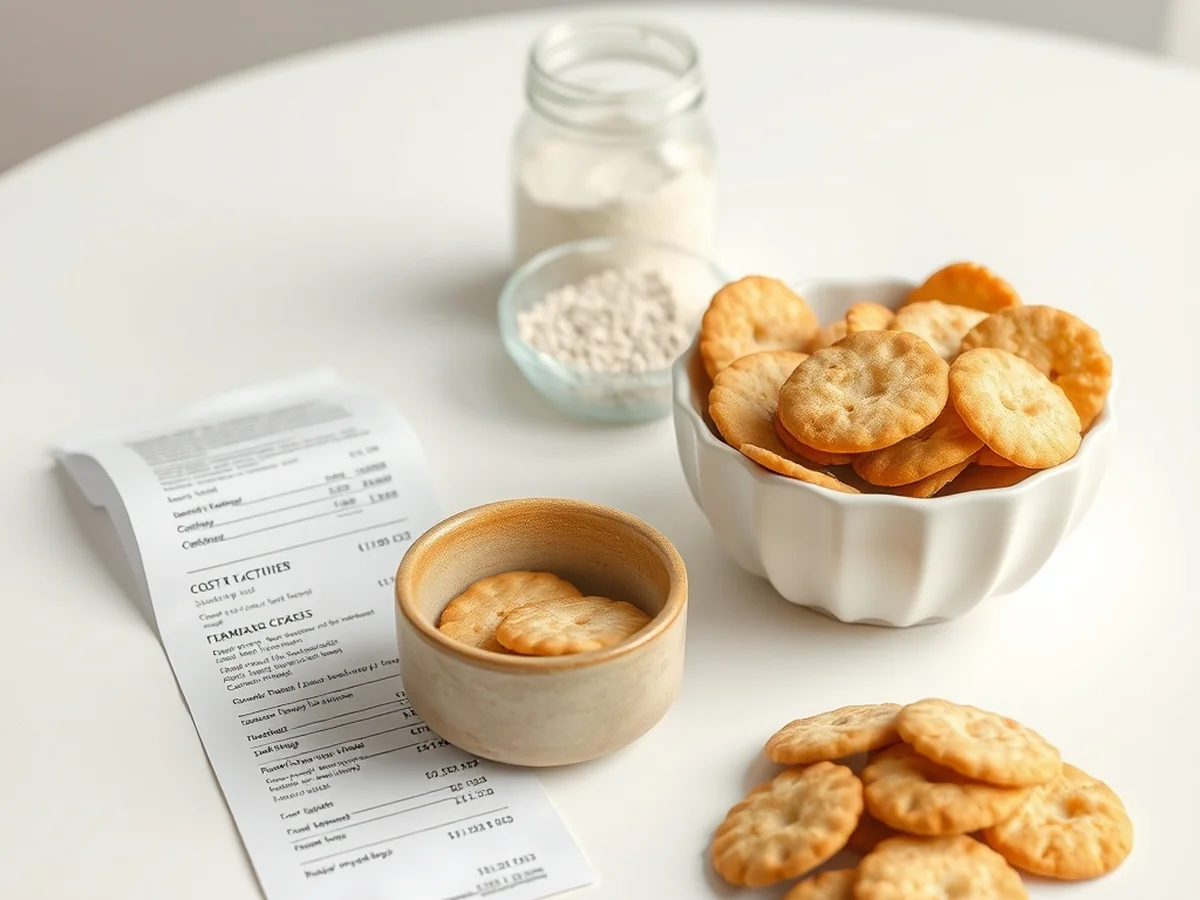
Baking snacks in your kitchen typically costs significantly less than purchasing pre-packaged alternatives at the grocery store. Simple pantry staples form the foundation of these budget-friendly baked goods, meaning you avoid paying for commercial packaging, brand markup, and factory processing. For instance, purchasing all-purpose flour in quantities like the 1 and 1/2 cups specified in standard recipes such as the one from Allrecipes drastically lowers the per-serving cost of your ingredients compared to buying tiny boxes of specialty biscuits.
| Expense Factor | Store Bought Varieties | Homemade Baked Snacks |
|---|---|---|
| Ingredient Purchasing | Pre-packaged and priced for convenience | Bulk flour and oil purchases |
| Processing and Markup | Includes factory overhead and branding | Zero commercial markup costs |
| Portion Yield | Fixed box sizes with strict limits | Large batches from basic staples |
Evaluating Grocery Store Expenses Versus Kitchen Savings
Stocking up on bulk baking supplies transforms everyday flour into an economical strategy for feeding a household. Store-bought boxes carry heavy retail markups because manufacturers factor in shipping and marketing expenses. Crafting your own crispy baked snacks at home lets you bypass those corporate markups entirely while keeping your pantry stocked with versatile baking essentials. When you assemble a batch of savory oven-baked treats, the financial advantages become clear within your weekly grocery budget.
Maximizing Value With Everyday Pantry Staples
Commercial brands charge a premium for specialty flavors like rosemary and parmesan. Recreating these savory snacks in your own kitchen requires only basic items like flour, oil, and water. By avoiding the added costs of factory labor and retail distribution, home cooks can produce large quantities of homemade savory biscuits for a fraction of the store price. This approach supports elevated weekday lunches and budget-friendly meal prep without sacrificing flavor or quality.
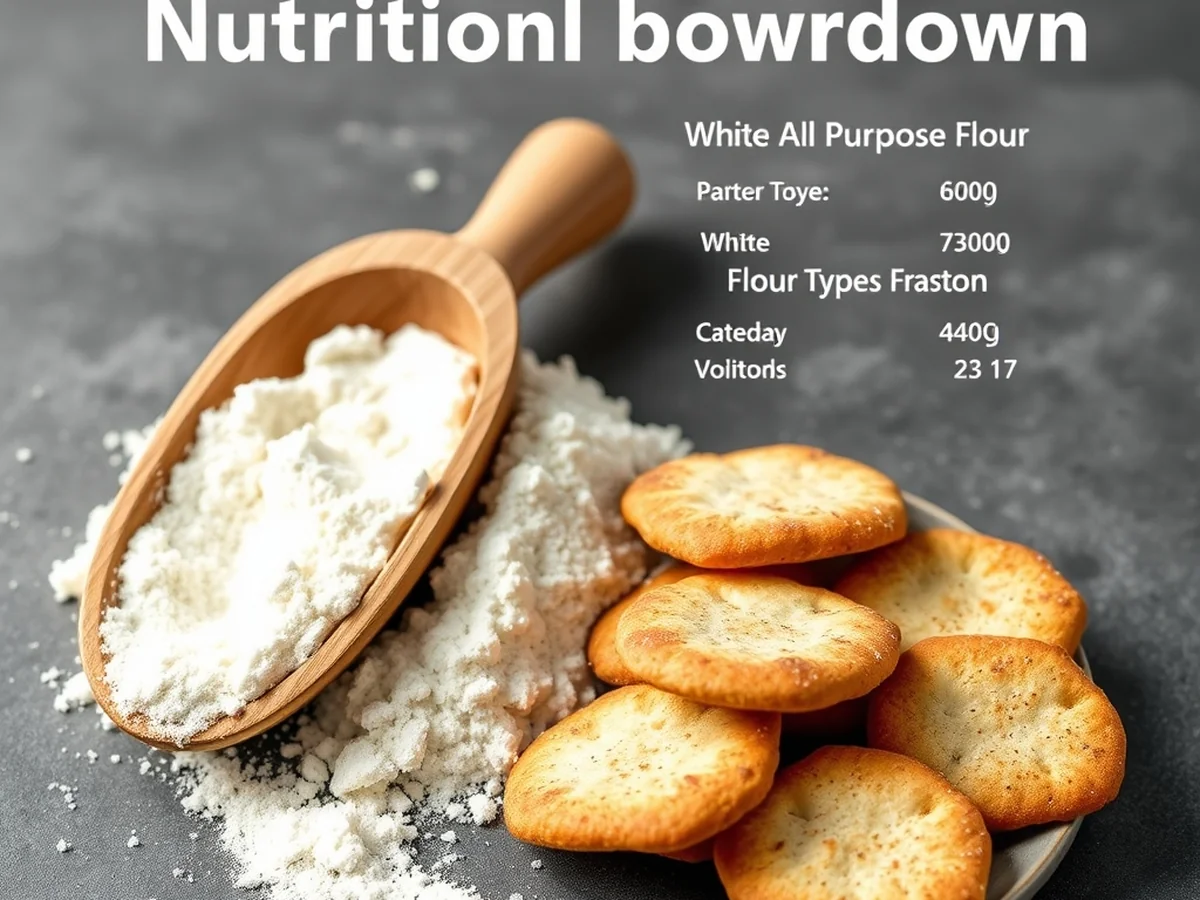
Nutritional Breakdown and Flour Type Variations
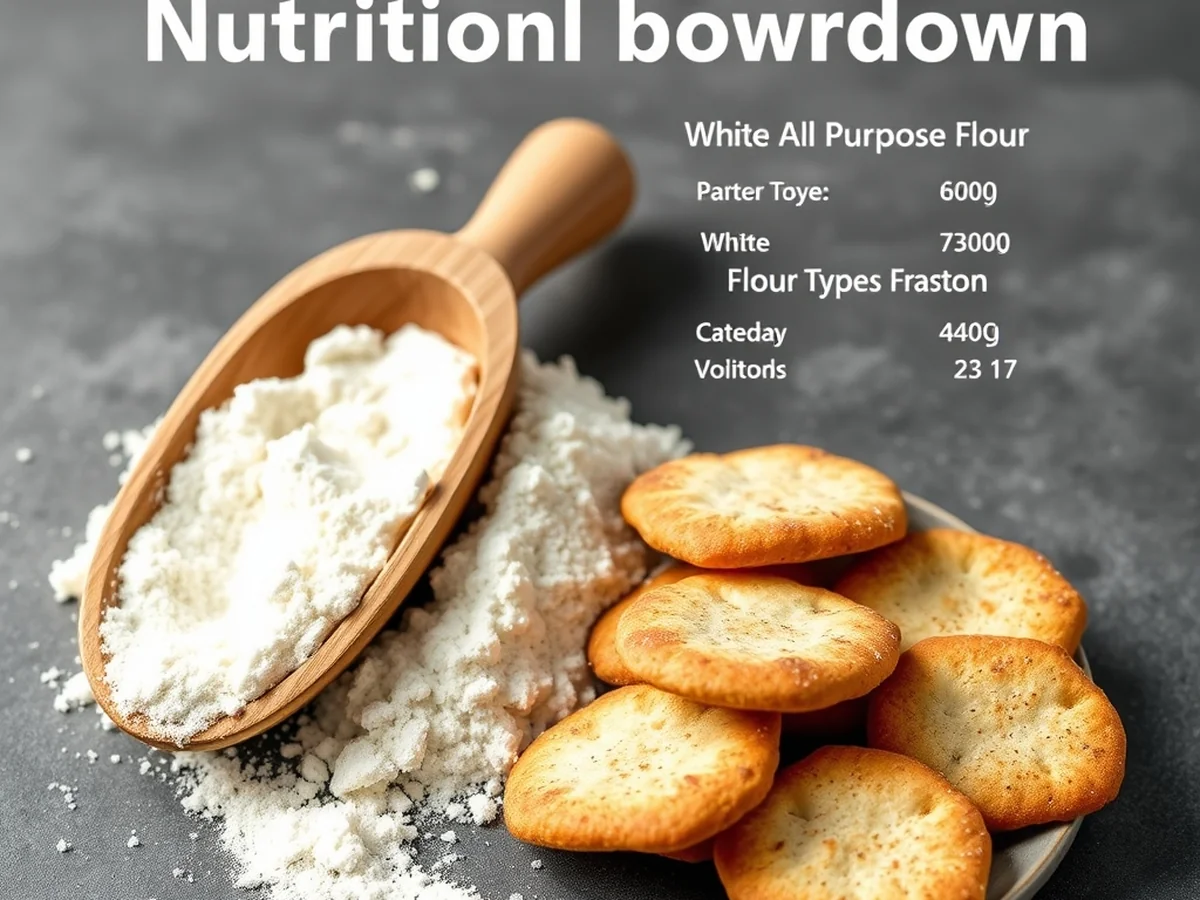
Standard cracker preparations rely heavily on refined all-purpose flour, which provides a light texture and simple carbohydrates for quick energy. For instance, recipes like the version from Allrecipes use 1 and 1/2 cups of all-purpose flour as the main base. This standard profile delivers a satisfying crunch, though it offers lower fiber content compared to unrefined grain alternatives.
Switching out the standard base for whole wheat flour introduces higher fiber content and a nutier flavor profile to your baked snacks. Whole grain flours absorb moisture differently, so you might need to adjust your liquid ratios slightly during mixing to achieve the right dough consistency. This simple swap helps keep your midday snacking aligned with balanced daily meal planning by adding more complex carbohydrates and sustained fullness.
Balancing these baked goods within your routine involves pairing them with protein rich dips, fresh vegetables, or wholesome soups. Because standard recipes often feature fats like extra virgin olive oil along with grated cheeses, viewing them as part of an overall balanced eating pattern works best. Portion control remains an easy strategy for enjoying these crunchy treats without overdoing your daily caloric intake.
Troubleshooting Common Issues with Cracker Dough
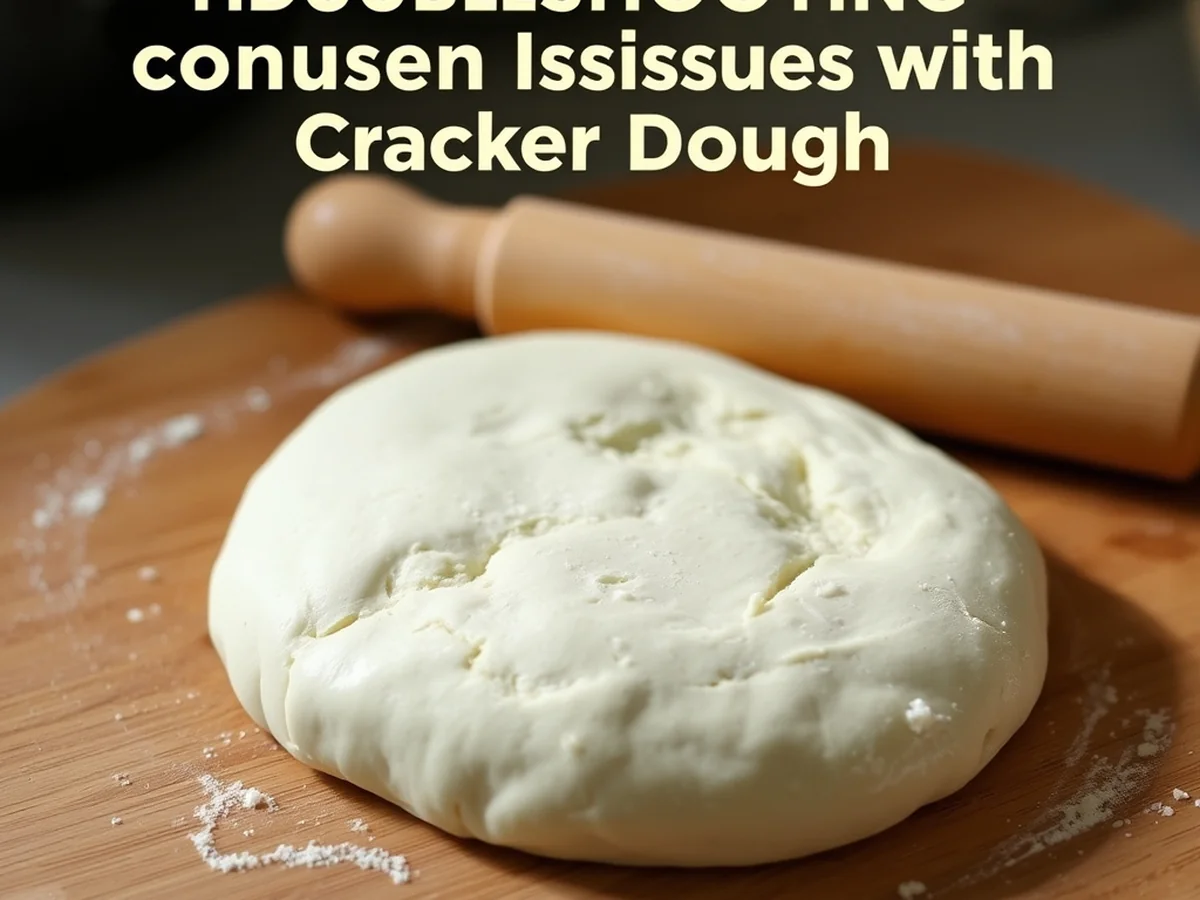
Fixing tough dough or burnt pieces comes down to adjusting your water ratios, monitoring your resting times, and managing your oven heat. When dough feels stiff and nearly impossible to roll out with a rolling pin, you likely need a tiny splash more liquid. Let the gluten relax by giving the mixture a proper rest before you try rolling it flat again.
Uneven baking and burnt edges usually happen when your baking sheet sits too close to the heating element or your oven runs too hot. Typical practice suggests baking around 400 degrees F or 200 degrees C, but every oven has hot spots. Rotate your pans halfway through the cooking time to ensure an even golden brown finish across every single piece.
Knowing how to turn flatbread into crackers successfully also depends on how thinly you manage to roll the sheet out. If the middle pieces stay chewy while the edges burn, your slab has varying thicknesses. Trim away the thicker outer edges before baking so everything bakes at the exact same rate.
Detailed Storage Instructions and Shelf Life Management
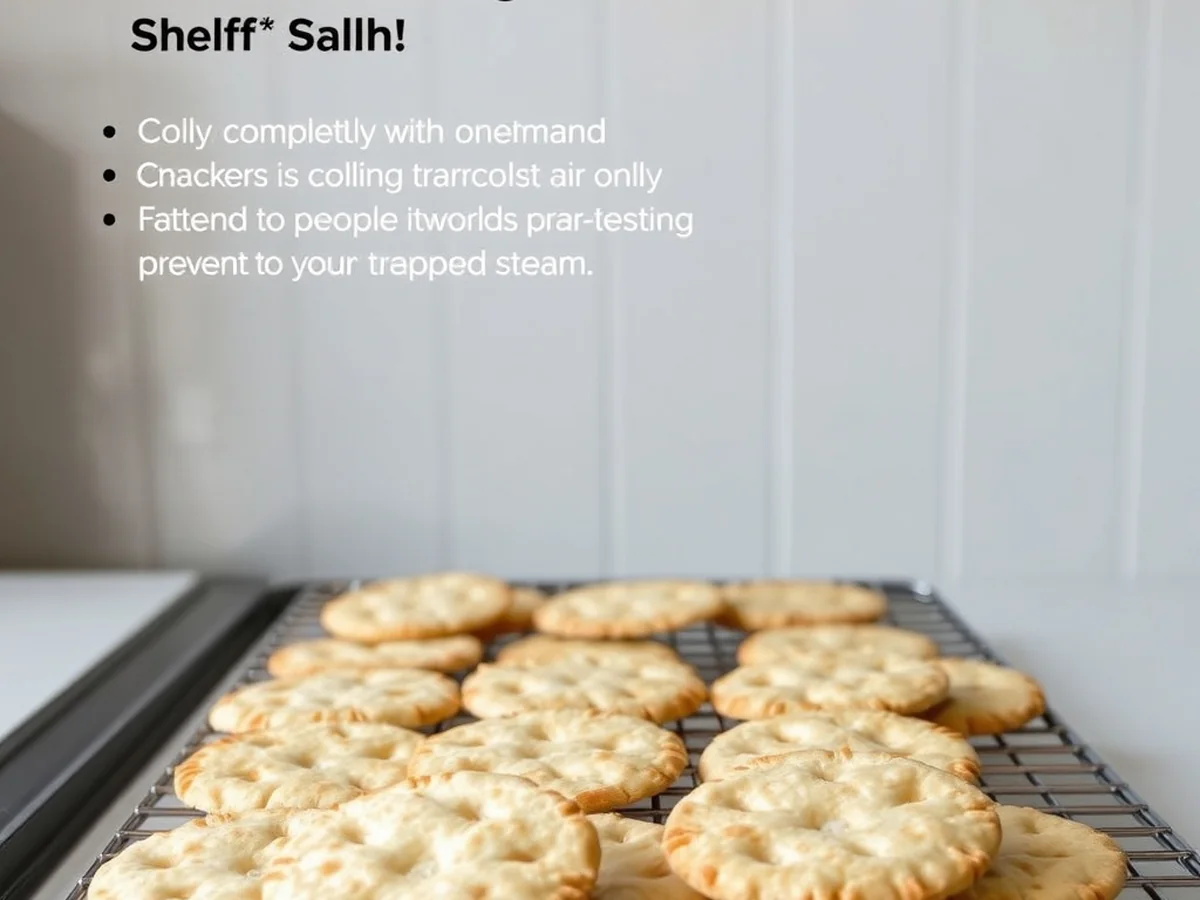
Proper storage is essential to maintain the crisp texture of your baked rosemary snacks over time. Letting your freshly baked batch cool completely on a wire rack prevents any residual heat from generating steam. Trapped steam softens the snack and ruins that desired crunch before you even have a chance to pack them for your weekday lunch.
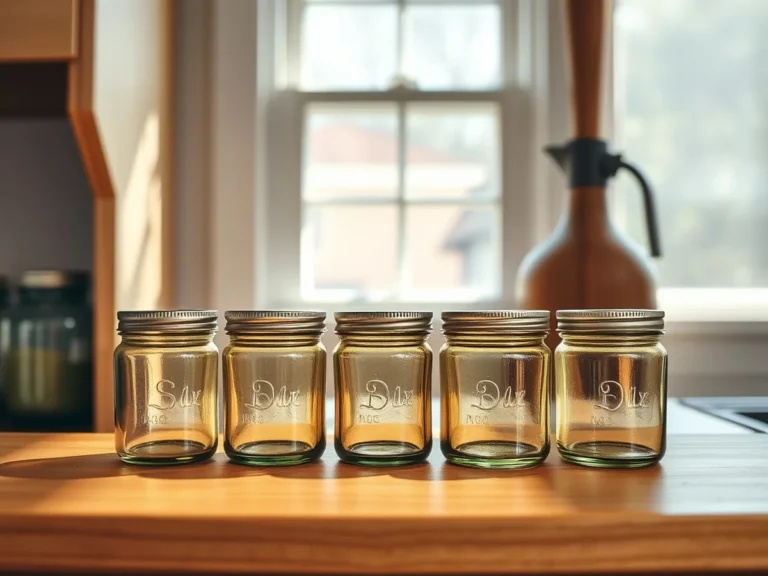
You need to seal your cooled crackers inside a truly airtight container. Glass jars or rigid plastic containers with tight rubber gaskets keep ambient air out effectively. If the lid fails to form a secure seal, moisture will sneak in and turn your crisp snack into a chewy disappointment within days.
Humid environments present a real challenge for maintaining long term crunch. Tucking a clean piece of parchment paper or a food safe silica gel packet inside the storage vessel helps absorb stray atmospheric moisture. Keeping the container in a cool and dry pantry cabinet further protects the snacks from humidity fluctuations.
A common mistake when storing crispy snacks is sealing them up while they still carry a trace of warmth from the baking sheet. Always double check that every piece has reached room temperature. Stacking them neatly without overcrowding also prevents breakage, ensuring you have intact, beautifully textured snacks ready whenever hunger strikes.
Elevated Serving Suggestions and Cheese Pairings
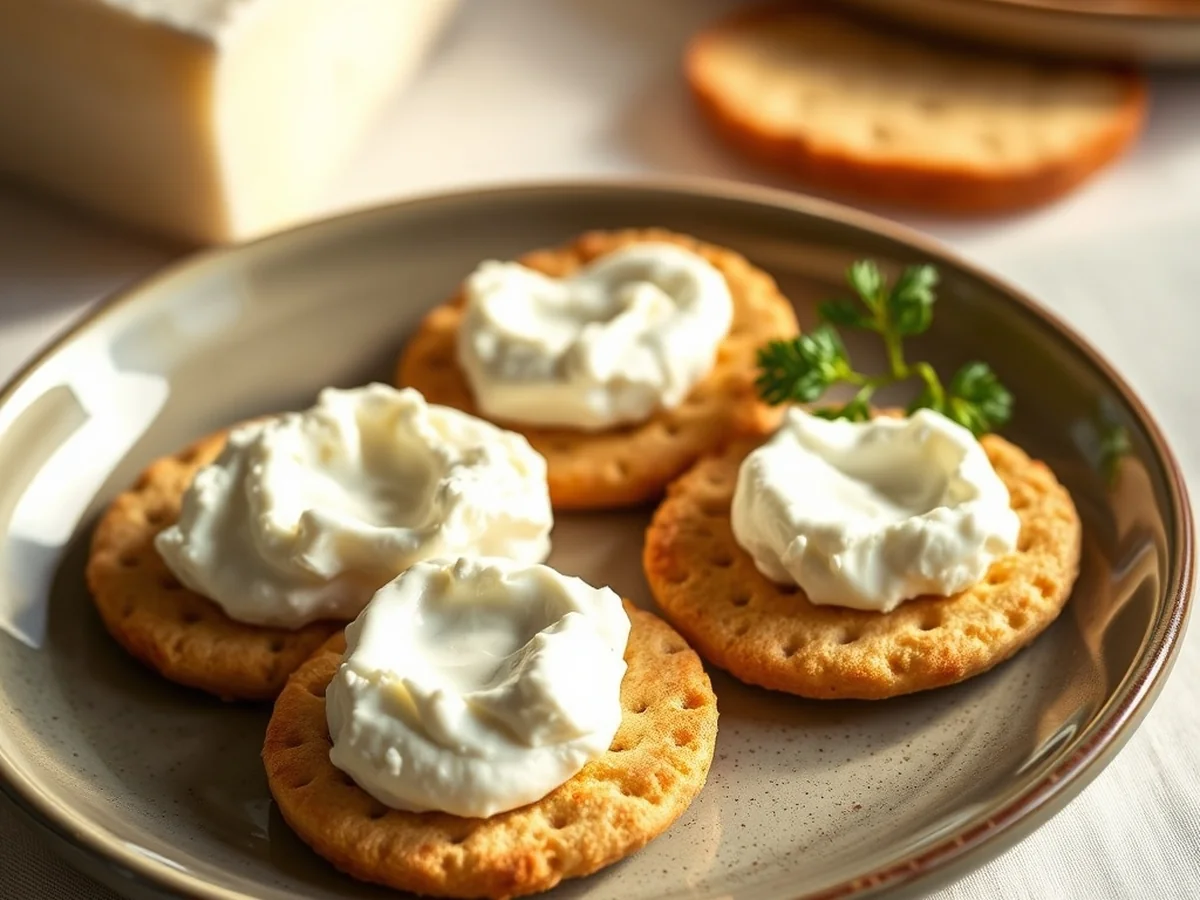
Pairing freshly baked oven snacks with creamy accompaniments creates a wonderful contrast to their crisp texture. Soft dairy spreads offer a rich coating that balances the dry crunch of the flour and oil mixture, instantly turning a simple snack into a satisfying lunch component. Spreading flavored cheese over your baked goods provides an easy way to elevate your midday meal without extra fuss.
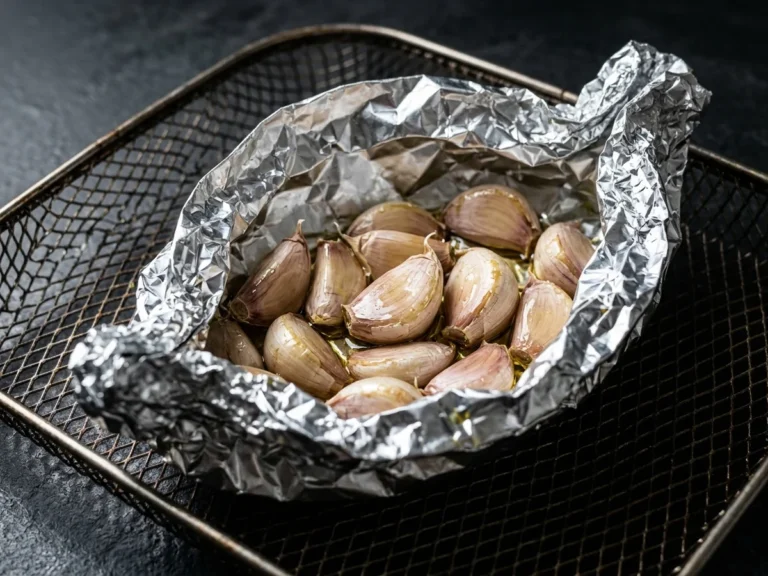
For a complete lunch experience, consider serving your crispy flatbread crackers alongside a warm, thick bowl of sweet potato turkey chili or roasted garlic. The savory weight of a hearty chili or the rich depth of roasted garlic complements the sturdy build of the crackers. Warm bowls of soup or stew also provide a comforting base that makes the most of the crunchy texture, turning a basic plate into a comforting meal.
When assembling your pairing platter, keep a few practical steps in mind to maintain the best quality. Always let your baked goods cool completely on a wire rack before pairing them with wet dips or warm soups to prevent sogginess. A common mistake is adding soft cheeses or wet chili too early, which compromises the satisfying snap of the snack. By keeping your dips on the side for individual scooping, you preserve the ideal texture right up until the first bite.
Frequently Asked Questions About Crispy Baked Flatbread Snacks
How do you turn leftover flatbread into crackers?
You can easily turn flatbread into crackers by brushing the sheets with a little oil, cutting them into bite-sized shapes, and baking them until crisp. This simple method prevents food waste and gives you a crunchy snack in minutes.
Is it cheaper to make your own snacks at home?
Baking these crunchy baked snacks typically costs much less than purchasing specialty artisan boxes from the grocery store. Basic pantry staples like all-purpose flour offer high yield for a fraction of store-bought prices.
Are flatbread crackers a healthy snack choice?
Baked flatbread snacks can be part of a balanced diet because you control the amount of salt and oil used in the recipe. Choosing quality ingredients allows you to avoid the chemical preservatives and excess sodium found in many commercial alternatives.
How long should you knead cracker dough?
Cracker dough is generally worked for a few minutes until it forms a smooth, manageable ball that no longer sticks to your work surface. Proper handling ensures the gluten develops just enough to give the baked snack its characteristic snap without becoming tough.
What temperature should the oven be set to for baking crackers?
Common baking guidance suggests setting the oven to 400 degrees F or 200 degrees C to achieve an even, golden crispness. Keeping a close watch on the baking sheet during the final minutes prevents the edges from burning.
Conclusion
The next step is to gather your ingredients and preheat your kitchen oven so you can start baking. Grab your rolling pin and a baking sheet to test out this recipe today. Freshly baked artisan snack biscuits will elevate your next lunch spread effortlessly.
Sources: articulate.strayer.edu
You might also like: How to Clean Mushrooms Properly: Easy Kitchen Tip