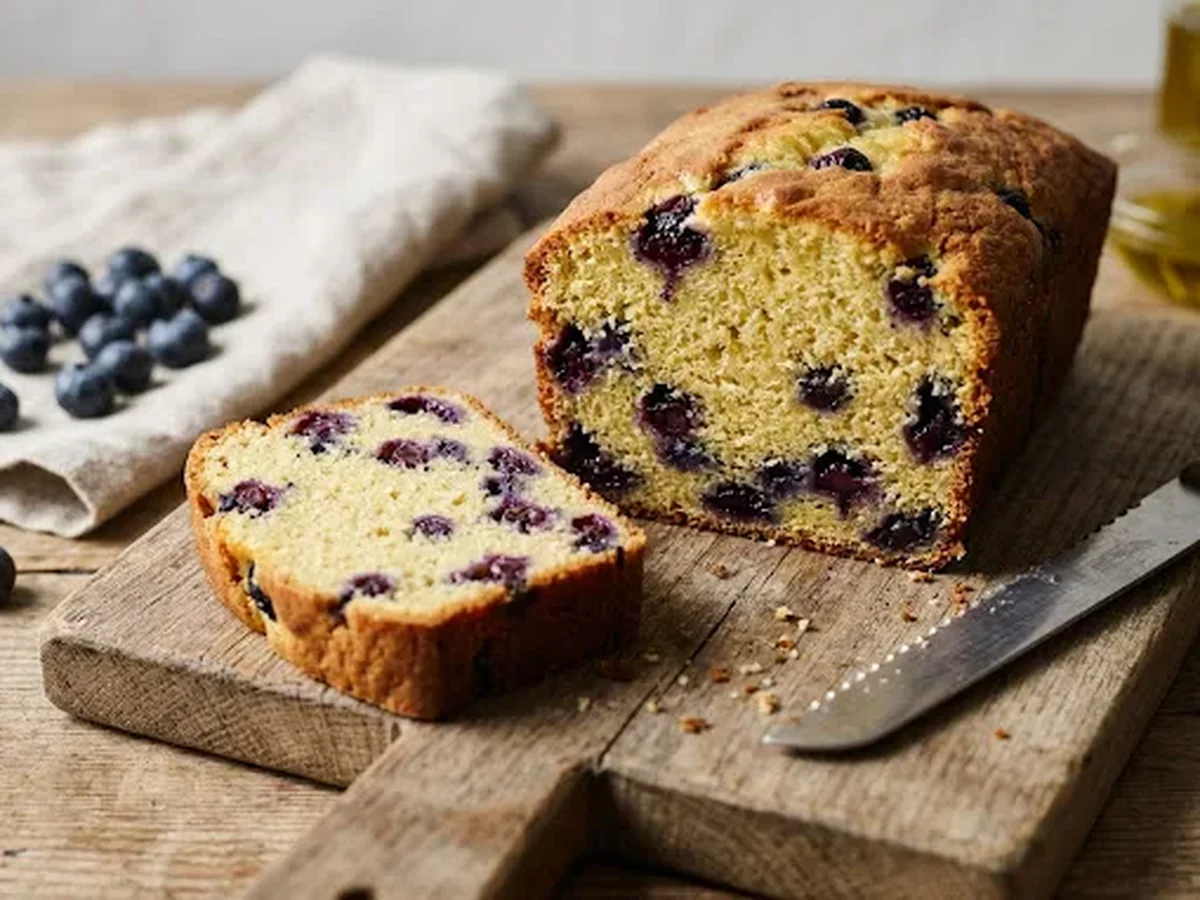
Blueberry Olive Oil Loaf Cake: Rustic & Moist
Introduction
Baking a blueberry olive oil loaf cake offers a delicious way to enjoy a rustic, tender dessert made with healthy fats. This moist blueberry loaf cake recipe brings together fruity sweetness and rich olive oil for a balanced flavor profile that suits any casual gathering.
Home bakers of all skill levels will find a reliable, step-by-step process designed for consistent results. Clear instructions make it simple to achieve the right texture and flavor every single time.
Essential Ingredients for Your Loaf Cake

Creating a balanced crumb relies on combining reliable dry components with quality liquid fats and fresh fruit. Selecting the right components ensures your moist blueberry loaf cake recipe turns out tender every single time, supporting elevated weekday lunches and calm home baking routines.
Core Components of the Batter
- All-purpose flour: Provides the structural foundation for the crumb, holding the weight of the fruit without becoming dense.
- Leavening agents: Baking powder and baking soda give the batter its necessary lift during the baking process.
- Eggs and sugar: Granulated sugar sweetens the mixture while working alongside the eggs to aerate the batter properly. Eggs and sugar should be whisked until the mixture lightens in color for about 1 minute.
- Extra virgin olive oil: Baking with extra virgin olive oil introduces healthy fats that keep the crumb exceptionally tender and flavorful.
- Greek style yogurt: Greek style yogurt is commonly used as a moisture-retaining ingredient to ensure the finished dessert never tastes dry.
- Fresh blueberries: These burst during baking, adding pockets of natural sweetness and bright flavor throughout the crumb.
Preparation and Equipment Essentials
Understanding why each element matters helps prevent common mistakes in the kitchen. For instance, skipping the yogurt or substituting standard dairy without matching fat levels can lead to a dry crumb. When preparing this easy blueberry cake with olive oil, measure the dry components carefully to maintain the proper ratio against the liquid fats.
Equipment choice directly influences the final texture of the bake. A loaf pan size of 8.5 by 4.5 inches is recommended for this recipe to achieve an even rise. Once baking is complete, let the cake rest in its pan on top of a wire cooling rack for 10 minutes before you turn it out. Keep in mind that olive oil cakes slice more easily and evenly when completely cooled.
Choosing and Substituting Olive Oil Varieties
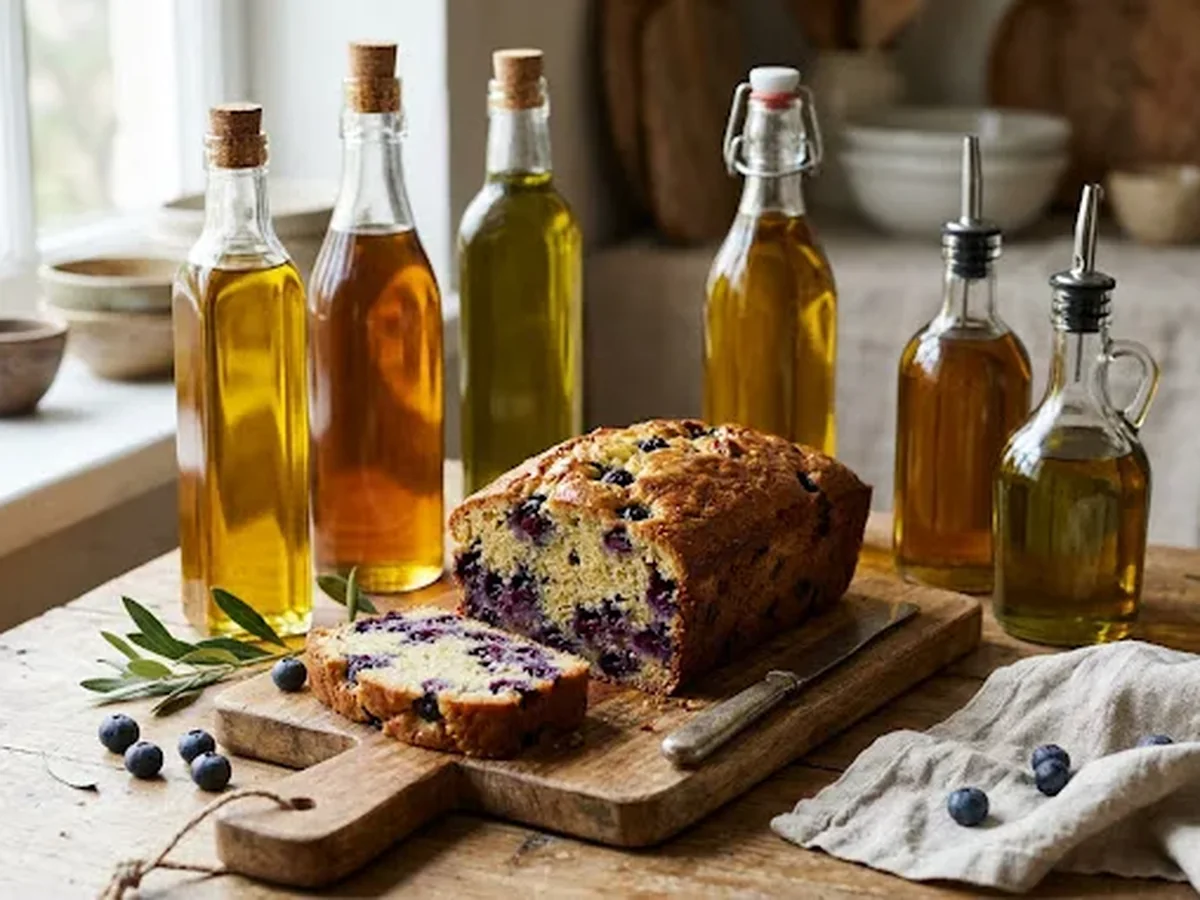
Selecting the right oil intensity depends on whether you want a subtle background note or a distinct fruity aroma in your blueberry olive oil loaf cake. Baking with extra virgin olive oil introduces specific fruit notes, pungency, and bitterness that interact directly with the natural sweetness of the fruit. Mild olive oil varieties offer a clean flavor that allows the fruit to take center stage, while robust oils bring a peppery kick and strong herbal aromas that can easily overpower delicate treats if you prefer a subtle dessert.
Understanding the why behind these flavor profiles helps home bakers tailor their treats. Extra virgin olive oil carries distinct polyphenol levels that dictate its peppery finish. If you prefer a traditional flavor profile where the fresh berries shine alone, stick with a mild or delicate oil. When you want a complex, rich background taste that complements citrus zest or nutty notes, a robust bottle is the ideal choice.
Several common mistakes occur during oil selection and substitution. Using heavily refined cooking oils strips away the signature character that makes an easy blueberry cake with olive oil so distinct. Another frequent misstep is swapping cold-pressed extra virgin options with neutral vegetable oils without adjusting other flavor elements, which flattens the final taste. For best results, match your oil intensity directly to the other flavorings in your bowl, ensuring a balanced, high-protein prep bowl or weekday lunch finish that feels entirely deliberate.
Elevating Flavor with Greek Yogurt and Almond Extract
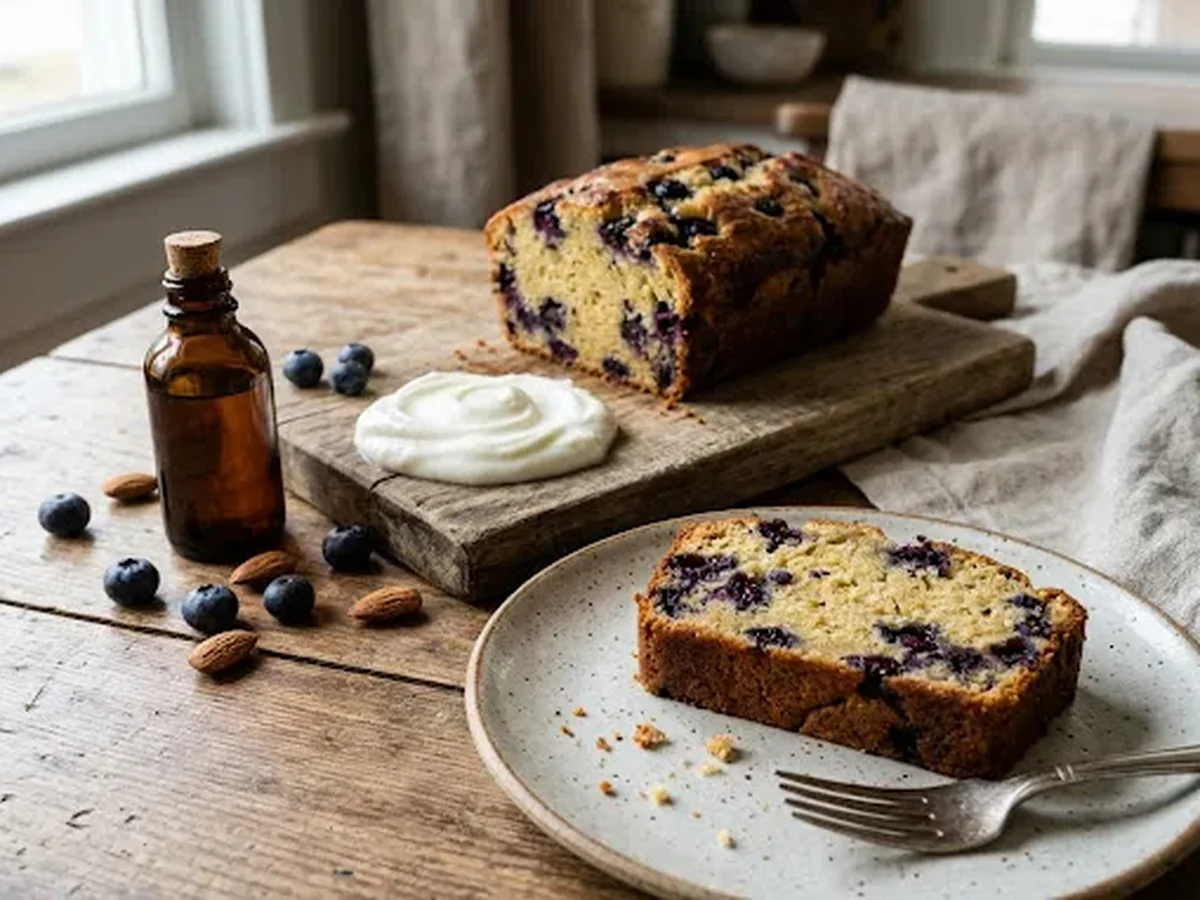
Greek style yogurt is commonly used as a moisture-retaining ingredient in this cake to keep the crumb tender without weighing it down. This thick dairy component adds rich hydration while maintaining the structure of your moist blueberry loaf cake recipe. When preparing the batter, home bakers often find that incorporating dairy adds reliable softness to the final crumb, especially when paired with baking with extra virgin olive oil.
Almond extract works behind the scenes as a subtle flavor enhancer that complements fresh fruit. Just a few drops bring out the sweet, floral notes of the berries and balance the fruitiness of the oil. To avoid common mistakes like overpowering the delicate fruit, use a light hand with the extract, adding it gradually alongside your liquid ingredients.
Dairy acidity interacts with leavening agents for a better rise by triggering a chemical reaction that creates carbon dioxide bubbles. When the yogurt meets baking soda or baking powder, it activates the lift needed to give this easy blueberry cake with olive oil a light and airy texture. For the best practical results, make sure your yogurt is at room temperature before mixing it into the wet ingredients, which helps the batter emulsify smoothly and prevents the heavy dense spots that sometimes ruin an otherwise perfect loaf.
Pan Preparation and Sizing Guidelines

A loaf pan size of 8.5 by 4.5 inches is recommended for this recipe. Using the correct pan dimensions prevents the batter from overflowing while allowing the fruit-studded pastry to achieve an even rise in the oven. Standard metal baking pans conduct heat efficiently, which helps build a delicate crust around the edges of your blueberry olive oil loaf cake.
Proper lining and greasing techniques are necessary to prevent the crumb from sticking to the metal surfaces. You can coat the interior thoroughly with butter or neutral oil before placing a parchment paper sling inside. Leave extra paper hanging over the long sides so you can lift the baked treat out smoothly. Common mistakes include greasing only the bottom or skipping the parchment overhang, which often leads to torn slices and stuck crumbs.
Once the baking is complete, place the pan on a wire cooling rack and allow the cake to rest for 10 minutes before removing it from the container. This brief cooling period helps the structure set, ensuring the cake releases cleanly from the pan and maintains its shape.
Step-by-Step Preparation Instructions

Creating this blueberry olive oil loaf cake requires careful attention to mixing stages to ensure a tender crumb. Proper technique keeps the fruit evenly distributed and prevents the batter from becoming dense. Following a structured order of operations protects the delicate aeration achieved during the initial mixing phases, which is vital when using extra virgin olive oil as your primary fat.
- Eggs and sugar should be whisked until the mixture lightens in color for about 1 minute. This incorporates vital air to give the batter lift before adding heavy liquids.
- Whisk in the extra virgin olive oil and Greek style yogurt until completely smooth. Greek style yogurt is commonly used as a moisture-retaining ingredient in this cake to build a rich texture.
- Alternate adding the dry ingredients and wet components just until combined. Stop mixing the moment flour streaks disappear to keep the crumb soft rather than tough.
- Fold in the fresh blueberries gently using a spatula to avoid overworking the batter and staining the crumb.
- Transfer the batter into a prepared loaf pan and smooth the top evenly. A loaf pan size of 8.5 by 4.5 inches is recommended for this recipe to achieve the proper height and center bake.
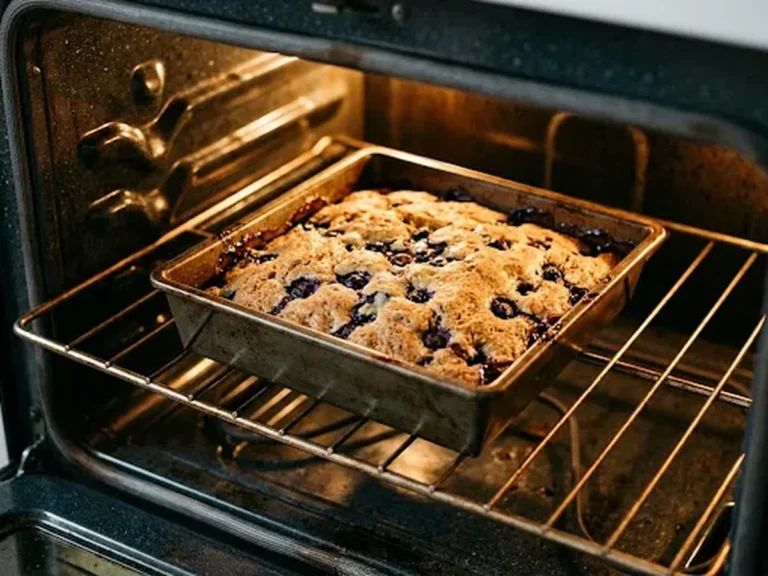
Common mistakes during preparation include over-mixing the flour after the liquids are combined, which activates too much gluten and creates a heavy loaf. Another frequent error is tossing the fruit too aggressively, causing the berries to burst and discolor the batter. Once the pan is filled, typical practice suggests a baking temperature of 350 degrees Fahrenheit, with a recommended baking time of approximately 45 to 50 minutes. After baking, the cake should rest inside the pan on a cooling rack for 10 minutes before you turn it out. Olive oil cakes typically slice more easily and evenly when completely cooled.
Troubleshooting Sunken Fruit in Batters

Fruit sinks to the bottom of quick breads because the batter is too thin to support the weight of the ingredients. Heavy pieces naturally pull downward through liquid mixtures during the early stages of baking before the structure sets. If the mixture is overly runny, the fruit will drop right through regardless of any coating, ruining the even distribution you want in a loaf featuring blueberries and olive oil. This challenge often frustrates home bakers of varying experience levels when they prepare a simple olive oil cake with fresh fruit.
Prep Techniques for Fresh Blueberries
To prevent blueberries from sinking in cake, you can alter how you mix and prep your fruit. Toss the berries in a small portion of all-purpose flour before folding them into the batter. This light dusting creates friction against the surrounding mixture, which helps keep the fruit evenly suspended as the loaf rises in the oven. A common mistake is using too much flour for the dusting step, which can leave dry white patches inside the crumb. Always shake off any excess flour from the fruit before incorporating it.
Understanding Batter Consistency
Ensuring your base has a thick, scoopable texture provides the necessary support for a successful blueberry olive oil loaf cake. When preparing your ingredients, it is a fact that a loaf pan size of 8.5 by 4.5 inches is recommended for this recipe. Proper pan preparation and a sturdy batter work together to keep every fresh blueberry securely suspended. As typical practice, the standard baking temperature for an olive oil loaf cake is 350 degrees Fahrenheit, and the recommended baking time for a loaf cake is approximately 45 to 50 minutes.
Post Baking Care
Once your timer goes off, proper cooling ensures the crumb structure remains intact. Allow the cake to sit inside the pan while resting on a wire cooling rack for 10 minutes before you turn it out. Olive oil cakes slice more easily and evenly when completely cooled, which also helps keep any remaining surface fruit from shifting or tearing the crumb.
Baking Parameters and Doneness Testing
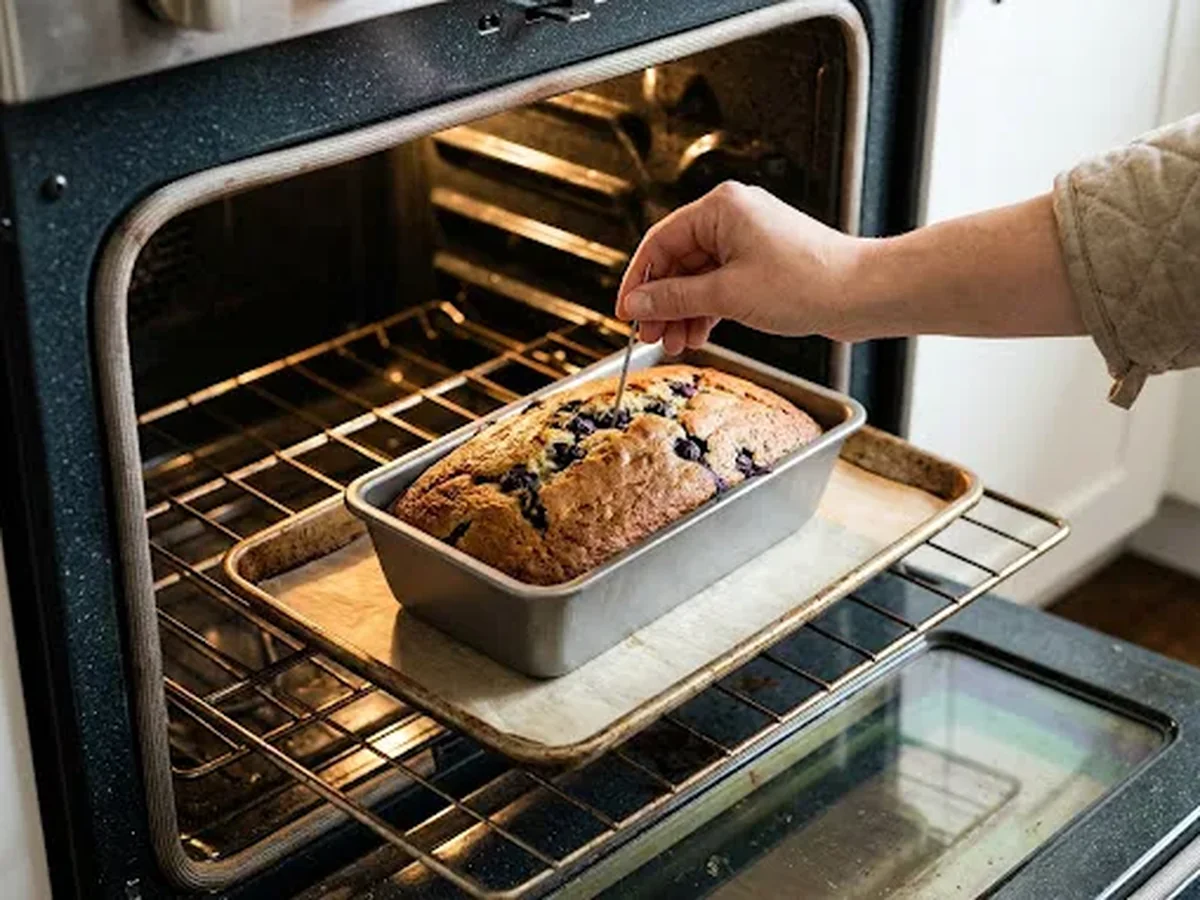
Achieving a consistent result when preparing a blueberry olive oil loaf cake requires precise temperature management. Typical practice suggests a baking temperature of 350 degrees Fahrenheit. This moderate heat allows the batter to rise steadily, ensuring the crumb sets properly before the exterior darkens too quickly.
To achieve the intended depth and structure, use a loaf pan measuring 8.5 by 4.5 inches. Because oven calibration often drifts over time, placing a standard oven thermometer on the center rack provides a necessary check to ensure the appliance is maintaining the correct heat.
Managing Bake Time and Moisture
While common guidance suggests a baking duration of approximately 45 to 50 minutes, individual oven performance and pan material will influence the final result. Using ingredients like Greek style yogurt helps maintain a tender crumb, but overbaking can quickly negate these benefits. Avoid opening the oven door during the first 30 minutes of the process, as the rush of cool air can cause the center of the loaf to collapse before the structure is fully established.
Testing for Success
To determine if your cake is finished, insert a wooden toothpick or a thin skewer into the deepest part of the center. The cake is ready when the tester emerges clean or with only a few moist crumbs attached. If wet batter clings to the pick, continue baking in 3-minute increments.
Once removed from the oven, proper cooling is essential to the final texture. Let the cake rest in its pan on a wire cooling rack for 10 minutes before turning it out. Allowing the loaf to reach room temperature is a crucial step for easy slicing. As the cake rests, the crumb settles and firms up, which prevents the blueberries from tearing the delicate structure. Patience during this cooling phase ensures the best experience for your weekday meal prep.
Cooling Duration and Slicing Technique

To ensure the best results for your blueberry olive oil loaf cake, leave the loaf in its pan and set it on a wire cooling rack for a 10 minute rest before inverting it. This specific duration is essential for the delicate crumb structure to stabilize, which helps the cake release cleanly from the pan without breaking or sticking to the sides.
Using a wire cooling rack during this stage serves an important practical purpose. Elevating the pan permits air to circulate freely all around the bottom and sides, which prevents steam accumulation and keeps the outer crust from turning soggy as residual heat escapes.
Culinary consensus shows that olive oil cakes slice more easily and evenly when they are allowed to cool completely before cutting. Slicing into the loaf while it is still warm frequently leads to ragged edges, compressed crumb, and broken slices.
A common mistake during this final phase is rushing the process by cutting the cake immediately after it leaves the oven. Letting the loaf cool fully on the rack ensures clean, professional looking portions and preserves the moisture provided by ingredients like Greek style yogurt.
Glazing Techniques Using Fruit Jam or Jelly
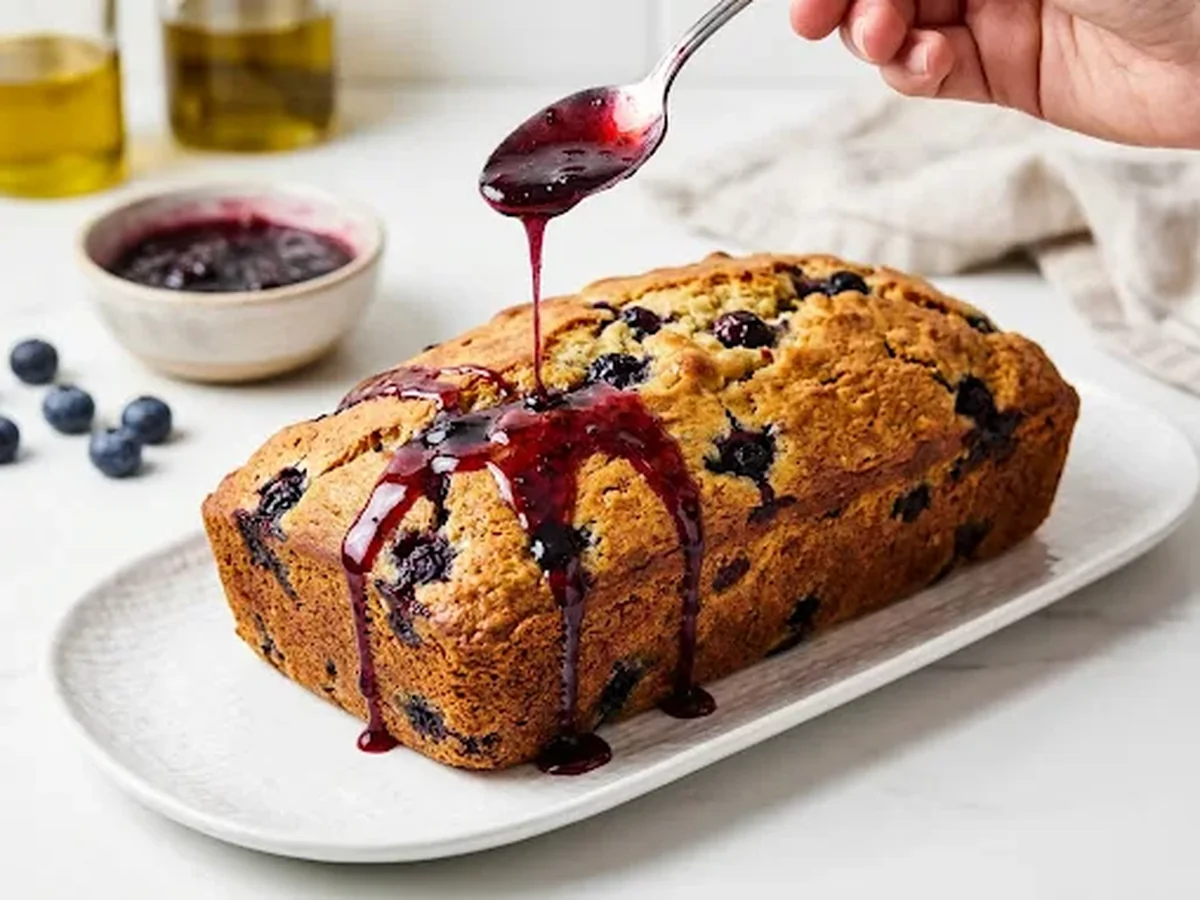
Thinning fruit jam or jelly with a small splash of warm water creates a smooth, pourable glaze that transforms a simple blueberry loaf cake made with extra virgin olive oil. Stir the mixture continuously over low heat until it achieves a fluid, lump-free consistency that drapes easily over a spoon.
Timing the drizzle is essential for the best texture and finish. To prepare the cake for removal, let it rest inside the loaf pan on a wire cooling rack for 10 minutes before turning it out. Wait until the baked treat has cooled completely on the wire rack before applying the fruit coating so the warmth does not melt the sugary layer into the crumb.
Applying a fruit-based glaze significantly enhances both the visual appeal and the moisture of the crumb. The shiny fruit layer seals in internal hydration while adding a vibrant pop of color and a tart flavor balance to the rich, tender interior. This technique also provides a professional finish that complements the dense, satisfying texture of an olive oil loaf cake.
A common mistake when glazing is adding the jam mixture while the loaf is still warm, which causes the liquid to soak in and create a sticky surface rather than a clean coating. Another frequent error is using cold jam straight from the jar, which leads to lumps and uneven distribution. To avoid these issues, always heat the jam gently with water until thoroughly combined and let your bake cool completely. It is common practice to slice olive oil cakes once they are completely cooled, as this ensures both structural integrity and a polished presentation.
Storage and Shelf Life Recommendations

Proper storage is essential for maintaining the texture of a moist blueberry loaf cake. Because using high-quality oil creates a tender crumb, the way you cool and store the cake directly impacts its quality over several days. Using Greek style yogurt as a moisture-retaining ingredient further enhances the cake, but it also means the loaf requires careful handling to stay fresh for your weekday meals.
Cooling for Optimal Texture
The cooling process is the first step in successful preservation. To ensure the structure sets properly, leave the cake inside its vessel on a wire rack for 10 minutes before turning it out. This brief rest allows the loaf to stabilize, preventing breakage during removal. Once inverted, allow the cake to cool completely on the rack. While it may be tempting to slice it while warm, it is common practice to wait until the loaf is at room temperature, as olive oil cakes slice more easily and evenly once fully set.
Managing Shelf Life and Moisture
For short-term storage, keep the cake at room temperature. Wrap the loaf tightly in plastic wrap or store it in an airtight container to protect the crumb from drying out. If you need to store the cake for longer than a few days, refrigeration is an option, though it will cause the oil to solidify and change the mouthfeel. If you do refrigerate your blueberry loaf, allow individual slices to sit at room temperature for a short time before serving to restore its soft texture.
Long-Term Preservation
Freezing is the most effective method for long-term storage. To maintain the best quality, slice the loaf before freezing so you can remove only what you need. Wrap each slice securely in plastic wrap and place them inside a heavy-duty freezer bag. By following these olive oil cake storage tips, you ensure that your prepared treats remain as fresh as the day they were baked, making them a perfect addition to a planned work lunch.
Nutritional Profile per Serving

Health-conscious home bakers evaluating a homemade blueberry olive oil loaf cake can compare how plant-based fats alter the overall nutrient distribution per slice. While exact calorie counts and macronutrient breakdowns depend on specific portion sizes and ingredient brands, baking with liquid vegetable fats changes the lipid structure significantly compared to traditional solid dairy fats.
| Attribute | Olive Oil Based Loaf | Traditional Butter Based Loaf |
|---|---|---|
| Primary Fat Source | Unsaturated plant fats | Saturated animal fats |
| Moisture Agent | Greek style yogurt and oil | Creamed butter |
| Texture Profile | Tender crumb | Dense crumb |
Understanding these compositional differences helps you balance everyday meal planning without sacrificing flavor or texture. Using extra virgin olive oil provides a distinct lipid profile while Greek style yogurt contributes to the overall moisture of the finished dessert.
To achieve the best results when preparing this style of dessert, focus on practical execution and avoid common pitfalls. A frequent mistake is overmixing the batter after adding the flour, which develops gluten and leads to a rubbery texture rather than a tender crumb. When using a high-quality pressed oil, select a balanced or mild variety so the fruity notes complement rather than overpower the fresh blueberries. Proper preparation of the 8.5 by 4.5 inch loaf pan prevents sticking, ensuring the delicate structure releases cleanly onto a wire cooling rack after the mandatory 10 minute rest.
Frequently Asked Questions
How do you prepare a loaf pan for olive oil cake?
You can prepare your loaf pan by greasing it thoroughly with oil or butter, then lining it with parchment paper for easy removal. A loaf pan size of 8.5 by 4.5 inches is recommended for this recipe. Make sure the paper leaves a slight overhang on the sides so you can lift the baked treat out without any trouble.
What is the best way to tell when a loaf cake is finished baking?
The most reliable way to check for doneness is by inserting a wooden toothpick into the center of the loaf. If the toothpick comes out clean or with just a few moist crumbs attached, your bake is ready. Common guidance suggests a baking time of approximately 45 to 50 minutes, but checking early prevents over-baking.
Should blueberries be folded into the batter?
Fresh fruit should be gently folded into the batter at the very end of the mixing process. Tossing the berries in a small amount of flour beforehand is a common technique to help prevent blueberries from sinking in cake. This simple step ensures every slice of your moist fruit loaf gets plenty of berries.
Can you add a glaze to an olive oil loaf cake?
You can easily finish your bake with a simple powdered sugar glaze or a fruit-infused drizzle once it cools completely. Let the cake rest on a wire cooling rack before adding any toppings so the glaze sets properly. A light sweet topping complements the rich crumb and creates a polished presentation.
Conclusion
Successful baking relies on combining simple ingredients with proper technique and patience. Give yourself room to experiment with flavors while following reliable cooling steps so your moist fruit-filled bake holds its shape. Per standard practice, the cake should be cooled in the pan on a wire rack for 10 minutes before being inverted. This timing is essential, as cakes made with extra virgin olive oil slice most easily and evenly once they reach room temperature.
Sources: reframedarchives.sandbox.library.columbia.edu, kines.umich.edu, police.stanford.edu
You might also like: Homemade Maple Apple Butter Recipe: Cozy Fall Spread