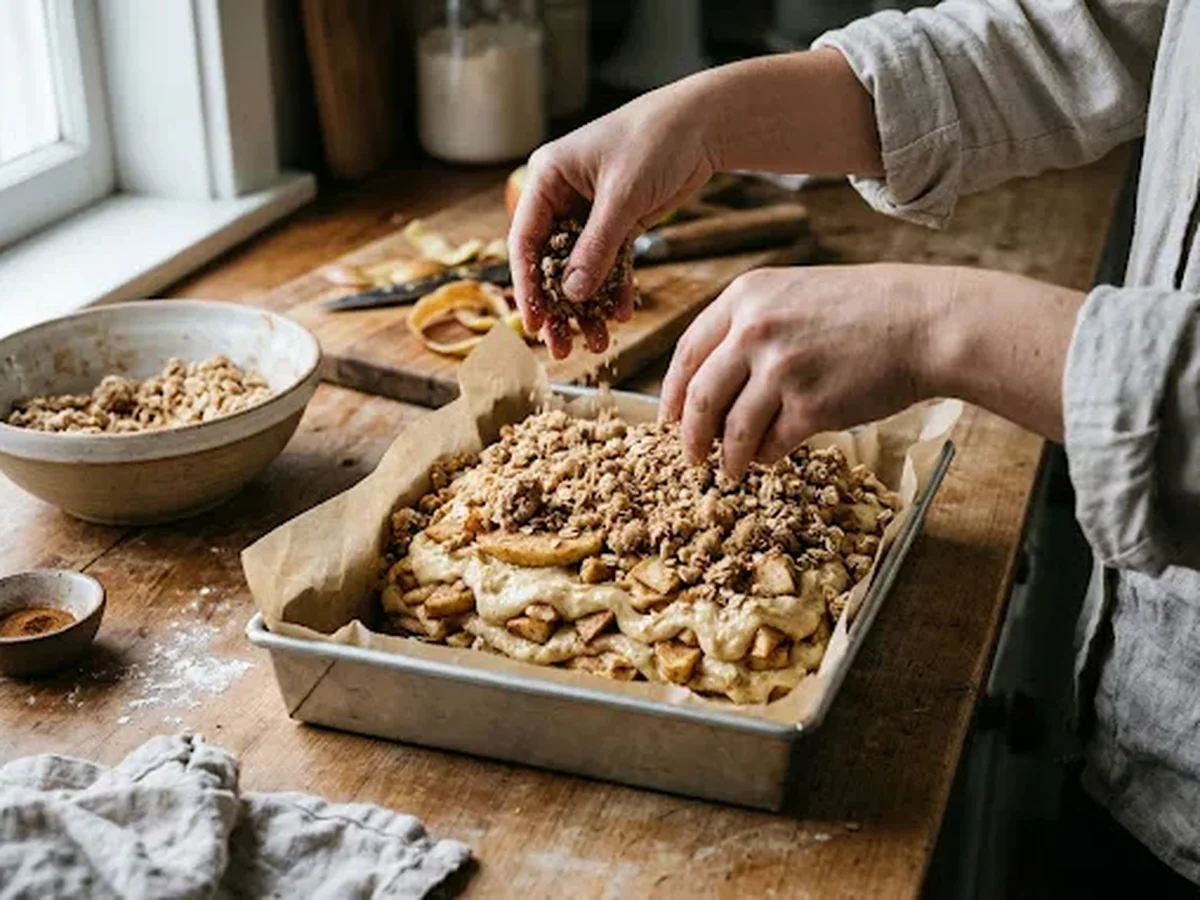
The Best Apple Coffee Cake Recipe: Moist & Crumbly
Introduction to Elevated Apple Coffee Cake
Baking a reliable apple coffee cake provides a practical and stress-free way to upgrade weekday routines or morning breaks. This approach focuses on achieving a moist apple cake with crumble topping, balancing tender fruit pieces with a sturdy, structured crumb.
Home bakers will find clear guidance on ingredient ratios, fruit selection, and precise baking techniques. Every step is designed to deliver consistent results without complicating your schedule.
Essential Ingredients for the Perfect Apple Coffee Cake
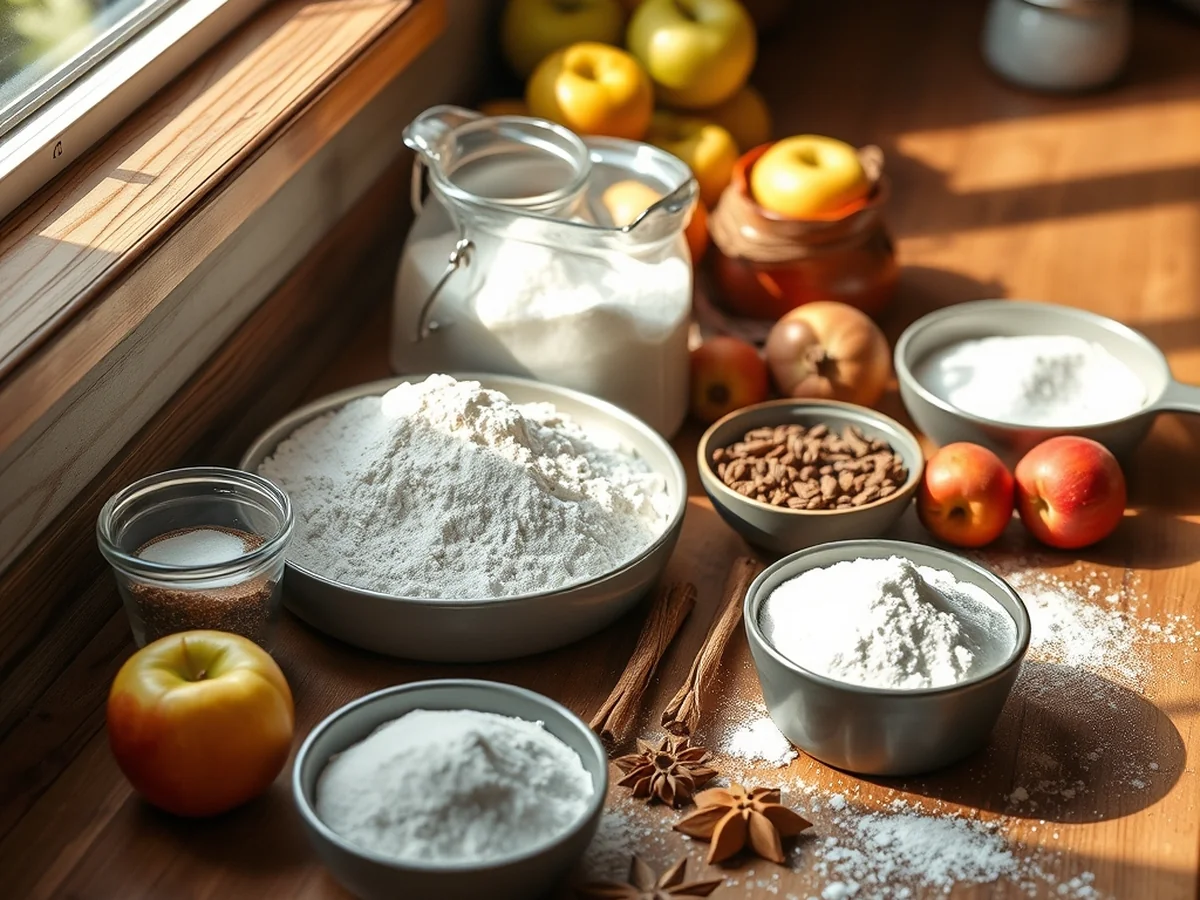
Creating a balanced fruit pastry requires a foundation of standard pantry staples and rich aromatics that work together to build structure, flavor, and tenderness. Getting these proportions right ensures your morning treat holds its shape while staying soft and flavorful from edge to center. Selecting the right components makes a significant difference in the final texture of an easy apple coffee cake recipe, especially when working with high-moisture fruit.
Selecting the Best Fruit and Dairy Components
Fruit selection is vital for flavor and moisture balance. Honeycrisp and Granny Smith are recommended apple varieties for coffee cake because they hold their shape well under heat while providing a pleasant tart contrast that cuts through the rich batter. A common mistake when gathering ingredients is using overly watery fruit types that break down completely during baking, which leads to a dense or soggy center. Sticking to firm baking varieties keeps distinct fruit pockets intact throughout the batter.
For the dairy elements, moisture is crucial to interact with leavening agents and soften the gluten strands. Plain Greek yogurt or sour cream can be used as a substitute for plain yogurt to enhance richness and create a tender crumb. If you are preparing a pastry with sour cream, the natural acidity reacts with the rising agents to give the crumb a lighter lift.
Balancing Dry Elements and Sweeteners
All-purpose flour and baking powder provide the essential structural framework and gentle lift needed for a light interior. Ground cinnamon introduces warm aromatic depth that pairs naturally with sweet autumn fruit. Granulated sweeteners establish the primary sweetness and help tenderize the surrounding crumb during the baking process. As a common kitchen practice, dark brown sugar can be used as a substitute for light brown sugar to add a deeper, caramel-like note.
Baking Environment and Temperature Control
Maintaining proper oven temperature is equally important once mixing is complete. The standard oven temperature for baking this cake is 350 degrees Fahrenheit (175 degrees Celsius), which ensures the pastry rises evenly without drying out the edges before the middle finishes cooking. Baking time is approximately 40 minutes or until a toothpick inserted in the center comes out clean. Once removed from the heat source, cooling the cake to room temperature before slicing takes approximately 30 minutes to allow the structure to fully set.
Choosing the Best Apples for Baking Coffee Cake
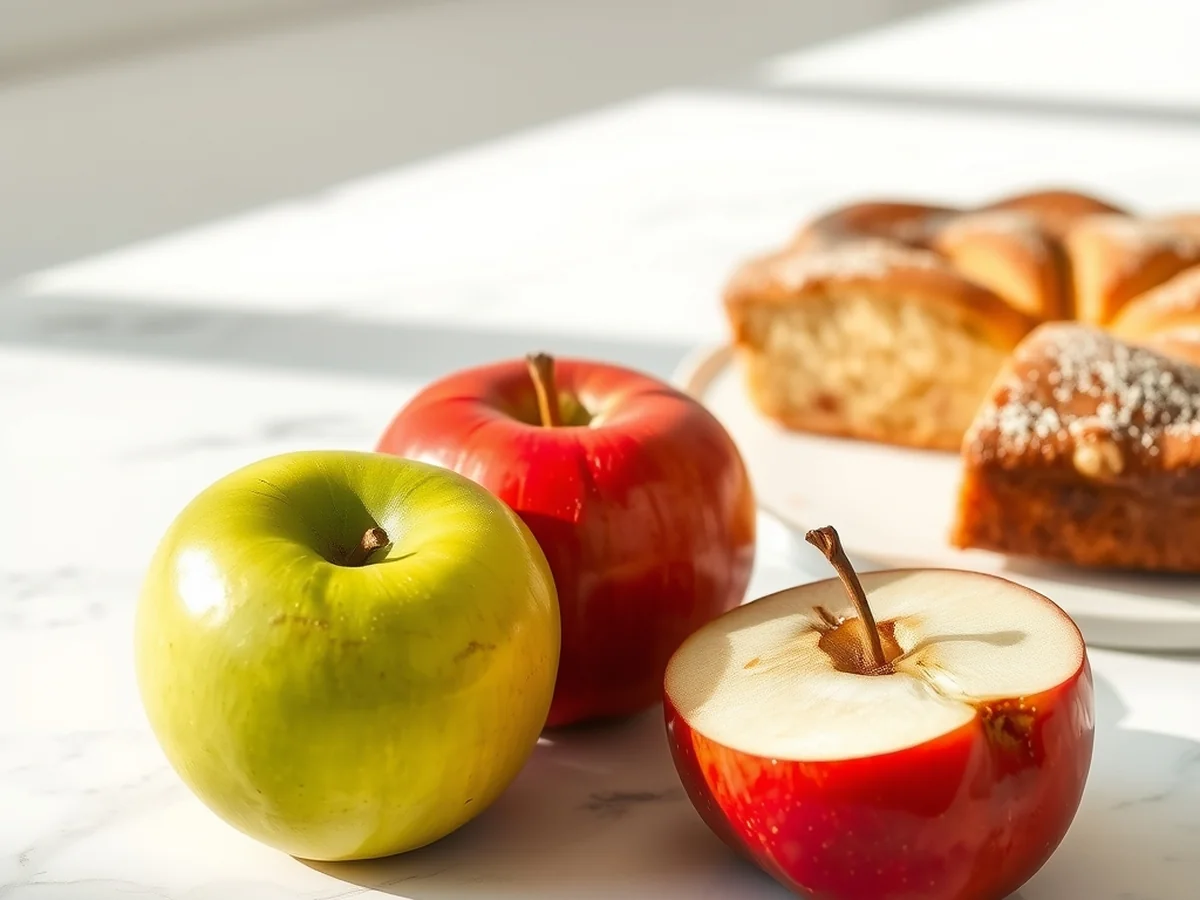
Honeycrisp and Granny Smith are recommended apple varieties for coffee cake because they provide the ideal balance of structure and flavor. Choosing the right fruit prevents a soggy crumb and keeps the dessert from collapsing into mush during baking.
Firm-fleshed fruit varieties hold their shape better during baking because they contain less free water and denser cell walls. Softer apples break down quickly under sustained heat, releasing excess moisture that ruins the surrounding batter. Varieties with a crisp bite maintain distinct pieces inside your apple coffee cake even after forty minutes in the oven.
Why Variety Selection Matters for Texture
Balancing sweet and tart fruit profiles elevates rich baked batters by cutting through heavy fats like butter. Sweet Honeycrisp apples contribute a natural sugary depth, while sharp Granny Smith apples introduce a bright, mouth-watering acidity. This contrast ensures every slice tastes vibrant instead of overwhelmingly heavy.
When preparing your fruit, a common mistake is cutting pieces that are too large or inconsistent. Keeping your pieces uniform ensures they soften properly without turning the surrounding crumb into a wet paste. If you notice your pieces are sinking or releasing too much liquid, verify that you are selecting firm varieties rather than softer eating apples like Red Delicious.
Achieving Even Cooking and Proper Softness
Baking time is approximately 40 minutes or until a toothpick inserted in the center comes out clean at a standard oven temperature of 350 degrees F (175 degrees C). To ensure the fruit cooks evenly within this window, slice the pieces uniformly so heat penetrates at the same rate. This technique prevents large chunks from remaining hard while smaller pieces dissolve completely.
You can easily adapt this fruit selection to what you have on hand, but maintaining that crucial firmness is the secret to a successful texture. Pairing these crisp varieties with a moist apple cake with crumble topping guarantees a professional finish every time you bake.
Preparing the Fruit: Slice Thickness and Dicing Techniques
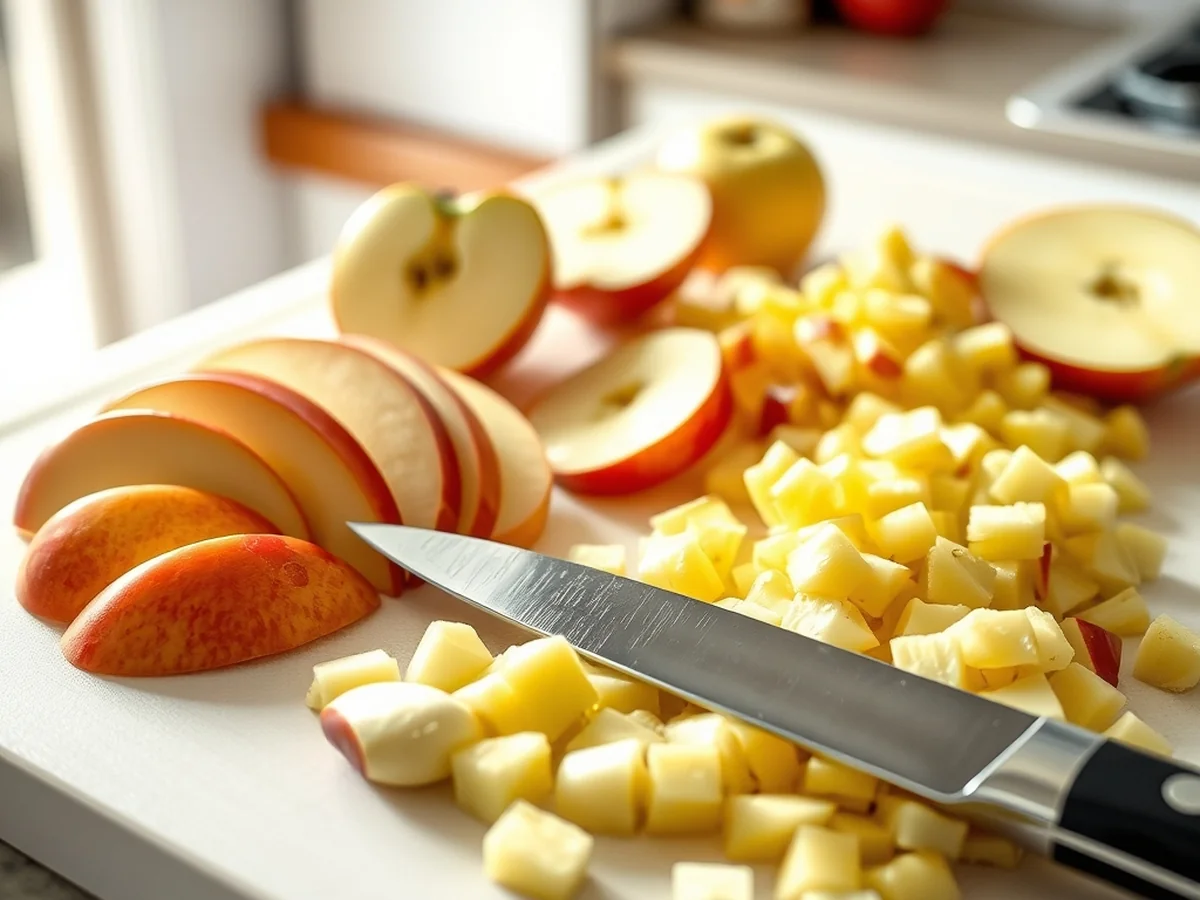
Proper slice thickness and clean dicing ensure that fruit pieces distribute evenly throughout the batter and cook at the same rate as the surrounding crumb. Cutting the fruit into uniform pieces prevents heavy chunks from sinking to the bottom of the baking pan while keeping the overall structure sound. When crafting an apple coffee cake, paying attention to the size and density of your fruit pieces determines whether your final slice holds together or collapses into pockets of moisture.
Honeycrisp and Granny Smith are recommended apple varieties for coffee cake because their firm flesh holds up well during the baking process without turning mushy. Using varieties with a dense texture helps prevent excess liquid from releasing too quickly into the batter, which is essential when baking at a standard oven temperature of 350 degrees F (175 degrees C). Softer fruit choices tend to break down completely, leaving behind empty spaces in the crumb.
To avoid a soggy bottom, toss your freshly cut fruit pieces with a small portion of the all-purpose flour from your recipe before folding them into the batter. This simple coating absorbs excess moisture as the dessert bakes in the oven, acting as a natural binder between the dense fruit and the surrounding batter.
Slice the fruit into uniform widths so the pieces integrate smoothly without creating heavy pockets of liquid. Consistent sizing guarantees that every bite balances tender fruit with the spiced cake layer. Here are practical steps and common mistakes to keep in mind during fruit preparation:
- Keep sizes consistent: Aim for uniform pieces so they bake at an equal rate alongside the all-purpose flour and baking powder mixture.
- Coat with dry ingredients: Tossing fruit in flour prevents heavy pieces from plummeting straight to the bottom of your springform pan.
- Avoid over-slicing: Cutting pieces too thin turns them into puree, while leaving them too thick prevents the center from softening properly.
- Leave the skin on or off: Peeling is optional based on personal preference, but removing the skin yields a more tender texture throughout the crumb.
Mastering Recipe Substitutions: Yogurt, Sour Cream, and Sugars
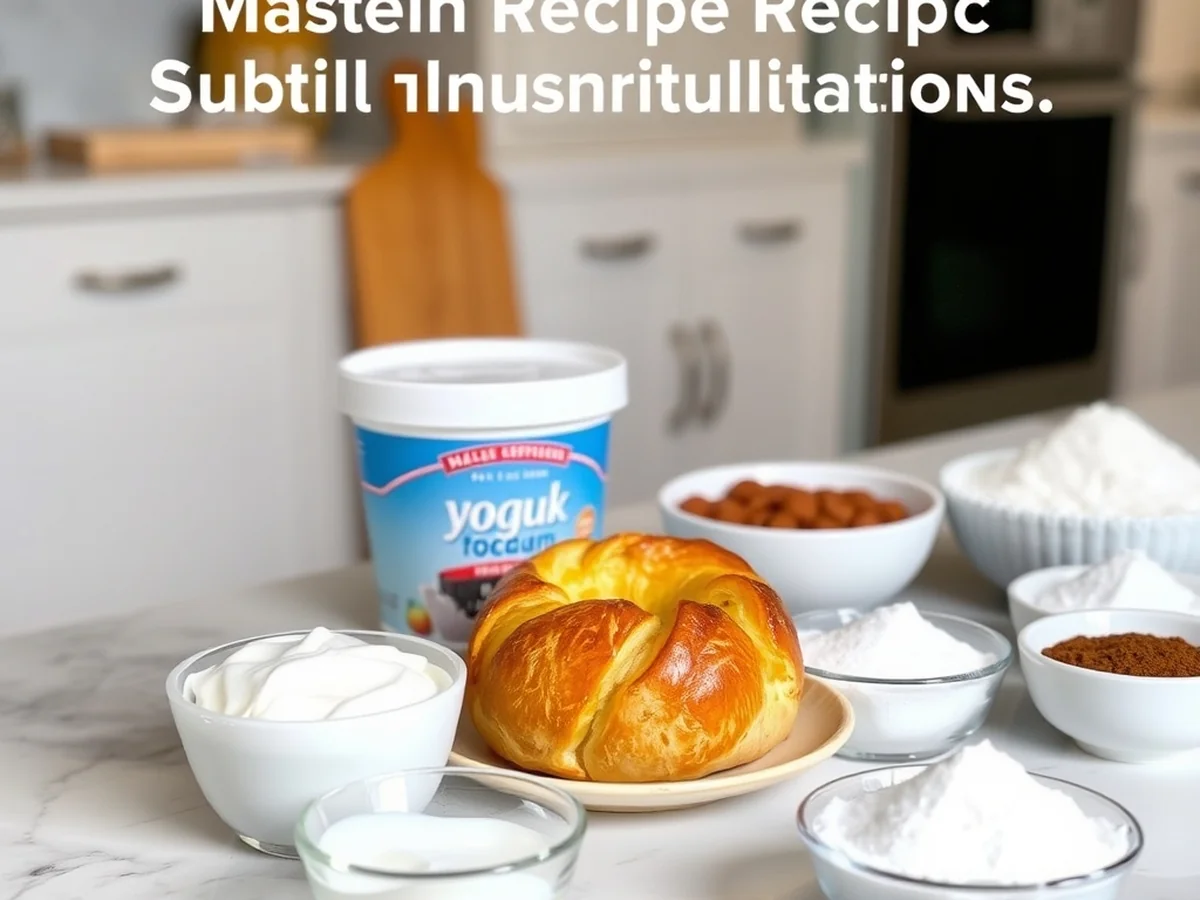
Baking a moist apple cake with crumble topping often requires working with what is currently available in your refrigerator. Fortunately, standard dairy ingredients are remarkably flexible. Plain Greek yogurt or sour cream can be used as a substitute for plain yogurt without altering the core structure of your apple coffee cake with sour cream. Understanding how these swaps affect moisture levels and acidity helps home bakers achieve consistent results, even when improvising.
Each dairy option contributes unique characteristics to the batter, influencing the final texture and richness of the pastry.
| Ingredient | Primary Role | Baking Impact |
|---|---|---|
| Plain Yogurt | Moisture and acidity | Soft crumb structure and balanced rise |
| Greek Yogurt | Thick moisture | Dense, tender crumb due to lower water content |
| Sour Cream | Rich fat and tang | Extra tenderness and a richer mouthfeel |
Adjusting Consistency During Dairy Swaps
When swapping dairy products, practical steps ensure the batter remains stable. If you are replacing standard plain yogurt with Greek yogurt, consider adding a splash of milk to thin the consistency, because Greek yogurt contains less moisture. Conversely, when using sour cream, no extra adjustment is needed since its fat content naturally enriches the crumb.
Managing Sweetener Variations
Common guidance suggests that dark brown sugar can be used as a substitute for light brown sugar if you prefer a deeper molasses profile. Choosing this darker sweetener will subtly tint the crumb while preserving the overall moisture balance of your baked goods. A common mistake during sugar substitutions is assuming moisture levels will swing wildly, but brown sugars share a high moisture content that keeps the interior tender.
Balancing Fruit Selection and Moisture
When preparing an easy apple coffee cake recipe, the type of fruit you fold into the batter matters just as much as the dairy. Honeycrisp and Granny Smith are recommended apple varieties for coffee cake because they hold their shape well during baking and provide a crisp, tart contrast to the sweet crumb topping. Keeping the fruit pieces cut to a uniform size ensures the surrounding crumb bakes evenly without creating wet pockets in the finished pastry.
Layering Batter and Crumble Top Techniques
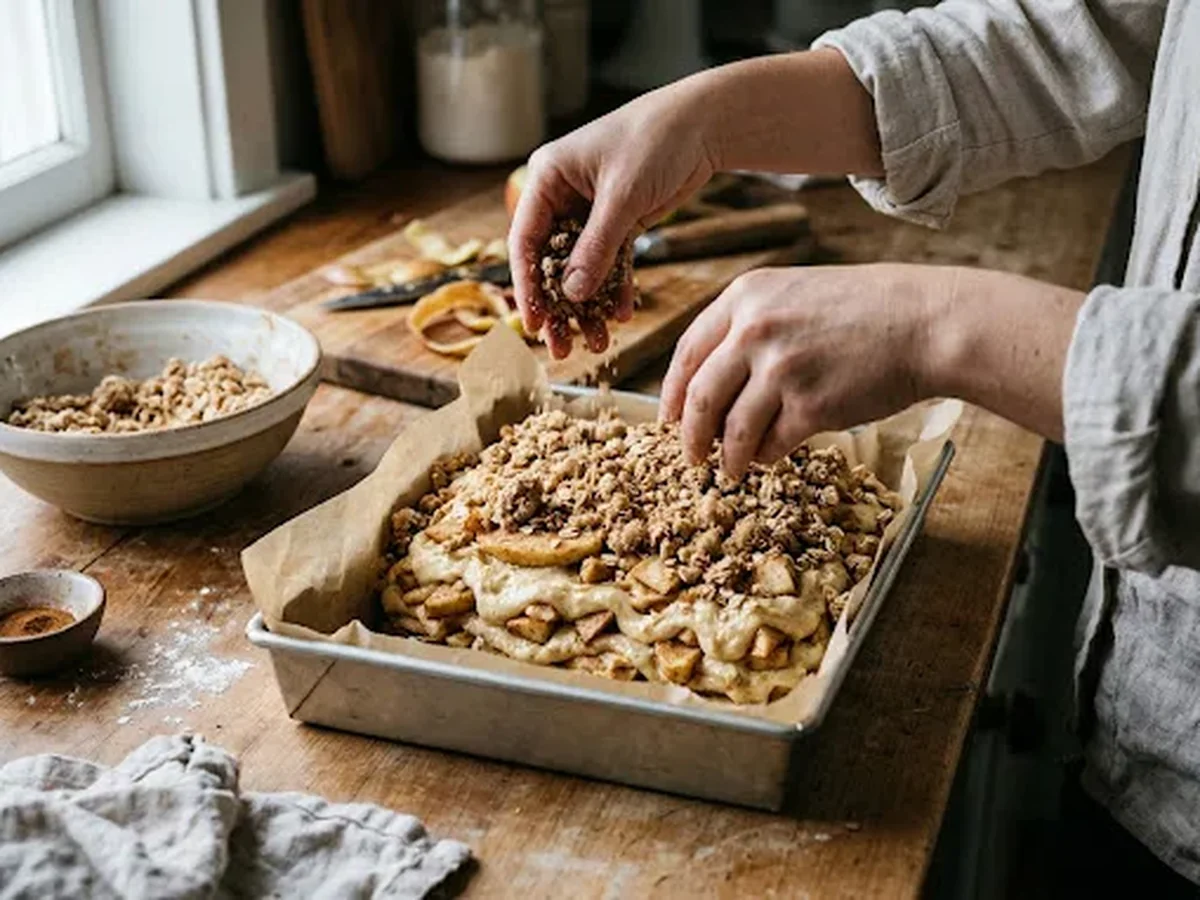
Achieving maximum texture contrast in an easy apple coffee cake requires alternating layers of batter and fruit, combined with a carefully distributed streusel that will not sink. Strategic layering creates distinct pockets of tender fruit and crumbly topping throughout the bake, ensuring every slice delivers the ideal balance of moist crumb and crunchy topping.
Baking powder interacts directly with the flour matrix during the initial rise by releasing carbon dioxide gas. This leavening action expands the batter upward, creating a light structure capable of supporting the weight of the crumb topping without collapsing. When preparing this baked fruit dessert with streusel, timing the addition of the topping is essential for structural integrity.
Distributing streusel across the top without weighing down the batter relies on particle size and timing. Scatter larger clumps gently over the surface rather than pressing them into the wet mixture. This allows the crust to form a distinct barrier.
A frequent mistake in home baking is pressing the crumble mixture directly into the raw batter, which causes heavy clumps to sink and creates dense, soggy spots. To prevent this, spread half of the batter in your pan, add a layer of prepared fruit using recommended varieties like Honeycrisp and Granny Smith, and cover with the remaining batter before finishing with the streusel.
When baking your apple coffee cake, maintain a standard oven temperature of 350 degrees F (175 degrees C). Baking time is approximately 40 minutes or until a toothpick inserted in the center comes out clean, as noted in publications from the University of Alaska Fairbanks. After removing the cake from the oven, cooling the cake to room temperature before slicing takes approximately 30 minutes, which helps the crumb set firmly.
Baking Parameters and Temperature Control
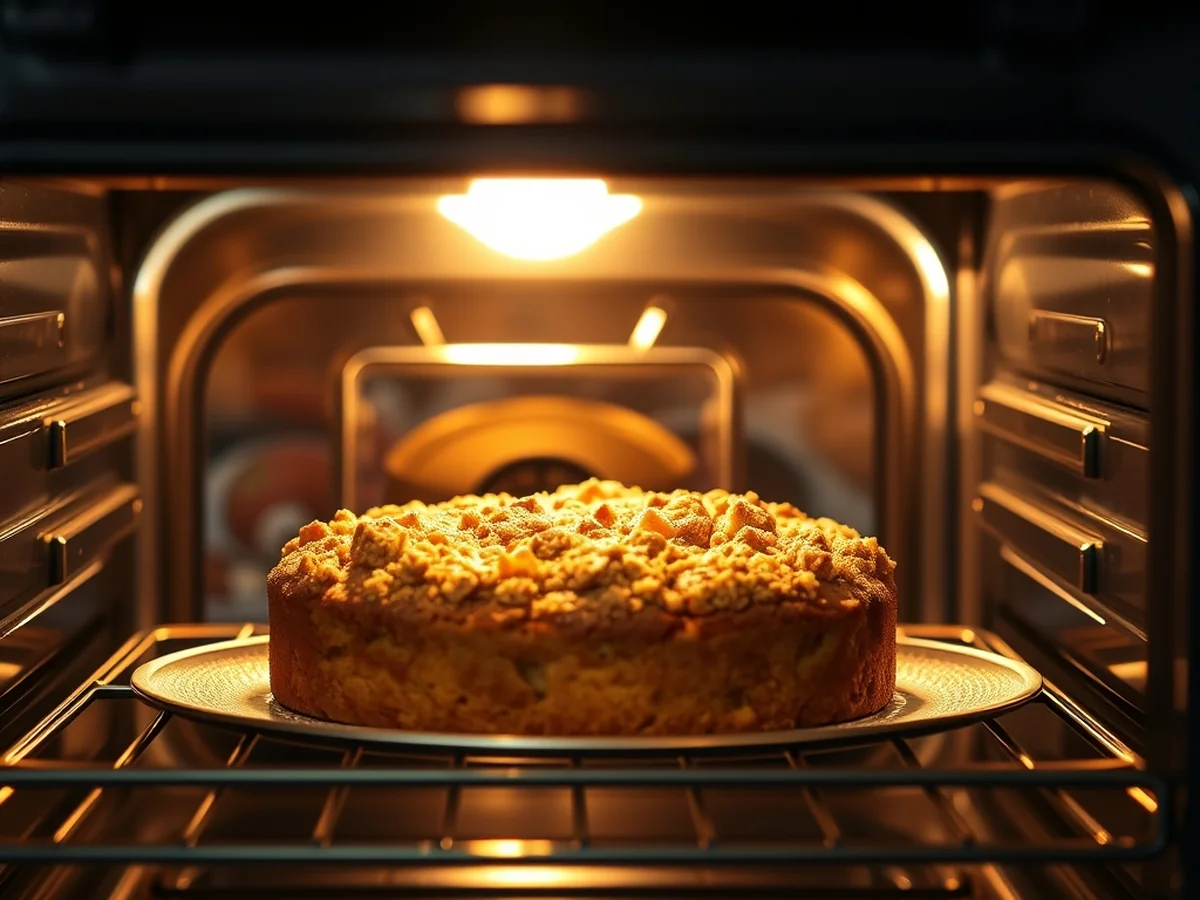
Precision matters when baking a homemade apple coffee cake to ensure the batter cooks evenly from the outer edges to the center without burning the sweet crumble topping. For home bakers preparing an easy apple coffee cake recipe, understanding heat distribution prevents the fruit from sinking and keeps the interior from becoming dense. Preheating your oven fully before placing the pan inside allows the leavening agents to activate properly, creating a tender crumb structure that supports the fruit. When working with high-moisture ingredients like Honeycrisp and Granny Smith, which are recommended apple varieties for coffee cake, proper thermal control ensures the pieces soften correctly without releasing excess liquid into the surrounding batter.
Oven Temperature and Timing
The standard oven temperature for baking this cake is 350 degrees F (175 degrees C). Baking time is approximately 40 minutes or until a toothpick inserted in the center comes out clean. Checking the pastry right at this mark prevents overbaking, which dries out the crumb and affects the overall texture of the treat. If you notice the top browning too quickly before the center finishes baking, tenting a piece of foil loosely over the pan can protect the surface. Opening the oven door too frequently in the first twenty minutes causes a sudden drop in temperature and can deflate the batter, so keep the door closed until the final minutes.
Indicators of Doneness
Visual and physical cues help confirm when your golden pastry with a sweet streusel finish is finished baking in the oven. Watch for these key indicators of doneness:
- Golden edges pulling slightly away from the sides of the pan
- A subtle Maillard reaction on the streusel surface creating a rich brown color
- A springy texture when gently pressed in the middle
Post-Baking Rest Period
Once removed from the heat, letting the pan rest properly before slicing ensures the slices hold their shape cleanly. Cooling the cake to room temperature before slicing takes approximately 30 minutes. Rushing this resting phase causes the warm crumb to tear and prevents the structural starches from setting fully, which matters just as much as precise measuring or selecting the right dairy, such as using plain Greek yogurt or sour cream as a substitute for plain yogurt.
Cooling, Slicing, and Structural Stability
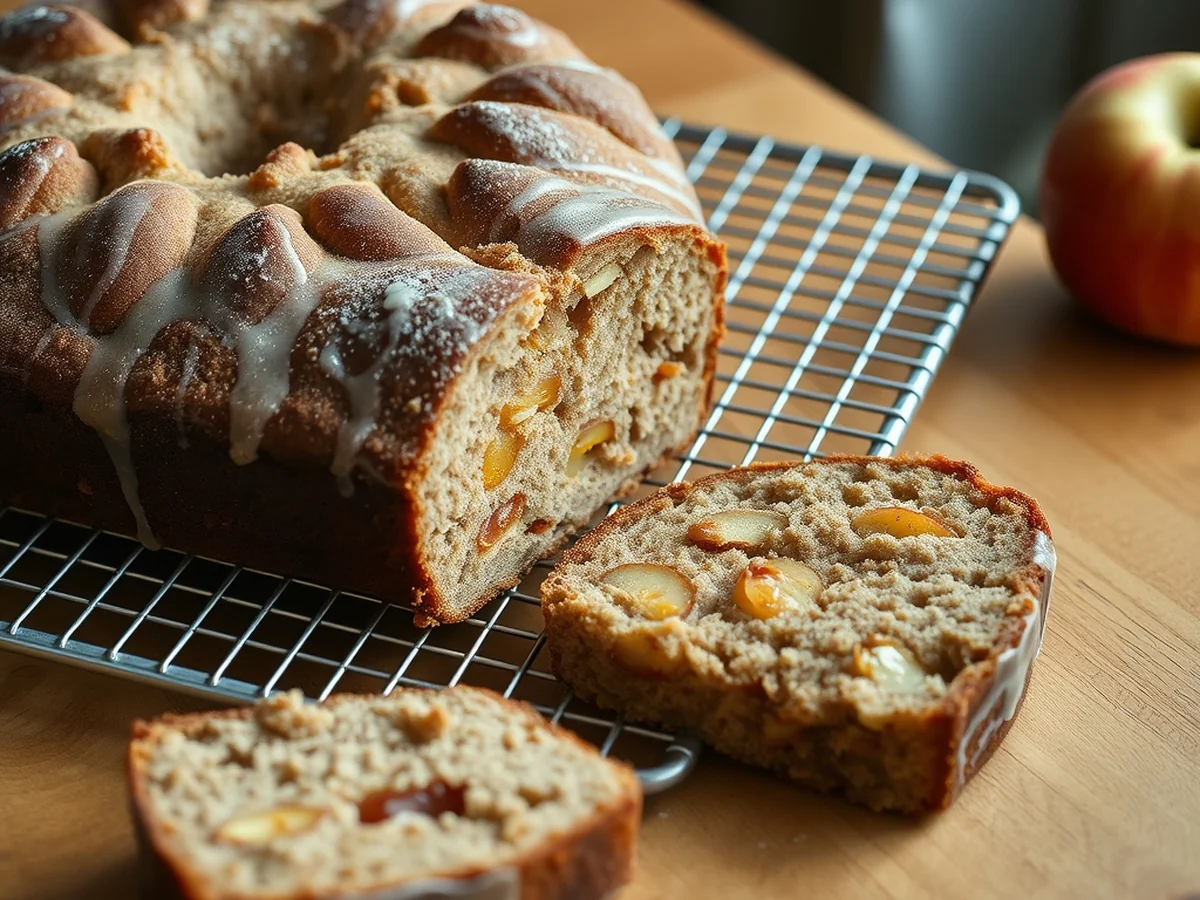
Cooling the fresh baked pastry to room temperature takes approximately 30 minutes. This rest period gives the internal crumb time to set properly so individual portions hold their shape without crumbling apart.
Cutting into a hot pastry damages the delicate interior and releases essential steam prematurely. When trapped heat escapes all at once, the surrounding crumb condenses, turning a fluffy texture into a gummy paste. Slicing too early also causes the sweet crumble topping to slide right off the warm fruit layer.
Understanding the science behind the structure helps avoid common mistakes. As the dessert bakes at 350 degrees F (175 degrees C), starches gelatinize and proteins coagulate to build a stable network around the apples. Rushing the cooling phase breaks this fragile network before it fully stabilizes.
Practical steps ensure clean, professional slices every time. Use a long, sharp chef knife or a serrated bread knife with a gentle sawing motion rather than pressing straight down. Wiping the blade clean with a damp towel between cuts prevents crumbs from sticking and tearing subsequent pieces, keeping your baked goods looking polished for weekday lunches or casual gatherings.
Storage and Shelf Life Guidance
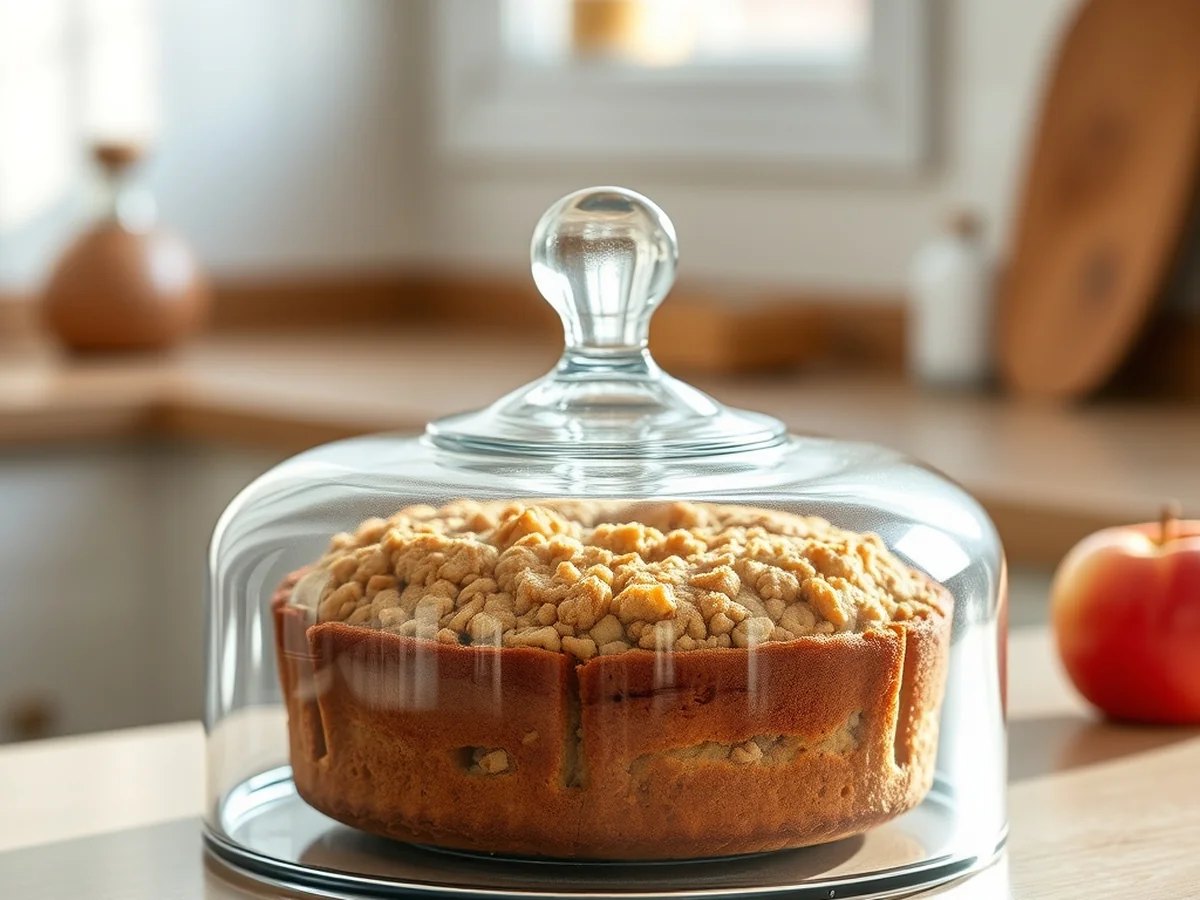
Proper storage keeps your baked treat moist and prevents the crumb topping from turning soggy over several days. Knowing how to store your fruit-filled bake correctly ensures that the fruit stays tender while the texture remains intact for work lunches or weekday treats.
Keeping the baked good at room temperature works well if you plan to finish it within two days. Cover it tightly with plastic wrap or store it inside a secure container to lock in moisture. Leaving it exposed to air will dry out the crumb topping quickly and compromise the texture of the tender fruit bake.
Refrigeration extends the shelf life for up to five days. Place the slices in an airtight container before putting them in the fridge. Cold air can dry out baked goods, so sealing the container properly is essential for maintaining a soft crumb and preventing the fruit from absorbing unwanted refrigerator odors.
Freezing offers a reliable method for long term meal prep and planning. Wrap individual slices tightly in plastic wrap, then place them inside a heavy-duty freezer bag. This method prevents freezer burn and keeps the baked treat fresh for up to three months.
To restore frozen portions, follow these practical steps:
- Thaw frozen portions overnight in the refrigerator for the best texture.
- Warm the slices gently in the microwave for a few seconds before serving to revive that freshly baked warmth.
- Avoid overheating the cake in the microwave, as high heat can toughen the crumb.
A common mistake during storage is sealing a warm cake inside an airtight container. Trapped steam creates condensation, which instantly ruins the crisp crumb topping. Always allow the cake to cool completely to room temperature before applying any tight wrappings or covers.
Frequently Asked Questions About Apple Coffee Cake
What kind of apples should I use for coffee cake?
Honeycrisp and Granny Smith are recommended apple varieties for coffee cake. Choosing these firm fruits helps balance sweetness with tartness while preventing the baked treat from becoming overly soggy during baking. They hold their structural integrity well when exposed to heat, which ensures that your textured fruit bake with streusel topping maintains a pleasant texture instead of turning mushy.
How long does it take to bake an apple coffee cake?
Baking time is approximately 40 minutes or until a toothpick inserted in the center comes out clean. The standard oven temperature for baking this cake is 350 degrees F (175 degrees C). Checking your baked fruit pastry near the end of this window prevents overcooking the batter and keeps the crumb from drying out.
Can I substitute sour cream for yogurt in a baking recipe?
Plain Greek yogurt or sour cream can be used as a substitute for plain yogurt. Both dairy options provide the necessary moisture and acidity required to keep the crumb tender. If you are preparing a quick spiced fruit pastry and find yourself missing one of these ingredients, either option will yield similar results in texture and flavor.
How small should I cut the apples so they get tender?
Cutting the fruit into small, uniform pieces ensures the pieces cook thoroughly while the batter bakes. Keeping the chunks evenly sized allows them to soften completely without releasing too much excess moisture into your bake. Common guidance also suggests that dark brown sugar can be used as a substitute for light brown sugar if you want a deeper molasses flavor in the finished crumb.
Conclusion and Final Weekday Baking Tips
Baking a dependable homemade treat relies on proper ingredient selection, precise temperature control, and stress-free preparation that fits neatly into a balanced meal routine. Standard oven temperature for baking this cake is 350 degrees F, ensuring an even rise and golden crust. Choosing firm varieties like Honeycrisp and Granny Smith keeps the fruit texture intact. You can easily integrate this fruit-filled baked dessert into your weekly schedule by prepping dry components ahead of time, allowing for a smooth and rewarding baking experience without added daily stress.
Sources: police.stanford.edu, pupr.edu, wicworks.fna.usda.gov, uaf.edu
You might also like: Homemade Maple Apple Butter Recipe: Cozy Fall Spread