Lemon Dutch Baby Pancake: Light, Fluffy & Citrusy
Introduction to the Citrus Puffed Pancake
A lemon dutch baby pancake is a puffed oven baked treat infused with bright citrus notes that transforms ordinary mornings into something special. Baking this batter in a hot skillet creates a dramatic rise with puffed sides and a tender center.
Home cooks looking to elevate their morning routine will find that this dish combines a custard like interior with crispy edges for an unforgettable texture. Readers will learn the essential steps to achieve this impressive bake at home, along with tips for adding a sweet glaze and vibrant citrus flavor.
Essential Kitchen Tools and Skillet Selection
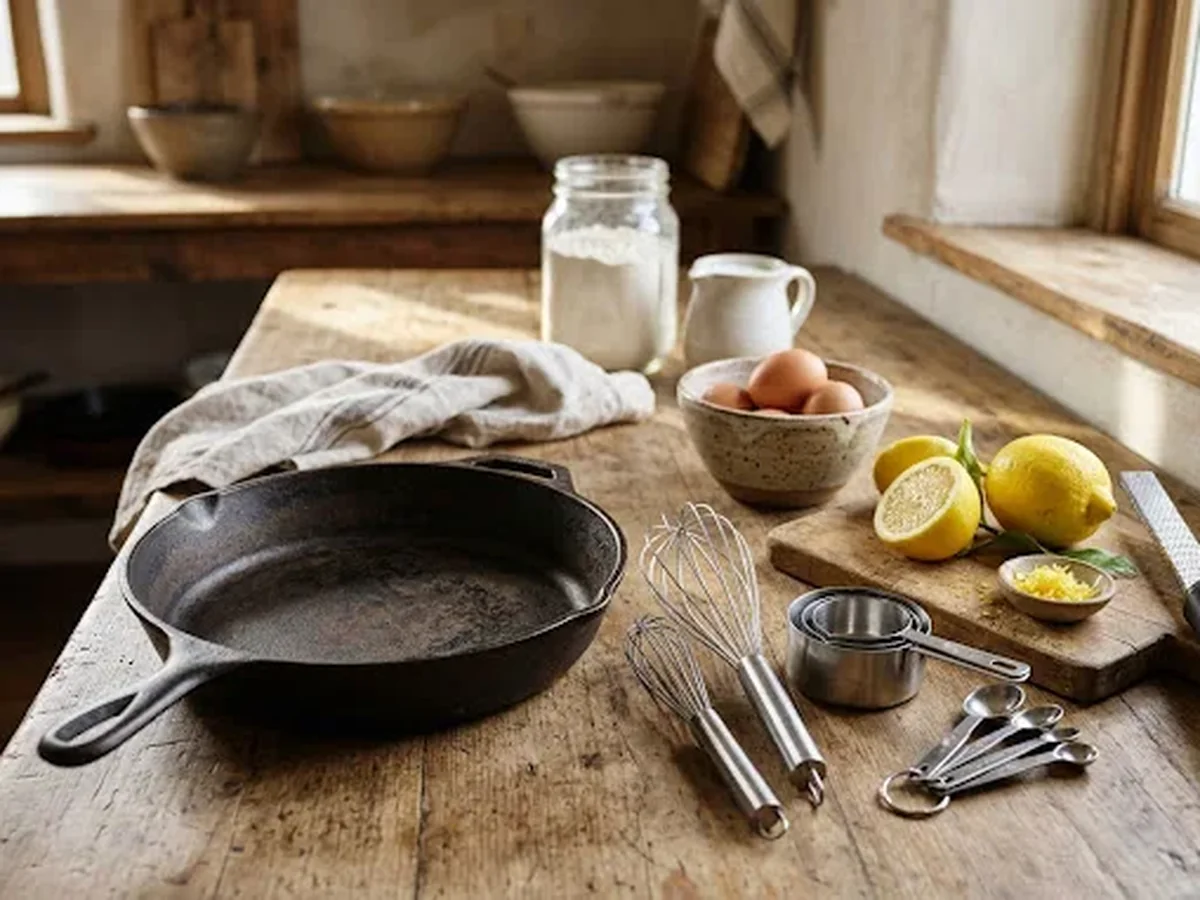
Achieving a dramatic rise and proper edges on a citrus-infused baked puff pancake relies heavily on traditional cookware paired with thorough mixing techniques. A heavy cast iron skillet outperforms alternative ceramic or glass baking dishes because seasoned metal retains and distributes intense heat much better. That superior thermal mass helps create the signature puffed sides and golden rim when the batter hits the hot pan.
Preparing the batter properly is just as important as choosing the right cookware. Using a high-speed blender or an electric whisk guarantees a completely smooth consistency without any hidden pockets of flour. Thoroughly aerating the ingredients incorporates maximum air bubbles, which helps the puffed pastry rise dramatically in the oven.
Here are the key guidelines for preparing your cookware and equipment:
- Preheat your cast iron skillet inside the oven thoroughly so the metal is scorching hot before adding the butter and batter.
- Avoid lightweight metal baking sheets or thin aluminum pans because they lack the necessary heat retention for a proper rise.
- Process the liquid ingredients and dry components in a blender for thirty seconds to eliminate flour lumps completely.
- Scrape down the sides of the mixing container with a spatula to ensure all the flour incorporates evenly into the batter.
- Let the mixed batter rest briefly if time permits so the starch relaxes before pouring it into the hot pan.
Core Ingredients for Flavor and Structure

The foundation of a successful lemon dutch baby pancake relies on simple pantry staples that work together harmoniously. Unlike traditional pancakes that require baking powder or baking soda, this style of baked pancake achieves its dramatic height entirely through steam and eggs. Understanding the role of each component helps ensure the final result puffs properly in the oven while maintaining a tender center.
Building the batter begins with all-purpose flour to provide the essential framework, paired with fresh eggs that trap air during whipping and expand under high heat. Whole milk brings necessary moisture, while unsalted butter melts directly in the hot cast iron skillet to create rich edges and a golden crust. To elevate the profile beyond a standard breakfast dish, fragrant additions brighten the heavy richness of the eggs and dairy. Incorporating fresh lemon zest and vanilla sugar or standard granulated sugar infuses the batter with deep aromatic oils that perfume the kitchen while baking.
| Ingredient Role | Primary Component | Alternative Option |
|---|---|---|
| Structure | All-purpose flour | Gluten-free flour blend |
| Rise | Fresh eggs | Liquid egg substitutes |
| Flavor | Lemon zest | Orange peel |
| Sweetness | Vanilla sugar | Granulated sugar |
Practical preparation involves a few simple steps to avoid common mistakes. One frequent misstep is using cold ingredients, which can shock the temperature of the melted butter and prevent the batter from rising correctly. Bringing dairy and eggs to room temperature before mixing creates a smooth emulsion in the blender or mixing bowl. Another detail to watch is over-mixing the flour, which activates the gluten and leads to a rubbery texture rather than a light, airy bite. Finally, finishing the baked pancake with a bright drizzle made from confectioners sugar, fresh lemon juice, and a splash of milk balances the rich pastry with a tart citrus kick.
The One Bowl and One Pan Method

Streamlining breakfast preparation starts with equipment choice. The one bowl and one pan method keeps your kitchen organized by mixing all the batter in a single vessel while heating the unsalted butter directly in the baking skillet. Busy mornings demand simple routines, and this streamlined approach cuts down on extra dishes. When you prepare an easy lemon dutch baby pancake, avoiding multiple mixing bowls prevents recipe fatigue before the day even begins.
To use this technique effectively, combine your wet and dry components in one container until smooth. While the batter rests briefly, place your cast iron skillet into the hot oven with a slice of fat to melt. Heating the fat directly in the cooking vessel creates the sizzling base necessary for proper rising. As soon as the pan is hot and the fat sizzles, pour the batter right over it.
Several common mistakes can disrupt this minimalist process. Avoid overcrowding your workflow by gathering all measuring tools beforehand. Another frequent error involves underheating the skillet, which prevents the dramatic puff characteristic of a quality lemon dutch baby pancake recipe. Ensuring your pan is fully preheated guarantees better results.
This minimal cleanup technique reduces daily kitchen stress significantly. Fewer items in the sink mean quicker after breakfast cleanup. You spend less time washing dishes and more time enjoying your meal. Keeping the process contained to minimal equipment fits right into a calm morning routine, giving you more space to enjoy your morning coffee.
Achieving the Perfect Rise in the Oven

Creating a dramatic, airy lift in a lemon Dutch baby pancake relies entirely on thermodynamics. The magic happens when the batter meets a preheated cast iron skillet. By placing your pan in the oven well before you are ready to pour, you ensure it reaches a high temperature. This thermal shock is crucial because it immediately converts the liquid components of the batter into steam. This rapid expansion forces the center to puff up, creating the signature crater shape that makes this dish so iconic.
The skillet selection matters for consistency. A heavy cast iron skillet is ideal because it retains heat far better than thin baking dishes or cake pans. When you add unsalted butter to that scorching hot surface, it should melt and foam instantly. As you swirl the butter to coat the bottom and sides, it acts as a frying agent. This hot fat sears the edges of the batter on contact, creating a sturdy, golden framework that supports the sides as they climb toward the rim of the pan.
One common mistake is opening the oven door too early to check progress. This drops the ambient temperature and can cause the structure to collapse before it has finished setting. Instead, rely on the oven light to monitor your lemon Dutch baby pancake. You are looking for a deep, golden brown crust that extends high above the edges of the pan. The top should look crisp, while the center must appear set and stable rather than jiggly when you gently shake the handle.
If you find that your pancake is failing to achieve the desired height, consider these troubleshooting steps:
- Preheat longer: Even if your oven signals it has reached the target temperature, the air inside may not be fully saturated with heat. Allow the pan to sit in the oven for an additional 10 minutes to ensure total saturation.
- Batter temperature: Using room temperature ingredients often results in a smoother, more consistent batter that reacts more predictably to the heat of the pan.
- Don’t over-mix: A few small lumps in your all-purpose flour mixture are perfectly acceptable. Overworking the batter can lead to a tougher, denser texture that struggles to puff.
Once the pancake is removed from the heat, it will naturally deflate slightly. This is expected behavior for this type of pastry. For a final touch, a light dusting of confectioners sugar or a drizzle of lemon glaze can enhance the presentation, making it a beautiful centerpiece for a relaxed brunch.
Crafting the Sweet Citrus Glaze
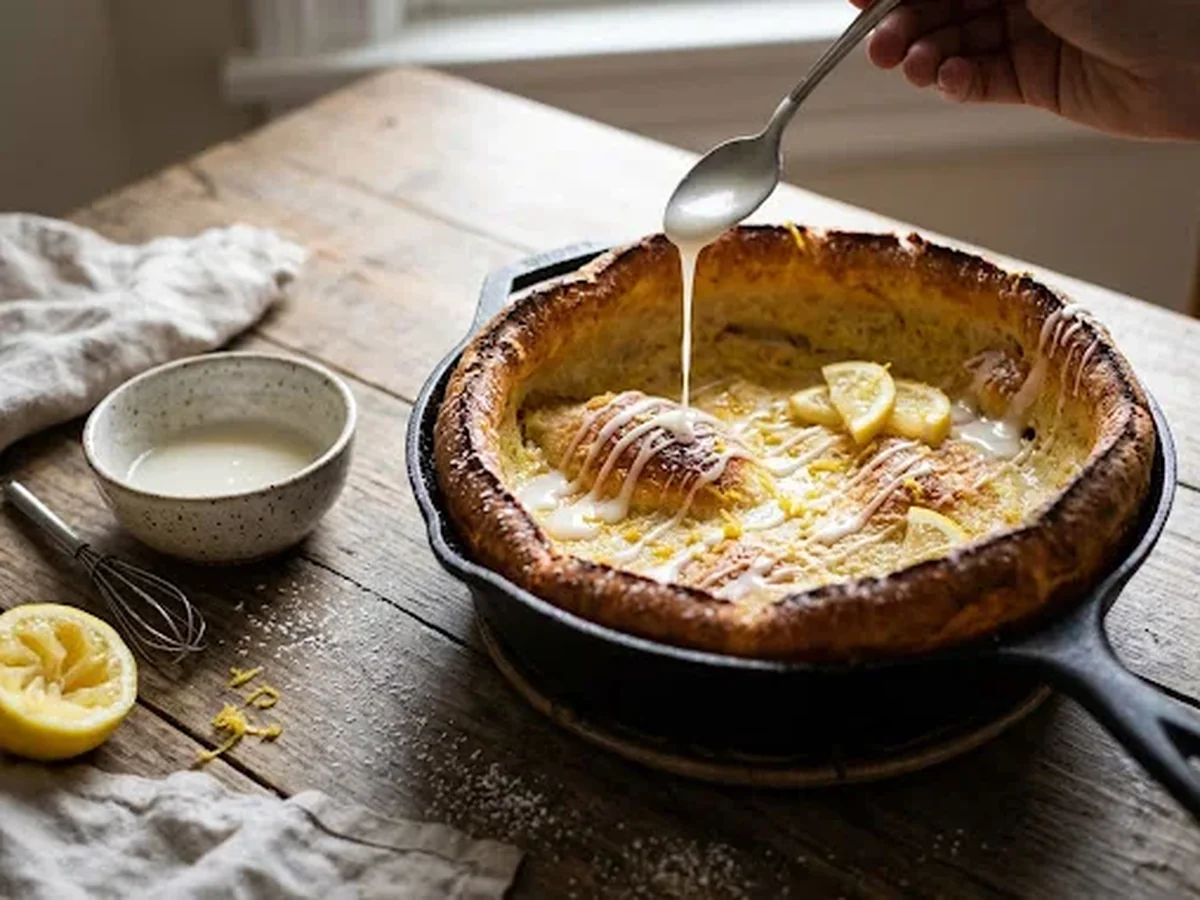
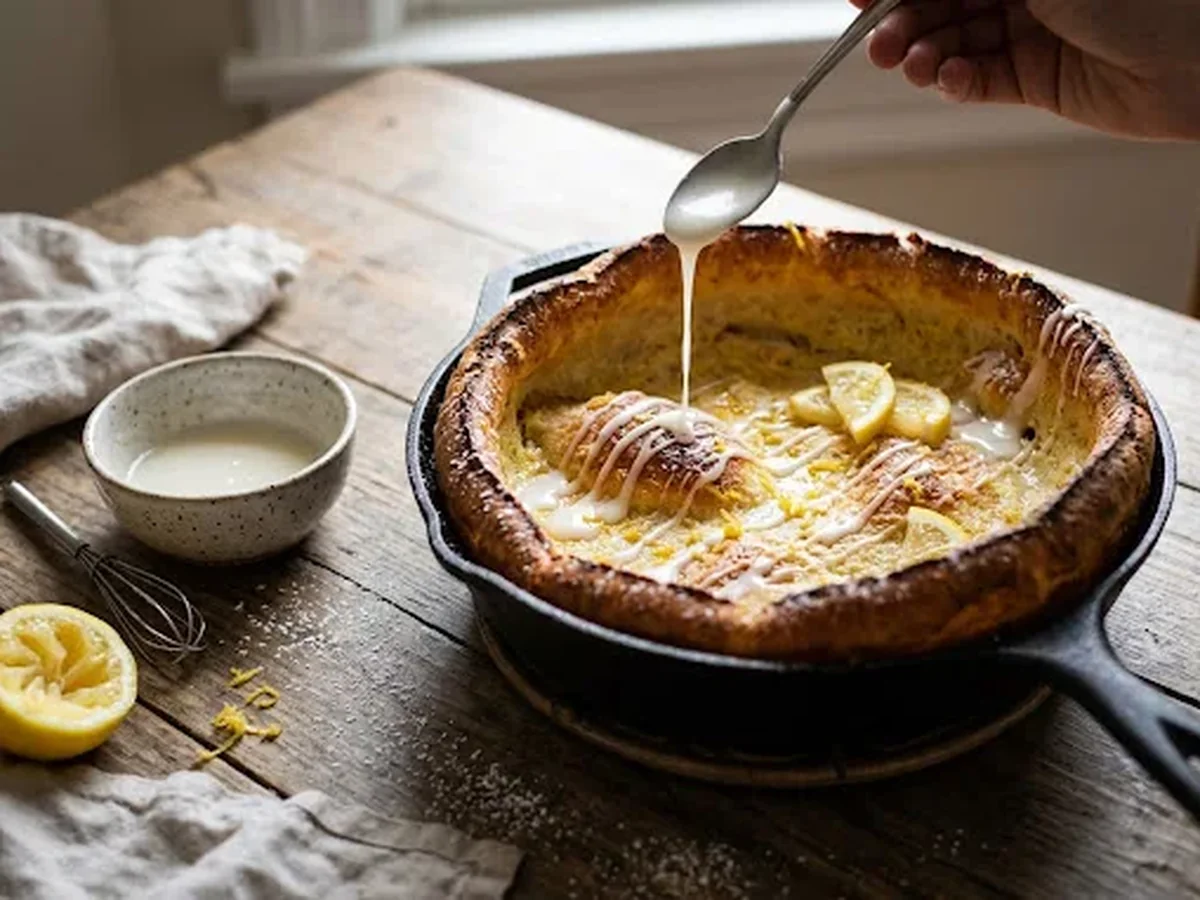
A simple citrus glaze is the perfect finishing touch for this oven-baked pastry, balancing its airy texture with a bright, sugary snap. To create a smooth consistency, common guidance suggests whisking confectioners sugar with small amounts of fresh lemon juice and milk until you reach your desired thickness.
When preparing this topping, start by placing your sugar in a small bowl. Gradually add the liquids one teaspoon at a time. This controlled approach prevents the mixture from becoming too runny, which is a common challenge when balancing the acidity of the citrus with the sweetness of the sugar.
You can adjust the texture based on your personal preference for this lemon dutch baby pancake recipe:
- For a thicker, opaque coating, use slightly more sugar and minimal liquid.
- For a thinner, translucent drizzle, incorporate a touch more juice or milk.
Once your glaze is smooth and free of lumps, it is ready to be applied. Drizzle the mixture generously over the pastry while it is still warm from the oven. The residual heat helps the glaze melt slightly into the crevices of the golden surface, creating a beautiful finish that highlights the citrus notes. Applying the glaze just before serving ensures the delicate top remains light and does not become soggy.
If you prefer a more subtle presentation, use a fork or a small whisk to create thin, decorative lines across the center of the dish. This technique adds a professional look while ensuring each bite has just enough sweetness. Serving the dish immediately after drizzling captures the best contrast between the warm, eggy interior and the cool, zesty sugar topping.
Flavor Variations and Additions

You can easily customize this airy breakfast dish by folding fresh fruit into the batter or incorporating warming spices that contrast beautifully with the bright citrus notes. These additions transform the base recipe into a versatile meal that fits your specific cravings or seasonal availability.
- Folding in a handful of fresh blueberries or raspberries creates a vibrant, juicy contrast to the tart citrus zest.
- Adding a pinch of ground cardamom or nutmeg provides an earthy depth that balances the bright, acidic profile of the batter.
- Replacing standard sugar with maple syrup or agave nectar offers a different sweetness profile, though you should adjust the liquid ratios slightly to maintain the right consistency.
- Whisking a small amount of poppy seeds into the mixture adds a pleasant texture that pairs perfectly with the lemon flavor.
- Swapping plain granulated sugar for vanilla sugar enhances the aromatic quality of the dish, making the final result feel more like a decadent dessert.
- Using a splash of almond extract alongside the citrus elements introduces a subtle, nutty undertone that rounds out the flavor profile.
When incorporating berries, try scattering them directly into the hot cast iron skillet right before pouring the batter over the melted butter. This ensures the fruit stays evenly distributed rather than sinking entirely to the bottom of the pan. If you prefer a lighter touch, you can always reserve your fruit toppings for after the oven time, which helps keep the structure of the puffed edges intact.
Choosing to experiment with sweeteners or spices is a simple way to make the dish your own. While many home cooks prefer a traditional approach, using alternative sugars or fragrant spices can turn a standard morning meal into something special. Always remember that the integrity of the rise depends on the heat of your pan, so avoid overcrowding the skillet with heavy add-ins that might weigh down the batter and prevent that signature dramatic lift.
Troubleshooting Common Baking Issues
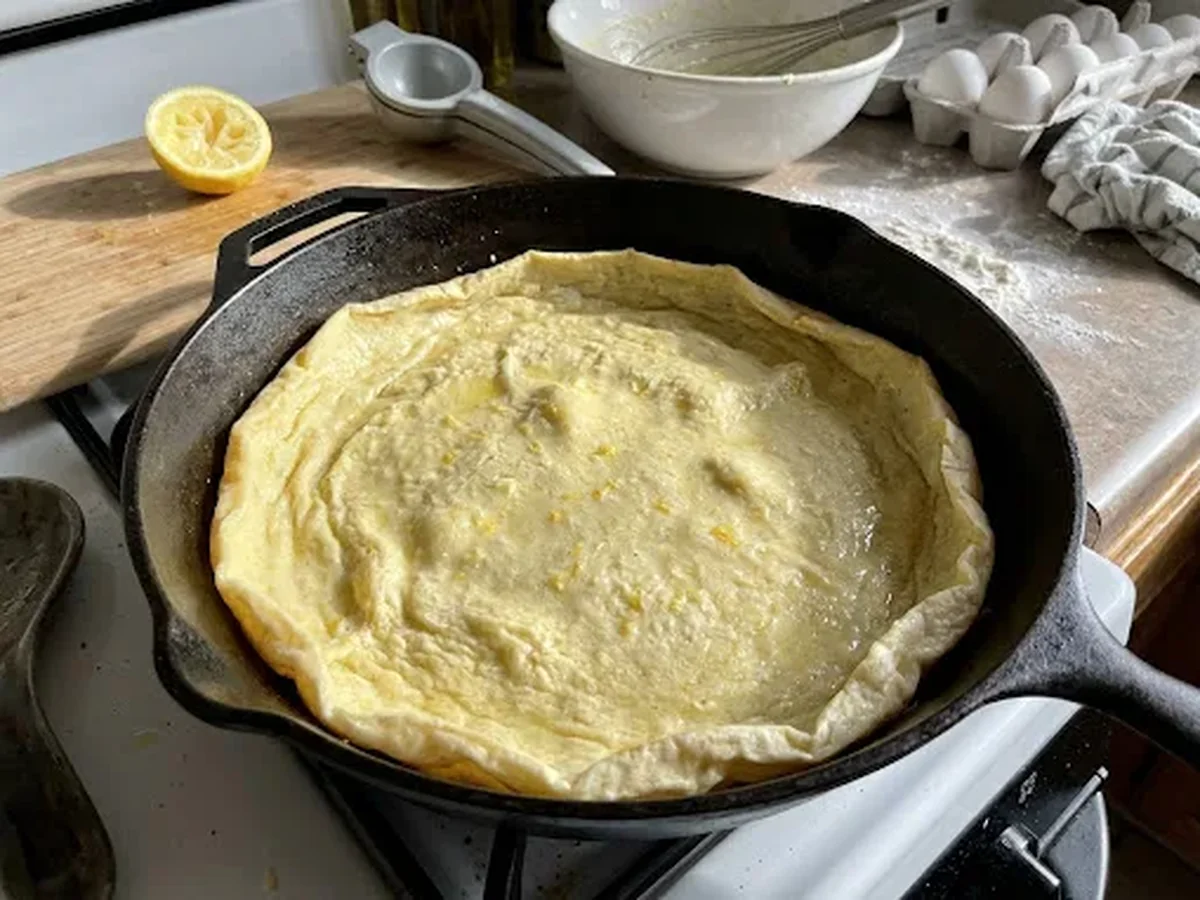
A failure to rise or an uneven texture usually stems from temperature inconsistencies or issues with the batter consistency. If your lemon dutch baby pancake remains flat instead of climbing the sides of the skillet, the most likely culprit is the temperature of your ingredients or the pan itself.
Ensure your ingredients are at room temperature before you begin mixing. Cold eggs or milk can prevent the steam from expanding effectively during the initial bake. Furthermore, your skillet must be thoroughly preheated. Placing your batter into a cold or lukewarm pan stops the lift before it even starts. Always allow the pan to heat in the oven until it is searing hot to create that immediate reaction upon contact.
If you find the texture is heavy or the bottom is browning unevenly, consider these common adjustments:
- Check your oven calibration, as hot spots often cause uneven browning.
- Avoid over-mixing the batter, which can develop too much gluten and lead to a dense, chewy result.
- Ensure your oven door remains closed throughout the baking process to prevent a sudden drop in temperature.
- Use a heavy cast iron skillet to distribute heat evenly across the base of the dish.
- Measure your ingredients accurately, as excess flour will easily weigh down the delicate structure of the pancake.
For a lighter finish, blend your batter until it is perfectly smooth and free of lumps. A quick pulse in a blender helps incorporate air, which is essential for a high rise. If you struggle with the bottom becoming overly browned before the center is set, try placing the skillet on a higher rack position. This simple shift often balances the heat exposure between the top and bottom of your dish. If you choose to garnish with a dusting of confectioners sugar, apply it just before serving to keep the surface light and airy.
Make Ahead Tips and Storage Instructions

You can prepare the batter for this easy lemon dutch baby pancake in advance to streamline your morning routine. By blending the ingredients the night before and storing them in the refrigerator, you allow the flour to fully hydrate and the proteins to relax, which often results in a better rise when the mixture hits the hot cast iron skillet.
Simply pour the finished batter into an airtight container or a jar with a tight-fitting lid. Keep it chilled in the refrigerator for up to one day. Before you are ready to bake, give the mixture a quick whisk or a brief pulse in the blender to ensure the ingredients are perfectly combined again, as some separation is natural during storage.
If you find yourself with leftovers, you can store them safely by keeping the cooked dish in an airtight container within the refrigerator. It is best to consume any remaining portions within two to three days for the freshest quality. Storing the citrus glaze separately is recommended if you have already prepared it, as moisture can soften the texture of the pancake over time.
Reheating is straightforward and helps restore a bit of the original lightness. You have a few effective options for warming your leftovers:
- Place the portion in a preheated oven until it is warmed through and slightly crisp on the edges.
- Use a toaster oven for a quick heat, which helps maintain the texture better than a microwave.
- Avoid the microwave if possible, as it tends to make the delicate structure of the pancake soft or rubbery rather than light and airy.
Always ensure your leftovers have been cooled completely before sealing them in a container to prevent excess condensation. If you are preparing a large batch, you might consider baking individual portions in smaller ramekins, which store and reheat more evenly than a single large skillet version.
How to Make a Vanilla and Lemon Dutch Baby Pancake
Creating this citrus-infused oven pancake involves blending your base ingredients until completely smooth and pouring the mixture into a preheated, buttered cast iron skillet. The key to the signature rise is ensuring your liquid ingredients are at room temperature before they hit the hot pan.
To prepare the batter, combine all-purpose flour, eggs, milk, sugar, and a splash of vanilla extract in a blender. Incorporating fresh lemon zest into the batter at this stage infuses the dish with bright citrus notes that balance the sweetness. Pour the batter into the hot skillet, then return it to the oven immediately. A simple glaze, which is often prepared using about one cup of confectioners sugar whisked with a little milk and lemon juice, offers a sweet, tangy finish once the meal is pulled from the heat.
Necessary Ingredients
- Eggs and whole milk
- All-purpose flour
- Granulated sugar or vanilla sugar
- Pure vanilla extract
- Unsalted butter for the skillet
- Fresh lemon zest
- Confectioners sugar for the glaze
Baking Temperature and Duration
For an optimal rise and texture, bake your breakfast dish in a preheated oven at a high temperature. The baking process usually requires about 15 minutes, or until the edges are puffed and golden brown, and the center is set without any remaining jiggle. Avoid opening the oven door during the first 12 minutes of baking, as the drop in ambient heat can cause the pancake to collapse prematurely.
Frequently Asked Questions
Why did my Dutch baby pancake not rise?
A failure to rise is often caused by the oven not being fully preheated or the batter not being at room temperature before baking. Ensure your cast iron skillet is piping hot before you pour in the batter to trigger the immediate expansion needed for that airy texture.
Can I use a different pan if I do not have a cast iron skillet?
While cast iron is preferred for its heat retention, you can use a heavy-bottomed oven-safe baking dish or a metal cake pan. Make sure the alternative pan is preheated in the oven before adding the butter and batter to mimic the searing effect of a skillet.
How do I know when the pancake is finished baking?
The pancake is ready when it has puffed significantly above the rim of the pan and the edges are a deep golden brown. The center should feel firm to the touch and appear dry rather than liquid or jiggly.
Is it possible to prepare the batter ahead of time?
You can mix the batter in advance and store it in the refrigerator for up to one day before baking. Allow the mixture to reach room temperature before pouring it into your hot skillet for the best results.
Elevate Your Morning Routine
Baking a citrus puffed pancake brings a sense of accomplishment to any breakfast, whether you are celebrating a slow weekend or brightening a busy Tuesday. Watching the batter transform in a hot cast iron skillet is deeply satisfying, as it rises into dramatic, golden peaks that feel like a special occasion. The combination of bright lemon zest and a hint of sweetness makes for a refreshing change from standard griddle cakes. If you enjoy simple, one-pan meals that look impressive without requiring complex techniques, this dish is a perfect addition to your rotation. It is an easy way to bring a touch of restaurant-style flair into your own kitchen with minimal effort.
Conclusion
You now have everything needed to master this citrus-infused oven pancake. Gather your pantry staples, prepare your skillet, and enjoy the process of creating this light, golden breakfast treat.
You might also like: Homemade Maple Apple Butter Recipe: Cozy Fall Spread