Homemade Thai Curry Paste: Easy Spice Blend
Introduction
You can create a vibrant, aromatic base for your next meal by preparing homemade thai curry paste in your own kitchen. Mastering homemade thai curry paste allows you to control the intensity of heat and the freshness of aromatics, resulting in a flavor profile that store-bought versions often lack.
This article covers the essential ingredients for red, green, and yellow varieties, including the roles of galangal and lemongrass. You will learn the best methods for processing tough ingredients, how to adjust spice levels by managing chili seeds, and the proper techniques for hydrating dried chilies before blending. We also provide practical advice on storage to keep your preparations ready for quick weekday lunches.
How to Make Thai Curry Paste
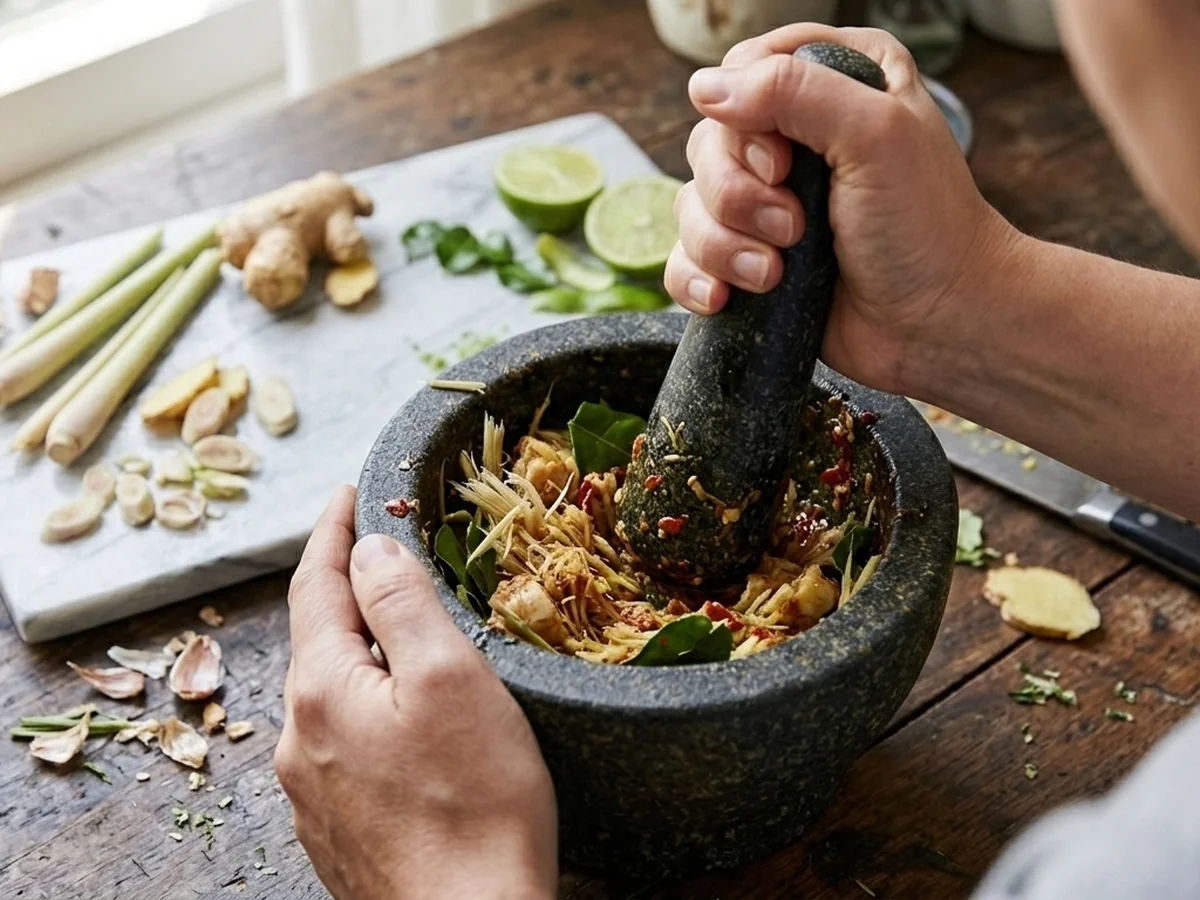
Creating homemade Thai curry paste elevates your weekday lunch prep by replacing muted, store-bought flavors with vibrant, aromatic intensity. When you make Thai curry paste from scratch, you gain full control over the spice profile and ingredient quality. This hands-on approach ensures your meal prep bowls possess the depth and character that turn a simple lunch into a rewarding experience.
Mastering the Aromatics
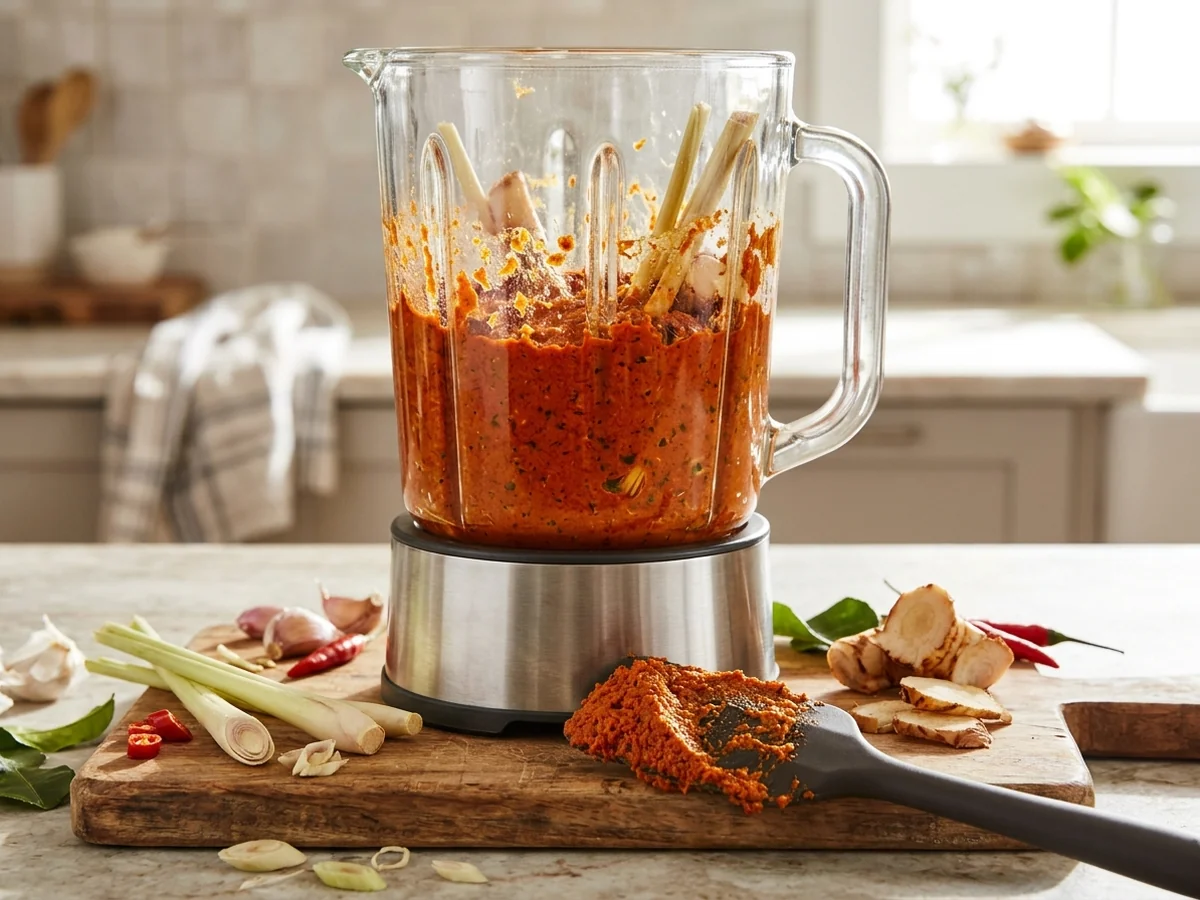
The foundation of an easy homemade Thai curry paste lies in the preparation of fibrous ingredients. To achieve the best results, common guidance suggests using a mortar and pestle. While a commercial food processor is convenient, it often struggles to break down tough components like galangal and lemongrass into a truly smooth paste. If you must use a processor, consider starting with a small amount of oil to help the blades catch and emulsify the ingredients more effectively.
Preparation techniques are vital for consistency:
- Dried red chilies: You must hydrate these in boiled water to soften them before blending, a process confirmed as necessary to achieve a smooth final texture.
- Heat control: Removing the seeds from your dried chilies is a simple way to reduce the overall spiciness of the finished blend.
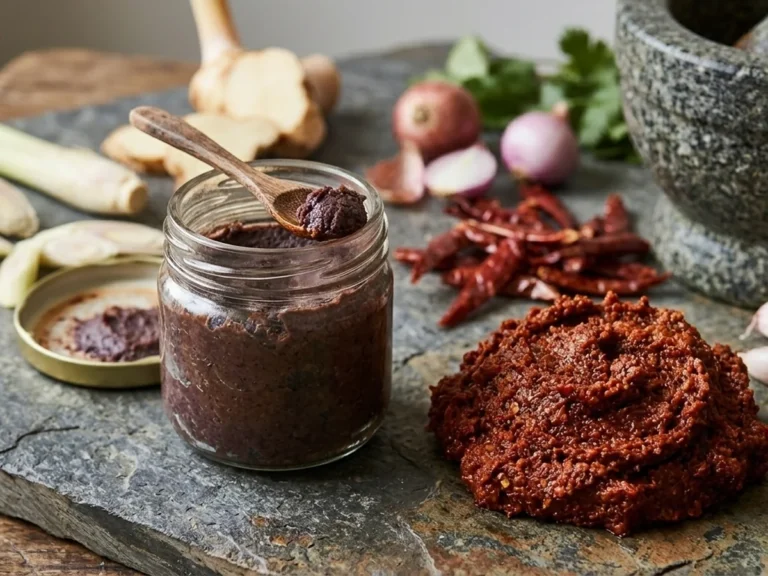
- Galangal handling: Though it resembles ginger in appearance, galangal is known for providing a distinct citrusy flavor profile that defines authentic Thai curry.
- Shrimp paste: Many home cooks use this fermented, salty base to add umami. If you find the aroma too pungent, you can toast it briefly in a dry pan or incorporate it into a small amount of oil before blending to mellow the flavor.
Storage and Freshness
A common mistake is assuming that fresh, homemade pastes last indefinitely in the refrigerator. While many sources suggest a one-week limit, the most practical approach for busy work weeks is to portion your paste into ice cube trays and freeze it. This allows you to grab a single, flavor-packed portion for your lunch bowl without needing to defrost an entire batch. Freezing preserves the volatile oils in ingredients like kaffir lime leaves and coriander root, ensuring your meals taste as fresh on Friday as they did on Monday.
If you need a substitute for Thai curry paste due to dietary restrictions, focus on replicating the base flavor profile using a blend of turmeric, cumin, and fresh garlic. For vegan variations, replace traditional shrimp paste with fermented soybean paste or a touch of miso, which provides the necessary depth of flavor without the need for shellfish. By mastering these techniques, you move away from reliance on mass-produced jars and toward a more intentional, high-quality approach to your weekly meal prep.
Essential Ingredients Explained
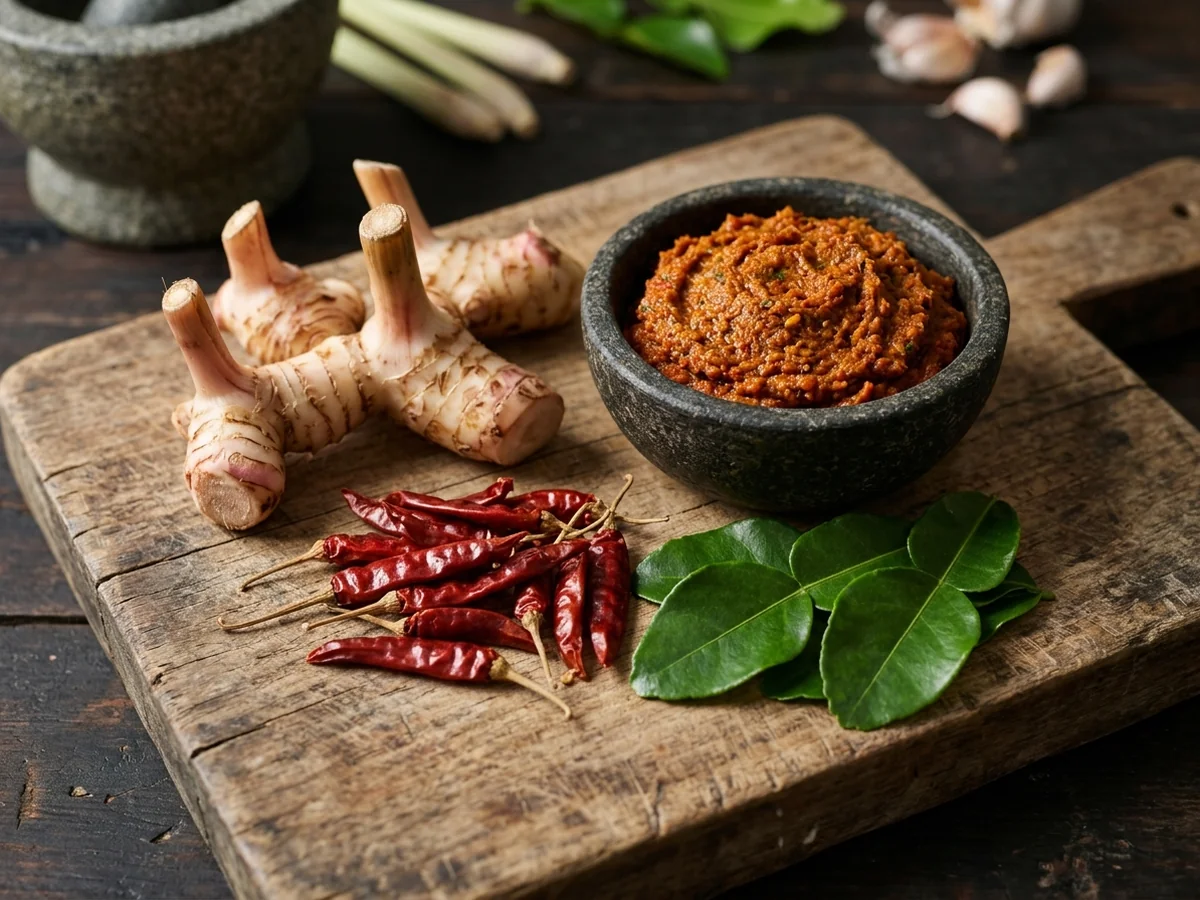
Achieving authentic depth when you make Thai curry paste from scratch requires a balance of specific aromatics and savory bases. While recipes for red, green, and yellow curry paste ingredients vary, these foundations work together to create the complex, layered profile expected in Southeast Asian cooking.
The Role of Aromatics and Rhizomes
Galangal is a common rhizome used in these pastes. While it resembles ginger, culinary experts note that it possesses a distinct citrusy flavor profile rather than the sharp heat of its cousin. If you find galangal difficult to source, you might consider its specific citrus notes when looking for a substitute for Thai curry paste. Lemongrass provides a bright, floral acidity that cuts through the richness of coconut milk, while kaffir lime leaves contribute a unique, potent citrus fragrance. Coriander root is another traditional foundation, adding an earthy, nutty undertone that stems or leaves simply cannot replicate.
Managing Heat and Texture
The intensity of your blend depends heavily on your choice of chilies. When working with dried red chilies, you must hydrate them in boiled water to soften them for blending. If you prefer a milder result, remember that removing seeds from dried chilies reduces the overall spiciness of the curry paste. When it comes to achieving the right consistency, common guidance suggests that using a mortar and pestle is superior for breaking down fibrous ingredients like galangal. Commercial food processors often struggle to achieve the same smooth, uniform texture, though they can work for smaller, more tender aromatics.
The Umami Backbone
Shrimp paste serves as a vital savory flavor base, acting as the umami backbone that rounds out the sharper notes of the chilies and herbs. Because its concentrated flavor can easily dominate more delicate aromatics if added in excess, use it sparingly. For those seeking a plant-based alternative, you can often substitute this with a fermented soy bean paste or high-quality miso, though these will alter the final flavor profile slightly.
Practical Storage Tips
Many home cooks wonder how to store homemade curry paste to maintain the best flavor. While some suggest keeping it in the refrigerator, the intense aromatics lose potency quickly. For long-term storage, freezing is the most effective method. You can portion the paste into ice cube trays, freeze them solid, and then transfer the cubes to a freezer-safe bag. This allows you to grab a single portion for an easy homemade Thai curry paste meal without thawing the entire batch. Using oil to seal the surface of the paste in your storage container can also help protect the ingredients from oxidation, ensuring your hard work stays vibrant for your next weekday lunch.
Managing Heat and Spice
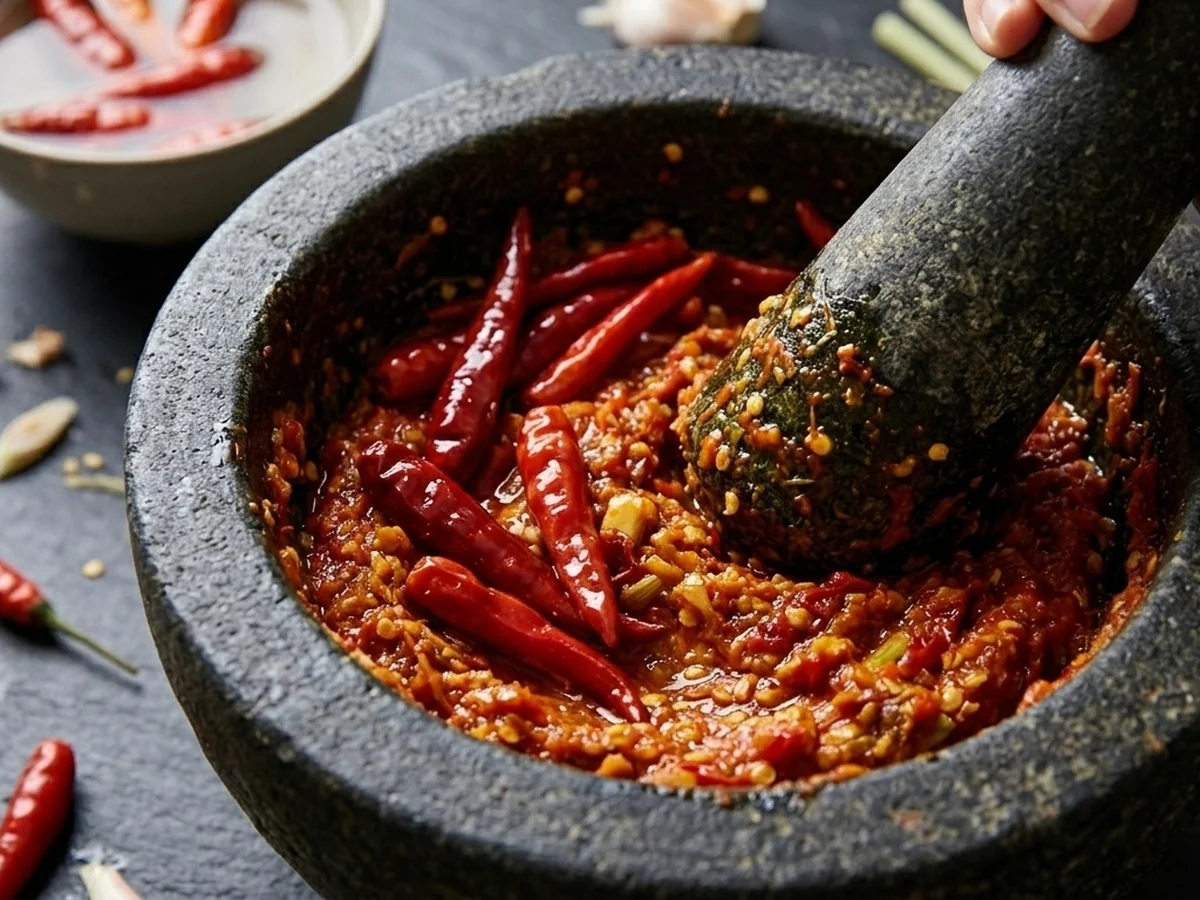
Achieving the perfect balance of heat in your homemade Thai curry paste requires careful ingredient selection and preparation. Because chilies vary significantly in potency, controlling their impact is the best way to ensure your finished dish has depth without being overwhelmingly hot. By adjusting the ratios before you begin blending, you can customize the intensity to suit your palate.
Preparing Dried Chilies
When working with dried red chilies, proper hydration is a mandatory step. According to documentation from the New Mexico State University Cooperative Extension, dried red chilies must be hydrated in boiled water to soften them for blending. This process is essential because it allows the tough, dried skins to break down into a smooth, consistent texture. If you skip this step, the mixture will likely contain small, chewy pieces of skin that detract from the final mouthfeel of your easy homemade Thai curry paste.
To reduce the heat level, you should remove the seeds from the dried chilies. Research from Southern West Virginia Community and Technical College confirms that removing seeds from dried chilies reduces the overall spiciness of the curry paste. For a milder result, split the chilies open and discard the seeds along with the light-colored internal membrane, as these areas contain the highest concentration of capsaicin.
Balancing Fresh Aromatics
If you prefer using fresh bird eye chilies, the heat is often more intense and volatile. You can counteract this sharpness by incorporating complementary aromatics. Galangal, which is a rhizome that resembles ginger, is frequently used in traditional recipes for its distinct citrusy flavor profile, which helps lift the heavier notes of the chilies. Similarly, the earthiness of coriander root acts as a grounding agent, while lemongrass provides bright, acidic notes that cut through the spice.
Consistency is another factor in flavor management. While a food processor is convenient, it may struggle to process tough, fibrous ingredients like galangal or lemongrass into a smooth paste. In these instances, a mortar and pestle is often preferred by those making Thai curry paste from scratch, as it crushes the fibers rather than just chopping them, allowing the essential oils to release and blend more effectively.
If your final mixture remains too hot after blending, add more of the neutral aromatic base, such as garlic or shallots. Incorporating a small amount of fat, like coconut cream or oil, also serves a functional purpose, as it helps coat the tongue and mellows the perception of heat during your meal.
Blending Your Curry Paste
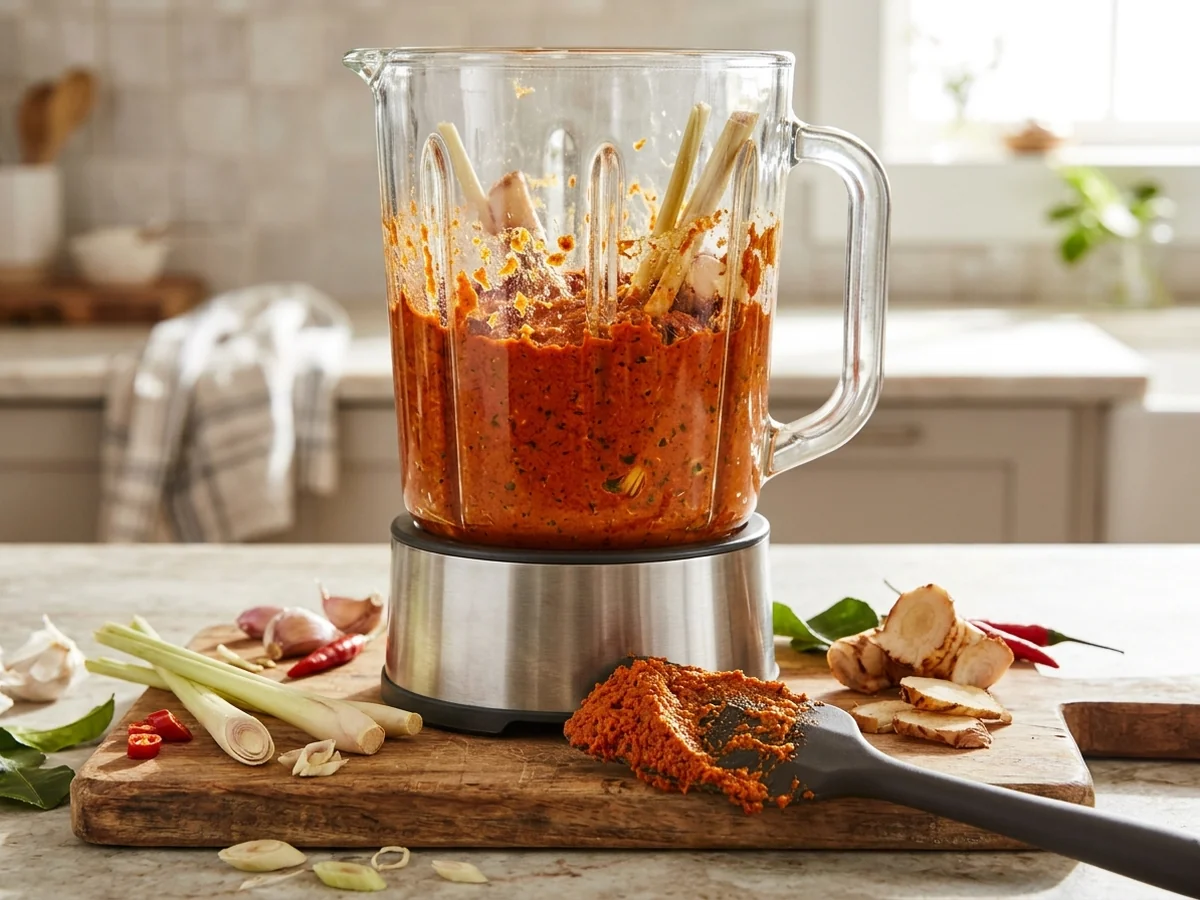
Achieving a silky texture when preparing this spice blend at home often comes down to your choice of equipment and how you manage your ingredients. While many home cooks prefer the convenience of an appliance, commercial food processors typically struggle to break down fibrous components like galangal as effectively as a traditional mortar and pestle.
| Attribute | Mortar and Pestle | Food Processor |
|---|---|---|
| Texture | Fine and emulsified | Coarse or chunky |
| Extraction | Maximum oil release | Partial oil release |
| Galangal | Fully pulverized | May remain fibrous |
Because the mortar and pestle physically grinds fibers against a stone surface, it creates a superior paste consistency compared to the chopping action of metal blades. If you must use a processor, you can improve the results by layering your ingredients carefully and pulsing in short, controlled bursts rather than running the machine continuously.
To help the mixture reach a smooth consistency in a blender, incorporate your shrimp paste by dissolving it in a small amount of oil before adding it to the bowl. This pre-mixing step helps the dense, salty ingredient distribute evenly through the other aromatics, encouraging a more stable and uniform emulsion.
Oil plays a crucial chemical role in this process by acting as a solvent for the fat-soluble flavor compounds found in your herbs and spices. Beyond simply acting as a lubricant for the blades, the oil helps bridge the gap between the moisture-heavy aromatics and the drier fibrous elements. This creates a cohesive, velvety base that binds the ingredients together, ensuring the final blend stays smooth rather than separating during storage or cooking.
Before you begin blending, remember that dried red chilies must be hydrated in boiled water to soften them for blending. This step is essential because tough, dry chili skins will remain gritty even after high-speed processing. If you prefer a milder flavor profile, remember that removing seeds from dried chilies reduces the overall spiciness of the finished product. By combining these preparation techniques with a steady hand, you can achieve professional results without needing specialized equipment.
Common Ingredient Substitutions
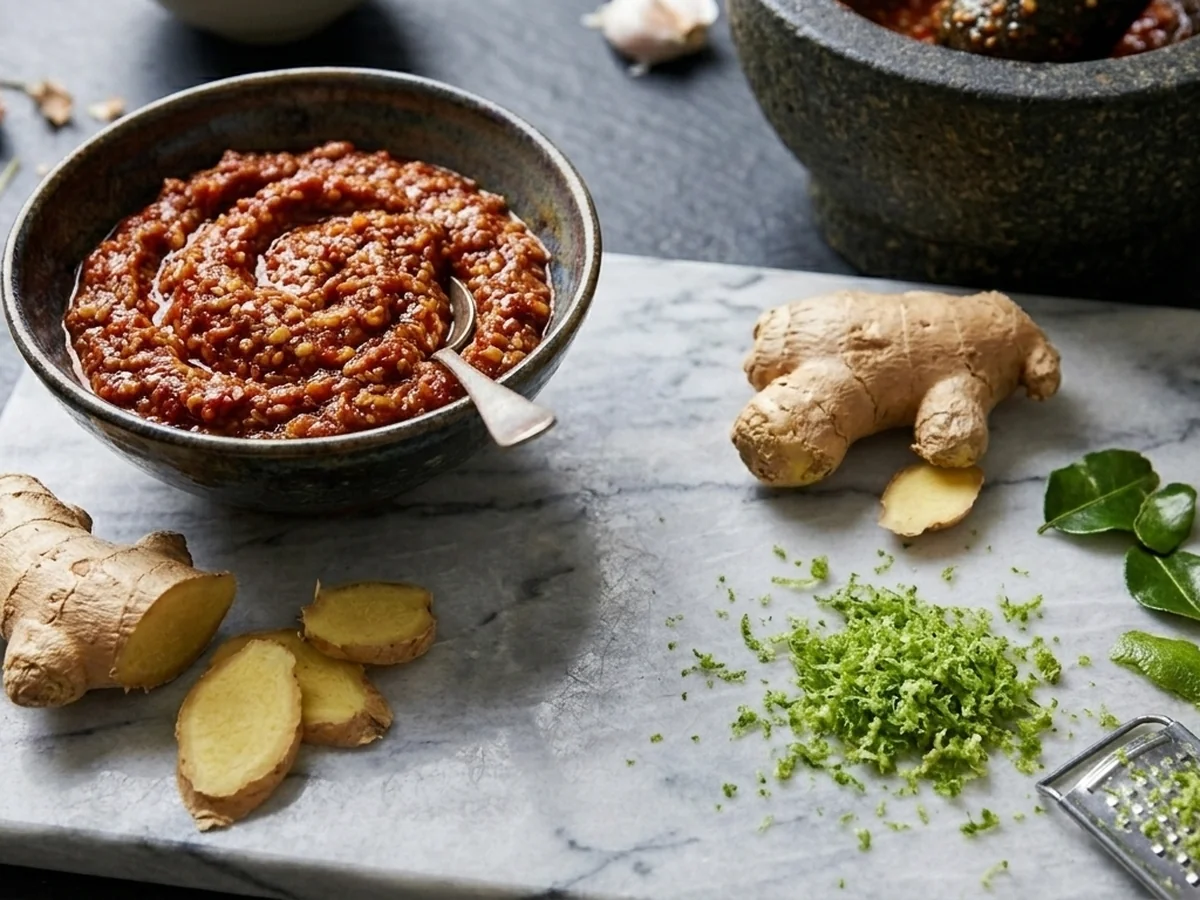
You can successfully create a flavorful blend even when certain traditional items are unavailable by using accessible alternatives that mirror the intended profile. These swaps allow you to maintain the aromatic depth and savory backbone of your dish without needing a specialty market visit.
Swapping Hard-to-Find Aromatics
Galangal is a rhizome that resembles ginger but possesses a distinct citrusy flavor profile. If you cannot source it, use equal parts ginger and a small squeeze of lime juice to approximate the complexity. Similarly, fresh kaffir lime leaves provide a signature scent that is difficult to replicate. If they are unavailable, a combination of lemon and lime peel can offer a similar aromatic brightness. When looking for a replacement for coriander root, which provides an earthy foundation, use a mix of finely minced cilantro stems and a pinch of ground cumin.
Managing Heat and Texture
When working with tough ingredients like galangal, common guidance suggests that commercial food processors may struggle to break them down into a smooth consistency compared to traditional mortar and pestle methods. If your equipment is not achieving the desired texture, pulsing the fibrous items with a small amount of liquid or oil can help the blades catch more effectively. Regarding heat, remember that removing seeds from dried chilies reduces the overall spiciness of the mixture. Furthermore, it is a verified fact that dried red chilies must be hydrated in boiled water to soften them for blending before you begin, which ensures a uniform consistency in your homemade Thai curry paste.
Plant-Based Alternatives for Savory Depth
Traditional pastes often rely on fermented components for depth. If you are looking for a substitute for Thai curry paste ingredients that are non-vegan, such as shrimp paste, you can achieve a similar umami profile using a mixture of miso paste and a dash of fish sauce. For a strictly vegan or vegetarian approach, use soy sauce with a pinch of salt to provide the necessary savory backbone. If you are in a rush and do not have time to assemble every component from scratch, a quick mixture of extra chili powder and a small amount of tomato paste can act as a reliable base for your curry.
When storing your finished blend, prioritize the freezer over the refrigerator for long-term freshness. While some recipes suggest keeping paste in the fridge for a week, freezing the mixture in ice cube trays allows you to keep your preparation ready for future meals without risking degradation of the delicate aromatics.
Storage and Preservation
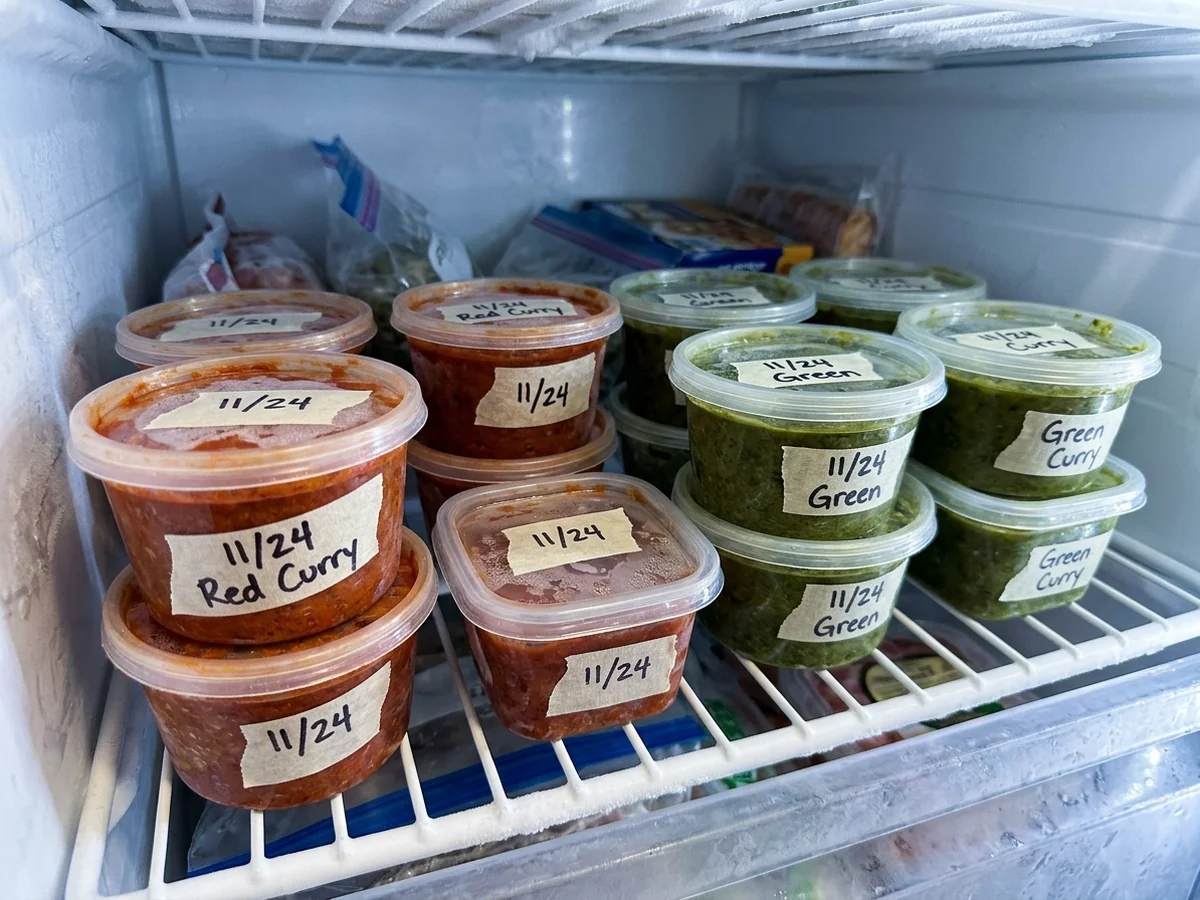
Preparing vibrant curry blends for your weekday meals is a rewarding way to elevate your cooking, but the process requires thoughtful storage to maintain those aromatic profiles. Because fresh ingredients like lemongrass, kaffir lime leaves, and galangal (a rhizome that often resembles ginger but offers a distinct citrusy profile) are highly volatile, they lose their potency quickly once exposed to air and light.
Maximizing Shelf Life
For the best flavor, freezing is the superior method. You can portion your blend into ice cube trays, which allows you to thaw exactly what you need for a single portion without exposing the entire batch to temperature fluctuations. Once the cubes are solid, move them to a heavy duty freezer bag to shield them from freezer burn and the absorption of other food odors.
When preparing your base, remember that common kitchen tools influence the texture and preservation. While a food processor is convenient, it may struggle to break down fibrous ingredients like galangal into a perfectly smooth consistency compared to the traditional mortar and pestle method. If you find your paste is too thick, adding a small amount of oil can help emulsify the mixture and improve the final texture.
Safety and Handling
Working with these potent chili-based mixtures often involves bird eye chilies, which require careful handling to avoid skin or eye irritation. If you are adjusting your recipe, keep in mind that removing the seeds from dried red chilies reduces the overall heat of your paste. Dried red chilies must be hydrated in boiled water to soften them sufficiently before they hit the blender, as this ensures a consistent texture.
Follow these safety steps to keep your kitchen prep stress-free:
- Wear food-safe gloves whenever you handle fresh or dried chilies to prevent oils from lingering on your skin.
- Avoid touching your face, particularly your eyes, until you have washed your hands thoroughly with soap and warm water.
- Work in a well-ventilated area, as the blending process can release pungent compounds into the air.
- Clean all equipment, including blender blades and cutting boards, immediately after use to prevent chili oils from staining your gear or transferring to future meals.
If you prefer to avoid plastic, store your finished paste in small glass jars. This prevents the strong scents of ingredients like shrimp paste from soaking into your storage containers, keeping your kitchen prep clean and organized for your next batch.
Troubleshooting Texture and Color
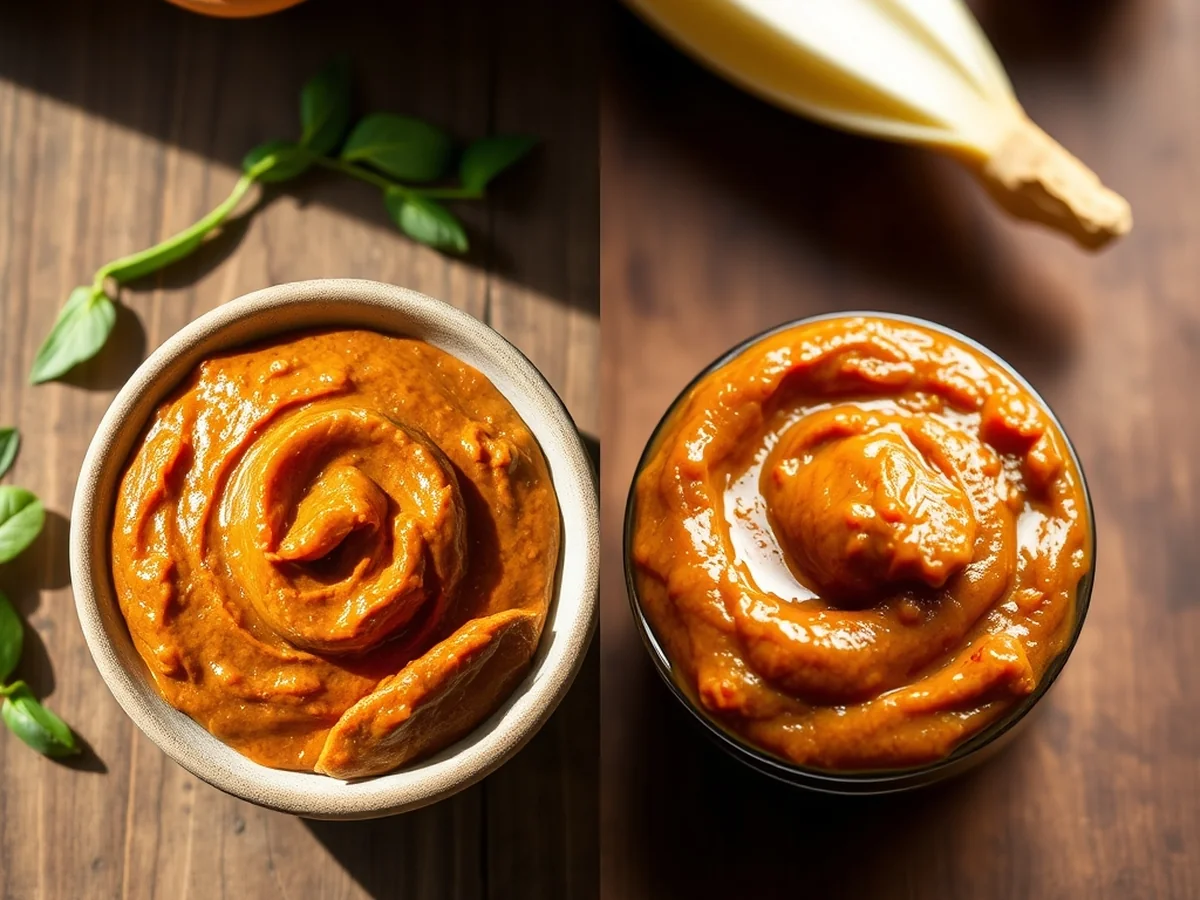
Your culinary creation may look different than store versions because commercial products often contain artificial dyes or preservatives to maintain a uniform, vibrant appearance. Natural ingredients tend to oxidize or vary in shade depending on the season and the specific variety of chili used. You are working with raw, whole foods, so slight variations in color are a sign of quality and freshness rather than a flaw.
To achieve a bright, appealing hue without additives, focus on the quality of your fresh aromatics and the preparation of your chilies. Using fresh, vibrant green herbs like cilantro or kaffir lime leaves helps maintain a vivid green tone in specific varieties. For red blends, dried red chilies must be hydrated in boiled water to soften them for blending, as this process allows them to release their natural pigments more effectively, resulting in a deeper, more saturated color.
If your blend ends up too fibrous or chunky, it likely needs more liquid or a more intensive grinding process. It is common guidance that commercial food processors may struggle to process tough ingredients like galangal into a smooth consistency compared to traditional mortar and pestle methods. If you find the texture too coarse after processing, try these steps to refine it:
- Add a small amount of neutral oil or water to help the blades catch the ingredients more efficiently.
- Pulse the mixture in short bursts rather than running the processor continuously to prevent the blades from overheating the aromatics.
- Pass the final blend through a fine-mesh sieve if you require an exceptionally smooth texture for a delicate sauce.
- Incorporate any liquid ingredients, such as a small amount of coconut milk or lime juice, earlier in the process to assist with emulsification.
Consistency issues are often solved by adjusting the order in which you introduce your ingredients. Always start by grinding the hardest, fibrous elements like lemongrass and galangal into a fine powder or paste before adding the softer components. This ensures that every part of your Thai curry paste made from scratch is uniform in texture, providing a smooth base that integrates perfectly into your final dish.
FAQ
How can I make Thai curry paste at home?
To prepare this seasoning from scratch, combine aromatics like lemongrass, galangal, and chilies using a mortar and pestle or food processor until they reach a uniform consistency. It is common practice to use a mortar and pestle for a smoother texture, as commercial food processors often struggle to break down tough fibrous ingredients like galangal.
What are the essential ingredients in Thai curry paste?
A base for these aromatic blends typically includes lemongrass, coriander root, and galangal. Galangal is a rhizome that resembles ginger but often possesses a distinct citrusy flavor profile. You will also need chilies, garlic, shallots, and a source of umami, which is traditionally provided by fermented shrimp paste.
How do I manage the heat level of my curry paste?
Removing seeds from dried chilies reduces the overall spiciness of the blend significantly. For recipes calling for dried red chilies, you must hydrate them in boiled water to soften them for blending, which also makes them easier to process into a smooth consistency.
How long can I store homemade curry paste?
While fresh preparations are best, you can freeze your mixture in small, airtight portions for several months. Freezing is the most effective way to maintain the vibrant flavors of the fresh herbs and spices over time.
What can I use as a substitute for shrimp paste?
If you need a replacement for shrimp paste, you can use a high quality fish sauce or a fermented soy-based alternative for a vegan version. While these options provide a different depth of flavor, they successfully replicate the salty, umami-rich base that traditional recipes require.
Conclusion
The best way to preserve your flavor base is to portion it into ice cube trays and freeze it immediately after blending. This simple step ensures you always have a ready-to-use portion on hand for quick weekday meals without worrying about rapid spoilage. Whether you choose to use a mortar and pestle or a food processor, mastering the technique to create this aromatic blend using fresh components is a rewarding project that elevates the depth of every bowl you serve.
Sources: bernalilloextension.nmsu.edu, staging.southernwv.edu
You might also like: How to Make Grilled Halloumi Cheese at Home