How to Make Perfect 3-Ingredient Basic White Sauce (Béchamel)
Introduction to Basic White Sauce
Making a basic white sauce requires just butter, flour, and milk combined in a saucepan using a simple white sauce recipe. This culinary foundation serves as a classic mother sauce that transforms ordinary ingredients into a creamy addition for everyday meals.
Mastering the standard white sauce ratio gives home cooks a reliable technique for creating elevated weekday lunches with zero daily stress. You will learn how to build a smooth roux and whisk milk into a velvety texture without lumps.
Understanding the Essential Ingredients and Ratios
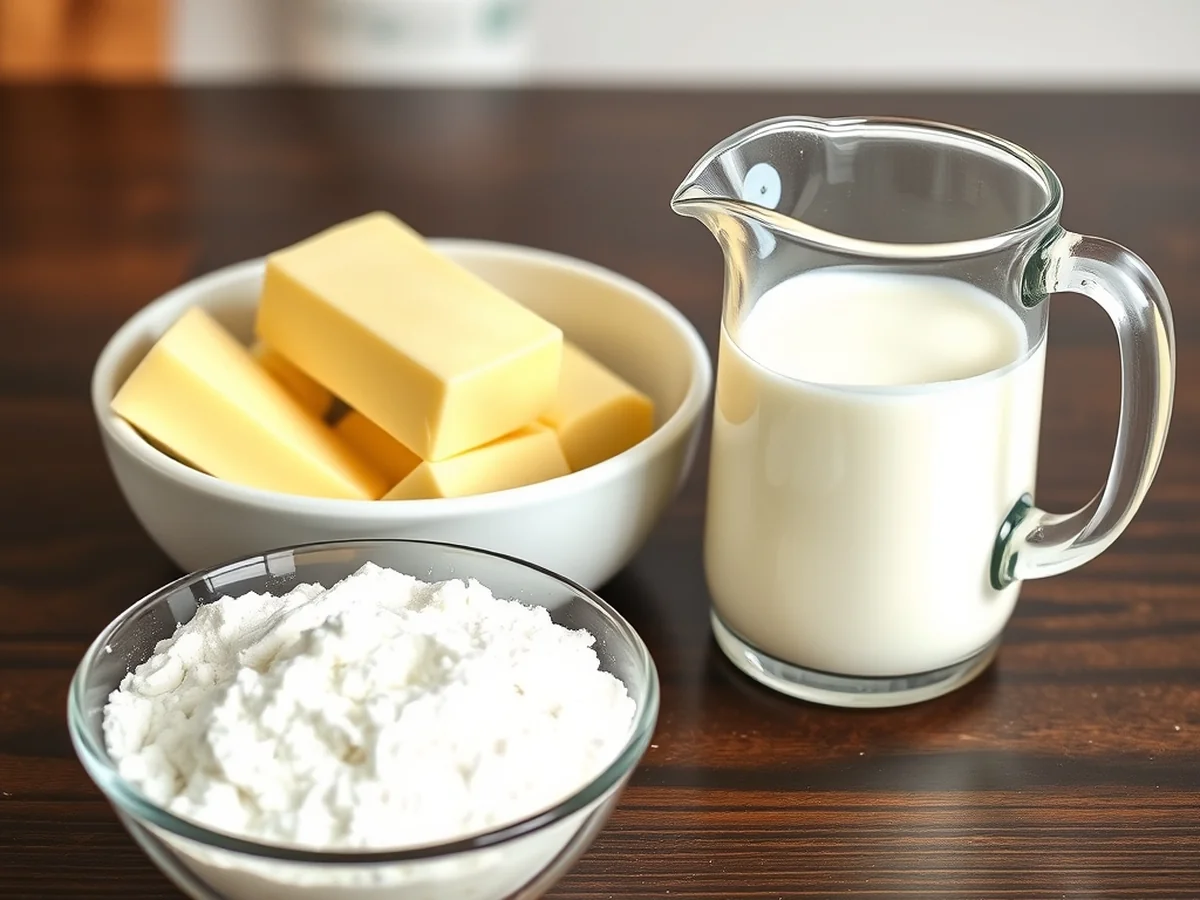
Mastering a simple white sauce recipe begins with understanding how a few foundational pantry staples work together on the stove. This versatile preparation relies on butter, all purpose flour, and milk to build a smooth base that enhances everything from baked dishes to a creamy white sauce for pasta. When you focus on quality components, your everyday meals transform with minimal effort.
The Foundation of the Roux
The magic starts with the roux, which is a cooked combination of fat and flour that acts as a thickening agent. Getting the white sauce ratio right is the most important step in preventing common kitchen frustrations. Equal parts fat and flour cooked together form the paste that absorbs the dairy without separating. Cooking this mixture for a short time removes the raw flour taste before you introduce any liquid.
Precision in Measurement and Dairy Selection
Precision matters when measuring your components because even small variations alter the final texture. Too much flour creates a pasty consistency, while too little leaves the mixture runny. Selecting the right dairy also shapes the outcome of your dish. Whole milk provides a rich mouthfeel and velvety body, whereas lower fat alternatives yield a lighter result. Pouring the dairy into the warm roux gradually allows the liquid to absorb evenly without forming lumps.
Essential Equipment for Success
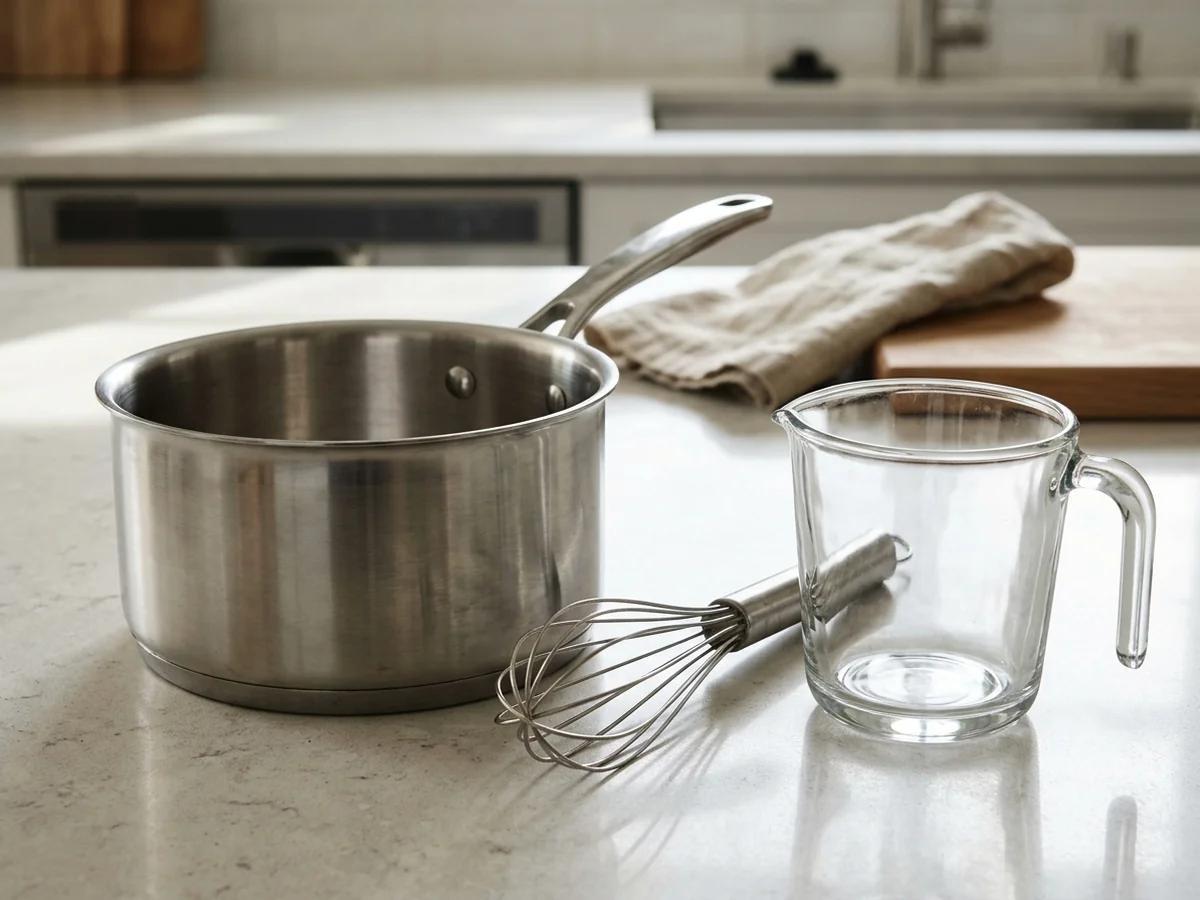
Equipment choices play a quiet yet vital role in your success when preparing a 3 ingredient white sauce. Using a heavy bottomed saucepan distributes heat evenly across the cooking surface, which protects the dairy from scorching or developing a bitter burnt flavor at the bottom of the pot. Pairing this saucepan with a reliable whisk ensures the roux and dairy incorporate smoothly. Paying attention to these foundational details transforms basic ingredients into a flawless bechamel and helps you understand how to make bechamel sauce with confidence.
Making the White Sauce Roux
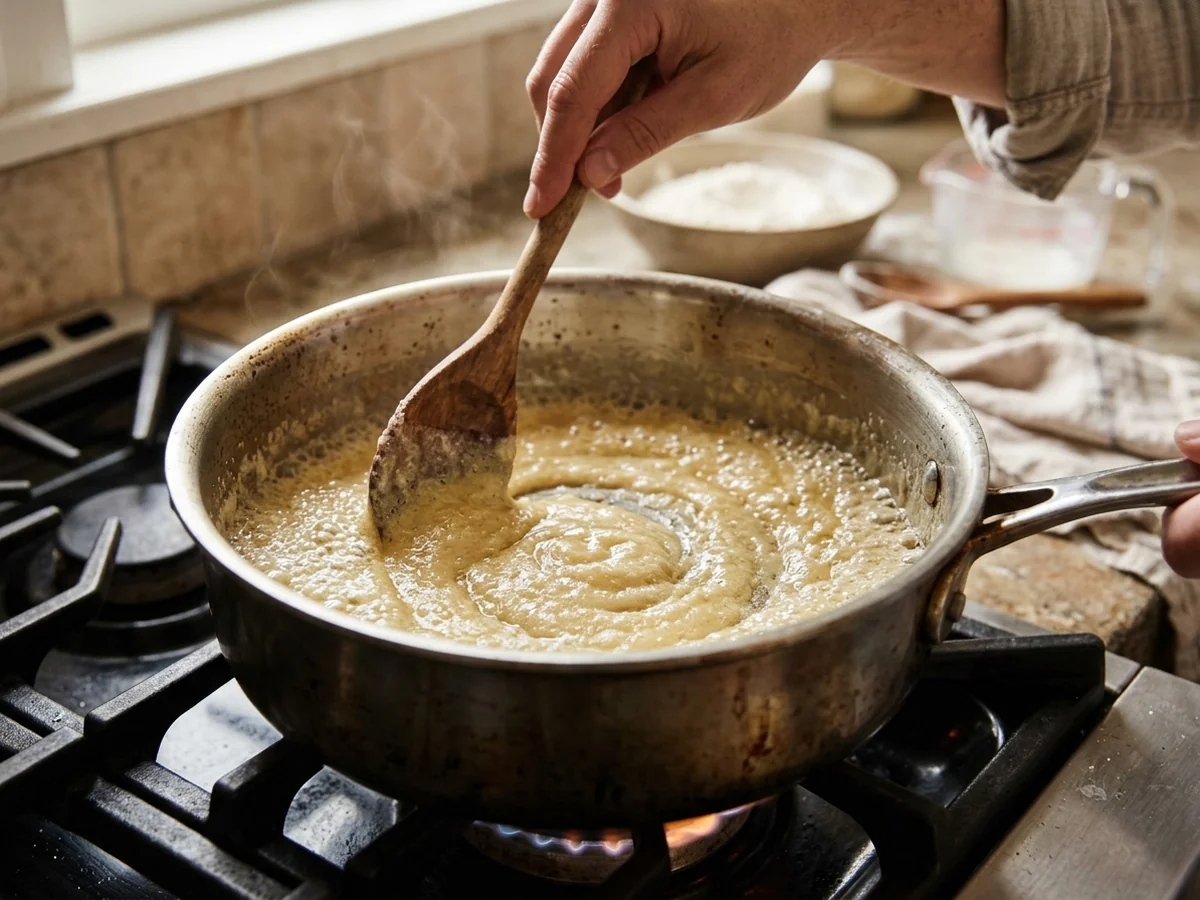
Creating a proper roux forms the foundation of any basic white sauce by cooking butter and all purpose flour together in a saucepan over medium heat. This essential step binds the fat and starch, which prevents lumps and removes the raw flour taste.
Understanding the why behind this technique helps home cooks achieve a smooth texture for any simple white sauce recipe or creamy white sauce for pasta. When the flour is cooked in fat, the fat coats the starch granules. This prevents them from clumping together when the milk is added later, ensuring a velvety finish rather than a lumpy mixture.
To execute this step successfully, follow these practical steps while preparing the mixture in your saucepan:
- Place your saucepan over medium heat and allow the butter to melt completely without browning, as a white roux should remain pale.
- Add the all purpose flour directly to the melted butter all at once to ensure an even distribution of fat and starch.
- Use a whisk to blend the butter and flour into a smooth, paste like consistency right from the start.
- Continue cooking the roux for the correct amount of time so the raw flour taste disappears entirely, usually taking just a couple of minutes.
- Keep the heat at a moderate level to ensure the mixture bubbles gently without scorching or changing color, which is a key part of how to make bechamel sauce successfully.
Avoiding common mistakes during this stage ensures your 3 ingredient white sauce turns out perfectly every time. A frequent error is adding the liquid while the heat is too high, or failing to cook the flour long enough, which leaves an unpleasant starchy flavor. Mastering this stage takes only a few minutes of attentive stirring. Once the raw flour flavor cooks out, the mixture is ready for the next liquid addition.
Incorporating Milk and Achieving a Smooth Texture

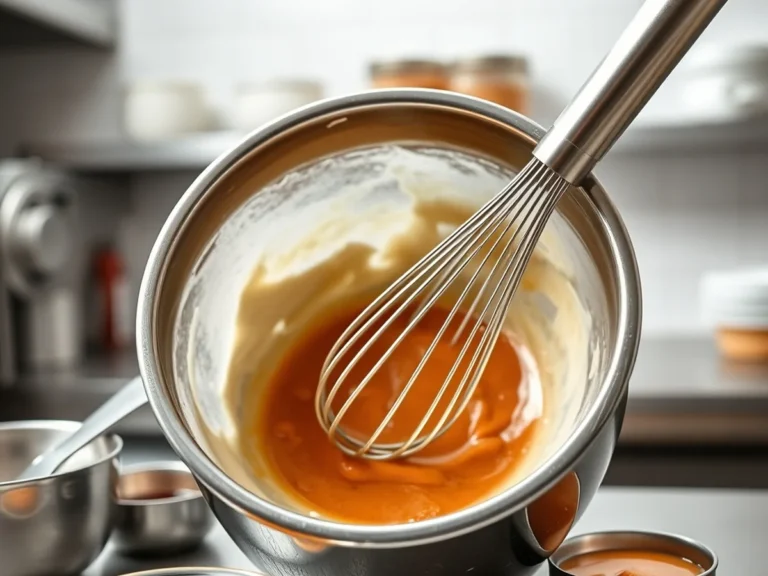
Mastering a basic white sauce relies heavily on how carefully you introduce the dairy to your cooked flour and butter mixture. When making this classic culinary foundation, pouring the milk too quickly can shock the starches and cause stubborn lumps to form. Instead, add the liquid in gradual, measured streams while whisking the roux continuously. This steady pace allows the flour mixture to absorb the liquid evenly and begins the foundation for a creamy white sauce for pasta or baked dishes.
Temperature Control and Liquid Addition
Heat management plays a vital role during this phase. Warming your milk slightly before adding it to the saucepan helps prevent temperature shock, making it much easier to achieve the desired white sauce ratio. Cold dairy added directly to a hot roux often seizes the starches, whereas room temperature or gently warmed milk blends smoothly. Cooking the liquid over medium-low heat gives the starches time to swell properly without scorching the dairy on the bottom of the pan. Consistent movement throughout this process prevents hot spots from developing and protects the neutral flavor profile of your 3 ingredient white sauce.
Tool Technique and Pan Geometry
Proper physical technique makes a significant difference during this stage. Relying on a wire whisk instead of a spoon lets you break apart any early clumps before they set permanently. As you whisk, pay close attention to the geometry of your cookware. Reaching into the corners and edges of the saucepan with the wires of your whisk ensures that no dry pockets of flour hide along the bottom or sides of the vessel.
Testing for Doneness
Knowing when the process is complete helps you avoid common cooking mistakes. As the liquid heats and thickens, it transforms into a smooth bechamel. A reliable test for doneness involves checking whether the mixture coats the back of a spoon and leaves a clear path when you drag a finger through it. If the line holds briefly without running back together, the texture is right for your meal and ready to enhance your weekday lunch or dinner.
Tools Needed for White Sauce
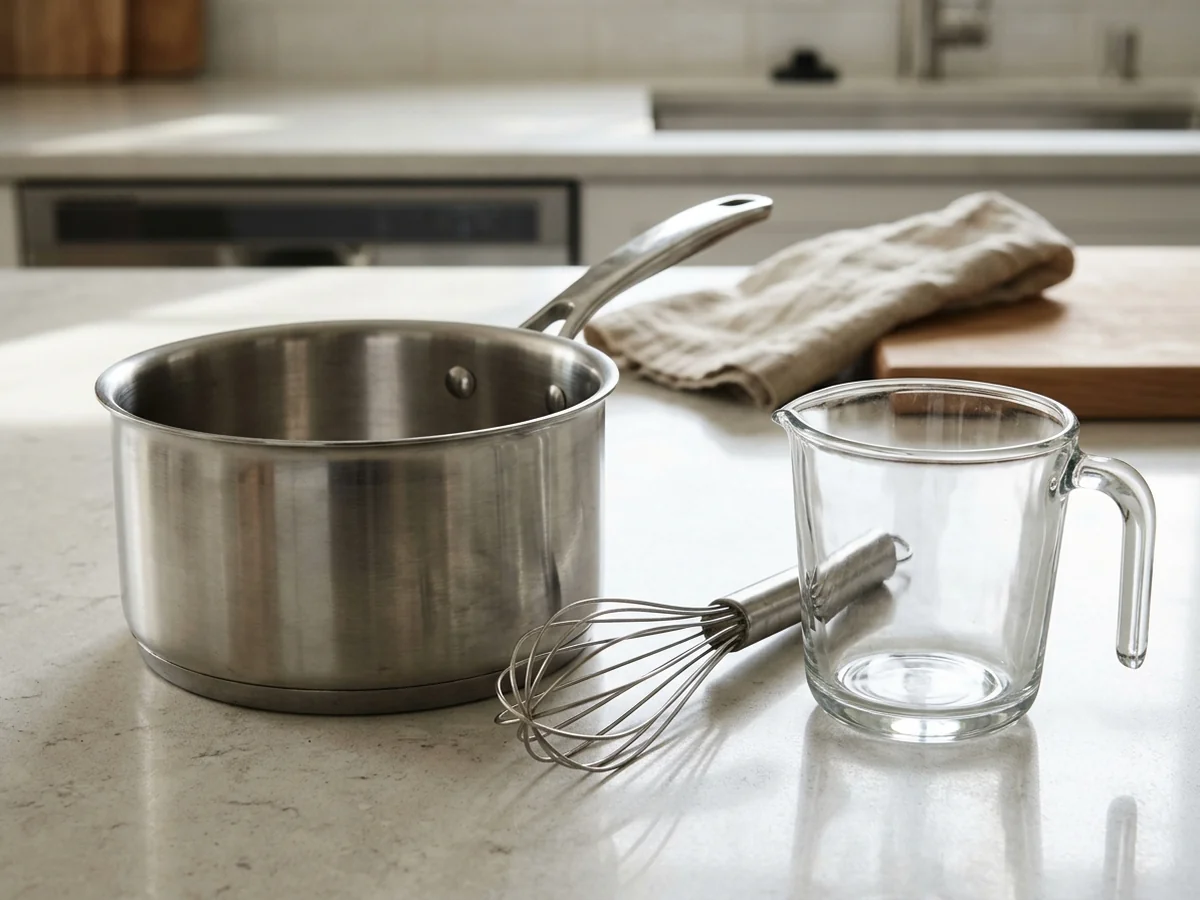
Preparing a classic velvety sauce for pasta or any other comforting dish requires only a few essential kitchen items. Having the correct utensils and cookware on hand prevents burning and keeps your mixture completely smooth from start to finish. When you want to master the method for a basic white sauce, starting with the proper gear makes the process effortless for home cooks and culinary beginners alike.
Choosing the Right Cookware
Selecting the right saucepan ensures even heat distribution across the bottom of the pan. A heavy-bottomed pot prevents hot spots that can easily scorch your butter and all purpose flour mixture before it cooks properly. Stainless steel or enameled cast iron works well for this purpose because these materials retain and distribute heat steadily, protecting your roux from burning during the initial cooking phase.
Selecting the Proper Mixing Tools
Using the proper whisk helps break up lumps efficiently as you pour milk into the pot. A balloon-shaped utensil with flexible wire loops reaches into the corners and edges of the pan where flour tends to hide. Standard spoons or flat utensils often miss these pockets, which leads to unwanted clumps in the finished dish. Sticking with a wire tool to blend everything uniformly allows you to achieve the ideal culinary proportions without struggling against lumps.
Managing Temperature and Consistency
Managing temperature controls during the cooking process keeps your dairy from scorching or separating. Keeping the burner at a moderate or low setting allows the flour to cook out its raw taste without burning. Adjusting the heat downward as the liquid thickens ensures your homemade pan sauce reaches the correct consistency safely.
A common mistake among home cooks is using a pan that is too thin, which causes the base to burn instantly. Another frequent error is switching to a rigid spoon too early instead of using a whisk to maintain a smooth texture. Taking time to select the right equipment guarantees a velvety texture for your bechamel every single time, supporting your goal of creating an elevated weekday lunch with zero daily stress.
Common Troubleshooting Techniques
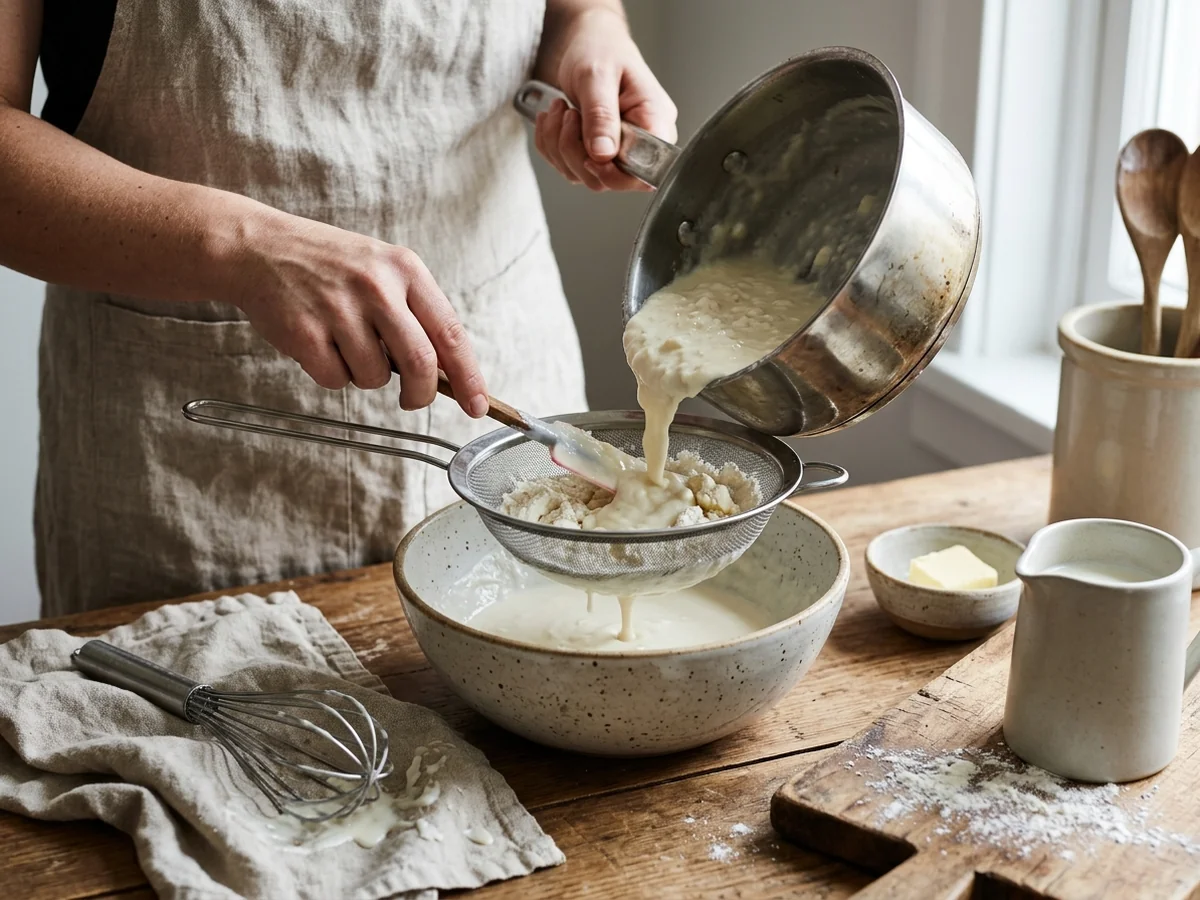
Fixing cooking errors quickly saves your dish when the texture or flavor goes off track during preparation in the kitchen. Even experienced home cooks occasionally face lumps, scorching, or consistency issues while preparing a classic homemade sauce.
Fixing lumps if the milk is added too quickly requires immediate removal from the heat source and vigorous beating with a whisk to smooth the roux. Pushing the liquid through a fine mesh strainer also rescues a lumpy batch by catching any trapped flour pockets before they ruin the smooth mouthfeel needed for a rich culinary creation.
Adjusting thickness if the mixture becomes too thick or too thin is simple with a few pantry adjustments. Thin out a heavy mixture by whisking in warm milk a small splash at a time until the desired flow returns. Thicken a watery mixture by cooking it gently for a few more minutes to evaporate excess moisture, or stir in an extra paste made from melted butter and flour to restore the proper consistency.
Rescuing a scorched batch without ruining the flavor starts by stopping the cooking process immediately and pouring the untouched top portion into a clean saucepan. Avoid scraping the bottom of the original pan because burned bits will transfer a bitter taste to your basic white sauce. Understanding how to make bechamel sauce correctly helps prevent these common kitchen errors, ensuring that every batch turns out smooth and flavorful.
Culinary Applications and Serving Ideas
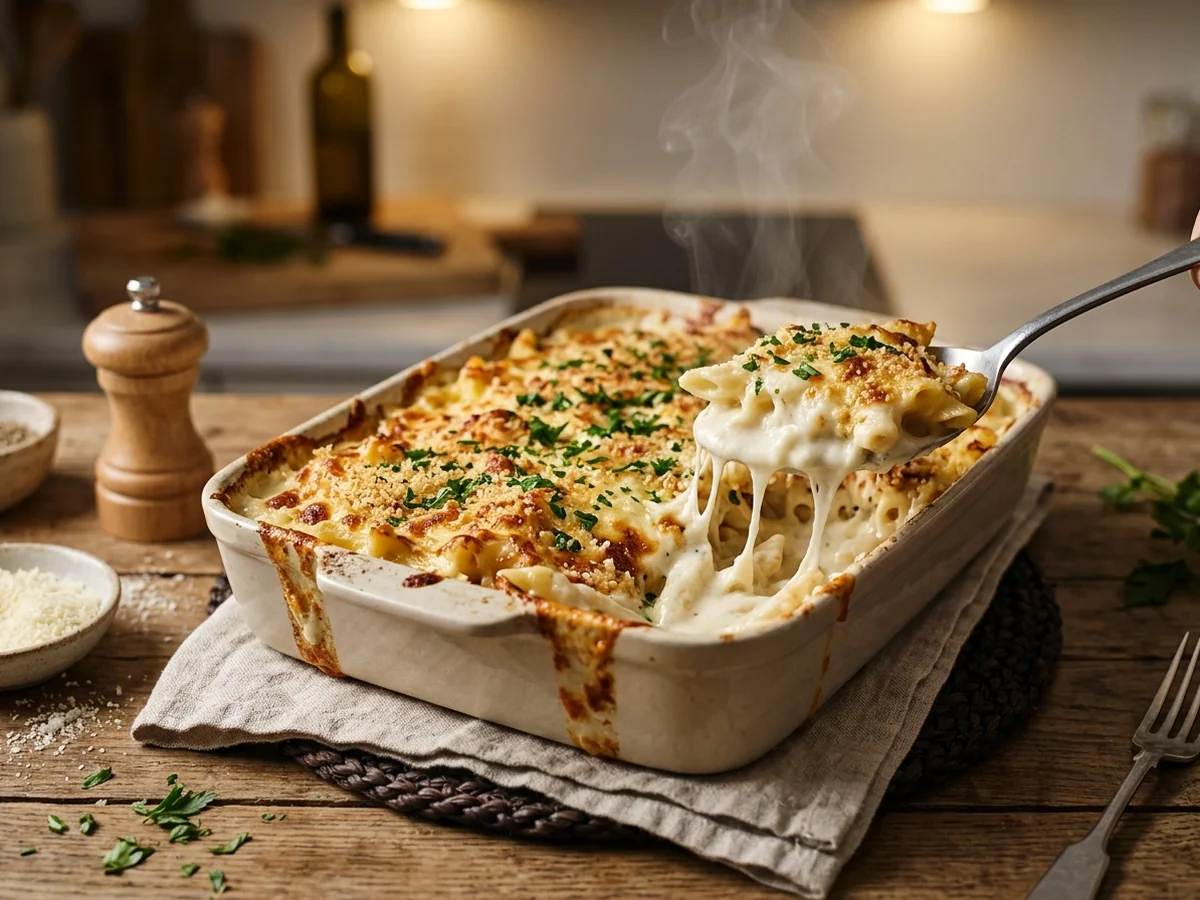
Mastering a homemade bechamel preparation opens up countless possibilities for everyday cooking, transforming basic ingredients into comforting meals. This versatile culinary base acts as a foundation for many dishes, adding rich texture to baked casseroles, savory pies, and elevated weekday lunches. When home cooks use a smooth bechamel mixture, it coats vegetables evenly before baking or binds ingredients together seamlessly in a traditional pasta dish.
Transforming Everyday Pasta and Casseroles
Layering the hot blend into baked dishes creates a comforting texture as it bubbles in the oven. It absorbs surrounding flavors while keeping the main ingredients moist during the baking process. Tossing the rich noodle coating with freshly cooked noodles provides an easy upgrade for a midday meal. The velvety texture clings to strands, turning a simple pantry staple into a satisfying lunch without requiring complicated steps. Using a sturdy whisk ensures that the roux and milk emulsify correctly, preventing any separation while the dish bakes or simmers.
Creating Flavor Variations and Secondary Sauces
Home cooks can also transform the plain base into secondary variations by stirring in grated cheese for a rich Mornay style. Adding fresh herbs or spices creates alternative sauces that complement poultry, fish, and roasted vegetables. When building these variations, home cooks should pay close attention to the balance of ingredients to maintain the desired thickness. A common mistake to avoid when experimenting with these additions is adding cold ingredients directly into the pan, which can disrupt the smooth consistency. Instead, incorporate additions gradually while whisking continuously over gentle heat in a saucepan to maintain a flawless finish for any meal.
Mastering Technique for Flawless Results
Successfully applying this technique relies on proper heat control and precise measurement of butter, all purpose flour, and milk. Cooking the flour and butter together briefly forms the base roux, which removes the raw taste of grain before the liquid is introduced. Pouring in milk slowly while stirring vigorously prevents lumps from forming in the pan. By understanding these core principles, culinary beginners and busy home cooks can reliably elevate everyday ingredients into refined, comforting dishes with zero daily stress.
Frequently Asked Questions
How do you store and reheat leftover basic white sauce?
Store leftover sauce in an airtight container in the refrigerator for a few days, pressing plastic wrap directly onto the surface to prevent a skin from forming. Reheat it gently in a saucepan over low heat, whisking constantly and adding a splash of milk to restore the smooth texture if it thickens too much.
What is the correct ratio of butter to flour and milk?
The standard culinary proportions rely on equal parts fat and flour by weight to create the thickening base, followed by a measured amount of liquid depending on your desired thickness. Learning these measurements helps home cooks memorize the proportions quickly for everyday cooking.
Why did my sauce burn or taste like raw flour?
Burning usually happens when the heat is too high, while a raw flour taste means the roux did not cook long enough before adding the milk. Keep your burner at a medium-low temperature and cook the butter and flour mixture for about a minute until it smells nutty before pouring in your dairy.
Can I freeze this homemade sauce?
Freezing this dairy-heavy basic white sauce is generally not recommended because the emulsion tends to break, resulting in a grainy or separated texture once thawed. Preparing a fresh batch takes only a few minutes and yields much better results for your meals.
How do I fix lumpy mixture?
Lumps form when cold milk is added too quickly or when the roux is not whisked vigorously during the initial liquid addition. You can easily fix this by passing the finished mixture through a fine mesh strainer or blending it until smooth.
Conclusion
Mastering this classic culinary technique comes down to balancing the butter, flour, and milk while whisking steadily over medium heat to avoid lumps. Home cooks can easily apply this reliable homemade condiment to weekday lunches, pasta bakes, and vegetable sides without added stress. Grab your saucepan tonight and test the method on your favorite weeknight dish.
You might also like: How to Clean Mushrooms Properly: Easy Kitchen Tip