Types of Sugar: The Ultimate Guide to Knowing Which Sugar to Use
Introduction to Sugar Varieties in Culinary Applications
Understanding the many types of sugar available for home cooking and baking helps you select the right ingredient for every recipe. Home bakers often encounter different types of sugar ranging from fine granulated crystals to coarse raw varieties and rich molasses blends.
Exploring these sweeteners allows you to fine-tune flavor profiles and textures in both weekday meal prep and weekend baking projects. Knowing how each sweetener behaves under heat ensures consistent results when you are preparing high protein prep bowls, grab and go meals, or elevated weekday lunches.
Foundational Granulated and Refined Sugars
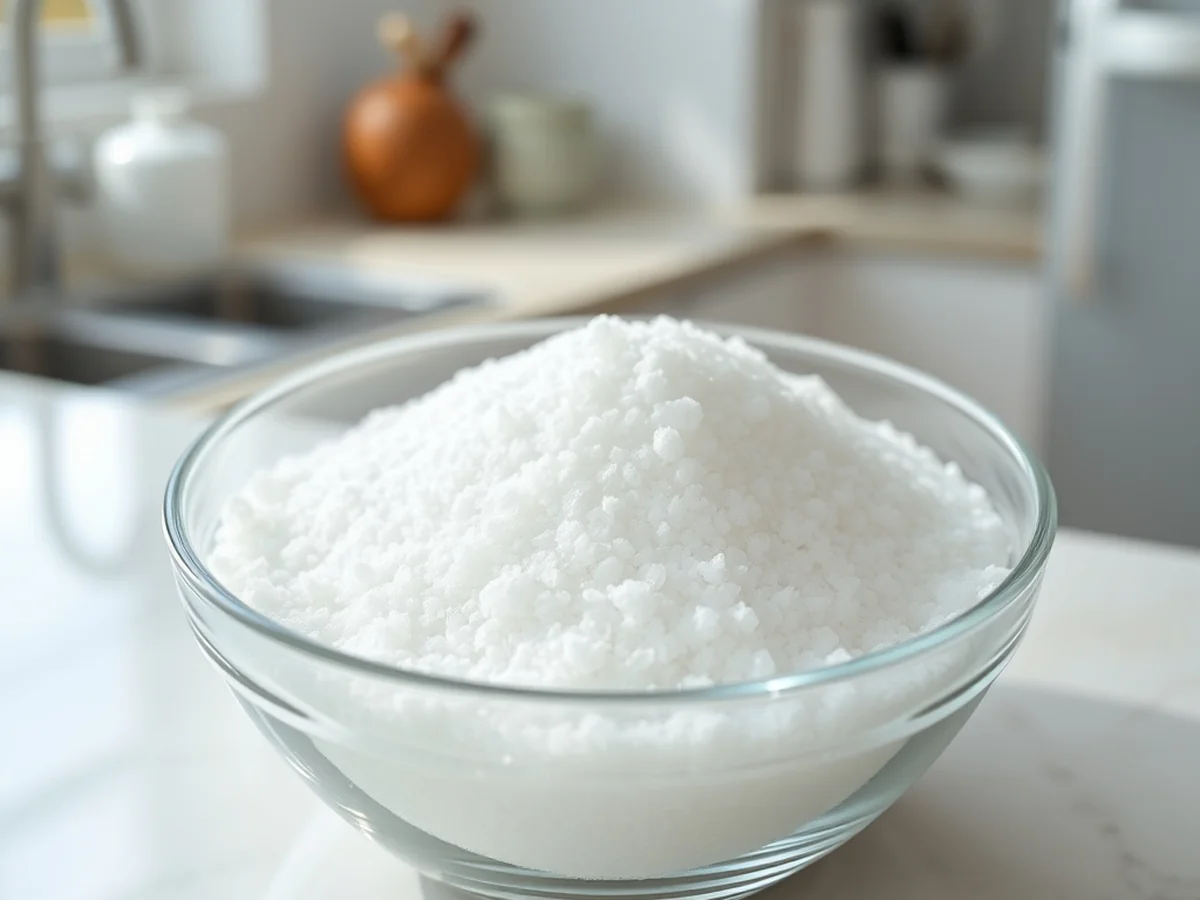
Standard granulated white sugar serves as a primary kitchen staple because its uniform crystal size dissolves easily and provides consistent sweetness. Understanding the different types of sugar starts with knowing how this refined option behaves in recipes, especially when exploring types of sugar in baking where predictable creaming and structural integrity matter.
Granulated White Sugar Characteristics
Refined white sugar undergoes thorough processing to remove impurities and natural plant pigments, resulting in pure sucrose crystals that measure fine and even. Beverage preparation also benefits from standard granules because they stir smoothly into hot coffee or iced tea without leaving a gritty residue at the bottom of the glass. The fine grain structure ensures even distribution throughout doughs and fillings, making it the most reliable choice for general culinary applications.
Practical Measurement and Common Mistakes
Practical steps for using granulated sugar involve measuring by weight rather than volume when precision matters, as settling can pack extra crystals into measuring cups. A common mistake in baking involves substituting coarse crystals for fine granulated sugar without adjusting liquid ratios, which leads to uneven dissolving and altered textures in delicate batters.
Specialized Fine and Powdered Varieties
Beyond standard crystals, powdered sugar is commonly used for icings and frostings, representing a finely-ground, granulated sugar milled into a powder. When looking at brown sugar vs white sugar comparisons, home cooks often utilize brown sugar, which is typically created by combining fine white sugar crystals with a protective coating of molasses. The color depth of brown sugar varies according to the quantity of molasses mixed into the crystals, while liquid sugar is generally made by dissolving either brown or white sugar into water to create a smooth sweetener for beverages.
Brown Sugar Varieties and Molasses Content
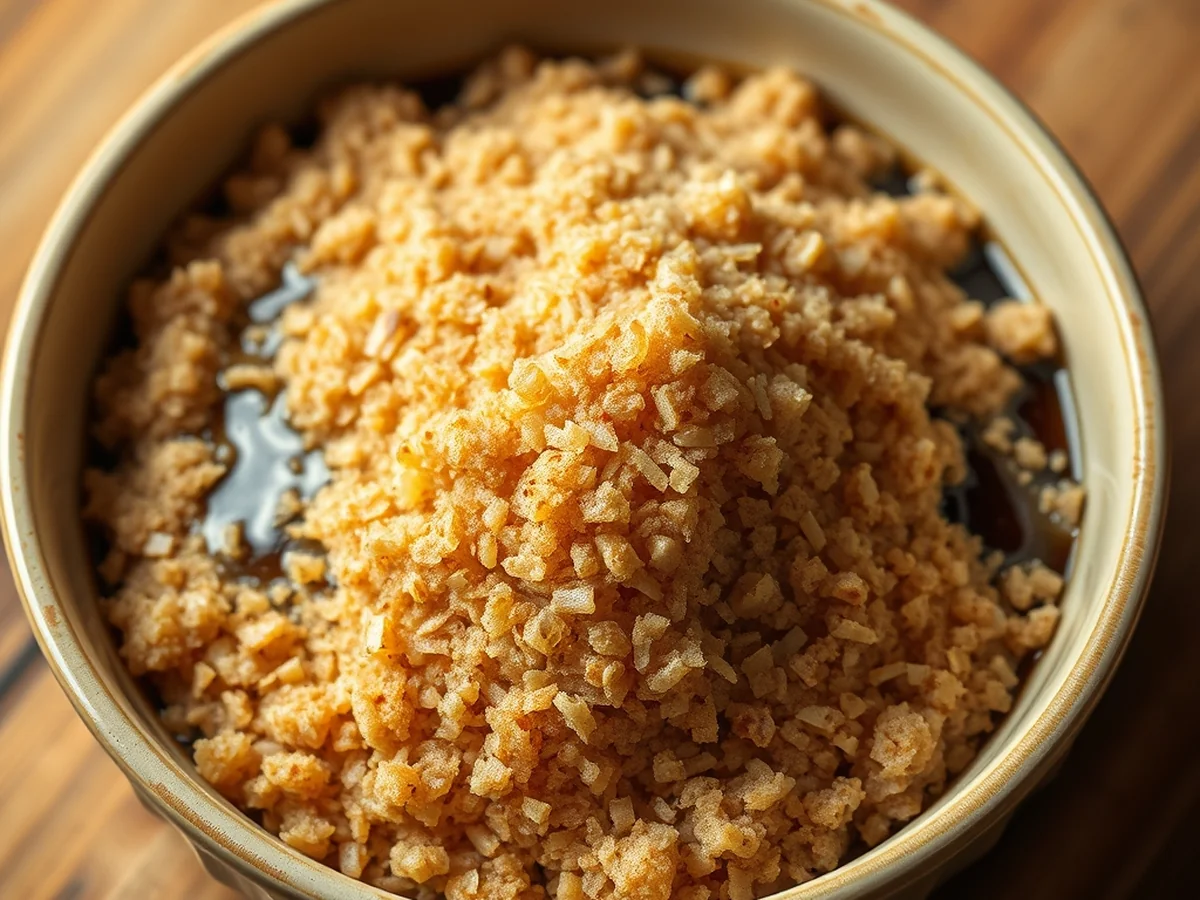
When exploring different types of sugar for your kitchen, understanding brown sugar vs white sugar comes down to a single ingredient. Brown sugar is typically a mixture of fine grain white sugar combined with a film of molasses. According to research from the University of Florida, molasses is the concentrated, clarified extract of sugar cane and the end product of sugar refining.
How Molasses Changes Sugar Grades
Typically, brown sugar varieties tend to appear darker when they contain higher amounts of this concentrated extract. This extra portion yields a deeper color and a more pronounced caramel flavor. When evaluating types of sugar in baking, recognizing this ratio helps you predict how a sweetener will influence both flavor profiles and moisture levels in elevated weekday lunches or weekend meal prep.
Moisture Retention in Baking
The added moisture in brown sugar behaves differently than refined white sucrose. This extra moisture helps keep baked goods soft by retaining water during cooking, whereas white sugar lacks this protective film and typically results in a drier texture. A frequent mistake among home cooks is substituting one for the other without adjusting for moisture, which alters the final structure of cookies, cakes, and high-protein prep bowls.
| Feature | White Sugar | Brown Sugar |
|---|---|---|
| Base Ingredient | Refined sucrose | Refined sucrose and molasses |
| Moisture Content | Low | Higher |
| Moisture Retention | Standard | Excellent |
Practical Substitution Guidelines
Home bakers selecting sweeteners for texture and flavor should consider how these distinct options perform under heat. If a recipe calls for light brown sugar but you only have white sugar on hand, you can replicate the original properties by mixing white granulated sugar with a small amount of molasses. Paying attention to these subtle differences prevents common kitchen mistakes like dry textures or overly crisp finished goods, ensuring consistent results across all your everyday culinary projects.
Specialty Crystal Suguring Including Turbinado and Demerara
Specialty crystal sweeteners offer distinct textures and processing levels that change how recipes turn out. Among the various types of sugar and their uses, semi-refined options and large grain crystals provide unique culinary benefits for elevated weekday lunches and home baking. Understanding how these specialty crystals behave under heat prevents texture mistakes in your kitchen.
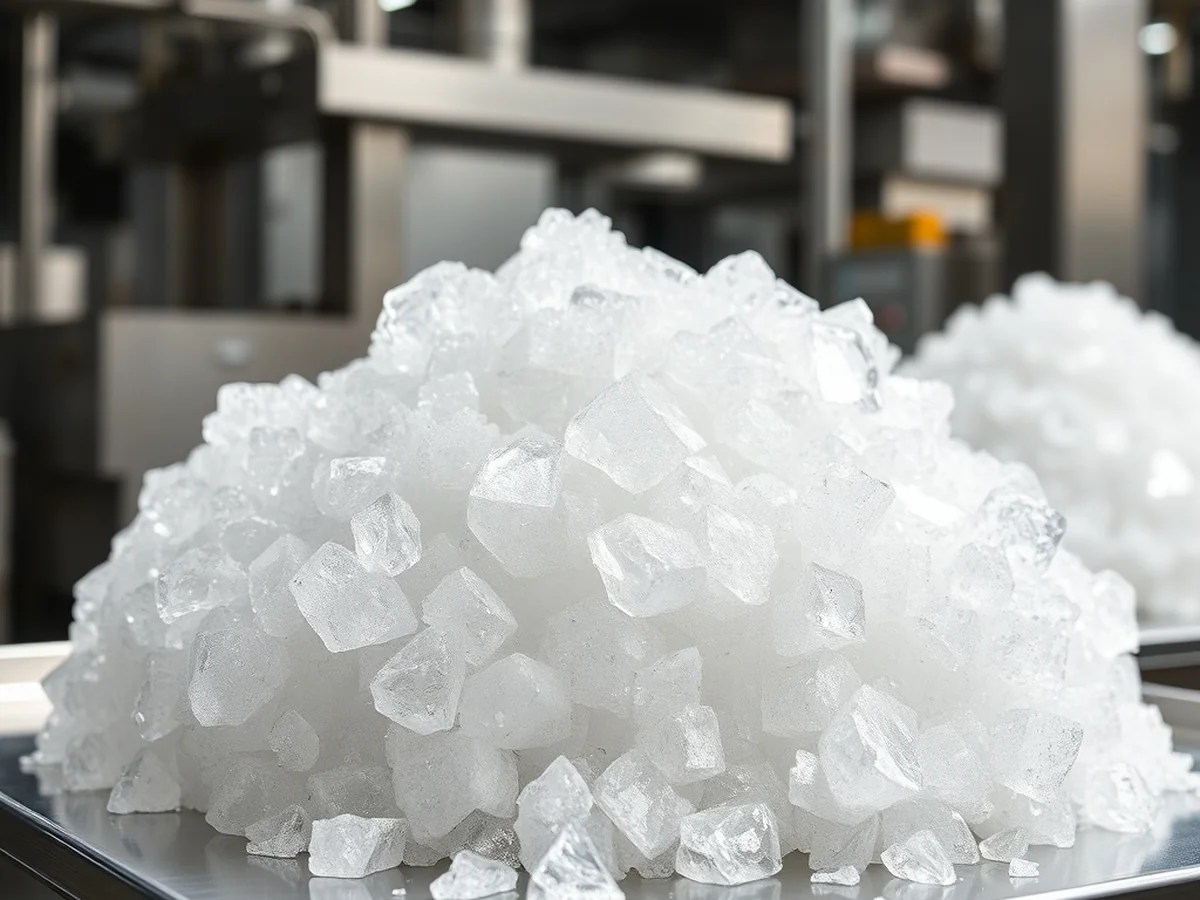
Turbinado, demerara, and raw cane sugar are commonly understood to be semi-refined, off-color options containing a higher percentage of sucrose than raw sugar, but less than refined sugar. Because they retain a minimal amount of natural molasses, they offer a subtle caramel note without overpowering baked goods. Sanding sugar is widely recognized for featuring large crystals that do not dissolve easily when exposed to heat, making it a favorite for pastry decoration.
Understanding Turbinado and Demerara Varieties
Turbinado and demerara options are popular among home cooks seeking a subtle caramel flavor profile. Because these crystals are larger than standard granulated options, they resist melting completely during short baking cycles. This physical property makes them ideal for sprinkling over muffins, scones, and quick breads just before baking to create a crunchy crust and a rustic visual appeal.
The Role of Sanding Sugar in Pastry Work
Sanding sugar is specifically engineered for decorative finishing. Its large crystals reflect light and maintain their structural integrity under high oven temperatures. Bakers rely on this variety for cookies and holiday pastries where a distinct, visible crunch is desired.
Common Mistakes to Avoid With Coarse Crystals
Using coarse crystals inside delicate cake batters is a frequent kitchen error. Because these large grains do not dissolve fully during short baking times, they ruin the smooth, uniform crumb expected in fine cakes. Reserve coarse crystals for exterior toppings rather than internal incorporation.
When incorporating these crystals into your cooking, keep practical steps and common mistakes in mind to achieve the best results:
- Bakers often rely on large crystal varieties for decorative finishing on cookies, pastries, and holiday baked goods where a visible crunch is desired.
- Beverage enthusiasts frequently use coarse crystal options to add a pleasant crunch and distinct texture to specialty drinks, as they dissolve slowly in liquids.
- Avoid using coarse crystals inside delicate cake batters where a smooth, uniform crumb is the goal, as the large grains will not melt down completely during a short baking time.
- Select turbinado or demerara when you want to add a rustic visual appeal and a slight crunch to the tops of muffins or quick breads right before they go into the oven.
Milled and Liquid Sweeteners

Milled and liquid options provide distinct textures and culinary properties that standard crystals cannot achieve, helping you choose sweetening ingredients for specific recipes when evaluating sweet options in baking. Typically, powdered sugar is considered a finely-ground, granulated sugar milled into a powder, often mixed with a small amount of anti-caking agent to prevent clumping. This ultra-fine consistency dissolves instantly in moisture without leaving any grit behind.
Liquid Sugar Production and Uses
Liquid sweetening agents are typically produced by combining water with either brown or white sugar until the crystals dissolve completely. Manufacturers heat the mixture to create a stable syrup that blends seamlessly into chilled beverages and cold preparations where dry crystals struggle to dissolve. This format is especially valuable for quick meal preparations, cold grab-and-go drinks, and modern high-protein prep bowls requiring instant sweetness without a grainy texture.
Practical Applications in the Kitchen
Practical uses for these alternative sweetening formats depend heavily on their physical structure and how they interact with moisture. You will find them ideal for specific culinary applications, including:
- Smooth icings and frostings for cakes and pastries
- Glossy glazes for doughnuts and sweet rolls
- Pourable syrups for beverages and dessert drizzles
A common mistake when using powdered sugar is failing to sift the ingredient before mixing, which can lead to unwanted lumps in delicate glazes. Exploring these different sweetening variants allows home cooks to achieve professional finishes on baked goods and weekday lunches alike.
Extra-Large Grain Con AA and Con A Sugars
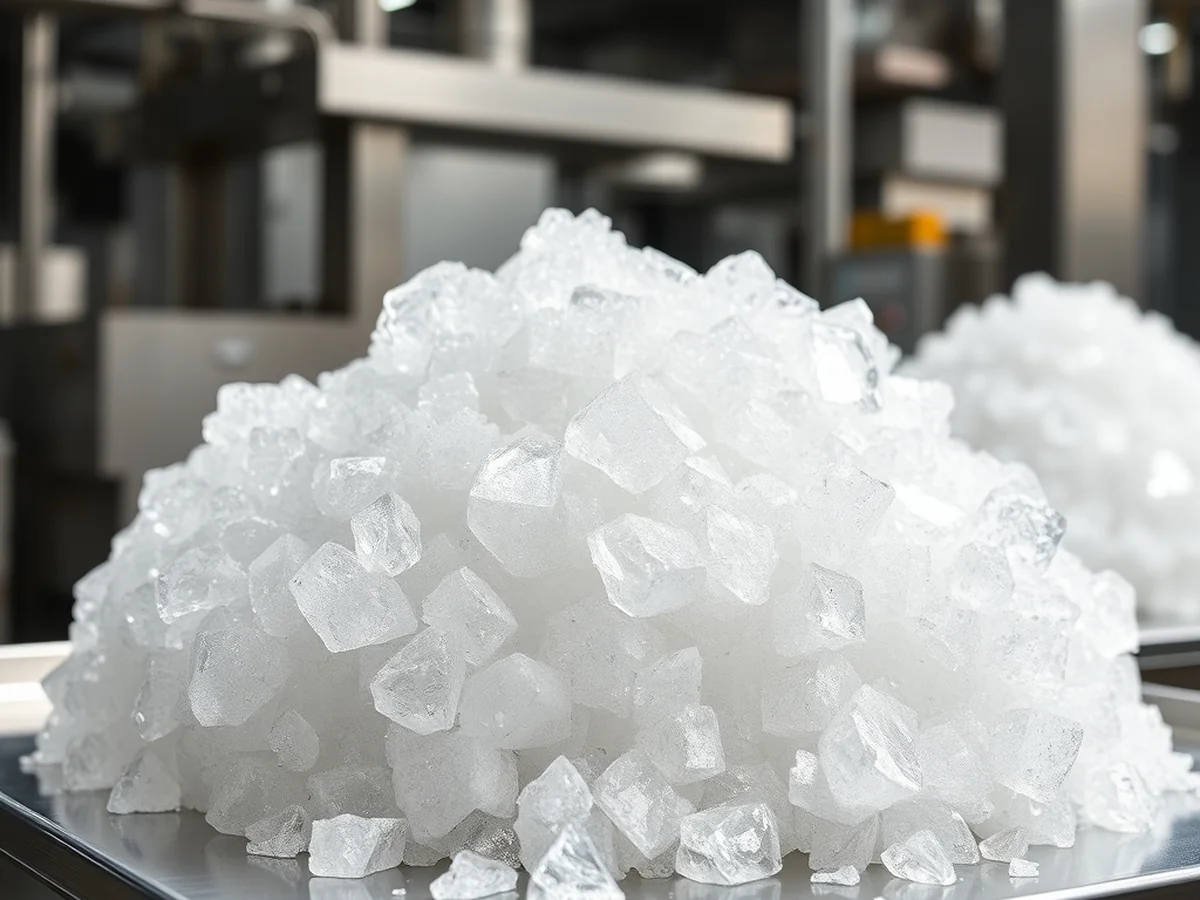
Con AA and Con A extra-large grain sweeteners serve specific industrial and specialty baking needs where standard crystal sizes simply fail to perform. These oversized crystals provide unique functional benefits in commercial food manufacturing, especially when bakers need to understand how various sweeteners behave under intense thermal conditions.
Industrial operations rely on these heavy-duty sweeteners for tasks requiring delayed melting and structural integrity. Bakers use them when a visible, crunchy texture is paramount for specialty pastries, decorative baked goods, and specific culinary applications that demand persistent surface crunch.
Dissolution rates for these large crystal selections are significantly slower than standard granulated options. This slow breakdown allows the sweetener to maintain its physical shape under high heat conditions, making these varieties valuable in specific commercial baking applications.
When working with extra-large grains, cooks often encounter specific operational challenges. Common mistakes include attempting to use these specialty oversized crystals in delicate batters where they will not dissolve fully, leading to an unwanted gritty texture. Practical steps for success involve reserving Con AA and Con A varieties strictly for surface decoration, crust toppings, or high-temperature confectionery items where physical crystal retention is the primary goal.
Maltodextrin Sugar Substitutes

Maltodextrin functions as a food additive that is commonly produced from wheat, corn, potato starch, or rice. While it often appears in processed foods and functions as a sweetening option, it differs fundamentally from standard sweeteners derived from plants like sugar cane or sugar beet. Traditional sweeteners undergo direct extraction for sweetness and culinary structure, whereas maltodextrin goes through extensive enzymatic processing to break down starches into a white powder.
In commercial kitchens and packaged foods, this ingredient serves as a texturizer and carrier. Manufacturers use it to improve mouthfeel, thicken liquids, and stabilize flavors without adding intense sweetness. It dissolves easily in both hot and cold preparations, making it useful for processed formulations where texture control is necessary.
A common mistake is treating maltodextrin as a direct substitute for regular pantry sweeteners in baking. Traditional sweeteners provide distinct caramelization, moisture retention, and structural properties because they contain sucrose. Starch-derived maltodextrin cannot replace regular pantry sweeteners for browning or structure. Understanding these physical differences helps home cooks evaluate ingredient labels accurately on packaged foods and clarifies why certain additives cannot replicate the functional performance of standard sugar.
Commercial Bulk Sugar Types
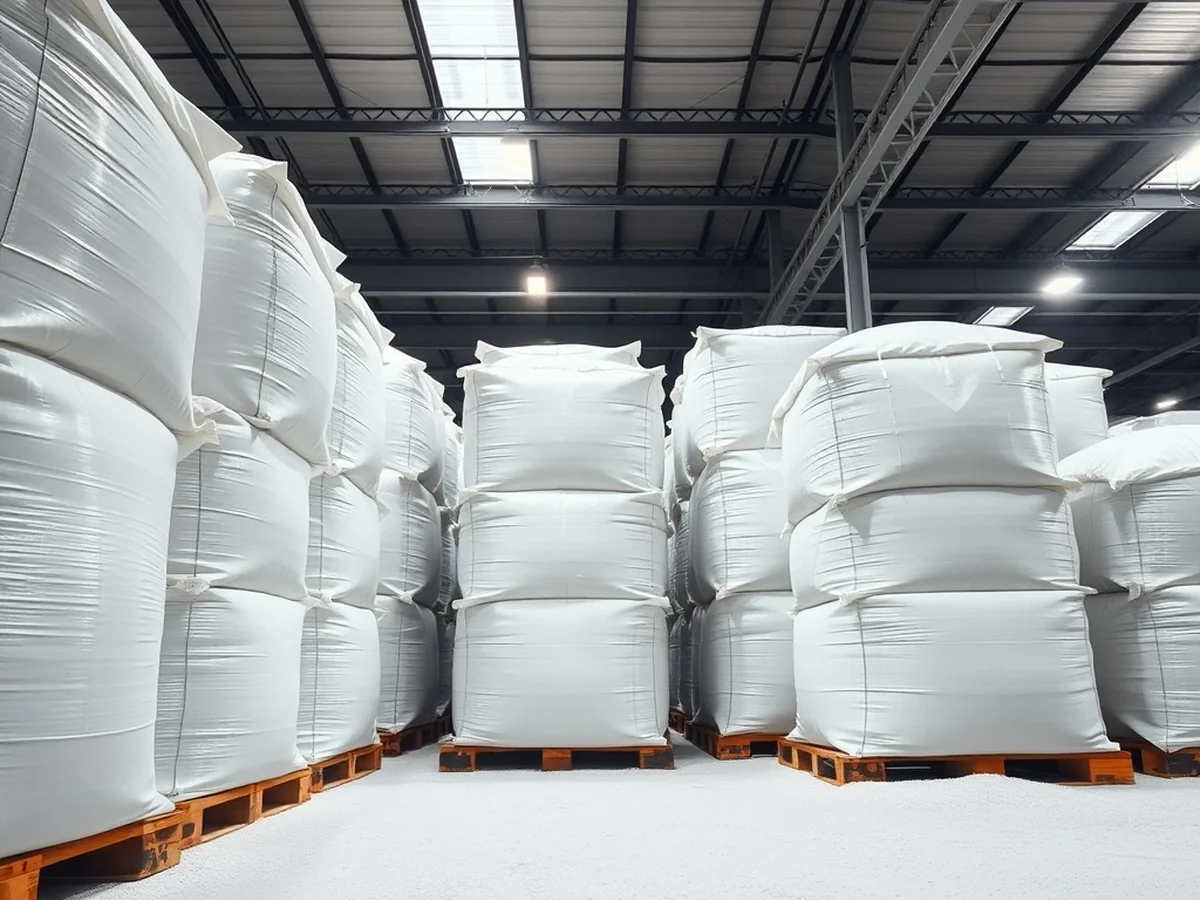
Commercial bulk sugar supply chains distribute high-volume sweeteners to industrial bakeries, food manufacturers, and large culinary operations through specialized transport like pneumatic tankers and palletized supersacks. These distribution networks manage vast quantities of sweetener derived from sugar cane and sugar beet crops, ensuring continuous production lines have uninterrupted access to the exact ingredients they need for large-scale operations.
Crystal Sizes and Granulation Grades
Large-scale kitchens and food processing facilities utilize specialized sweetener grades at scale to meet exact specifications for texture, moisture retention, and browning. Production managers rely on specialized crystal sizes, ranging from ultra-fine grades to extra-large grains like Con AA and Con A, to control dissolution rates in industrial mixing equipment. Granulated and liquid sweeteners, typically formulated by dissolving white or brown sugar in water, are pumped directly into holding vats to minimize manual handling and speed up high-volume batch preparation.
Bulk Storage and Quality Control
High-volume culinary operations maintain strict storage and handling practices to preserve the integrity of their bulk sweetening ingredients. Facilities must control ambient humidity and temperature levels in large storage silos to prevent caking, hardening, and microbial growth. Proper sealing and rotation schedules protect these valuable inventories from moisture absorption and pest contamination during daily operations. Production staff must regularly inspect silos and transport lines to ensure consistent flow rates and prevent localized blockages in automated dispensing systems.
Molasses and Biological Sugars

Molasses is the concentrated, clarified extract of sugar cane and the end product of sugar refining. This thick syrup carries a deep, distinctive flavor profile that directly influences both color and taste in cooking applications, making it a key component when exploring sweet pantry staples for your kitchen.
Understanding Biological Sweeteners
Biological sweeteners rely heavily on compounds like sucrose and fructose to deliver sweetness. According to common culinary guidance, fructose is up to 1.7 times as sweet as sucrose, meaning bakers often need smaller amounts to achieve the same perceived sweetness level in recipes. Understanding how these biological sugars behave helps home cooks manage flavor intensity without altering the structural integrity of their dishes.
The Role of Brown Sugar and Molasses
Common culinary guidance suggests that brown sugar is typically produced by combining fine white crystals with a coating of molasses. Because of this composition, the depth of color in each variety deepens according to how much molasses has been blended into the mixture.
Practical Baking Challenges
When incorporating molasses and biological sugars into recipes, home cooks frequently encounter several practical challenges. A common mistake is substituting liquid molasses directly for granulated sweeteners without adjusting the liquid ratios in the recipe, which can disrupt the final texture of baked goods. To use these ingredients successfully, measure them accurately by weight or volume, keep in mind that the depth of color in each variety deepens according to how much molasses has been blended into the mixture, and always account for the extra moisture they introduce into your meal preparation.
Frequently Asked Questions About Sugar Varieties
What are the different sweetening options available?
There are many sweetening options available for cooking and baking, ranging from standard granulated white sugar to unrefined crystals and syrups. Each variety brings unique moisture levels and crystal sizes to your recipes, which affects how your food bakes and tastes.
What is the difference between white sugar and brown sugar?
When evaluating brown sugar vs white sugar, the main distinction lies in the presence of molasses. Common guidance suggests that brown sugar is typically produced by combining fine white crystals with a coating of molasses, while white sugar has been fully refined to strip out those dark components.
What is powdered sugar used for?
Powdered sugar is a finely-ground, granulated sugar milled into a powder that dissolves instantly in frostings, glazes, and dusting applications. Bakers rely on this ultra-fine texture to create smooth buttercream without any gritty mouthfeel.
What is turbinado sugar?
Turbinado sugar is a semi-refined, off-color sugar that typically provides more sucrose than raw sugar while staying below the purity levels of fully refined options. Its large, blonde crystals hold up well to heat, making them a popular choice for sprinkling over muffin tops and pie crusts for extra crunch.
Conclusion: Selecting the Right Sugar for Your Kitchen
Matching a sweetener to your specific recipe ensures you achieve the desired flavor profile, moisture level, and structural integrity in your finished dish. By understanding how the various sweeteners interact with heat and other ingredients, you can easily adapt any recipe to suit your culinary goals. Consider the moisture content and crystal size of your chosen sweetener before you start cooking for the best possible results.
Sources: rcrec-ona.ifas.ufl.edu
You might also like: How to Clean Mushrooms Properly: Easy Kitchen Tip