
Chimichurri Sauce Recipe: Fresh & Zesty Herb Condiment
Introduction
Chimichurri sauce is a vibrant, uncooked herb condiment originating from Argentinian cuisine that primarily features a blend of fresh parsley, garlic, and vinegar. This versatile green mixture serves as a bright, acidic accompaniment designed to enhance the flavor of grilled meats and roasted vegetables.
This article provides an authentic chimichurri recipe using traditional chimichurri ingredients to ensure a balanced flavor profile. Readers will learn how to prepare the mixture, understand its role in balancing rich dishes, and explore various chimichurri sauce uses to elevate weekday meals.
What Is Chimichurri Sauce
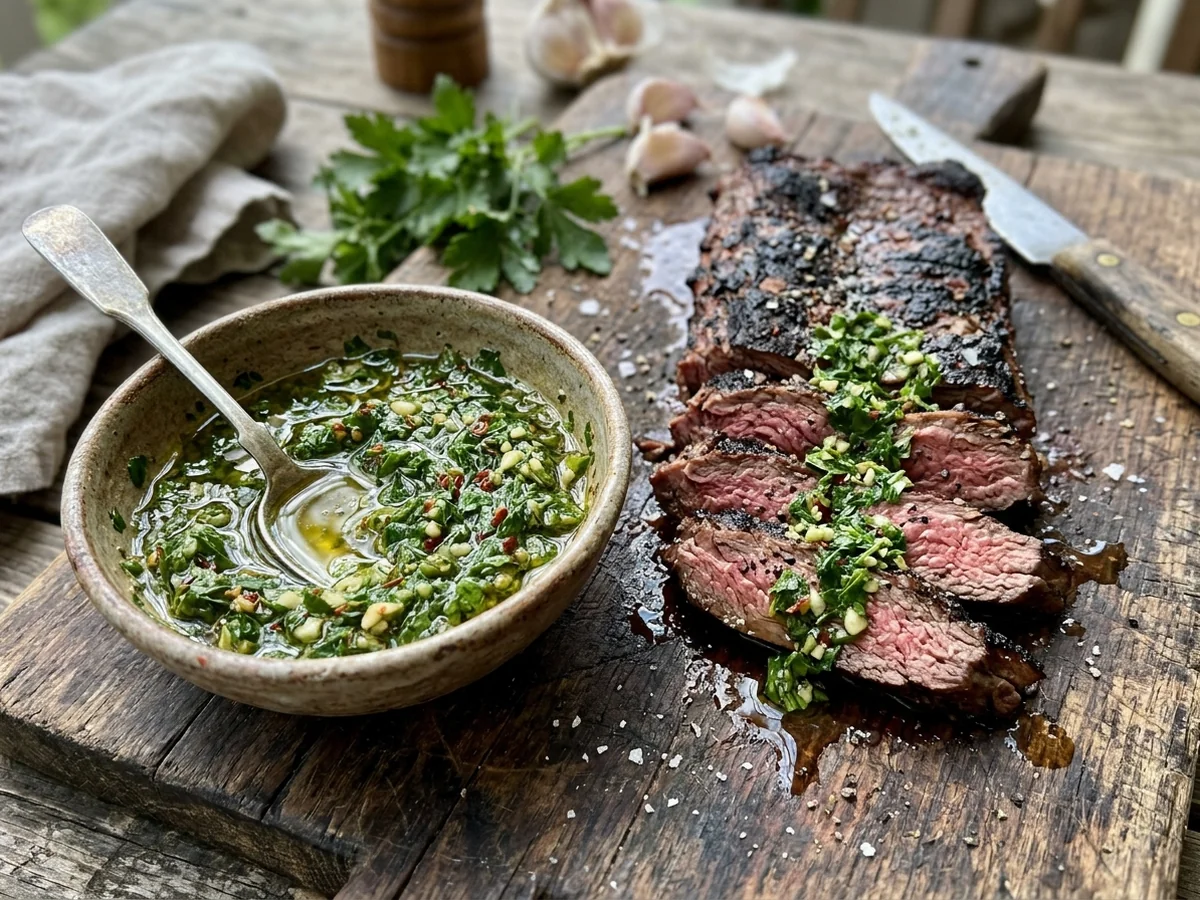
Chimichurri sauce is a vibrant, uncooked condiment originating from Argentinian cuisine, traditionally served alongside grilled meats like skirt steak. It functions as an herbaceous accompaniment that cuts through the richness of proteins with its distinctively bright and acidic profile.
The flavor relies on a balance of fresh aromatics and sharp liquids. You can expect a profile that is deeply herbaceous from the heavy use of fresh flat leaf parsley and dried or fresh oregano. Garlic provides a pungent base, while red wine vinegar delivers the essential tang that defines the condiment. This combination creates a zesty experience that enhances rather than masks the flavor of the main dish.
In contemporary home cooking, this preparation has evolved into a versatile pantry staple for busy schedules. It serves as an easy way to elevate simple weekday meals, whether used as a marinade, a finishing drizzle, or a dipping component. Because it requires no cooking, it fits perfectly into meal prep routines where time is limited.
The standard composition of these ingredients creates a balanced, multi-dimensional profile:
- Fresh flat leaf parsley for a clean, green base.
- Red wine vinegar to provide the necessary sharp acidity.
- Extra virgin olive oil to emulsify the herbs and provide a smooth texture.
- Garlic and chili flakes to add a subtle, lingering warmth.
While some versions include heat, the primary focus remains on the freshness of the herbs and the brightness of the vinegar. By keeping the preparation cold and raw, you preserve the integrity of the individual ingredients, ensuring each bite remains crisp and flavorful.
Essential Chimichurri Ingredients
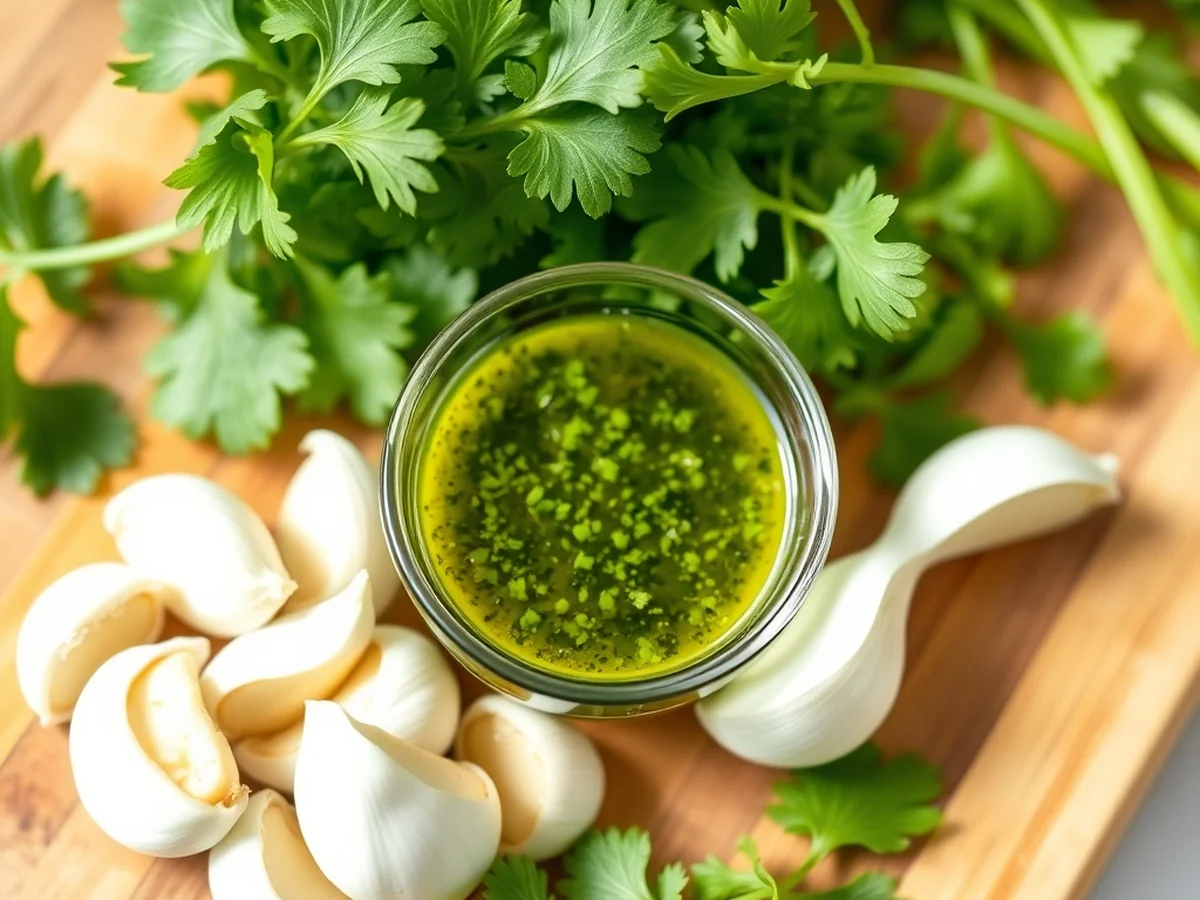
The flavor profile of this vibrant herb condiment relies on a balance of fresh aromatics, pungent garlic, and sharp acidity. Understanding these components is the first step toward mastering an authentic chimichurri recipe. These elements work in concert to cut through the richness of proteins like skirt steak, creating a bright and zesty finish for your prep bowls or weeknight dinners.
Selecting Fresh Herbs and Aromatics
Flat leaf parsley serves as the foundation of the mixture, providing a clean and herbaceous base that defines its signature green appearance. Unlike curly parsley, the flat leaf variety offers a more robust flavor that stands up well to the other punchy components. When preparing your herbs, ensure they are thoroughly washed and patted completely dry. Excess moisture can dilute the olive oil base and negatively affect the shelf life of your sauce. Finely mincing the garlic is equally critical. You want the garlic to integrate into the oil and vinegar rather than standing out in large, overpowering chunks.
Balancing Acid and Oil
Extra virgin olive oil acts as the emulsifying agent, binding the herbs together and carrying the flavors across the palate. Because this sauce is not cooked, the quality of your oil is paramount. Use a cold pressed variety that offers a smooth, neutral profile. Red wine vinegar introduces a necessary acidic punch, which balances the richness of the oil and enhances the overall brightness. Many home cooks find that allowing the vinegar and salt to sit with the garlic for a few minutes before adding the herbs helps to mellow the raw bite of the garlic.
Customizing Heat and Texture
One common question is, is chimichurri spicy? The answer depends on how you use chili flakes. These provide a gentle warmth rather than an aggressive heat, allowing you to control the intensity based on your personal preference. Oregano, whether dried or fresh, adds a subtle, earthy depth that complements the brightness of the parsley. If you are using dried oregano, crush it between your fingers before adding it to the bowl to release the essential oils.
When assembling your sauce, focus on texture. A proper condiment should have enough body to cling to grilled meats but remain loose enough to drizzle. By fine tuning the ratio of these chimichurri ingredients, you can easily adapt the final profile to suit your specific taste or to pair perfectly with your chosen protein. Remember that this sauce is best when allowed to rest for at least thirty minutes, which permits the components to meld and develop their full complexity.
Flavor Profile of Chimichurri
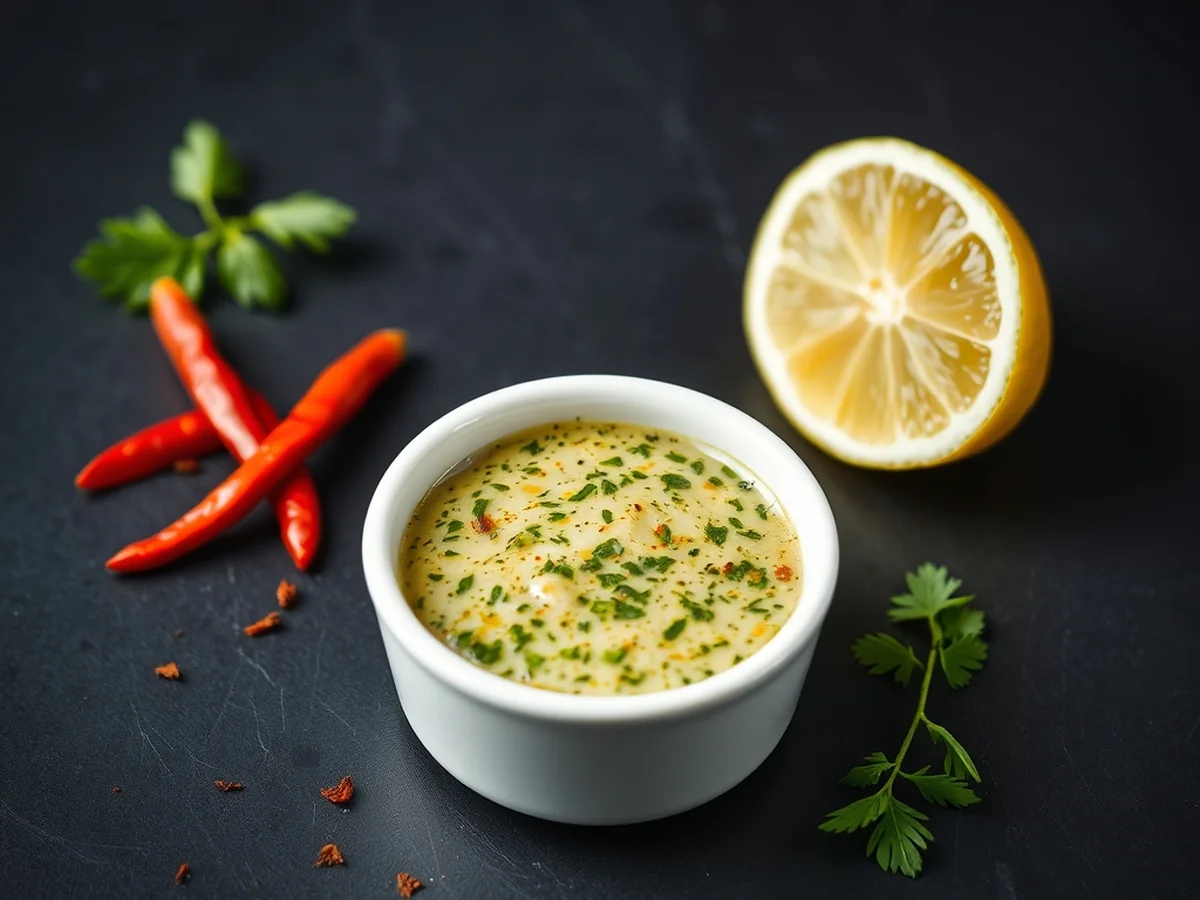
The flavor of chimichurri sauce is defined by a bright, herbaceous intensity that balances bold aromatics with a clean, acidic finish. Rooted in Argentinian cuisine, this condiment is designed to provide a sharp contrast to the fatty, rich profiles of grilled meats, most notably skirt steak. The primary experience is one of freshness, driven by the heavy use of chopped herbs like flat leaf parsley and oregano, which provide an earthy, green foundation that anchors the sauce.
Balancing Acid and Fat
The success of the sauce relies on the interaction between its liquid components. Red wine vinegar serves as the acidic backbone, essential for cutting through the richness of the meat and brightening the overall flavor. Extra virgin olive oil acts as the carrier, mellowing the intensity of the aromatics while adding a subtle fruitiness. A common mistake is using too little oil, which results in a harsh, vinegary bite rather than a cohesive, emulsified experience. Aim for a ratio that allows the oil to coat the herbs fully, creating a balanced, velvety texture.
Aromatic Intensity and Heat
Many home cooks ask if chimichurri sauce is spicy. While the recipe often includes chili flakes, the goal is to provide a warm, subtle background hum rather than an overwhelming heat. The garlic provides a pungent, savory depth that interacts with the dried chili to create a nuanced complexity. To ensure the best result, use fresh, high-quality garlic. If you find the raw garlic flavor too aggressive, consider letting the mixture macerate in the oil for at least 30 minutes before serving. This resting period is critical, as it allows the herbs and aromatics to meld, softening the sharp edges of the vinegar and garlic.
Because the components of the sauce are simple, the final profile is highly adaptable to your palate:
- Increase red wine vinegar for a sharper, more acidic finish.
- Add extra garlic if you prefer a bolder, more pungent aromatic profile.
- Adjust chili flakes based on personal preference, starting with a small pinch.
- Use high-quality extra virgin olive oil to improve the mouthfeel and overall richness.
Versatile Chimichurri Uses
The beauty of this herb-based condiment lies in its ability to transform simple ingredients into a dish that feels considered and intentional. Rooted in Argentinian cuisine, it relies on the brightness of flat leaf parsley and the earthy depth of oregano, balanced by the sharp acidity of red wine vinegar and the richness of extra virgin olive oil. Because it is a raw blend, it provides a cooling, herbaceous contrast that is particularly effective at cutting through the density of fatty proteins or the starchiness of roasted vegetables.
Integrating into Daily Prep
For those focused on high-protein prep bowls or cold grab-and-go meals, this mixture acts as a functional bridge between ingredients. When meal prepping, avoid adding the dressing until just before serving. This maintains the vibrant green color and ensures the garlic and chili flakes do not overwhelm the dish during storage. If you are preparing grain bowls, whisking a spoonful into the grains while they are still slightly warm allows the oil and vinegar to infuse the base layer, creating a more cohesive flavor profile across your weekday lunches.
Pairing Strategies for Proteins and Sides
While often associated with grilled skirt steak, this condiment is highly adaptable. Consider these approaches to elevate your cooking:
- Marinating: Use the mixture as a base for chicken or white fish. Allow the garlic and vinegar to sit with the protein for thirty minutes to an hour. The acid works to tenderize the exterior, resulting in a more flavorful finish when cooked.
- Finishing Roasted Sides: Roasted cauliflower or root vegetables often benefit from a final hit of acidity. Drizzling the mixture over hot vegetables right out of the oven prevents the herbs from wilting while adding a zesty, fresh dimension.
- Breakfast Enhancements: Spooning a small amount over fried eggs or avocado toast introduces a complex, savory layer that standard hot sauces cannot replicate.
Common Usage Considerations
A common mistake is treating the blend like a cooked gravy. Because it is a fresh herb preparation, heating it directly in a pan will dull the flavor of the fresh parsley and change the texture of the oil. Always use it as a finishing element or a cold marinade. If you find yourself asking if chimichurri sauce is spicy, remember that the heat level depends entirely on the amount of chili flakes used. You can easily adjust the intensity to suit your preferences during the mixing process. As you explore various chimichurri sauce uses, remember that the fresh ingredients shine best when added at the very end of your cooking process.
How to Make Chimichurri
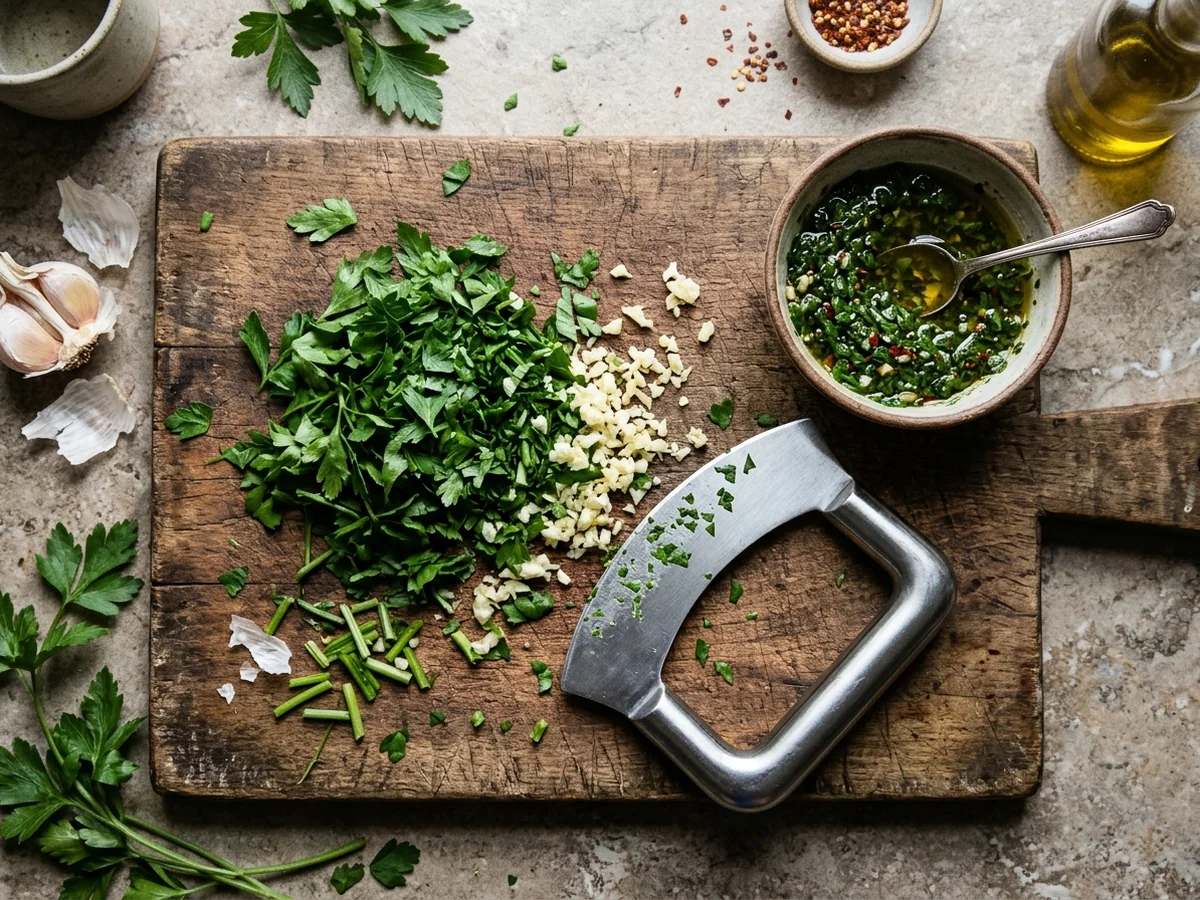
You can prepare this vibrant condiment by either hand-chopping the ingredients or using a food processor, though each method changes the final texture. Hand-chopping creates distinct, rustic pieces of flat leaf parsley and garlic, which provides a pleasant bite and prevents the herbs from bruising. Using a food processor is significantly faster and easier, yet it risks turning the herbs into a uniform paste if over-processed. For the best consistency, pulse the machine briefly rather than running it continuously.
The quality of your final dish relies heavily on the freshness of your herbs. Because the flavor profile is dominated by raw ingredients like flat leaf parsley and oregano, using wilted or dried herbs will result in a muted, dull taste. Crisp, vibrant green herbs provide the bright, zesty character that defines an authentic chimichurri recipe. Always select leaves that are firm and free of discoloration to ensure the boldest flavor possible.
Allowing the finished chimichurri sauce to rest before serving is essential for flavor development. This resting period gives the red wine vinegar and extra virgin olive oil enough time to draw out the essential oils from the garlic and chili flakes. When you let the mixture sit at room temperature for at least twenty minutes, the individual components meld together into a cohesive, well-balanced dressing. Serving it immediately often results in a disjointed flavor where the acidity of the vinegar overwhelms the delicate fresh herbs.
Common Preparation Mistakes

Creating a traditional version of this herb-based condiment relies on respecting the integrity of raw components rather than forcing them into a uniform paste. Because this sauce depends entirely on the vibrancy of fresh items, technical errors during preparation can quickly compromise the flavor profile and texture of the finished result.
The Impact of Mechanical Processing
One of the most frequent mistakes is over-processing the herbs in a food processor. While using a machine is efficient for many kitchen tasks, it often destroys the delicate structure of flat leaf parsley and oregano. High-speed blades heat the leaves and release chlorophyll prematurely, which introduces a bitter, grassy note that overrides the bright, herbaceous character essential to the sauce. When you hand-chop these items instead, you maintain their structural integrity and allow the oils to release slowly, resulting in a cleaner flavor that pairs perfectly with grilled skirt steak.
Balancing Acid and Oil
Achieving the correct harmony between red wine vinegar and extra virgin olive oil is critical to the success of your chimichurri sauce. A poor ratio often leads to a condiment that feels either excessively sharp and acidic or unpleasantly greasy on the palate. The acidity should brighten the garlic and chili flakes without overwhelming them. If the balance is off, the sauce will feel disjointed rather than emulsified. To avoid this, combine your liquid components separately before folding them into the finely chopped herbs.
Ingredient Quality and Freshness
Because there are no heavy spices or cooking processes to hide subpar elements, the quality of your fresh produce is paramount. Using dried herbs instead of fresh ones prevents the sauce from achieving the signature fresh bite required for Argentinian cuisine. Similarly, incorporating low-quality or rancid oils will mask the natural aromatics of the fresh garlic, leaving an unpleasant aftertaste that lingers. Always prioritize fresh, high-quality items to ensure that what is intended to be a vibrant, refreshing accompaniment remains balanced and delicious throughout the week.
Storage and Shelf Life
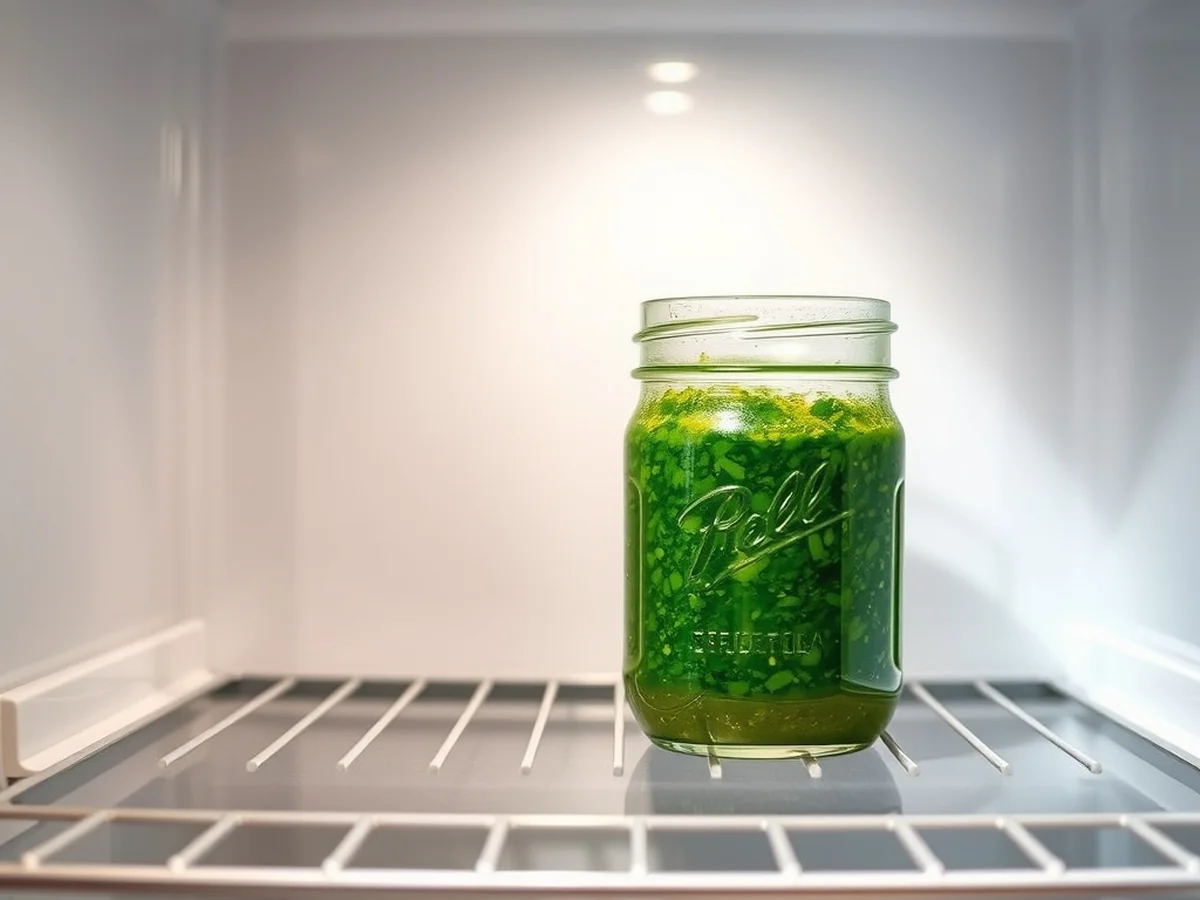
Keep your chimichurri sauce in an airtight container inside the refrigerator to maintain its vibrant flavor and safety. Refrigeration slows down the degradation of fresh herbs, ensuring the mixture remains palatable throughout the week.
Oxygen is the primary enemy of this herb-based condiment because it causes the bright green leaves to oxidize and lose their fresh, zesty profile. To prevent browning, ensure the surface of the sauce is covered with a thin layer of extra virgin olive oil. This simple barrier seals out air and keeps the mixture looking as fresh as the moment you prepared it.
Preparing batches in advance is a practical strategy for busy weekday lunch routines. When planning your weekly prep, consider these storage steps:
- Use glass jars with tight-sealing lids to avoid plastic containers that can absorb strong garlic odors.
- Press a piece of plastic wrap directly against the surface of the sauce before sealing the jar to further minimize air exposure.
- Always use a clean, dry spoon when removing a portion for your meal to prevent introducing bacteria into the main batch.
- Label your containers with the date of preparation so you can track how long it has been in your refrigerator.
While the flavors often meld and deepen after resting for a few hours, the peak quality is typically best within the first few days. If you notice a significant change in color or an off odor, discard the batch. Relying on fresh ingredients means the product does not contain preservatives, so monitor the texture and aroma closely if you store it for an extended period. By keeping it cold and airtight, you ensure your meal prep remains a highlight of your week.
FAQ
What is chimichurri sauce?
This uncooked, herb-based condiment originates from Argentinian cuisine and typically features a base of flat leaf parsley and garlic. It provides a bright, acidic, and herbaceous flavor profile commonly used to complement grilled meats.
What are the essential components?
The core items needed include finely chopped flat leaf parsley, fresh garlic, dried or fresh oregano, red wine vinegar, and high-quality extra virgin olive oil. Many variations also incorporate chili flakes to balance the acidity of the vinegar with a subtle heat.
Is chimichurri spicy?
This condiment is generally mild, though it often contains a small amount of chili flakes that provide a gentle warmth rather than intense spice. You can easily adjust the quantity of chili flakes to suit your personal preference for heat.
What are the best chimichurri sauce uses?
The most traditional application for this condiment is as a topping for skirt steak or other cuts of grilled beef. Beyond steak, it works exceptionally well as a vibrant dressing for roasted vegetables, a marinade for chicken, or even as a flavorful dip for crusty bread.
How do I make this condiment at home?
To prepare it properly, focus on hand-chopping the herbs and garlic rather than using a food processor to maintain the right texture. Whisking the components together and allowing the mixture to sit for at least thirty minutes helps the flavors meld into a cohesive and zesty result.
Conclusion
The best way to master this condiment is to prepare a fresh batch and let the flavors marry for at least thirty minutes before serving. You can easily adjust the acidity or heat levels to suit your personal preference after the first taste. Once you have your homemade herb mixture ready, try pairing it with grilled proteins or roasted vegetables to elevate your next weekday meal.
You might also like: How to Make Grilled Halloumi Cheese at Home