Honey Garlic Sauce Recipe: Quick & Easy Glaze
Introduction
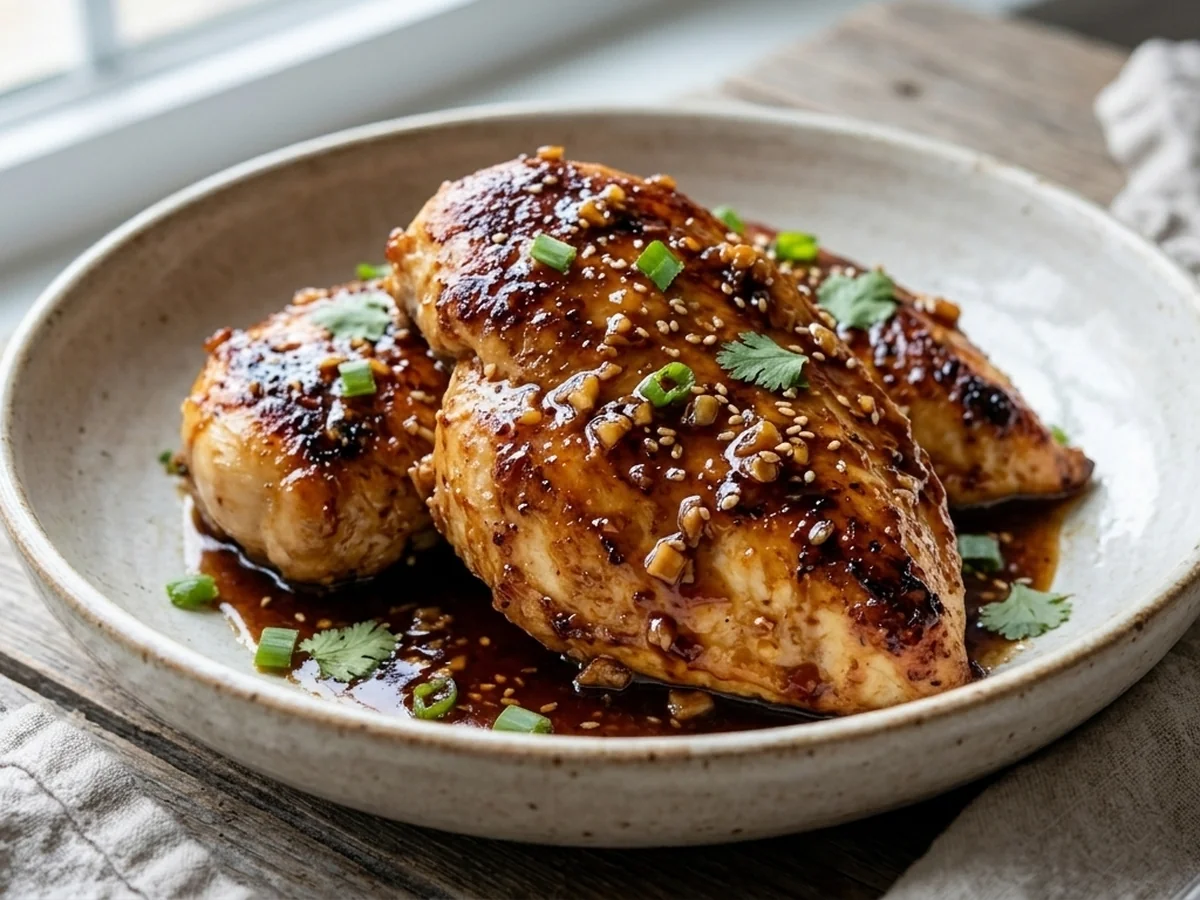
You can prepare a balanced honey garlic sauce by whisking together honey, soy sauce, and aromatic garlic for a versatile glaze. This easy honey garlic sauce recipe provides a quick way to elevate proteins like chicken or pork tenderloin with a perfect blend of sweet and savory notes.
This guide covers essential honey garlic sauce ingredients and the proper technique for creating a smooth, glossy finish. You will learn how to thicken your sauce using a cornstarch slurry and discover helpful tips for adjusting flavor profiles to suit your preferences. Whether you are aiming for a simple 3 ingredient honey garlic sauce or a more complex version, these instructions ensure consistent results every time you cook.
A Versatile Kitchen Staple
This sweet and savory mixture acts as a reliable foundation for home cooking, offering a simple way to elevate everything from proteins to roasted vegetables. Its balanced profile makes it a go-to choice for quick weeknight dinners, whether you are glazing pork tenderloin, preparing a glaze for chicken, or tossing it with stir-fried greens. Because these components are standard, you can easily scale the preparation up or down to suit your needs, avoiding the reliance on pre-made store-bought alternatives.
The Science of Texture and Flavor
Creating a homemade honey garlic glaze relies on understanding how components interact during the cooking process. Achieving a professional finish does not require complex techniques, but it does demand attention to detail. One common challenge for home cooks is consistency. To effectively thicken the mixture, many cooks utilize a cornstarch slurry. This involves mixing the cornstarch with a small amount of cold liquid before adding it to the heated pan. This step is a typical practice because adding dry starch directly to a hot liquid often results in unwanted clumping, which ruins the texture.
Flavor depth is another area where technique matters. While many recipes instruct you to cook all ingredients from the start, a common practice among experienced cooks is to reserve a portion of minced garlic to add after the mixture has finished boiling. This method provides a fresh, pungent punch of flavor that contrasts nicely with the mellowed, cooked-out garlic incorporated during the initial simmer.
Working with Aromatics
The quality of your aromatics directly influences the final result. When preparing the base, the amount of garlic used can significantly alter the balance. While personal preference dictates the strength, common guidance suggests that one clove of minced garlic is equivalent to approximately 0.5 to 1.5 teaspoons. When comparing fresh garlic to pre-minced jarred options, fresh cloves generally provide a more vibrant flavor profile, though jarred versions offer convenience for quick 3 ingredient variations.
Practical Storage and Safety
Proper handling is essential for maintaining the quality of your honey garlic sauce. Unlike some shelf-stable condiments, homemade versions lack the commercial preservatives that allow for long-term pantry storage. Once prepared, the mixture should be cooled rapidly and kept in an airtight container within the refrigerator. To ensure the best flavor and adhere to standard food safety practices, it is best to treat this as a fresh component and consume it within a few days rather than relying on extended storage periods. By focusing on fresh aromatics and proper thickening techniques, you create a high-quality result that is both accessible and satisfying for any home cook.
Essential Sauce Ingredients
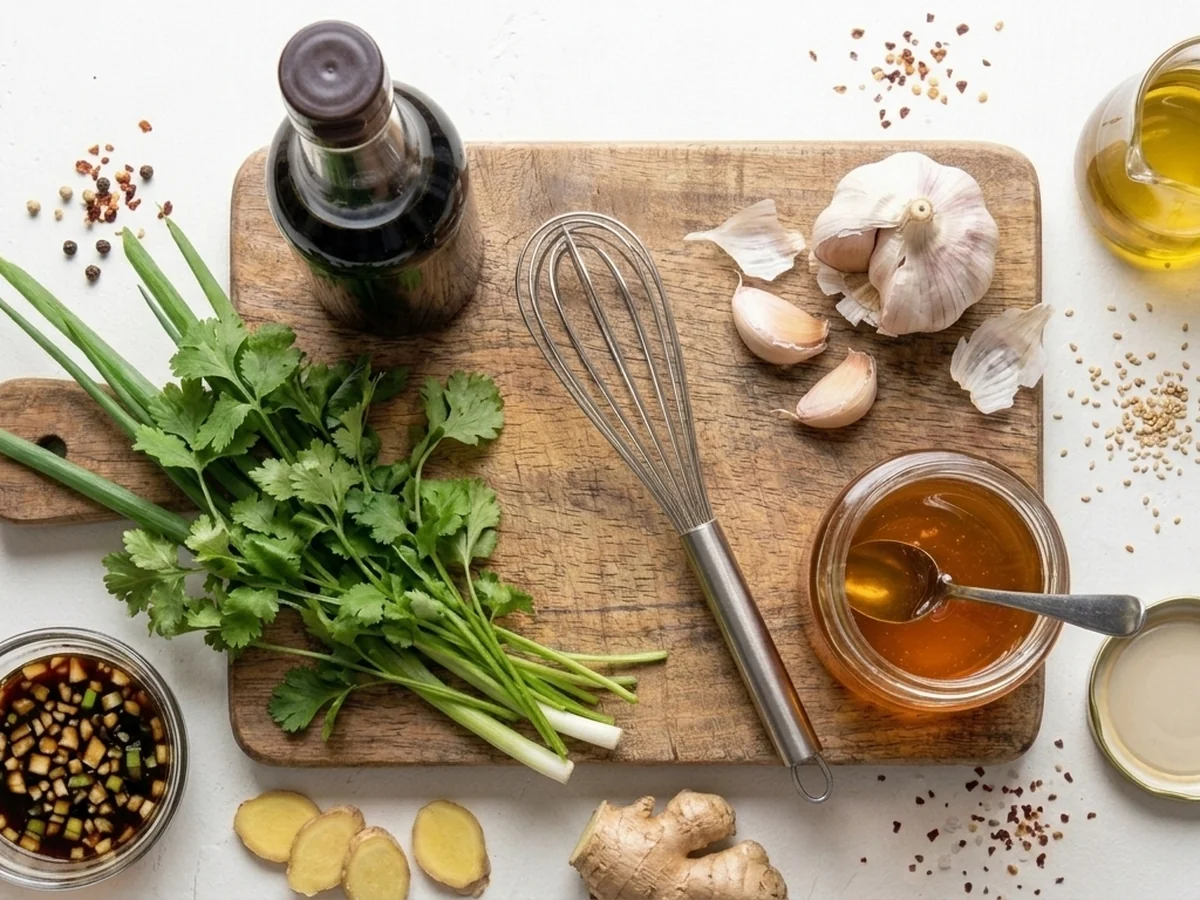
Creating a balanced glaze relies on three pillars: sweetness, saltiness, and aromatics. Honey acts as the foundational sweetener, providing the signature viscosity and glossy finish that allows the mixture to adhere to proteins like chicken or pork tenderloin. Soy sauce provides the necessary savory contrast, grounding the sugar with umami and salt. Fresh minced garlic serves as the sharp, pungent anchor that cuts through the intensity of the honey. While these three components form the classic 3 ingredient honey garlic sauce, additional elements like apple cider vinegar are often introduced to brighten the overall profile and provide a necessary acidic balance.
The Role of Aromatics and Acidity
Fresh garlic is generally preferred over pre-minced jarred versions. While pre-minced options offer convenience, fresh cloves contain higher levels of the volatile compounds responsible for the pungent, spicy bite characteristic of a quality homemade honey garlic glaze. Common culinary guidance suggests that one clove of garlic provides approximately 0.5 to 1.5 teaspoons of volume when minced. For a more layered flavor profile, some cooks stir in a small portion of fresh minced garlic after the mixture has finished boiling, which is a common practice to introduce an extra punch of aromatic intensity right before serving.
Apple cider vinegar is another common addition. Its role is to mitigate the heavy sweetness of the honey, ensuring the glaze does not become cloying. If you require a gluten-free alternative to standard soy sauce, tamari serves as a reliable substitute that maintains the savory depth without the wheat-based additives. For those managing sugar intake, some home cooks experiment with low-sugar honey alternatives or sugar-free syrups. Be aware that these substitutions can alter the viscosity and the Maillard reaction, which is the chemical process responsible for the browning and caramelization that gives the glaze its depth.
Mastering Texture and Consistency
Understanding how to thicken the mixture is essential for achieving a professional finish. If the glaze appears too thin after simmering, a cornstarch slurry is the standard solution. This mixture consists of equal parts cornstarch and a cold liquid, such as water or broth. It is common guidance to mix the cornstarch thoroughly with cold liquid before adding it to the hot pan, as this prevents the starch from clumping instantly upon contact with heat. Once the slurry is incorporated, heat the mixture until it reaches the desired thickness.
| Ingredient | Primary Function |
|---|---|
| Honey | Sweetness and viscosity |
| Soy Sauce | Umami and salt balance |
| Minced Garlic | Aromatic pungency |
| Cornstarch | Thickening agent |
When preparing this for proteins like pork tenderloin or roasted vegetables, remember that simple ingredients require precise handling to avoid burning. Keep a close watch on the heat, as the high sugar content in honey makes the glaze prone to scorching if left unattended at high temperatures.
How to Make Honey Garlic Sauce
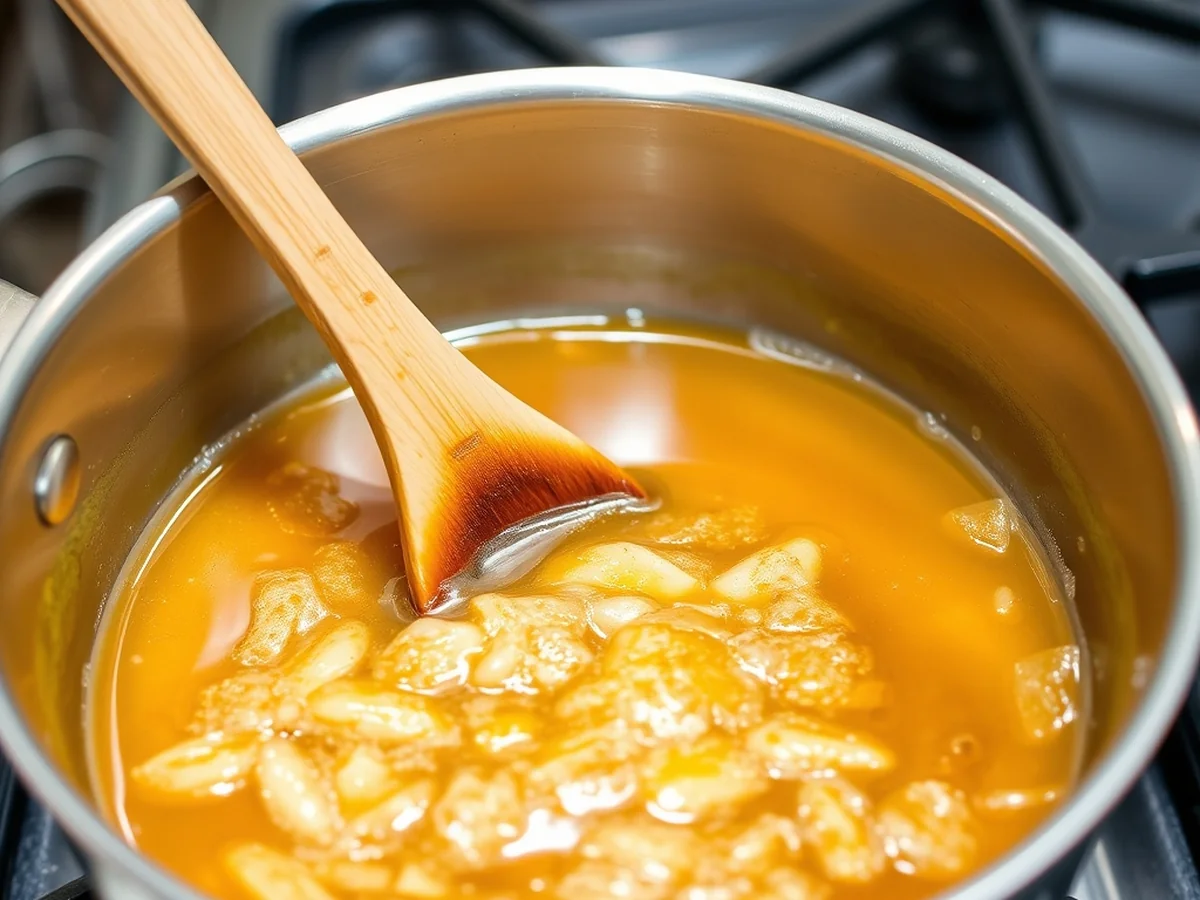
You can create this versatile glaze by combining honey, soy sauce, and aromatics in a pan over medium heat. This preparation is a straightforward process that relies on balancing sweet and savory notes to achieve a rich, glossy finish for your favorite proteins.
When preparing the aromatics, keep in mind that one clove of minced garlic is often considered equivalent to approximately 0.5 to 1.5 teaspoons. This common guidance helps you adjust the pungency of the glaze to your personal preference without overwhelming the dish.
Follow these steps to prepare your own homemade glaze:
- Whisk together the honey and soy sauce in a small saucepan over medium heat until the mixture begins to simmer.
- Add your minced garlic to the pan, allowing it to cook briefly to infuse the liquid with its distinct aroma.
- Create a cornstarch slurry by mixing one part cornstarch with two parts cold liquid, such as water or broth, in a separate small bowl.
- Stir this slurry into your simmering pan, as this is the standard method for how to thicken honey garlic sauce and prevent the powder from clumping.
- Continue whisking the mixture until it reaches your desired consistency and coats the back of a spoon.
- Remove the pan from the heat and consider stirring in an extra portion of fresh minced garlic for an additional punch of flavor.
It is important to remember that using a cornstarch slurry is the most reliable way to ensure a smooth texture. Because cornstarch tends to clump instantly when added directly to hot liquids, mixing it into a separate cold liquid first is a standard practice in the preparation of any easy honey garlic sauce recipe. Once incorporated, the mixture will thicken rapidly as it continues to bubble, so keep a close eye on the consistency to ensure it remains pourable.
Balancing Honey and Garlic Flavors
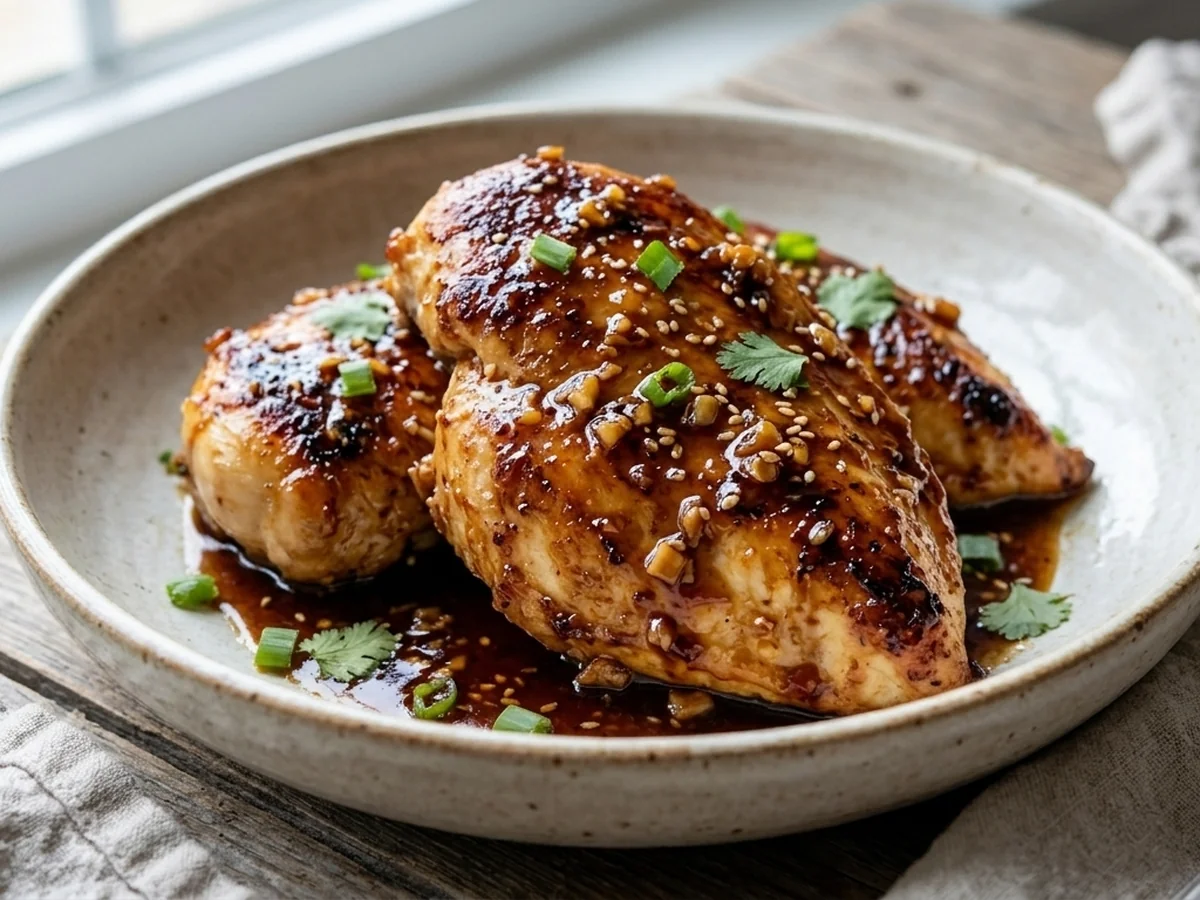
Achieving a professional flavor profile when preparing this sweet and savory mixture at home relies on managing chemical transformations as heat changes your ingredients. By controlling the temperature and timing of your additions, you create a complex, well-balanced coating that elevates simple proteins like chicken or pork tenderloin.
The Science of Sweetness and Heat
Heating honey triggers caramelization, where sugars break down to develop deep, nutty notes. Because honey contains various natural sugars, it thickens rapidly when heated. Using high heat for too long causes these sugars to scorch, resulting in a bitter flavor that masks the delicate aromatics. When you apply this blend to proteins, the Maillard reaction occurs: the interaction between amino acids and reducing sugars creates a savory, browned crust. This browning process provides the depth that defines a high-quality dish rather than just a sugary coating.
Managing Garlic Aromatics
Garlic intensity changes significantly depending on when it hits the pan. Cooking the majority of your minced garlic early allows it to soften and infuse the liquid base with savory, mellow notes. As a general guide, one clove of garlic is roughly equivalent to 0.5 to 1.5 teaspoons of minced garlic. Adding a portion of fresh minced garlic after the mixture has finished boiling is a common practice to provide a sharp, pungent punch that brightens the entire profile. This two-stage approach ensures your final product maintains both underlying depth and a fresh finish.
Achieving the Perfect Consistency
A frequent challenge when preparing this simple culinary reduction is ensuring the glaze adheres properly to the meat. If your mixture is too thin, it will slide off the protein rather than coating it. To thicken the liquid, a cornstarch slurry is the most reliable method. Common guidance dictates that you must mix the cornstarch with a small amount of liquid, such as soy sauce or water, before adding it to the hot pan to prevent clumping. Stirring this mixture into the pan as the liquid simmers will create a glossy, thick texture that holds its own against the heat of the protein.
- Add most minced garlic early to infuse the base with deep, savory flavor.
- Stir in a final portion of fresh garlic right before serving for an aromatic brightness.
- Always whisk your cornstarch slurry until perfectly smooth before adding it to the pan.
- Keep heat moderate to ensure the honey caramelizes slowly without burning.
Avoiding Burnt Honey Garlic Sauce
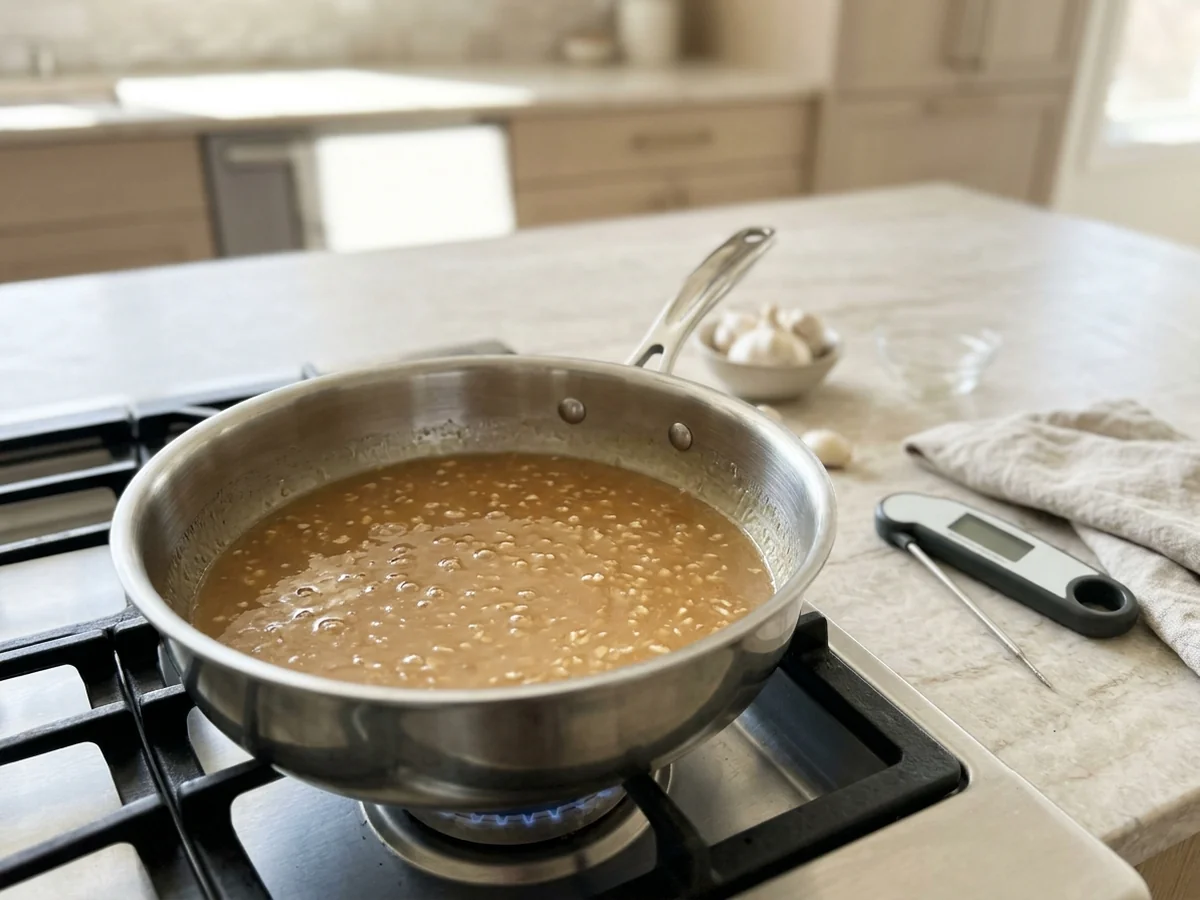
Achieving a balanced result when preparing this sweet and savory mixture requires careful management of heat and timing. Honey contains a high concentration of natural sugars that caramelize rapidly when exposed to direct heat. If the temperature is too high, these sugars undergo a rapid reaction that turns the mixture from a golden condiment into a bitter, scorched mess. Maintaining a low to medium heat setting throughout the cooking process is the most effective way to prevent this common culinary mishap.
Mastering Heat and Consistency
When preparing your glaze, patience serves as your primary tool. Because honey has a low smoke point, it will darken and burn quickly if left unattended. If you notice the mixture thickening or changing color too rapidly, remove the pan from the heat source immediately to preserve the delicate sweet and savory profile. Proper mixing is equally vital for achieving a smooth, professional texture. If you choose to use a thickening agent, common guidance suggests creating a cornstarch slurry by mixing the starch with a small amount of cold liquid before adding it to the warm pan. This step is typically necessary to prevent stubborn, gummy clumps from forming within the liquid.
The Role of Aromatics
The type of garlic you select significantly impacts both the flavor and the stability of the final result. Fresh garlic cloves are generally preferred because they provide a vibrant, sharp bite that creates a deeper flavor profile compared to pre-minced jarred alternatives. Jarred garlic often contains preservatives that can introduce a metallic aftertaste, which becomes more pronounced as the mixture reduces. When adjusting your recipe, keep in mind that common practice suggests one clove of fresh minced garlic is equivalent to approximately 0.5 to 1.5 teaspoons, though this varies based on personal preference.
To maximize the aromatic intensity of your dish, consider a two-stage approach. Use a portion of your minced garlic during the initial sauté to build a flavor base, but hold back a small amount to stir in right at the end. Culinary practices often suggest that adding a portion of minced garlic after the heat has been turned off ensures the ingredient retains its pungent, fresh character rather than becoming muted. Whether you are preparing a coating for pork tenderloin or a simple accompaniment for chicken, these small adjustments in timing and technique will help you avoid burnt flavors and ensure a consistent, delicious result every time.
Safe Storage Practices
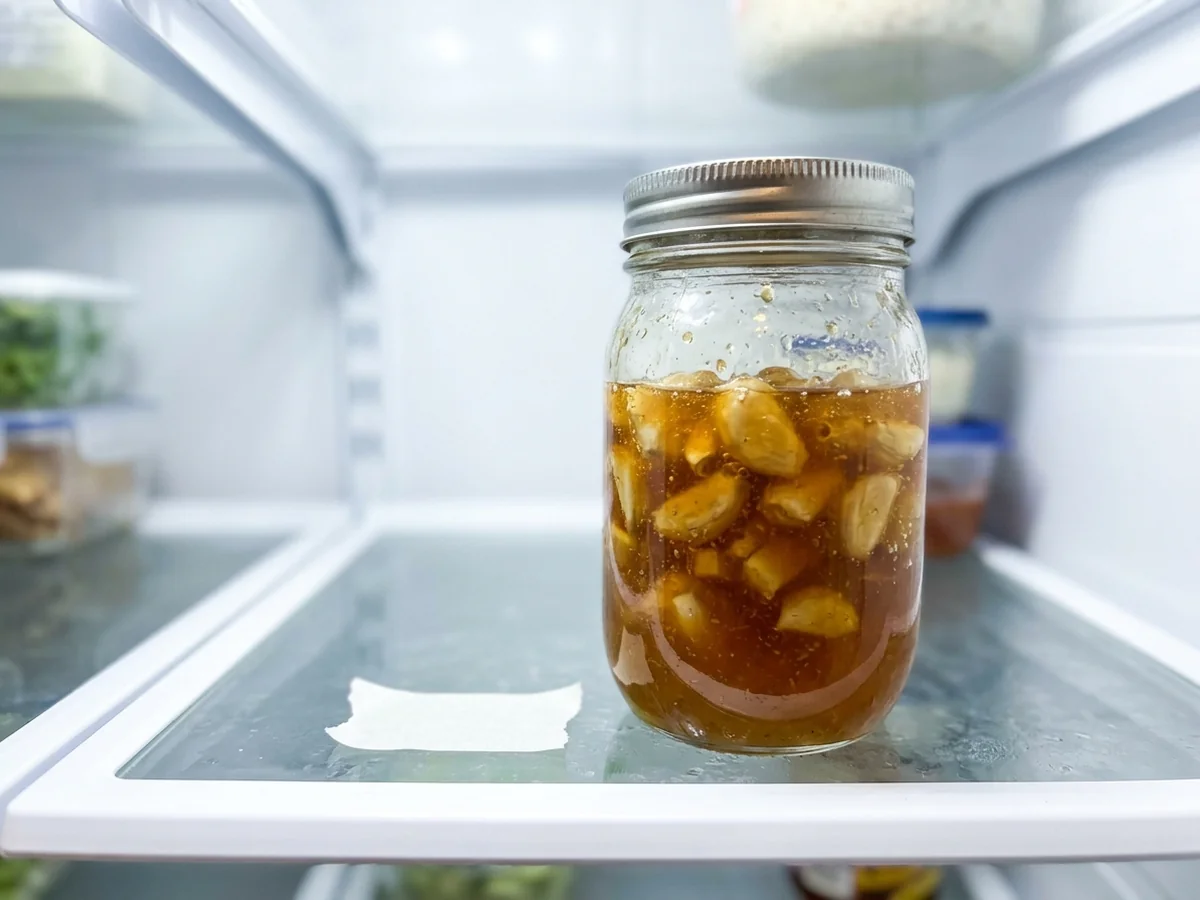
Proper storage is essential for maintaining the quality of your culinary creation. Because this condiment typically contains fresh ingredients like minced garlic, it requires careful handling to prevent spoilage. Always prioritize food safety by cooling the mixture quickly after preparation and transferring it into clean, airtight glass or BPA-free plastic containers. A tight seal is critical, as it prevents the liquid from absorbing odors from other items in your refrigerator and protects the delicate balance of honey and soy flavors from air exposure.
Refrigeration and Short-Term Usage
While some sources suggest extended refrigeration, mixtures featuring fresh garlic do not possess the acidity or preservative levels necessary for long-term shelf stability. For optimal quality and safety, store your condiment in the refrigerator and consume it within a few days of preparation. Storing it longer than this increases the risk of quality degradation. Always ensure your containers are clearly labeled with the preparation date so you can track how long the mixture has been in the fridge. If you notice any signs of spoilage, such as an off smell, visible mold, or a significant change in texture, discard the item immediately.
Risks of Improper Preservation
It is important to avoid attempting to preserve this mixture using home canning or water-bath methods. Standard recipes for this type of seasoning are designed for immediate kitchen use and lack the rigorous, laboratory-tested protocols required to neutralize risks such as botulism. This bacterium thrives in low-acid, anaerobic environments. Because these mixtures do not meet specific acidity standards required for safe shelf-stable bottling, attempting to can them creates a severe food safety hazard. Keep your prepared mixture out of the pantry and strictly within the refrigerator or freezer.
Freezing for Long-Term Storage
If you have prepared a larger batch and want to keep it for a longer duration, freezing is a much safer alternative to canning. Pour the cooled mixture into freezer-safe bags or containers, ensuring you leave a small amount of headspace to allow for expansion as the liquid freezes. When you are ready to use it, move the contents to the refrigerator to thaw overnight. When reheating, apply gentle heat on the stove, stirring occasionally. If you added a cornstarch slurry to thicken your mixture, be aware that freezing can sometimes alter the texture upon thawing. You may need to whisk in an additional small amount of slurry to restore the desired consistency after the mixture has been reheated.
Versatile Serving Suggestions
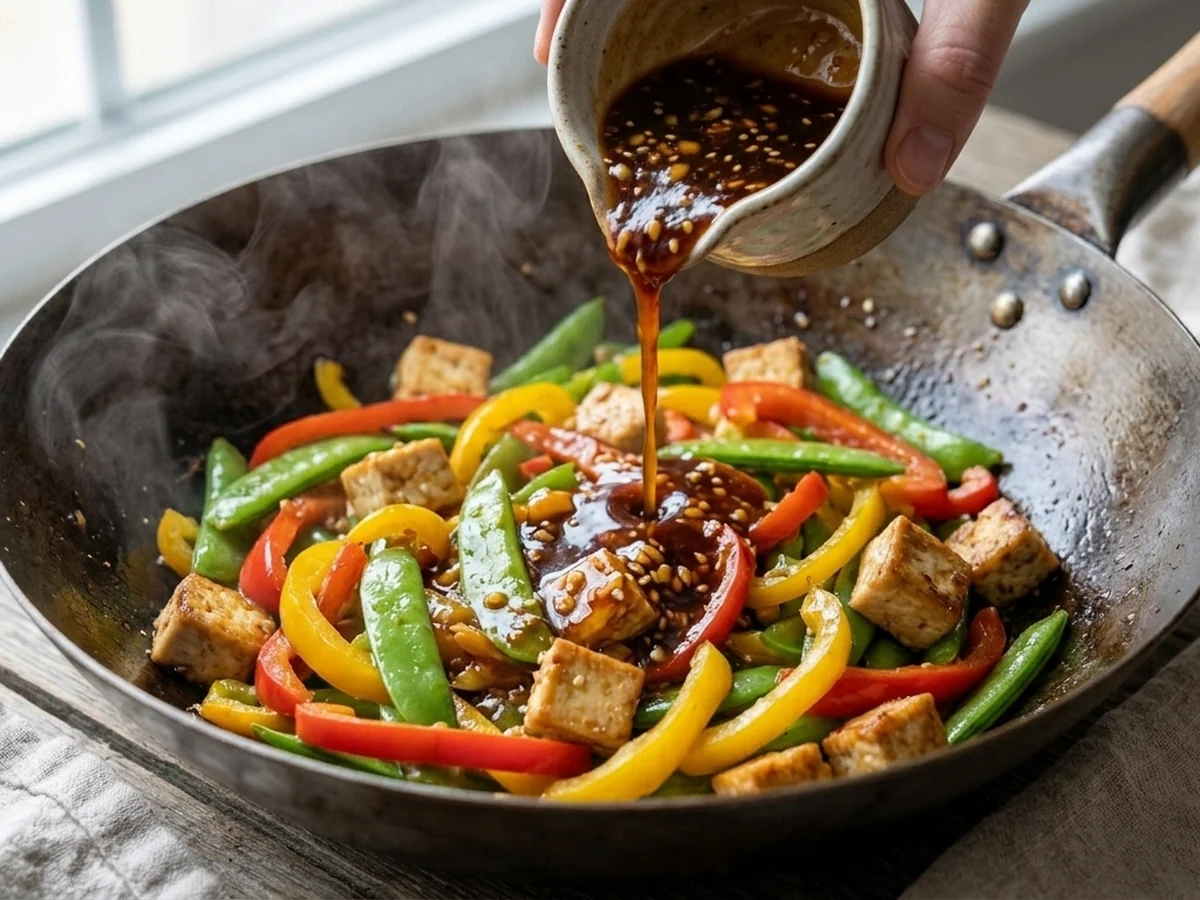
This sweet and savory mixture serves as a foundational component for many meals, offering a balanced profile that complements both proteins and produce. When preparing this condiment from scratch, the goal is often to achieve a consistency that clings to food without becoming overly syrupy. Because honey is heat-sensitive, it is common practice to add a portion of minced garlic after the liquid has finished boiling to preserve its sharp, aromatic punch, which contrasts beautifully with the mellowed base.
For roasted proteins, this mixture excels as a finishing element. When applied to poultry during the final minutes of cooking, the sugars in the honey undergo the Maillard reaction, creating a deep, caramelized exterior that seals in moisture. This technique works equally well for pork tenderloin, where the coating helps bridge the gap between the mild, lean meat and more robust seasoning profiles. To ensure the best results, avoid applying the mixture too early, as high heat for extended periods can cause the sugars to burn rather than glaze.
Beyond proteins, this preparation is an effective way to introduce flavor to roasted vegetables. Tossing broccoli or cauliflower in a thin coating before serving provides a glossy finish that highlights the charred edges of the vegetables. It functions just as effectively as a dip for crispy tofu or a light dressing for stir-fried snap peas and carrots.
Practical tips for success:
- Control consistency: Use a cornstarch slurry, which is simply cornstarch mixed with liquid before adding to the pan, to prevent clumping and ensure a smooth, professional texture.
- Garlic preparation: While usage varies, one clove of minced garlic is equivalent to approximately 0.5 to 1.5 teaspoons, giving you flexibility based on your preference for intensity.
- Avoid common mistakes: Do not rely on unverified storage advice suggesting long-term refrigeration. Adhere to standard food safety storage standards by keeping the mixture in an airtight container and consuming it promptly, as honey-based ingredients can degrade in quality over time.
| Serving Size | Approximate Calories | Primary Carbohydrate Source |
|---|---|---|
| 1 Tablespoon | 45-55 | Honey |
| 2 Tablespoons | 90-110 | Honey |
| 1/4 Cup | 180-220 | Honey |
These nutritional values are estimates based on standard preparation methods. Because ingredient ratios vary between households, adjust your intake based on individual dietary requirements. While the mixture provides a concentrated flavor boost, the sugar content remains significant relative to the serving size, so consider it an accent rather than a primary food group.
FAQ
How do I thicken honey garlic sauce?
To achieve the desired consistency, stir a cornstarch slurry into the mixture while it simmers. Common kitchen practice suggests mixing the cornstarch with a small amount of cold water before adding it to the pot to ensure it dissolves smoothly without creating clumps.
What can I use as a substitute for garlic cloves?
You can use jarred minced garlic or garlic powder if fresh cloves are unavailable. As common guidance, consider that one fresh clove is roughly equivalent to 0.5 to 1.5 teaspoons of minced garlic, though you should adjust based on your personal preference for intensity.
How long can I safely store homemade honey garlic glaze?
Always follow standard food safety storage protocols by keeping the condiment in an airtight container in the refrigerator for no more than 3 to 4 days. Avoid keeping kitchen-prepared mixtures for extended periods, as they lack the preservatives found in commercial products.
What are the ingredients in a 3 ingredient honey garlic sauce?
A basic version typically relies on honey, soy sauce, and minced garlic as the core components. These three ingredients provide a balance of sweetness, saltiness, and aromatics that define this classic kitchen staple.
How can I boost the flavor of my sauce?
Adding a portion of minced garlic after the liquid has finished boiling is a common technique to add an extra punch of flavor. This method preserves some of the raw garlic bite, which contrasts well with the sweetness of the honey.
Can I use this sauce for pork tenderloin?
This glaze is an excellent choice for pork tenderloin, as the sugars in the honey caramelize nicely during the cooking process. Brush the mixture onto the meat toward the end of roasting to create a sticky, flavorful exterior without burning the honey.
Conclusion
Deciding how to use your finished glaze is the best part of the process. Whether you are coating a crispy pork tenderloin or drizzling it over roasted vegetables, your homemade honey garlic condiment brings a balanced sweetness to any meal. Simply whisk your ingredients together, adjust the consistency to your preference, and serve immediately for the freshest flavor experience.
You might also like: How to Make Grilled Halloumi Cheese at Home