Apple Spice Cinnamon Rolls: Soft & Gluffy Breakfast Treat
Introduction to Apple Spice Cinnamon Rolls
Baking apple spice cinnamon rolls brings together tender pastry dough, warm seasonal spices, and sweet fruit for a truly comforting morning treat. Home bakers searching for a reliable method will find a complete master guide here, covering everything from dough development to finishing glazes.
This comprehensive resource breaks down each stage of the baking process into clear steps. Readers will learn precise temperature controls for yeast activation, reliable techniques for preventing soggy pastries, and expert methods for achieving a soft texture every single time.
Essential Baking Equipment and Ingredient Selection
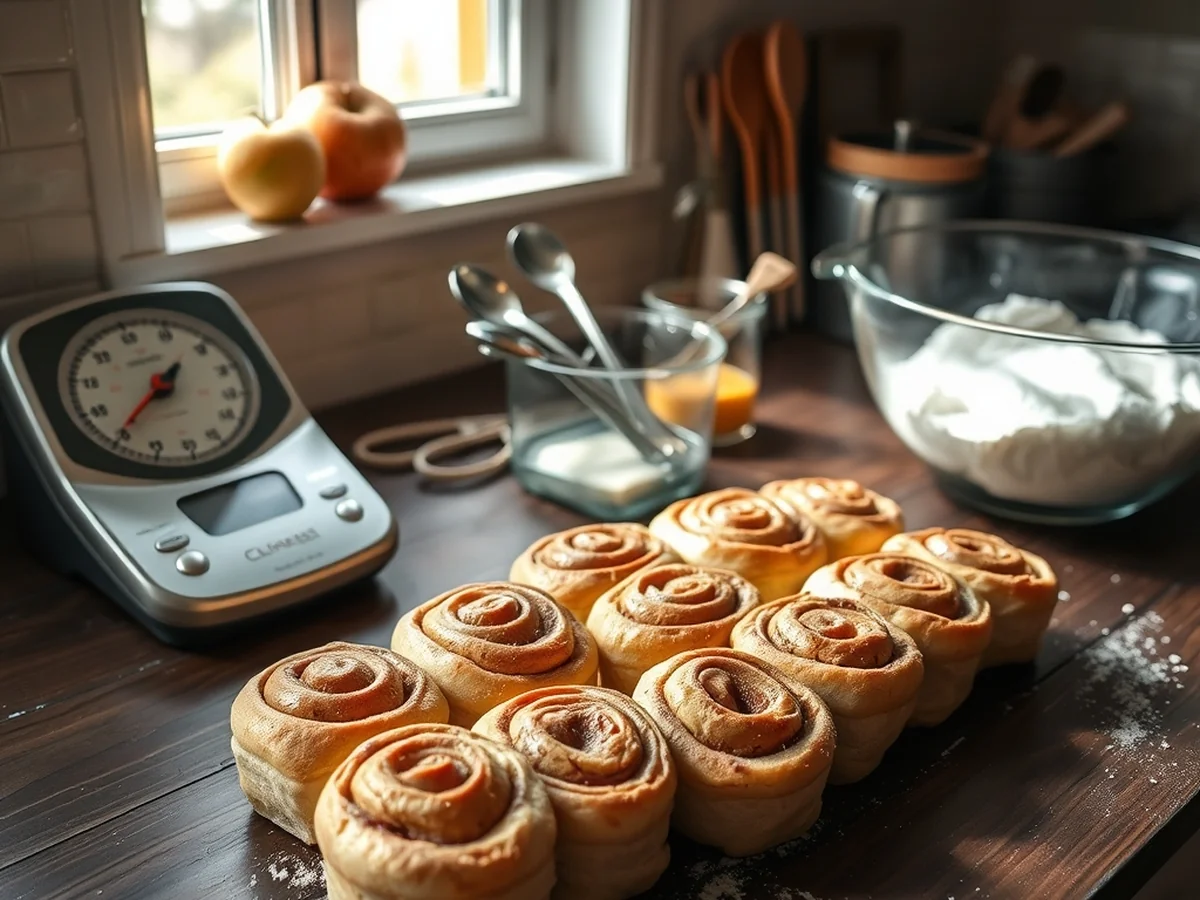
Creating a successful batch of apple spice cinnamon rolls starts with precise measurement and the right kitchen tools before any mixing begins. When preparing a homemade apple cinnamon rolls recipe, controlling your liquid temperatures and measuring dry elements correctly prevents dense or dry dough. Taking time to gather your gear and prep your ingredients ensures the process runs smoothly from start to finish.
You can achieve consistent results by following standard kitchen practices for equipment calibration and ingredient handling:
- Yeast activation requires temperatures between 105 and 115 degrees Fahrenheit, making a baking thermometer an essential tool for success.
- Using a stand mixer equipped with a dough hook attachment helps manage the heavy mixture and supports gluten development.
- Room temperature ingredients are commonly viewed as essential for proper dough emulsification, so bakers typically bring dairy and eggs out of the refrigerator ahead of time.
- All-purpose flour should be measured by weight or using the spoon and level method for accuracy, which prevents packing too much powder into your mixing bowl.
- Granny Smith apples are often preferred for baking because they tend to hold their shape under high heat instead of breaking down completely inside your pastries.
Paying close attention to these details helps avoid common mistakes, such as using liquids that are too hot and kill the yeast, or adding too much flour, which results in a heavy crumb. Utilizing a reliable scale for your dry components guarantees that your dough maintains the ideal hydration level for a soft texture.
Impact of Different Apple Varieties on Moisture Levels
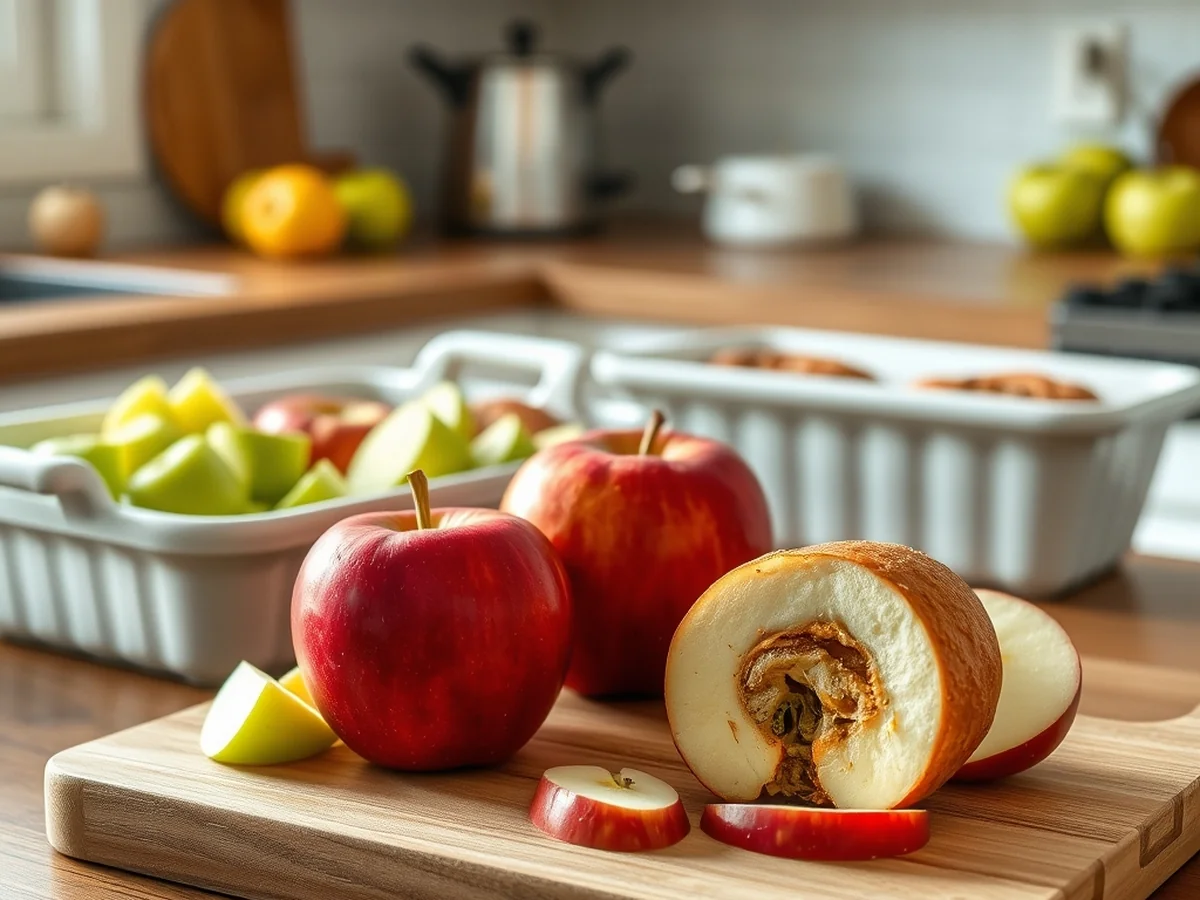
Choosing the right fruit prevents excess liquid from ruining your sweet morning pastries, making it easier to select the best apples for baking cinnamon rolls without ending up with a soggy center. Different fruit cultivars release varying amounts of water as they cook, which directly alters the structure of your dough. When baking homemade apple cinnamon rolls recipe batches, managing this internal moisture ensures the pastry stays tender rather than waterlogged.
| Apple Variety | Moisture Content | Baking Behavior |
|---|---|---|
| Granny Smith | Low to Moderate | Holds firm shape |
| Honeycrisp | Moderate | Softens slightly |
| Fuji | High | Breaks down easily |
Common guidance suggests that Granny Smith apples are preferred for baking because they hold their shape under high heat instead of breaking down into mush. Varieties with higher water content, such as Fuji, release significant liquid into the pan as they cook. This extra fluid interferes with the baking process, preventing the dough from setting properly around the apple filling for cinnamon rolls.
Practical steps help control these natural liquids effectively. Selecting firm cultivars, slicing the pieces evenly, and draining any pooling juices before assembling the tray keeps the center from becoming overly wet. Common mistakes include skipping the sorting stage or choosing overly ripe fruit, which introduces too much free water into the pan. Monitoring how each cultivar behaves under heat ensures your breakfast treats turn out soft yet structurally sound.
Mastering Cinnamon Roll Dough
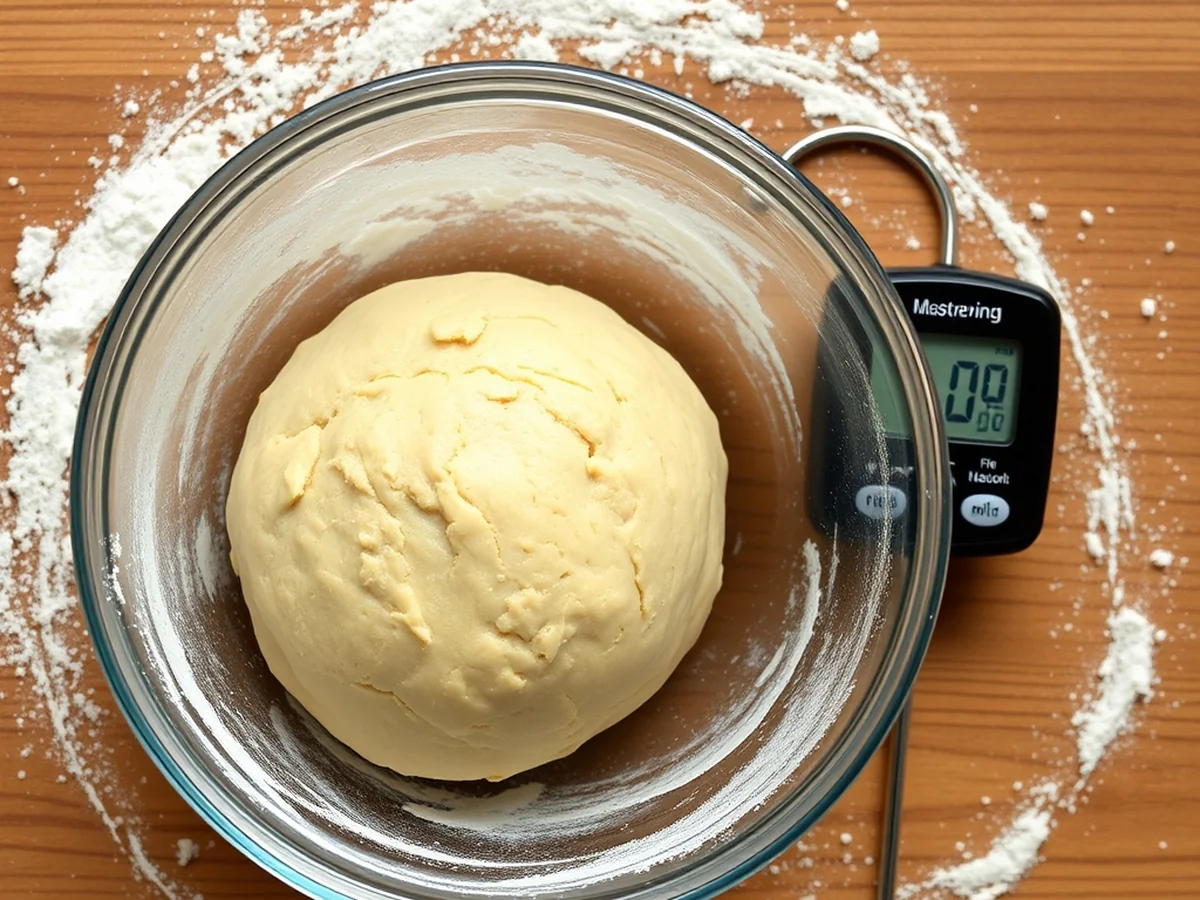
Mastering the dough for apple spice cinnamon rolls begins with careful temperature control and gentle handling to ensure a tender crumb. Yeast activation requires temperatures between 105 and 115 degrees Fahrenheit, according to guidelines from the Exploratorium. Water that is too hot kills the active dry yeast, while cold water leaves the culture dormant and unable to lift the heavy enriched dough properly.
To avoid common pitfalls when preparing your homemade apple cinnamon rolls recipe, pay close attention to your ingredients and mixing technique. Common culinary guidance notes that room temperature ingredients are essential for proper dough emulsification, allowing fats and liquids to blend smoothly without separating. Furthermore, standard practice dictates that flour should be measured by weight or using the spoon and level method for accuracy, preventing the dense texture that results from packing too much flour into the bowl.
Another frequent mistake involves gluten development. Common culinary guidance notes that over-kneading dough leads to a tough texture rather than a soft one, turning a delicate breakfast pastry into a chewy bread. Stop mixing once the dough pulls away from the bowl and feels smooth and elastic under your fingertips.
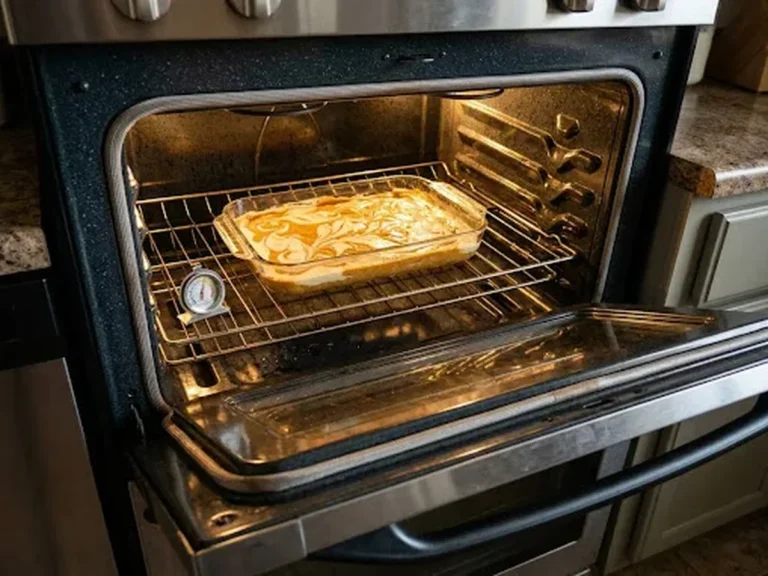
Achieving ideal fluffiness also depends on managing room temperature parameters and utilizing advanced proofing techniques. Bakers often rely on a specialized proof box or a draft-free oven with the light turned on to maintain consistent warmth during the rise. Controlling these ambient factors allows the yeast to produce steady carbon dioxide gas pockets, which translates into an exceptionally light and airy bake. For those looking ahead, rolls can be refrigerated overnight after the first rise for a slow-proof method, according to King Arthur Baking, which develops deeper flavor while fitting easily into a busy morning schedule.
Crafting the Balanced Apple Filling and Spice Blend
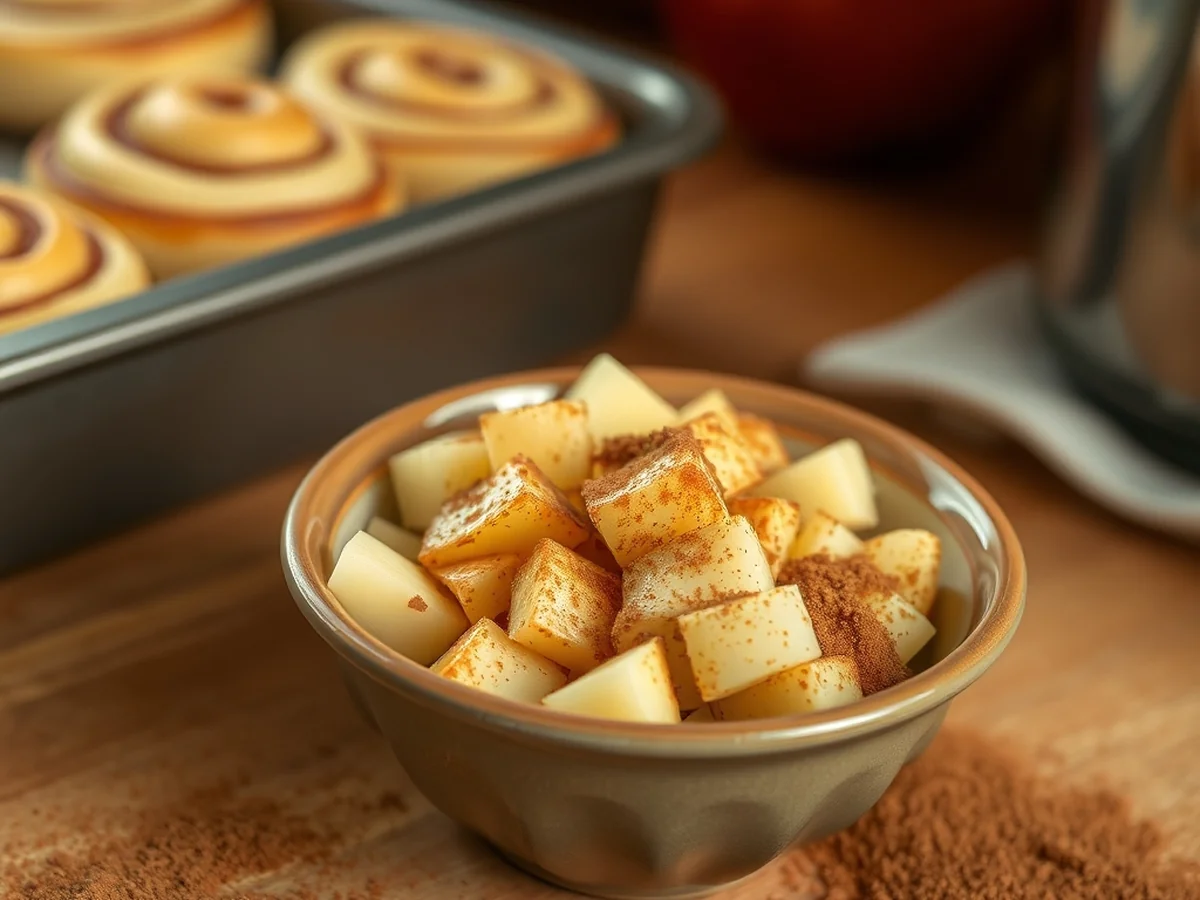
Creating a balanced fruit filling for your homemade apple cinnamon rolls requires careful attention to moisture control and flavor distribution. When preparing your apple filling for cinnamon rolls, the goal is to let the natural sweetness of the fruit shine while supporting a tender pastry that never turns soggy. Common baking guidance suggests selecting firmer fruit varieties, such as Granny Smith apples, because they hold their shape under high heat and provide a pleasant tart contrast to the rich dough. To achieve the best results when making overnight apple spice rolls, thoughtful preparation of both the fruit and the seasonings is essential.
Selecting and Preparing the Fruit
Managing moisture is the most critical step when working with fresh fruit inside yeast dough. Excess liquid can prevent the interior of your apple spice cinnamon rolls from baking correctly, leading to an uneven texture. Common guidance notes that sugar and cinnamon should be mixed thoroughly to prevent clumping in the filling before combining the dry ingredients with the fruit pieces. Additionally, apples should be peeled and diced small to ensure even cooking within the roll, allowing the pieces to distribute uniformly across the rolled dough without weighing down the pastry.
Balancing Flavor and Texture
The seasoning profile relies on combining your chosen sweetener and aromatic spices smoothly so every bite delivers a harmonious blend. To maintain structural integrity during the baking process, consider the following preparation practices:
- Mix your chosen sweetener and ground spices thoroughly in a small bowl before introducing the ingredients to the fruit pieces, which helps prevent unpleasant clumping during assembly.
- Dice the peeled fruit into small, uniform cubes so the pieces distribute evenly across the rolled dough and cook uniformly in the oven.
- Incorporate the ground spices gradually into the dry mixture to ensure every single surface gets an even coating of aromatic flavor.
- Balance the natural fruit acidity by adjusting the amount of sweetener you use, keeping the overall flavor profile bright and harmonious.
- Stir the combined filling components until no dry spice pockets remain visible, creating a smooth texture that grips the dough securely.
Adding Heavy Cream Pour
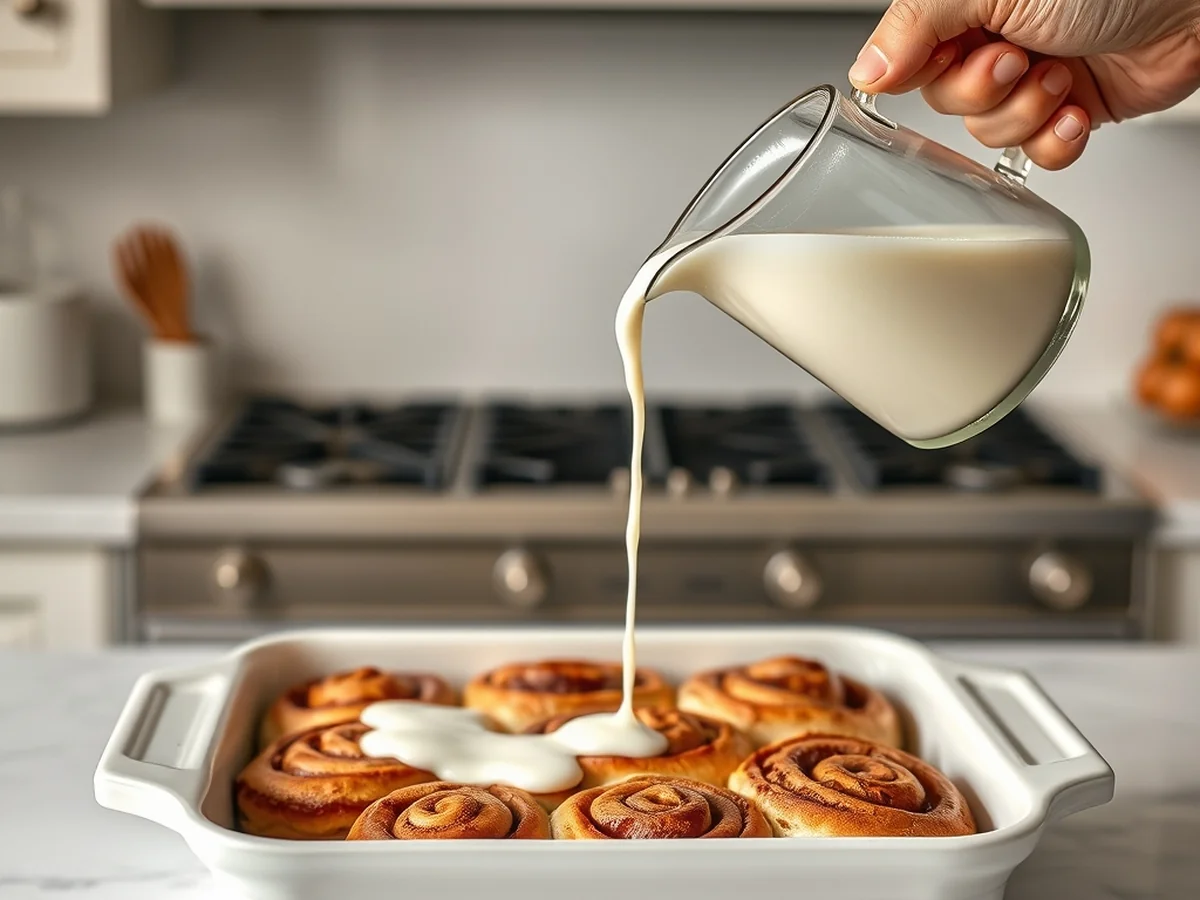
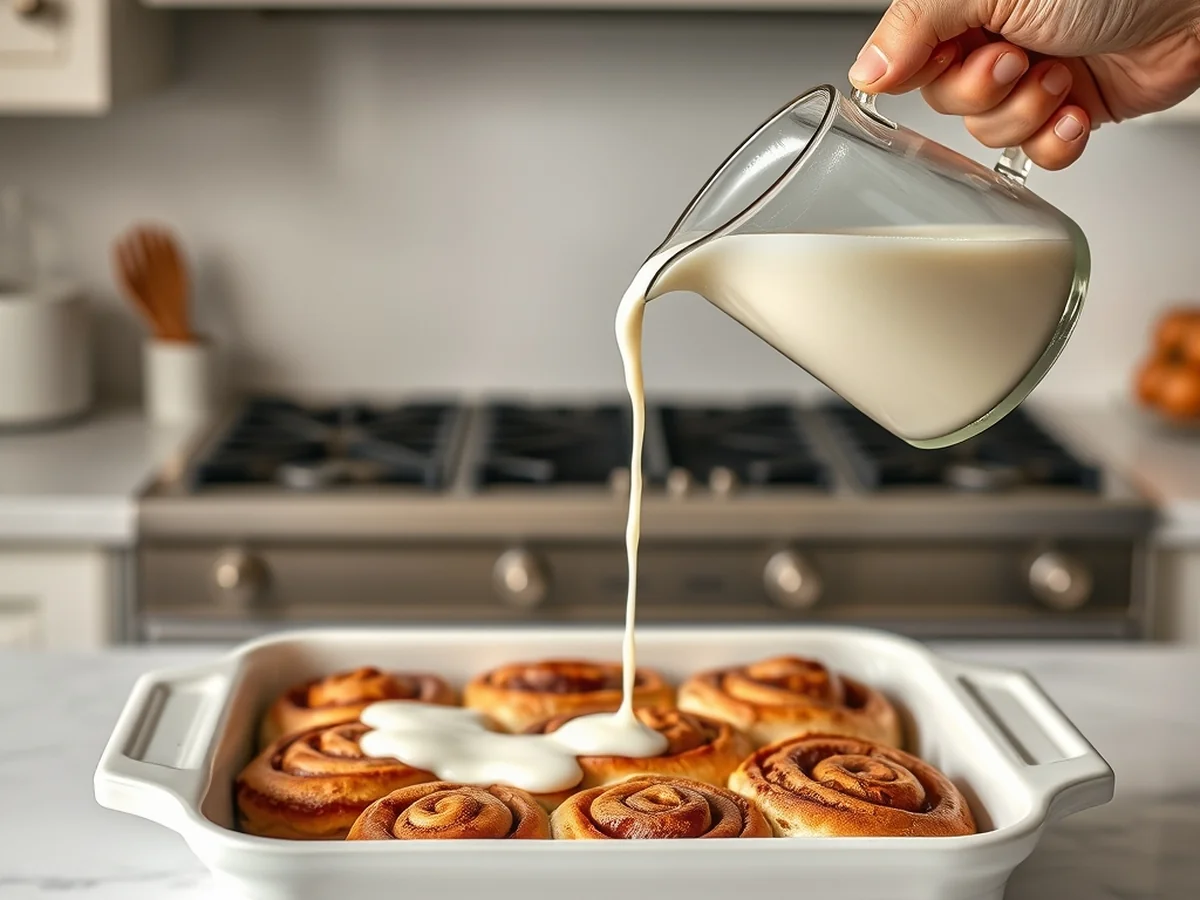
Using the heavy cream cinnamon roll hack transforms a standard batch of homemade apple cinnamon rolls into an exceptionally tender pastry. Common guidance suggests that pouring warm or room temperature dairy over unbaked rolls before they go into the oven increases overall moisture and softness. As the pastry bakes, the liquid pools at the base of the pan to create a self-basting environment, effectively steaming the dough from the bottom up.
The Science of Dairy Enrichment
The science behind this enrichment involves dairy fat and milk proteins interacting directly with yeast doughs during the heating process. The fat coats the gluten strands, which limits excessive tightening and keeps the crumb delicate. Meanwhile, the proteins in the cream absorb excess heat, preventing the exterior of the pastry from drying out too quickly. Common guidance notes that room temperature ingredients are essential for proper dough emulsification when preparing your components.
Practical Steps and Temperature Control
To execute this technique successfully, warm the cream slightly before pouring it over the shaped dough so it does not shock the yeast. Yeast activation requires temperatures between 105 and 115 degrees Fahrenheit, a verified standard that helps maintain optimal microbial activity. A common mistake is using ice-cold dairy straight from the refrigerator, which can lower the temperature of the proofing dough and slow down the final rise.
Application and Common Mistakes
Ensure you pour the liquid around the rolls rather than directly over the center, allowing it to absorb evenly into the pan and create a rich, gooey base as it bakes. This method applies to bakers of varying skill levels who want to elevate overnight apple spice rolls or standard batches without complicating the process. Consistent results depend on careful monitoring, avoiding over-kneading, and ensuring your liquid additions do not compromise the structure of the dough before it enters the oven.
Advanced Dough Proofing Techniques and Overnight Prep
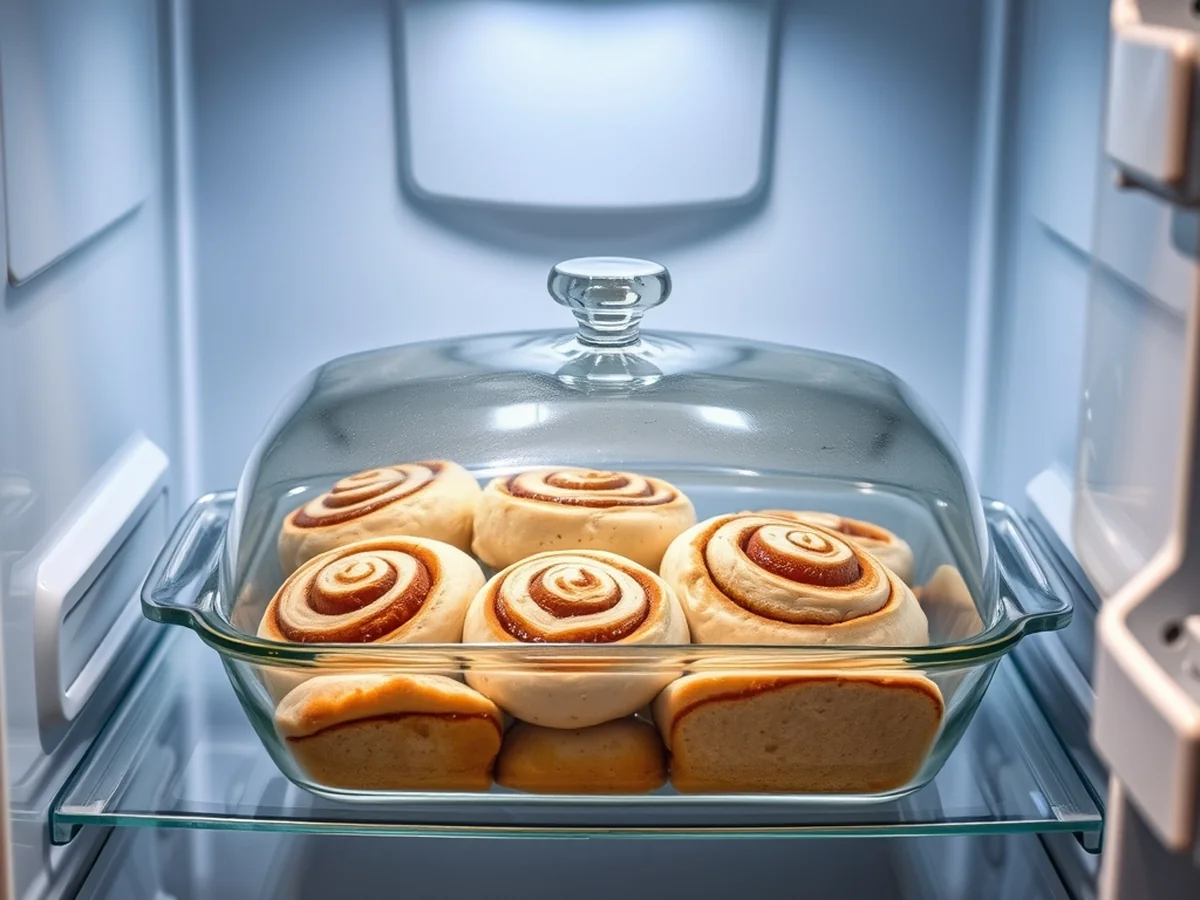
Mastering advanced dough handling allows home bakers to develop deeper flavor profiles while managing morning schedules with total convenience. According to data from King Arthur Baking, rolls can be refrigerated overnight after the first rise for a slow-proof method that significantly improves the overall crumb structure.
The Science of Cold Fermentation
Implementing a cold fermentation strategy transforms standard baking routines by slowing down yeast activity while natural enzymatic processes continue to work on the flour and starches. This extended resting phase builds complex, artisan flavor nuances that rapid same-day rises simply cannot achieve. Bakers gain exceptional schedule flexibility because the dough waits patiently in the cold until you are ready to shape, slice, and bake.
Temperature Control and Ingredient Foundations
Using a slow-proof workflow requires careful attention to timing and temperature control to ensure optimal results every single morning. Achieving proper dough emulsification typically relies on using room temperature ingredients, which allows fats and liquids to integrate smoothly without shocking the yeast. When beginning the mixing stage, remember that yeast activation requires temperatures between 105 and 115 degrees Fahrenheit. Keeping liquids within this precise thermal window ensures a strong initial rise before the dough moves to the refrigerator.
Practical Workflow for Overnight Apple Spice Rolls
Transitioning your baking schedule to an overnight method keeps your morning routine calm and organized. Follow these steps for reliable results:
- Complete the initial bulk fermentation at room temperature until the dough nearly doubles in size.
- Punch down the risen dough gently to release built-up gases before transferring it to a covered container.
- Place the container in the refrigerator overnight to allow the cold fermentation process to develop rich flavors for your homemade pastries.
- Shape the chilled dough the next morning while it remains firm and easy to handle.
- Allow the shaped pastries a brief second rise at room temperature before sliding them into the oven.
- Bake your chilled morning breakfast treat according to standard instructions to achieve maximum height and tenderness.
Baking Temperatures, Timings, and Cream Cheese Frosting Application
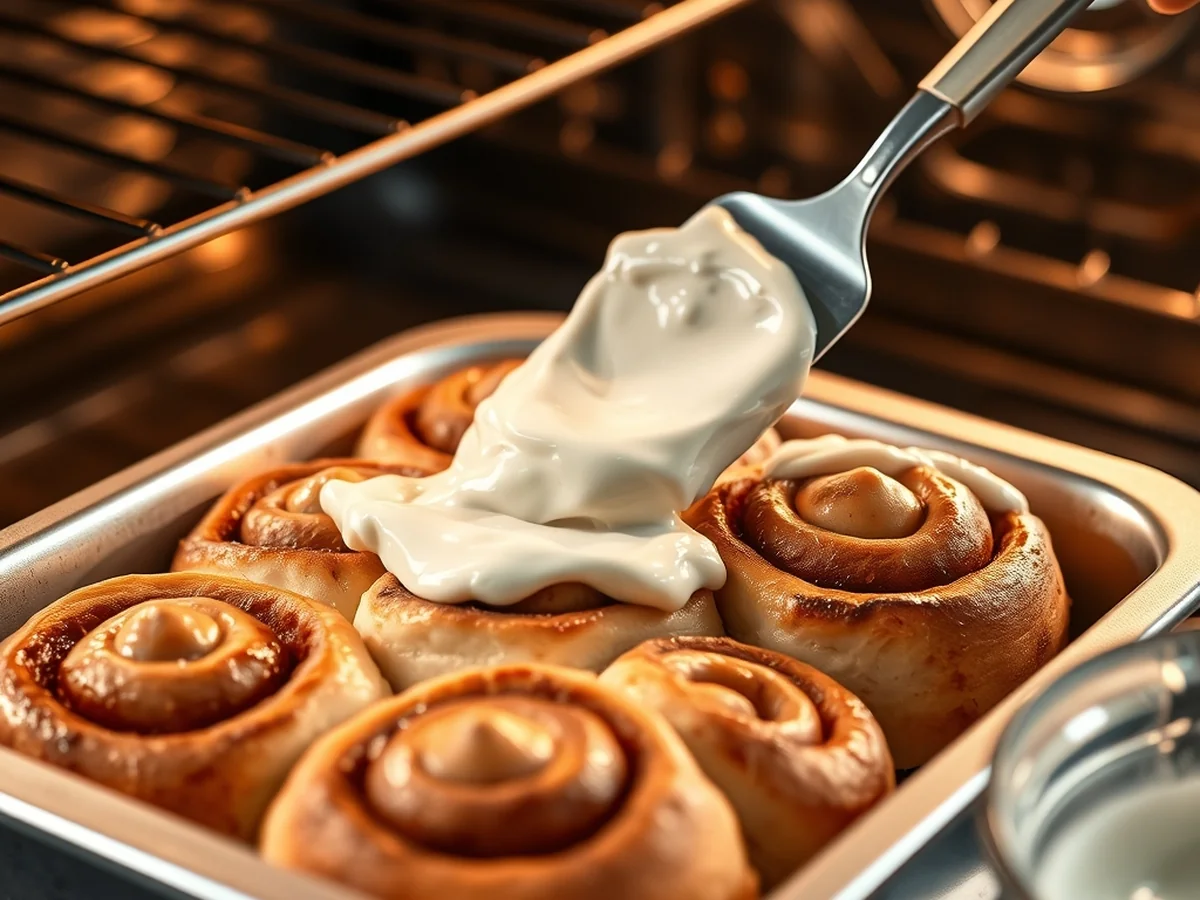
Baking apple spice cinnamon rolls at 350 degrees Fahrenheit is standard for consistent browning in the oven. This moderate heat level allows the dough to rise fully in the center while developing a golden crust on the exterior without burning the fruit sugars inside the filling. Common guidance often points to using Granny Smith apples for baking because they hold their shape well under high heat, ensuring your fruit pieces do not turn to mush before the dough finishes cooking.
Timing and Texture Development
Timing plays a critical role in texture development during the final bake. Watch for the edges to turn light golden brown while the interior remains tender. Pulling the pan too early leaves the center underbaked, whereas leaving it in too long dries out the crumb. To ensure accuracy when measuring dry ingredients like flour for your freshly baked pastries, standard kitchen practice recommends measuring by weight or using the spoon and level method.
Applying Cream Cheese Frosting
Applying cream cheese frosting requires careful attention to the temperature of the pastries. Spreading the rich icing while the rolls are slightly warm allows the frosting to soften and sink slightly into the spirals, creating a balanced flavor profile. Balancing the sweet icing richness with the spiced apple flavors depends on this precise temperature window. If the pastries are too hot, the frosting melts completely into a liquid glaze and loses its creamy texture. Letting them cool just enough preserves the thick consistency while marrying the tang of the cream cheese with the warm fruit and spice notes.
Advanced Prep and Storage Techniques
Home bakers often look for ways to streamline prep work without sacrificing quality. According to King Arthur Baking, rolls can be refrigerated overnight after the first rise for a slow-proof method, which develops deeper flavor profiles and makes morning baking much easier. Another helpful technique often practiced by home bakers involves pouring heavy cream over rolls before baking, which increases moisture and softness as the dairy heats and marries with the dough.
Comprehensive Troubleshooting for Common Baking Challenges
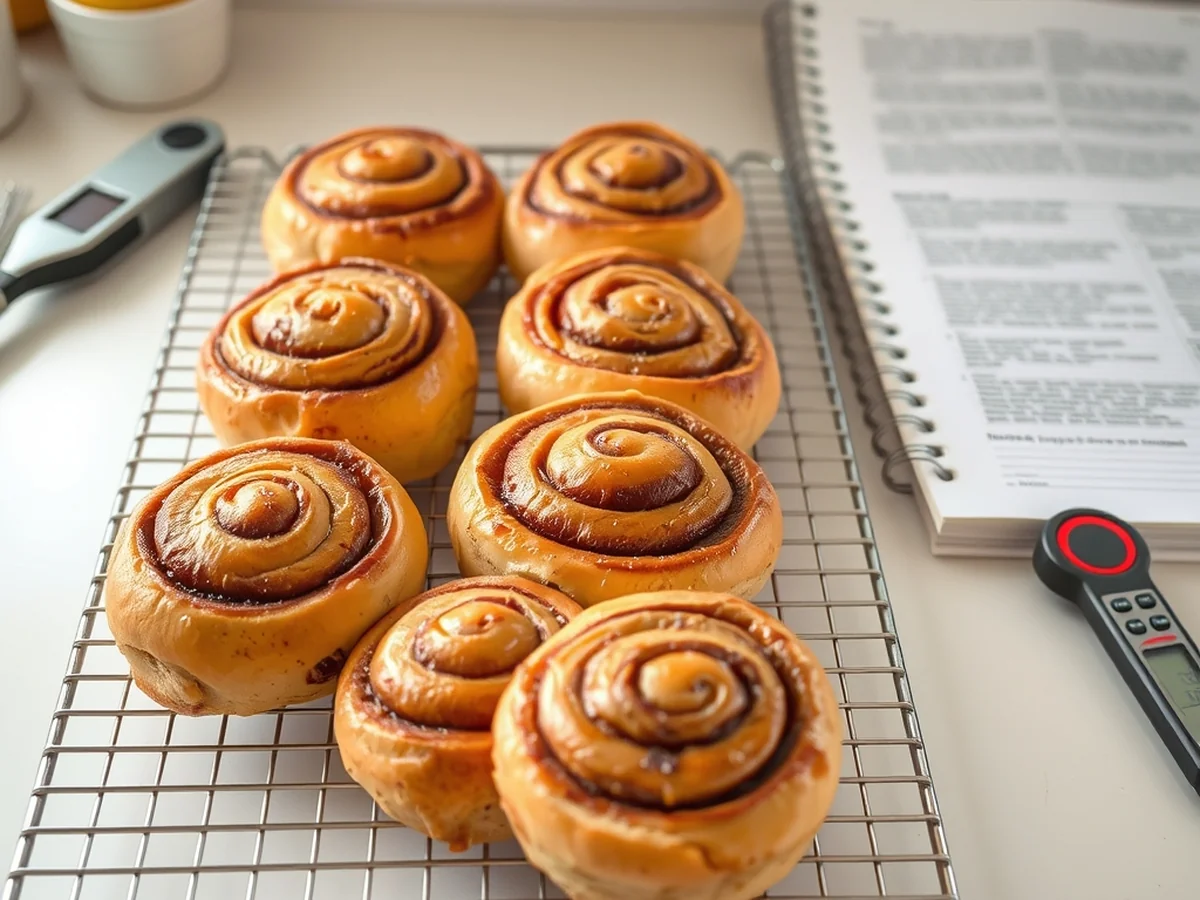
Fixing baking failures requires identifying specific issues with yeast health, ingredient ratios, and environmental factors in your kitchen. When baking sweet fruit pastry batches from scratch, mastering the technical details prevents common structural defects and flavor imbalances.
Yeast Activation and Temperature Control
Yeast activation requires temperatures between 105 and 115 degrees Fahrenheit, according to findings from the Exploratorium. Using a reliable baking thermometer helps prevent liquid from killing your active dry yeast culture or failing to wake it up entirely. Water or milk that is too hot destroys yeast activity instantly, halting the rise before it begins.
Ingredient Ratios and Dough Structure
Achieving the ideal height and tender crumb instead of a flat or rubbery result depends on precise measurements. Common guidance suggests that flour should be measured by weight or using the spoon and level method for accuracy, avoiding the heavy density that comes from scooping cups directly into all-purpose flour. Additionally, standard kitchen practice dictates that room temperature ingredients are essential for proper dough emulsification. If you rely on a stand mixer fitted with a dough hook attachment, remember that over-kneading dough leads to a tough texture rather than a soft one.
Environmental Factors and Proofing Methods
Kitchen humidity and drafts heavily influence how your fruit enriched baked goods develop during fermentation. Home bakers can follow several targeted solutions to correct common errors during preparation:
- Control ambient drafts by letting dough rise inside a turned off oven with the internal light switched on to maintain a stable, warm environment.
- Rely on the verified practice from King Arthur Baking where rolls can be refrigerated overnight after the first rise for a slow-proof method, which improves both flavor and texture.
- Baking at 350 degrees Fahrenheit is standard for consistent browning across your pan without creating hot spots.
- Monitor your oven heat with an external gauge to ensure steady performance, especially when using heavy cream cinnamon roll hack techniques that require precise interior baking control.
Storage, Freezing, and Reheating Instructions
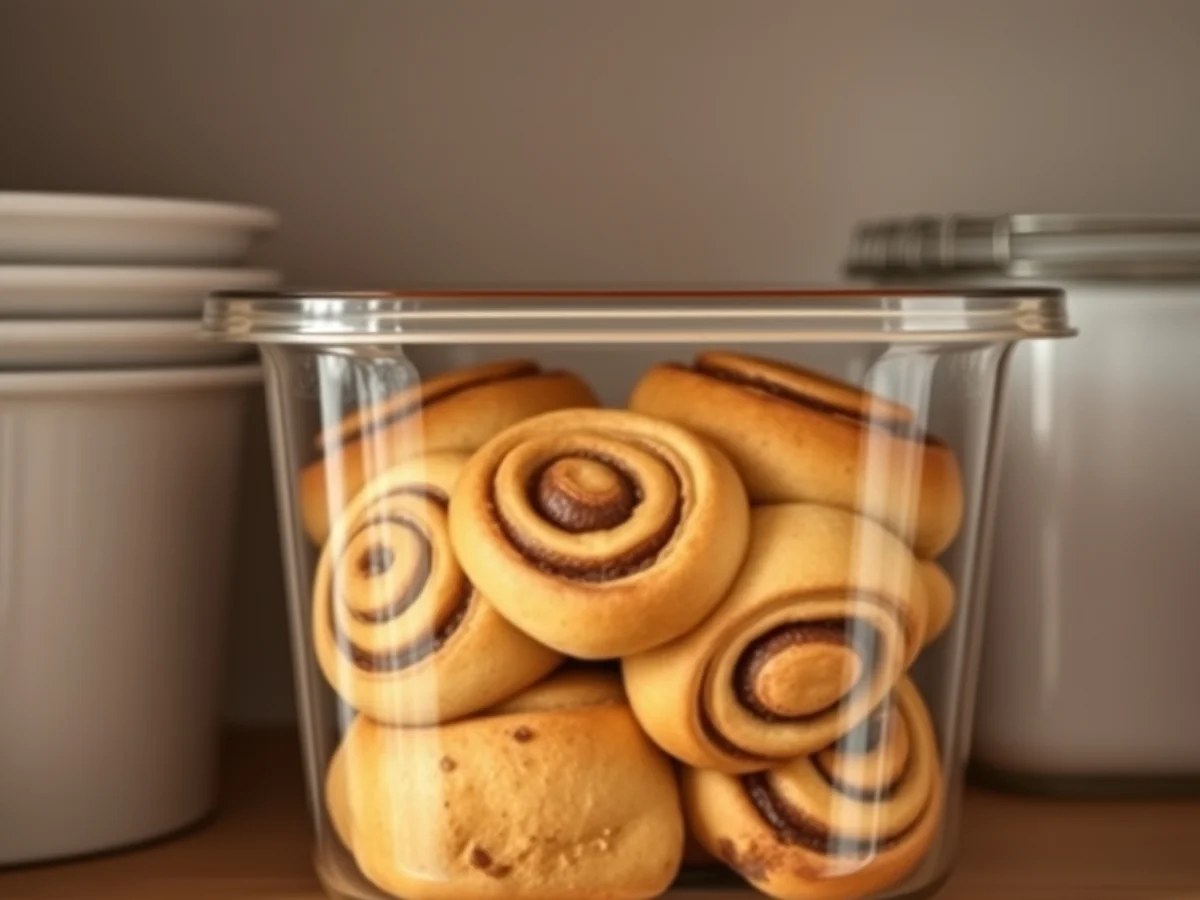
Proper storage methods and precise freezing steps keep your baked goods soft and flavorful for days. You can easily save both unbaked dough and fully baked pastries without losing their delicate crumb structure.
To freeze unbaked treats for later use, assemble the cut pastries in a pan and wrap the dish tightly before the final rise. Place the wrapped pan in the freezer for up to one month. When you are ready to bake them, thaw the pan in the refrigerator overnight, let the dough finish rising at room temperature, and bake as usual.
Short-term storage at room temperature works well when you keep baked pastries in an airtight container to lock in moisture. They will stay fresh on the counter for up to two days. If you need to store them longer, transfer the container to the refrigerator for up to five days.
Reheating baked treats without drying out the crumb requires gentle warmth. Place a single pastry on a microwave-safe plate and cover it with a damp paper towel before heating it for a short burst of twenty to thirty seconds. Alternatively, warm a batch in a low-temperature oven until heated through.
Frequently Asked Questions About Apple Spice Cinnamon Rolls
What is the filling for apple cinnamon rolls?
The filling for apple spice cinnamon rolls typically combines finely diced fruit with sugar and warming spices. Common guidance suggests that tart fruit varieties like Granny Smith work best because they hold their shape during high heat and prevent the pastry from becoming overly mushy. When preparing fresh batches of these treats, bakers often look to the best apples for baking cinnamon rolls to maintain a balanced texture and flavor.
What does pouring heavy cream on cinnamon rolls do?
Pouring heavy cream over rolls before baking increases moisture and softness as the liquid bakes into the dough. This popular baking method creates an exceptionally tender crumb by enriching the pastry from the bottom up. The fat in the cream merges with the sugar and butter during the baking process, resulting in a rich and decadent finish that resembles bakery style pastries.
What temperature is needed to activate yeast for dough?
Yeast activation requires temperatures between 105 and 115 degrees Fahrenheit, according to guidelines from the Exploratorium. Water or milk that is too cold will fail to wake the yeast, while liquid that is too hot will kill it entirely. Using a digital thermometer helps ensure precise results before mixing active dry yeast with your all-purpose flour and other ingredients.
Can dough be prepared in advance for a slow rise?
Rolls can be refrigerated overnight after the first rise for a slow-proof method. This technique allows the dough to develop a richer flavor profile while giving home bakers the convenience of assembling the pastries the day before. When working with prep ahead breakfast pastries, always remember that room temperature ingredients are essential for proper dough emulsification during the initial mixing stage.
What are some common mistakes to avoid when baking?
One major pitfall is over-kneading the dough, which common guidance notes leads to a tough texture rather than a soft one. Another frequent error involves measuring flour incorrectly. Flour should be measured by weight or using the spoon and level method for accuracy rather than scooping directly from the bag with a measuring cup, which packs too much flour into the recipe and creates dry, heavy pastries.
Conclusion and Final Baking Encouragement
Achieving a bakery quality texture relies entirely on precise measurements, proper yeast temperatures, and deliberate ingredient handling. Bakers who take the time to measure flour accurately and manage their rise times will consistently produce tender results. Grab your baking supplies, select firm fruit, and try baking a fresh batch of apple spice cinnamon rolls this weekend.
Sources: exploratorium.edu
You might also like: Homemade Maple Apple Butter Recipe: Cozy Fall Spread