Pecan Caramel Rum Cake: Decadent Holiday Dessert
Introduction to Pecan Caramel Rum Cake
A pecan caramel rum cake serves as a rich centerpiece for holiday gatherings and special celebrations. This decadent dessert combines toasted pecans, buttery caramel sauce, and dark rum into a moist crumb baked inside a traditional bundt pan.
Home bakers will find clear guidance on ingredient preparation and baking steps to achieve a flavorful homemade cake. The following sections outline the necessary components and method for preparing this festive treat from scratch.
Pecan Caramel Rum Cake Ingredients
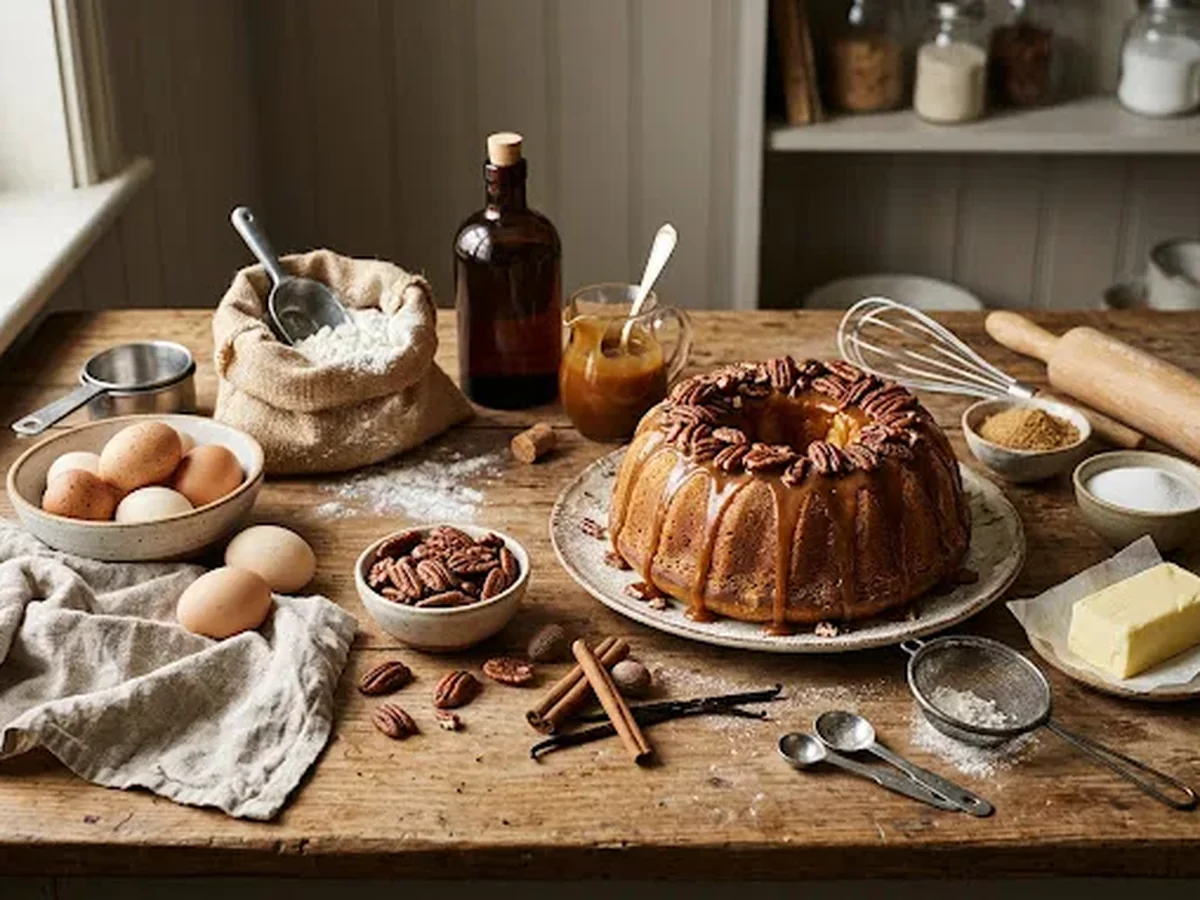
Baking a successful holiday dessert or special occasion treat requires selecting reliable core pantry staples that provide structure, moisture, and rich flavor. Quality components make a significant difference in the final texture and taste of your homemade dessert. When preparing a traditional butter pecan rum bundt cake recipe, understanding why each item matters helps you achieve optimal results in your own kitchen.
Here are the essential baking components you need to prepare this festive dessert:
- Reliable all-purpose flour forms the structural base for the batter, ensuring the crumb remains tender yet sturdy enough to hold heavy mix-ins.
- Fresh unsalted butter adds rich dairy flavor while allowing precise control over the overall salt content in the batter.
- Packed brown sugar introduces moisture and deep molasses notes that complement the nutty profile of the pecans and the warmth of the dark rum.
- Crunchy pecans provide textural contrast and a toasted nutty flavor that distributes evenly throughout the bundt pan.
- A generous pour of dark rum infuses the batter and the soaking glaze with a bold, aromatic spirit profile.
- Sweet caramel sauce creates a decadent coating and a sticky finishing touch when drizzled over the inverted cake.
To ensure your caramel pecan cake recipe turns out perfectly, paying attention to ingredient preparation and storage is just as important as measuring correctly. Home bakers often make common mistakes such as using cold dairy items straight from the refrigerator, which prevents the batter from emulsifying properly. Bringing your butter and other refrigerated components to room temperature before mixing ensures a smooth, uniform batter that rises evenly.
Another frequent pitfall involves skipping the step of toasting your nuts before adding them to a rum pecan pound cake recipe. Taking a few extra minutes to lightly toast your pecans unlocks deeper natural oils and enhances the overall flavor profile of the dessert. Additionally, investing in fresh dry goods ensures your baked goods rise properly and taste their absolute best, preventing old pantry items from altering the delicate balance of your coconut pecan rum cake.
Selecting Rum and Pecans
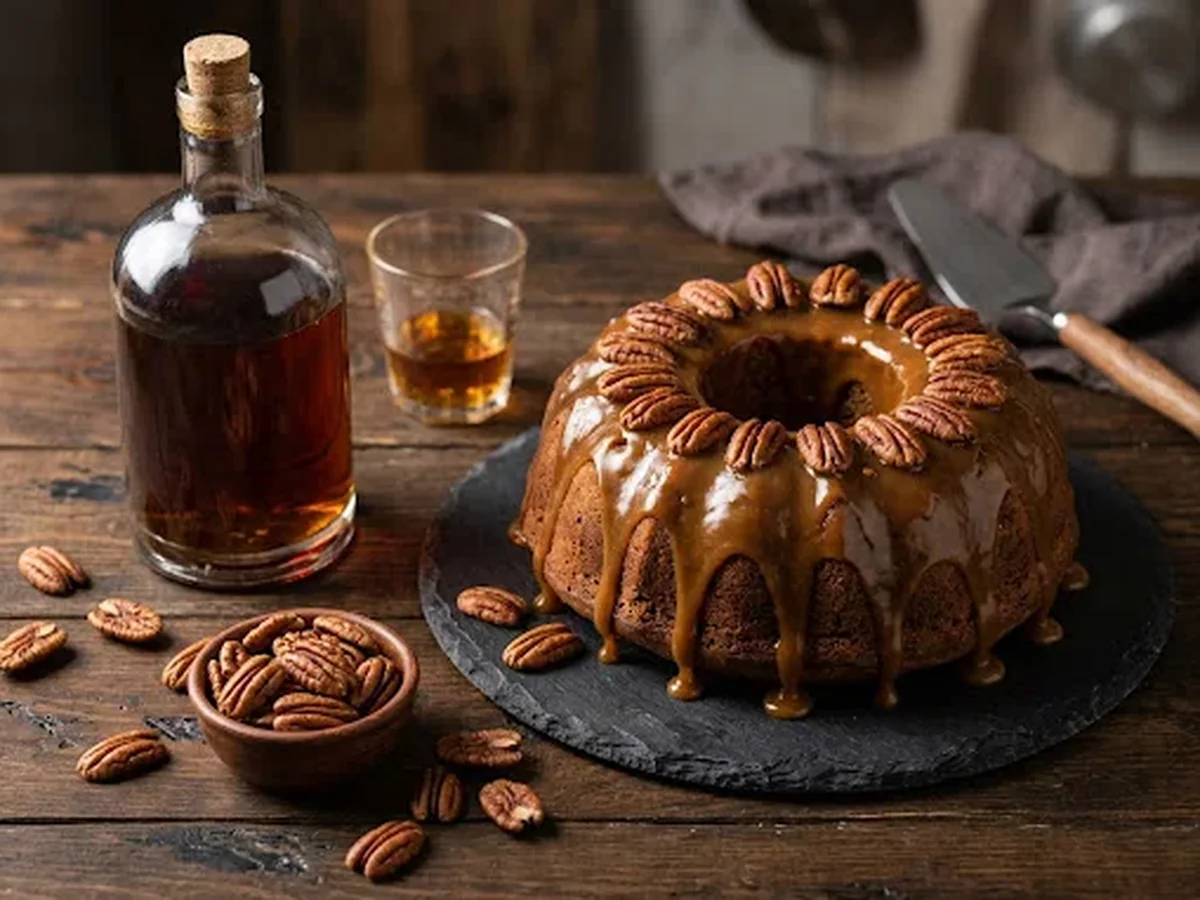
Choosing the right ingredients starts with picking quality nuts and spirits that complement the rich flavor profile of a pecan caramel rum cake. These key components provide the signature crunch and aromatic depth that define this festive dessert, transforming a simple bake into a standout centerpiece.
Choosing Quality Pecans
Pecans bring a buttery flavor and a satisfying crunch that contrasts with the soft crumb of the cake. Raw varieties offer a blank canvas because they let you control the level of toastiness during preparation. Toasting the nuts beforehand releases their natural oils and deepens their nutty flavor, while chopping them to a uniform size ensures they distribute evenly throughout the batter and stick securely to the caramel sauce in the bundt pan.
A common mistake when handling nuts is skipping the toast step or chopping them too finely, which turns them into dust rather than providing texture. Aim for consistent medium-sized pieces so every slice of your butter pecan rum bundt cake recipe delivers an equal balance of softness and crunch.
Selecting the Right Spirit
Spirits add a distinct warmth and aromatic complexity that elevates simple baked goods. Dark rum works best for this purpose because it carries robust molasses and caramel notes that blend seamlessly with brown sugar, unsalted butter, and all-purpose flour. Aged varieties provide a smoother profile with hints of oak and vanilla, which prevent the alcohol taste from overpowering the sweetness of the dessert.
When selecting your bottle for a caramel pecan cake recipe, avoid overly cheap or harsh cooking spirits that lack depth. The flavor concentrates as the dessert bakes and soaks up the glaze, so a pleasant aroma straight from the bottle translates directly to a better final taste in your rum pecan pound cake recipe.
Balancing Flavors
Home bakers often explore variations like a coconut pecan rum cake, but the core balance of nuts and rum remains the foundation of a successful bake. Matching the aromatic notes of the spirit with the natural oils of the nuts creates a cohesive flavor profile that supports the heavy sweetness of the glaze without feeling heavy or overwhelming on the palate.
Mastering the Caramel Pecan Cake Recipe
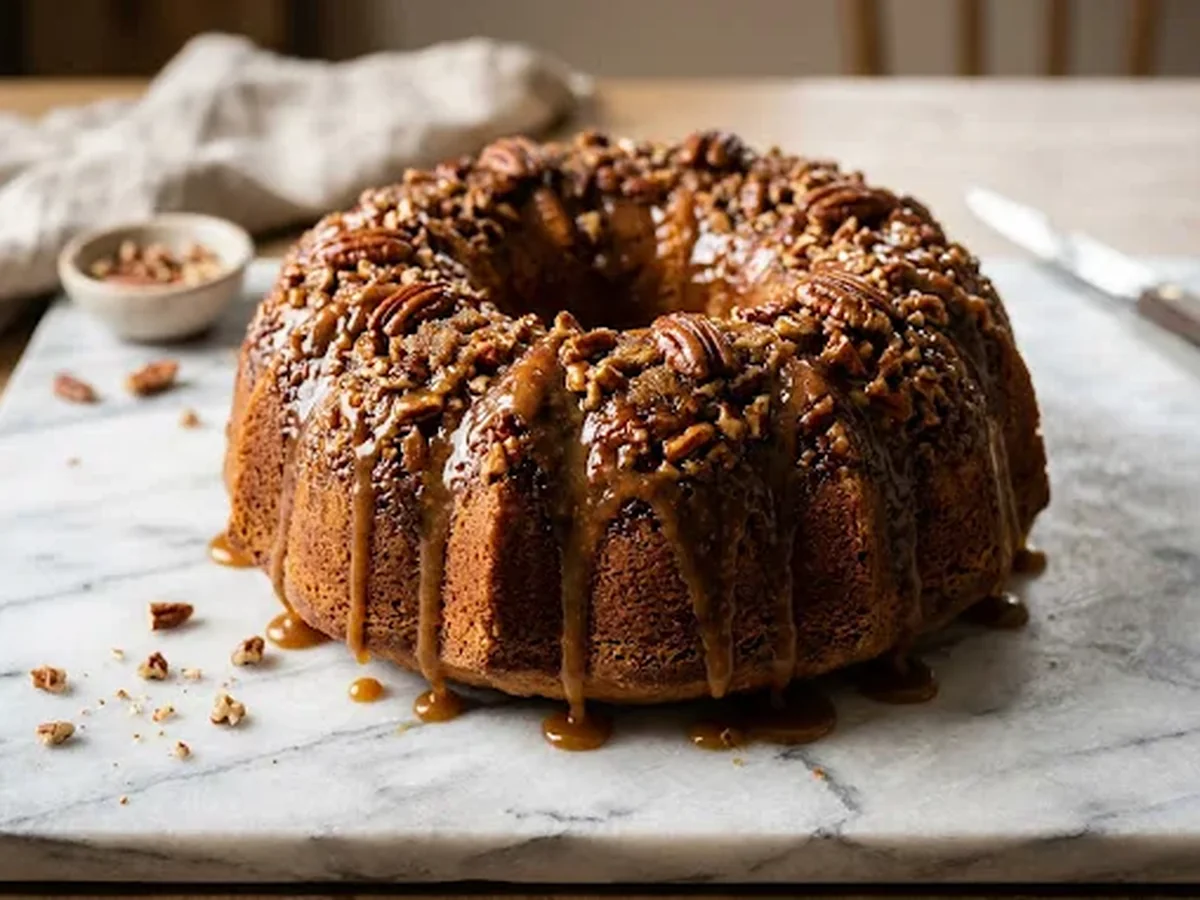
Preparing sugary elements for a rich holiday dessert involves melting brown sugar and unsalted butter together until they blend into a smooth base. Home bakers frequently line their bundt pan with chopped pecans and drizzle this sweet mixture right along the bottom before adding the batter. This foundational step ensures every slice delivers a balanced ratio of nuts and rich coating once inverted onto a serving platter. Managing each phase carefully helps home bakers and dessert enthusiasts achieve a professional finish during holiday or special occasion baking.
Building the Batter Foundation
Incorporating sugar correctly ensures the crumb stays tender while holding up against heavy mix-ins. Creaming the butter and sugars together traps tiny pockets of air, which helps the batter rise properly in the oven without becoming overly dense. Managing the mixing duration prevents the gluten in the all-purpose flour from overdeveloping, which keeps the texture light and pleasant. When executing a traditional butter pecan rum bundt cake recipe, paying close attention to these structural details prevents common pitfalls like heavy centers or uneven crumb structures.
Temperature control matters significantly when combining wet and cold ingredients into the creamed mixture. Adding eggs one at a time helps maintain a stable emulsion, preventing the batter from curdling. Sifting dry ingredients together before incorporation distributes leavening agents evenly throughout the bowl, ensuring uniform rise across every portion of the cake.
Crafting the Sweet Glaze
Achieving the ideal sweet glaze requires balancing sugar, butter, and dark rum over gentle heat until the liquid thickens properly. Monitoring the temperature prevents the mixture from turning hard or grainy as it cools. A common mistake involves boiling the glaze too rapidly, which separates the fats and ruins the smooth consistency required for a proper finish. Whether preparing a coconut pecan rum cake or a classic rum pecan pound cake recipe, patience with the stovetop reduction phase guarantees superior mouthfeel.
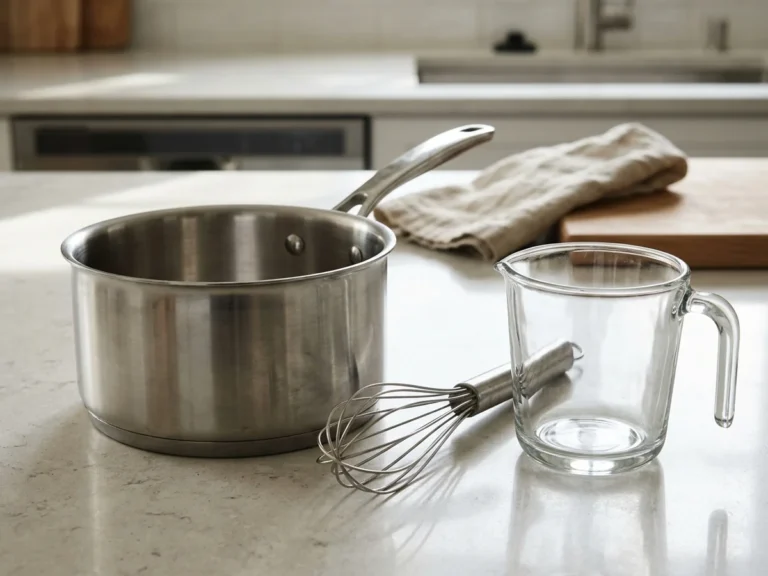
Whisking continuously while the components melt together keeps the sugars from scorching at the bottom of the pan. Maintaining a low flame allows the alcohol from the dark rum to mellow properly while blending seamlessly with the dairy fats. Rushing this step often leads to a greasy separation that fails to cling to the baked surface.
Setting and Serving the Dessert
Pouring this glossy coating over the baked dessert allows the liquid to seep into the edges and coat the nuts completely. Allowing the dessert to cool slightly before adding the final layer helps the glaze cling to the surface without melting away. Patience during the cooling and setting phases guarantees that your dessert maintains its structural integrity and visual appeal when served to guests.
Inverting the bundt pan at the correct moment requires equal parts confidence and timing. Allowing the hot pan to rest briefly on a wire rack lets gravity assist the release without tearing the delicate crumb structure against the metal. Once un-molded, letting the dessert reach room temperature allows the internal sugars to firm up, creating clean slices that showcase the embedded nuts and rich syrup layers.
Baking a Nutty Rum and Caramel Pastry
Creating a pecan caramel rum cake requires careful attention to ingredient temperatures, mixing techniques, and timing. Home bakers and dessert enthusiasts often seek out holiday or special occasion baking projects that reward patience with an impressive presentation. Achieving professional results at home starts long before the batter goes into the oven, requiring a steady, methodical approach to each stage of preparation.
Mastering the Foundation and Emulsification
Achieving a rich dairy blend starts with creaming room temperature unsalted butter and brown sugar until the mixture becomes pale and fluffy. This mechanical process incorporates tiny air pockets that expand during baking, laying the groundwork for a velvety mouthfeel. Patience with the mixer at this stage dictates the ultimate rise and structure of your baked treat, making it essential before adding any other components.
Adding eggs one at a time ensures proper emulsification with the fats. Cold ingredients can cause the batter to break, so keeping dairy components at an even ambient temperature prevents curdling and protects the eventual texture. A common mistake here is rushing the process by dumping all the eggs in at once, which introduces too much liquid too quickly and ruins the smooth consistency required for a successful dessert.
Developing Tender Structure and Distributing Mix-Ins
Developing a tender crumb structure relies heavily on measuring all-purpose flour accurately and avoiding overmixing once the dry ingredients join the bowl. Too much agitation activates excess gluten development, which turns a soft dessert into a dense loaf. Practical steps to avoid this include folding the flour gently with a spatula rather than running a heavy electric mixer at high speed.
Folding in chopped pecans and dark rum at the final stage distributes flavor evenly without defusing the trapped air. Pouring the finished batter into a well-greased bundt pan guarantees clean release and preserves the intricate exterior details. If you are exploring variations like a tropical twist incorporating coconut, make sure any additional mix-ins are chopped finely so they do not sink to the bottom of the pan during baking.
Baking, Testing, and Finishing Touches
Drizzling warm caramel sauce over the cooled dessert adds moisture and completes the flavor profile. Baking until a wooden pick inserted near the center comes out clean ensures the interior remains fully set yet exceptionally tender. A frequent error in this final stage is attempting to invert the pan while the dessert is still piping hot, which often leads to structural breakage instead of a clean, beautiful presentation for your finished pastry. Letting the pan cool for a designated interval helps the crumb stabilize, ensuring a smooth release every time.
Exploring Coconut Pecan Rum Cake Variations
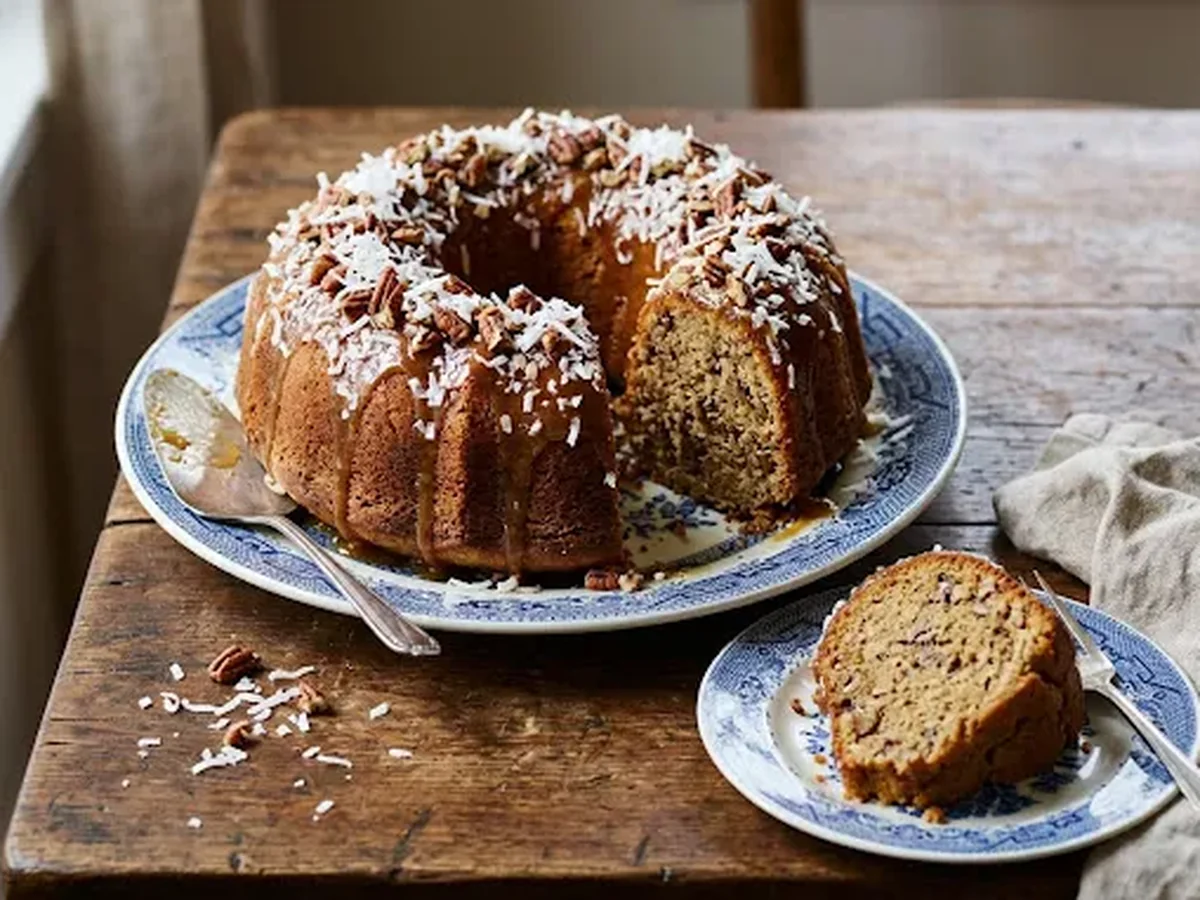
Bakers often look for ways to customize a traditional dessert featuring tropical fruit and nuts by introducing subtle flavor twists or adjusting the texture. While the base of the dessert relies on pantry staples like all-purpose flour, unsalted butter, and brown sugar, creative variations allow you to tailor the sweetness and richness to your personal preference. When preparing a pecan caramel rum cake or a baked confection flavored with nuts and rich spirits, small adjustments to the mixing process or the baking pan can change the final crumb structure and overall moisture level. Home bakers and dessert enthusiasts looking for holiday or special occasion baking recipes can easily adapt these foundational elements to suit different gatherings.
Adjusting Batters and Mix-Ins
One practical step when modifying a sweet nut dessert is to consider how different add-ins affect the batter. Folding finely chopped nuts or shredded coconut directly into the mixture distributes the ingredients evenly. This technique prevents heavy mix-ins from sinking to the bottom of the bundt pan during baking. It also ensures that every slice delivers a balanced combination of nutty crunch, sweet caramel, and dark rum undertones. If you prefer a denser texture similar to a heavy loaf style infused with nuts and spirits, paying close attention to the structural ratios of your dry and wet components is essential.
Avoiding Common Liquid Balance Mistakes
A common mistake during experimentation is altering the ratio of liquid ingredients without adjusting the dry components. Adding extra caramel sauce or additional liquids can make the batter too dense, preventing the cake from rising properly in the pan. To avoid this, keep the foundational proportions of flour and butter stable, and introduce extra flavors through infused syrups or a rich glaze applied after baking. Understanding how moisture interacts with your leavening agents keeps the crumb tender without sacrificing the rich profile expected from this style of dessert.
Toasting Nuts for Depth
Another area to watch is the toasting of the nuts. While raw pecans soften during baking, toasting them beforehand deepens their natural flavor profile and adds a satisfying contrast to the soft crumb. Take care not to over-toast the nuts before they enter the oven, because the extended baking time inside the batter can cause them to turn bitter. By paying attention to these details, you can successfully adapt your favorite holiday dessert while maintaining the structural integrity and rich taste expected from a classic baked treat.
Baking a Rich Pecan and Nut Cake
Creating a dense crumb and sturdy structure requires a specific balance of fats, sugars, and mixing techniques. Achieving this result relies on methods that differ significantly from standard light cakes.
A dense crumb starts with thorough creaming of butter and sugar. This process beats tiny air pockets into the mixture, which expand gently during baking rather than rising rapidly. The batter remains thick and heavy, ensuring the finished dessert holds its shape well when sliced.
Standard cakes often rely on chemical leaveners like baking powder or baking soda to achieve a high rise and an airy, sponge-like texture. Pound style bakes typically minimize or omit these agents entirely, depending instead on mechanical leavening from the creaming method and whole eggs to build a compact interior.
Heavy bakes also demand careful flour incorporation. Overmixing develops gluten networks that make the dessert tough, while undermixing creates pockets of uneven texture. Bakers fold the flour in gently just until combined, maintaining the thick batter consistency needed for a heavy, satisfying slice.
Moisture control plays a major role in achieving the signature texture of a pecan caramel rum cake. Using high-fat dairy and incorporating liquid flavorings slowly prevents the emulsion from breaking, keeping the interior tender despite its dense weight.
Structural differences become obvious when comparing this style to traditional layer cakes. Standard desserts prioritize height and fluffiness to support heavy frostings between tiers. A rich pound style treat focuses on a tight, fine grain that absorbs rich glazes and caramel sauces without getting soggy.
Baking times are generally much longer at moderate temperatures to cook the dense center thoroughly without burning the exterior. This slow baking process sets the heavy crumb firmly, giving you a decadent holiday dessert that pairs wonderfully with warm drinks and festive gatherings.
Finishing Touches with Caramel Sauce
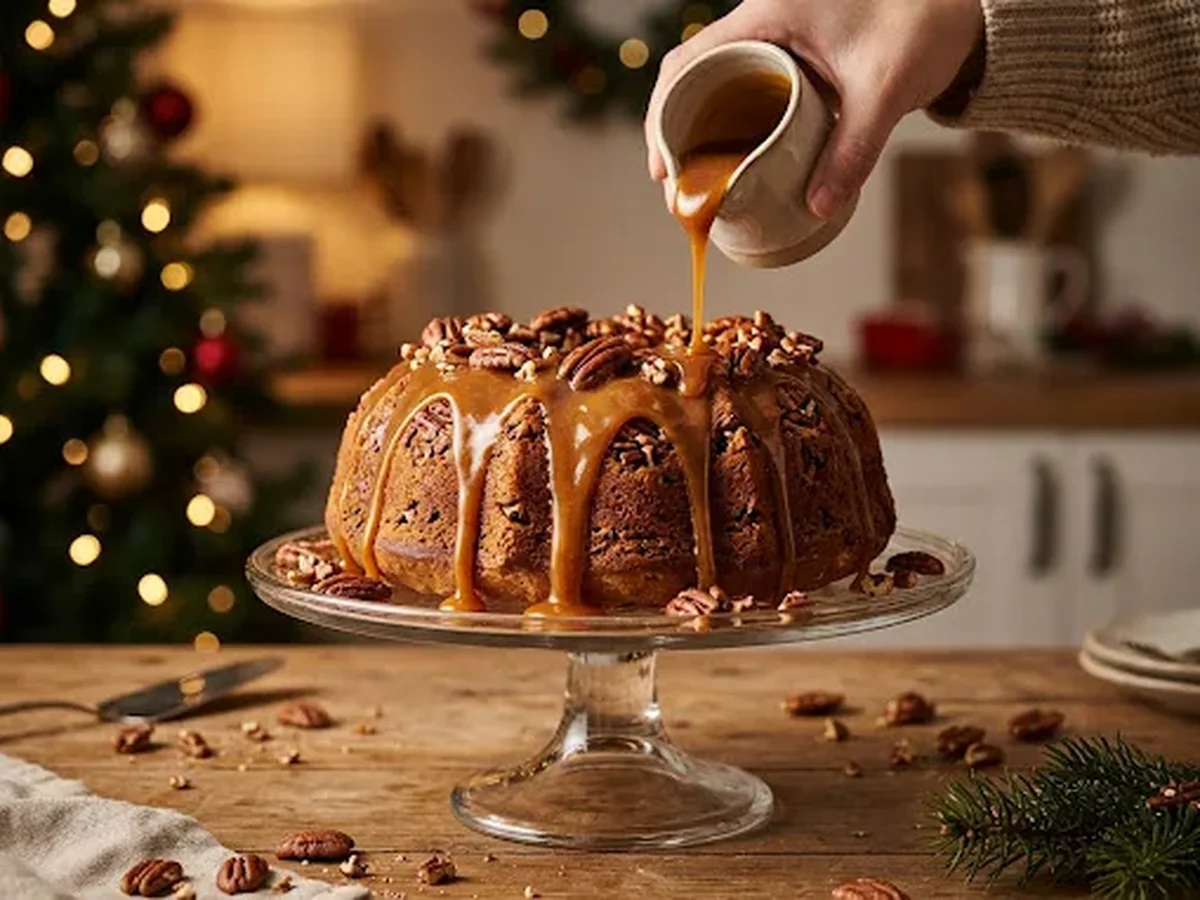
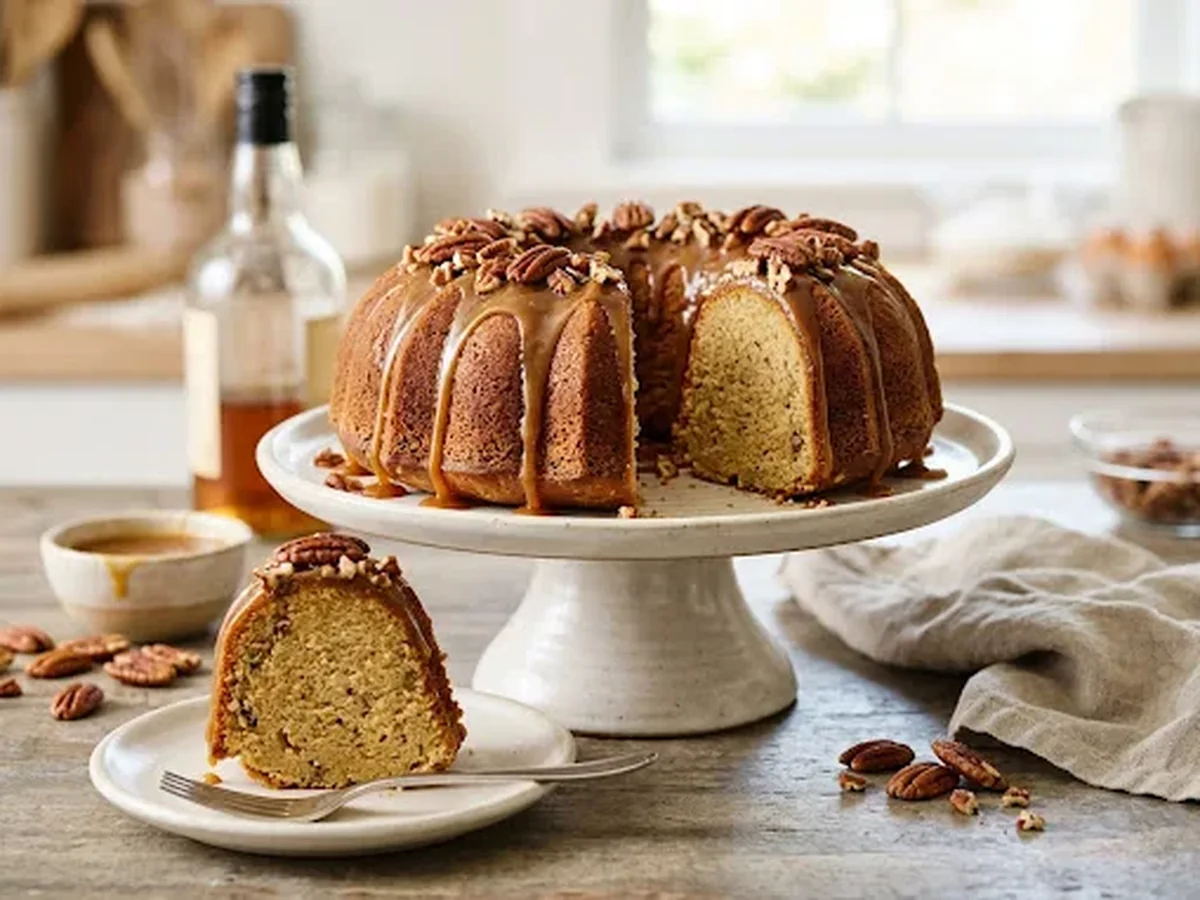
Properly drizzling and coating the exterior of your holiday dessert requires a balance of timing, consistency, and technique. When preparing a pecan caramel rum cake, pouring the sweet topping over the baked good before it cools completely causes the glaze to melt away too quickly. Waiting until the dessert reaches room temperature ensures the rich liquid sticks to the surface without pooling awkwardly at the base. This patience is especially important when working with a traditional ring shaped dessert baked in a fluted mold, as the distinctive shape of the bundt pan provides grooves and ridges that catch the glaze.
Control the flow of the caramel sauce by using a spoon or a piping bag with a small tip. Moving in a steady zigzag motion across the top allows the mixture to cascade down the sides in neat ribbons. Gentle wrist movements help guide the drips evenly over every ridge, creating a polished look that highlights the structure of the cake. If you are preparing a tropical nut flavored variation or a similar sweet confection featuring toasted nuts, this controlled pouring method prevents heavy buildup in one spot and ensures an even distribution of sweetness in every bite.
Letting the glaze set properly transforms a sticky surface into a stable, glossy finish that resists smudging when sliced. Allowing the coated dessert to rest undisturbed at room temperature for a short period helps the sweet layer firm up naturally. Placing the treat in a cool room speeds up this setting process if your kitchen tends to stay warm. For a dense baked good packed with crunchy nuts and dark spirits, this resting phase also allows the deep flavors of the dark rum, brown sugar, and unsalted butter to meld thoroughly with the crunchy pecans scattered throughout the crumb.
Avoid rushing this cooling phase by putting the hot cake directly into a refrigerator. Sudden temperature shifts can cause condensation to form under the glossy coating, ruining the texture and making the exterior unpleasantly wet. Giving the dessert adequate time to adjust to ambient temperatures before applying the final touches ensures a clean presentation that looks appetizing for your guests. Careful attention to these details elevates a simple homemade bake into a striking centerpiece for any special occasion or seasonal gathering.
Frequently Asked Questions About Baking Rum Cakes
How do you store a pecan caramel rum cake so it stays moist?
Store your dessert in an airtight container at room temperature for a couple of days. You can also refrigerate it for up to a week if you prefer a firmer texture.
Can you freeze this dessert for later?
Wrap the baked treat tightly in plastic wrap followed by aluminum foil before placing it in the freezer. It keeps well for a few months when properly protected from freezer burn.
What should you do if the cake sticks to the bundt pan?
Let the baked dessert cool in the pan for ten minutes before attempting to invert it onto a wire rack. Tapping the sides gently can help release the edges if they cling.
How can you fix a dry texture in your bake?
Poke small holes into the top of the finished treat and brush or drizzle extra liquid over the surface. This adds needed moisture back into the crumb.
Is dark rum required for the glaze?
Dark rum provides a deep flavor profile, but spiced rum works well if you want a sweeter note. You can also substitute rum extract mixed with water or apple juice for an alcohol free option.
Conclusion and Serving Suggestions
Bring this baking journey to a close by letting the dessert cool completely before turning it out of the pan. Drizzle the homemade caramel sauce over the top and scatter toasted pecans across the glaze for a stunning holiday finish. Slice generous portions of your sweet spiced dessert to serve alongside simple coffee or tea. Your guests will love the rich flavor combination.
You might also like: Homemade Maple Apple Butter Recipe: Cozy Fall Spread