Light and Fluffy Fruit and Maple Buttermilk Dutch Baby Pancake
Introduction
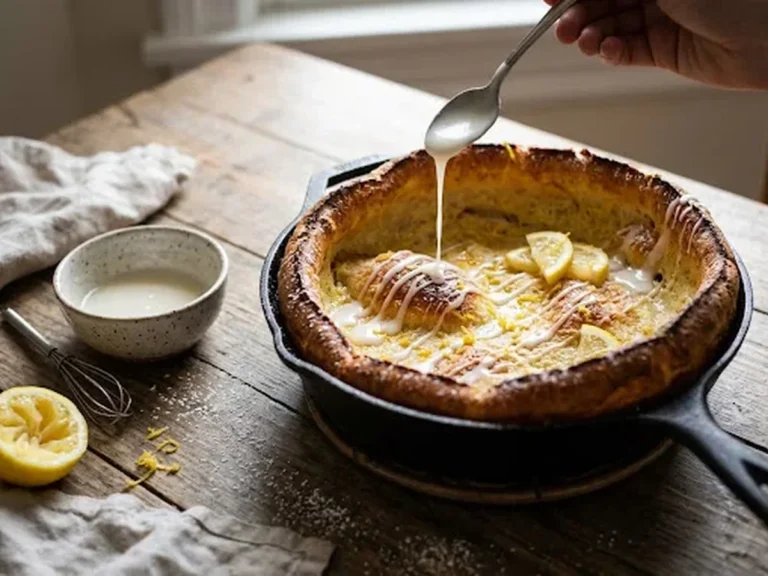
A fruit and maple dutch baby pancake brings an elevated culinary appeal to home cooks seeking approachable weekday lunches with zero daily stress. This impressive oven baked dish puffs dramatically in a hot cast iron skillet, creating a light and airy texture that pairs the tartness of fresh fruit with the rich sweetness of pure maple syrup.
Readers will learn the essential baking science behind achieving maximum rise, proper whisking techniques for smooth buttermilk batters, and the best methods for fruit integration. Mastering this skillet meal requires attention to heat control and oven temperatures, transforming simple pantry staples into an extraordinary dining experience.
Understanding Dutch Baby Pancakes and Their Origins

A dutch baby pancake is a large, single pastry baked entirely inside a hot skillet in the oven, distinguishing it from traditional flat griddle pancakes that require individual flipping on a stovetop. Traditional griddle pancakes cook separately on a heated flat surface, whereas this oven-baked variation puffs up dramatically around the edges while maintaining a tender, custard-like center. Preparing a fruit and maple dutch baby pancake brings together high heat baking and natural sweetness, creating an elevated dish that fits seamlessly into a calm morning routine.
Origins and Evolution of the Oven Baked Pancake
Culinary heritage separates traditional European pancakes from the modern American baked variation. Traditional Dutch pancakes resemble thin, crepe-like styles often enjoyed with sweet or savory toppings across the Netherlands. The dutch baby version originated in the United States, inspired by German popovers and traditional pfannkuchen, developing into a uniquely American breakfast dish through a Seattle restaurant.
Many home bakers wonder about the differences between Dutch pancakes and dutch baby pancakes. While Dutch pancakes are made on the stovetop and kept relatively flat, the oven-baked style relies on an intense thermal shock inside a preheated vessel to create dramatic height. Exploring alternative variations allows home cooks to experience this delightful contrast between crisp, towering edges and a soft, tender interior.
The Science Behind the Rise
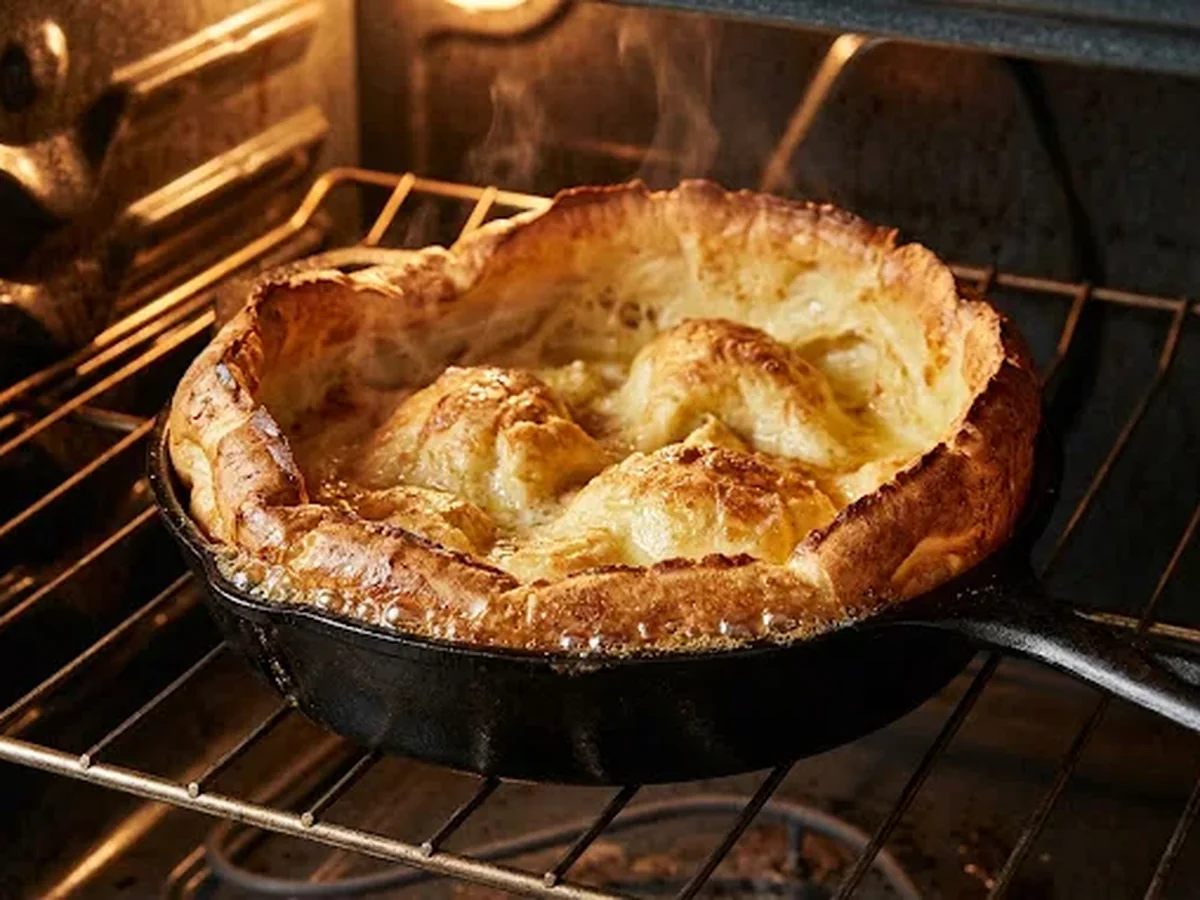
Baking this dish in a preheated cast iron skillet relies on intense, direct thermal energy to transform the batter. As the hot pan heats the ingredients, trapped steam expands rapidly inside the mixture. This chemical reaction forces the outer edges to rise high above the rim of the pan. Meanwhile, the rich dairy and egg mixture in the center sets into a soft, tender custard texture.
Understanding the science behind the bake helps home cooks achieve consistent results. Using tools like an oven thermometer ensures the cooking environment reaches the correct temperature for maximum lift. A common mistake involves opening the oven door too early, which causes the trapped steam to escape and the puffed edges to deflate prematurely. Letting the batter rest briefly before pouring it into the hot pan allows the flour to hydrate fully, supporting a better rise and a more tender crumb. Whether using standard milk, buttermilk, or alternative ingredients, balancing the ratio of eggs to flour remains the key to success.
Nutritional Profile and Serving Considerations
When planning a wholesome breakfast or brunch, many cooks ask if these dishes are healthier than standard griddle pancakes. Because a fruit and maple dutch baby pancake features whole ingredients like fresh fruit and pure maple syrup, it provides natural sweetness without relying heavily on refined sugars. Following guidance from culinary authorities like the King Arthur Baking Company and the USDA Food Data Central helps home bakers understand ingredient ratios, ensuring a delicious and balanced outcome for intermediate home cooks looking to elevate their morning routine.
Essential Equipment and Tools for Success
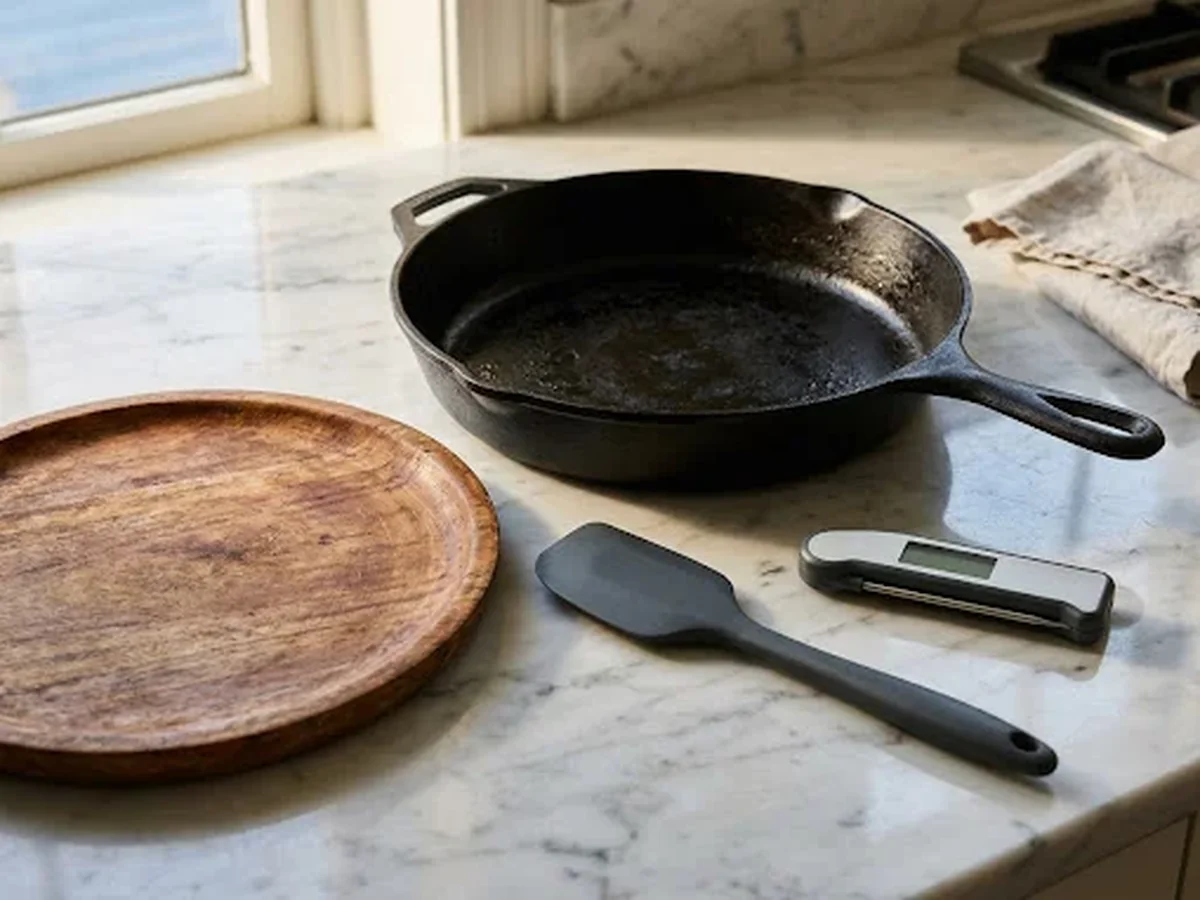
Preparing a successful fruit and maple dutch baby pancake relies heavily on having the right gear on hand before you start mixing ingredients. You need specific instruments to manage extreme oven temperatures and ensure the batter gets enough air to puff up dramatically during the baking process.
The Role of the Cast Iron Skillet in Achieving Height
A heavy cast iron skillet is the single most important piece of cookware for creating a tall, dramatic rise and perfectly crisp edges. This specific pan absorbs and retains extreme heat far better than standard aluminum or stainless steel pans. When you pour cold batter into a preheated pan, the intense bottom heat instantly vaporizes moisture and causes the sides to shoot upward. Home bakers and cooking enthusiasts of intermediate skill levels will find that seasoning their skillet properly also prevents sticking, allowing the golden crust to release effortlessly when serving.
Accuracy in Temperature Using an Oven Thermometer
An oven thermometer removes guesswork by verifying that your baking environment actually reaches the necessary high heat for proper expansion. Many kitchen ovens run significantly hotter or cooler than their digital displays indicate. Relying on a standalone gauge ensures your baking environment stays hot enough to trigger the chemical reactions needed for a tall rise. Precise heat management is critical when working with dairy components like buttermilk in batter formulations.
Precision Tools for Mixing and Measuring
Using the correct utensils makes the preparation process smoother and guarantees your breakfast treat turns out light and airy every time. Consider keeping these essential items ready on your counter:
- A sturdy whisk helps incorporate air into the wet ingredients so the batter can trap steam during baking.
- Measuring cups and spoons ensure exact ratios of flour, dairy, and eggs for consistent structural integrity.
- Heat-resistant spatulas let you safely transfer ingredients without scratching your cookware surfaces.
- A reliable timer keeps track of the brief baking window so the pastry never burns.
- Silicone oven mitts provide a secure grip when handling the exceptionally hot cookware.
Before beginning your fruit and maple dutch baby pancake recipe, check that all components are at room temperature unless specified otherwise. Letting your batter rest briefly can also help relax the gluten network, resulting in a tender texture once baked. Whether you are planning a relaxed weekend brunch or elevating a weekday routine, having these tools organized guarantees a smooth cooking experience from start to finish.
The Science of Buttermilk and High Heat Interaction
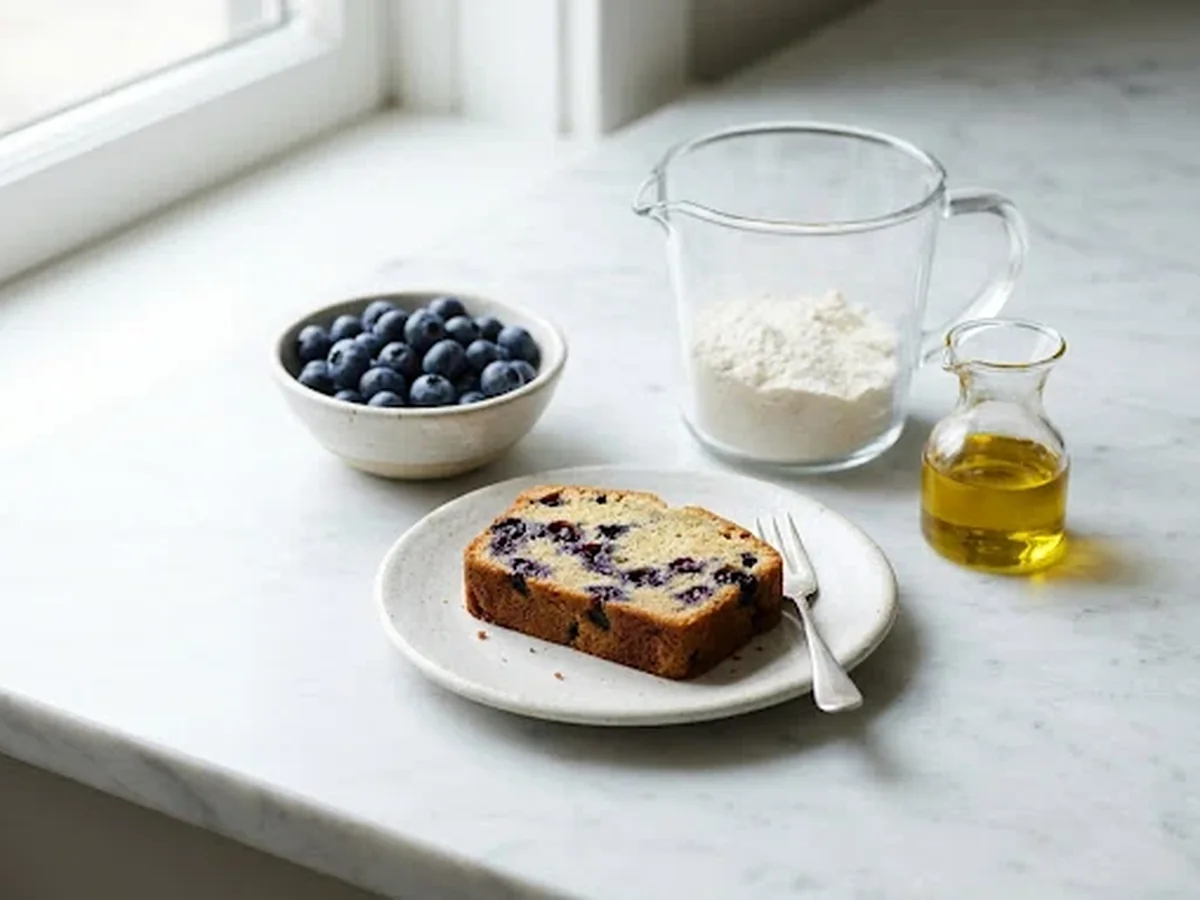
Preparing this oven baked skillet breakfast involves a fascinating interplay of chemistry, thermodynamics, and culinary technique. When you pour batter into a preheated cast iron skillet, the thermal energy immediately vaporizes moisture within the mixture. This rapid conversion creates steam pockets that push the edges of the dish dramatically upward, while the bottom forms a rich, golden crust against the hot metal surface.
The addition of buttermilk introduces essential acidity into the batter. This acid interacts with flour proteins to relax gluten strands, ensuring the final crumb remains tender rather than rubbery. As the eggs and dairy proteins coagulate in the intense oven heat, they lock in that signature puffed shape. Home bakers often wonder whether the batter requires resting before baking. Allowing the mixture to rest briefly helps hydrate the flour thoroughly and promotes a more even rise, though managing liquid ratios remains critical for structural integrity.
Understanding how components behave under heat prevents common pitfalls such as a dense center or a flat rise. Ensuring your oven thermometer reads accurately is vital, because fluctuating temperatures disrupt the delicate balance between steam expansion and protein setting. Guidance from organizations like the King Arthur Baking Company emphasizes the importance of balancing liquid ingredients, while data from USDA Food Data Central highlights how moisture content in dairy components influences overall baking performance.
Adapting your method to create a lighter breakfast variation introduces a few modifications. Incorporating fresh produce or swapping heavy sweeteners alters the nutritional profile, but the core science of thermal expansion and dairy tenderization stays remarkably consistent. Whether you use pure maple syrup as a finishing touch or fold fruit directly into the mix, mastering these chemical dynamics guarantees a successful breakfast every time.
Mastering the Batter: Eggs, Resting, and Proportions
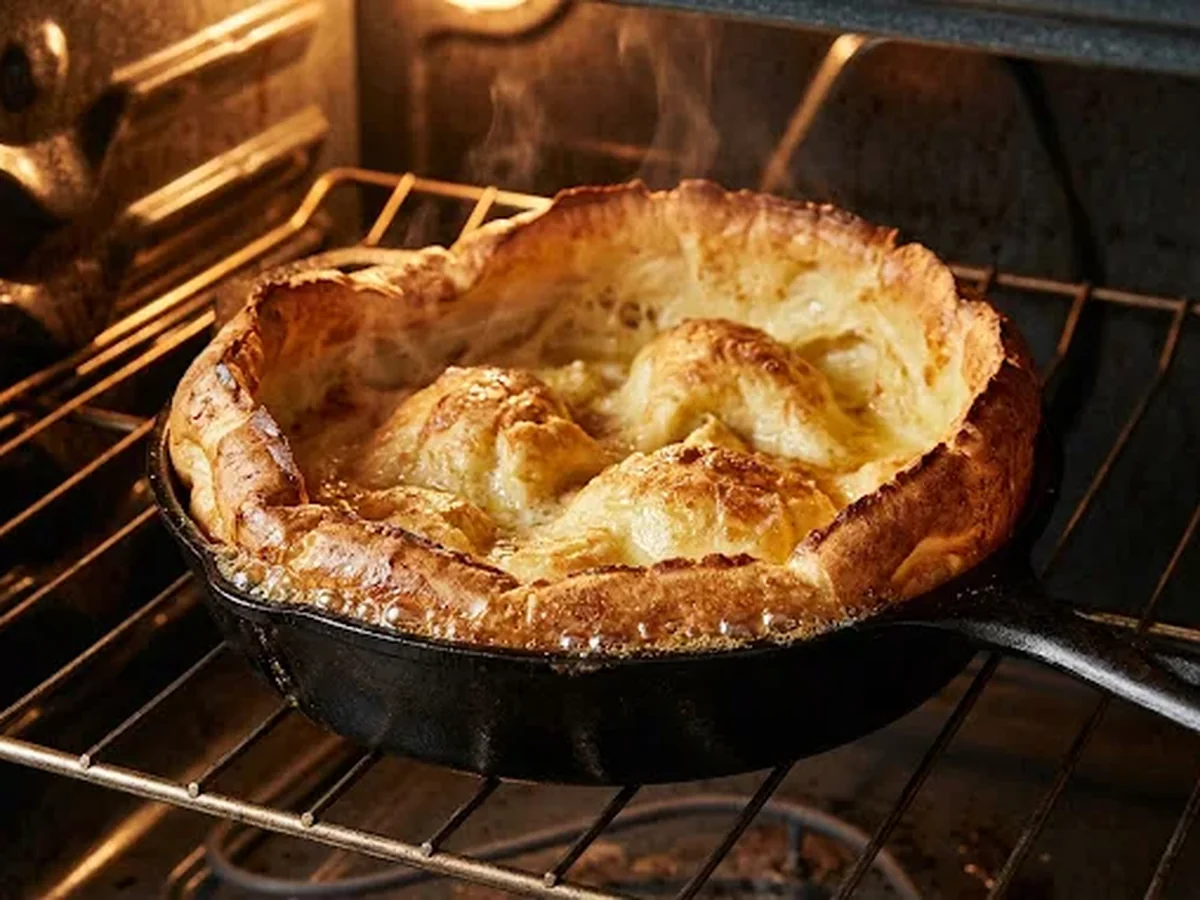
Creating a successful fruit and maple Dutch baby starts with understanding how proportion and technique drive the final rise. A reliable Dutch baby recipe with four eggs provides the exact structural foundation needed for a high‑rising structure. By balancing proteins, fats, and liquids correctly, the batter traps steam efficiently as it heats inside a preheated cast iron skillet. This chemical reaction relies on precise measurements rather than chemical leaveners like baking powder, meaning your ingredients do all the heavy lifting.
Home bakers often ask whether you should let the batter rest before baking. Giving the mixture time to sit is a crucial step that allows the gluten network to relax completely while the starches fully hydrate. Skipping this pause can lead to a dense or rubbery finish, whereas a properly rested batter yields a tender, custard‑like interior beneath those iconic puffed edges. Letting the bowl sit on the counter while your oven and skillet come up to temperature ensures the liquid ingredients absorb the flour evenly.
Incorporating air without overworking the mixture requires the right tool. Using a whisk helps introduce tiny air pockets that expand rapidly in the intense heat of the oven, contributing directly to the dramatic rise of your easy fruit and maple Dutch baby. When executing this step, keep a few practical guidelines in mind to avoid common mistakes:
- Whisk the eggs thoroughly at the very beginning until they are completely smooth, pale, and slightly frothy to build a strong aeration base.
- Gradually incorporate the wet ingredients into the dry elements, or vice versa, to eliminate persistent flour lumps without overtaxing the gluten.
- Stop mixing the moment the batter looks uniform and free of dry pockets, because overbeating will result in a tough, flat texture instead of a light and airy bite.
- Avoid adding cold ingredients straight from the refrigerator if you can, as room temperature components blend more smoothly and trap steam more effectively in a hot environment.
As you refine your approach, remember that achieving a fruit and maple Dutch baby with a healthy profile relies heavily on portion control and the natural sweetness of pure maple syrup rather than heavy processed sugars. Paying close attention to these foundational mixing and resting phases ensures consistent results every time you pull that skillet from the oven.
Integrating Fresh Fruit and Pure Maple Syrup

Preparing an easy morning skillet dish with produce and maple requires a thoughtful approach to balancing flavors and textures. Home bakers often wonder whether to bake fresh produce directly inside the batter or add toppings after the pastry comes out of the oven. Each method alters the final outcome, affecting how the pastry rises and how the fruit retains its structure in a hot cast iron skillet.
Baking Fruit Directly Into the Batter Versus Post Bake Toppings
Folding fruit directly into the batter changes the final texture, whereas adding toppings after baking preserves the crisp outer edges of the pastry. Arranging thinly sliced apples or berries across the bottom of the preheated skillet just before pouring the batter allows the pieces to caramelize as the edges puff up. This method creates soft, baked in pockets of fruit that contrast with the rich, buttery crust.
Conversely, arranging fruit on top right after the pastry emerges from the oven keeps the crust light and avoids trapped moisture that can deflate the center. Choosing the right method depends on your personal preference for texture. If you want a custard like center with embedded fruit pieces, baking them together works best. If you prefer a brighter, crisper presentation with fresh fruit on top, reserve the produce until the end of the baking cycle.
One common mistake involves overcrowding the pan with overly watery fruits. Excess moisture prevents the edges from rising properly along the sides of the skillet. According to guidelines from culinary experts like King Arthur Baking Company, balancing the liquid content of your ingredients is essential for achieving a successful rise in high heat baking.
Balancing Sweetness with Pure Maple Syrup
Pure maple syrup enhances natural sweetness and provides essential liquid without throwing off the delicate balance of the batter. Whisking a measured splash of pure maple syrup directly into the wet ingredients deepens the flavor profile of the buttermilk base. Using pure maple syrup this way also adds subtle moisture that complements the crisp edges of the skillet pastry.
When developing a breakfast dish using these ingredients, home cooks should consider how the liquid sugar interacts with the eggs and flour. Whisking the syrup into the eggs and buttermilk before combining with the dry ingredients ensures even distribution. You can also drizzle additional syrup over the puffed pastry immediately after it comes out of the hot oven for maximum absorption. Always let the baked pastry rest briefly so the interior sets before slicing and serving portions to your guests.
- Whisk a measured splash of pure maple syrup directly into the eggs and buttermilk before combining with the dry ingredients.
- Scatter thinly sliced fruits like apples or berries across the bottom of the preheated skillet just before pouring the batter.
- Avoid overcrowding the pan with overly watery fruits to ensure the edges still rise properly along the sides of the skillet.
- Drizzle additional syrup over the puffed pastry immediately after it emerges from the hot oven for maximum absorption.
- Let the baked pastry rest briefly so the interior sets before slicing and serving portions to your guests.
Altitude Adjustments and Troubleshooting Common Baking Errors

Baking a fruit‑and‑maple buttermilk Dutch baby in mountain regions requires thoughtful adjustments because lower air pressure changes how the batter behaves in the oven. When elevation increases, gases expand much faster, causing the structure to rise rapidly before the flour and eggs have enough time to set. To prevent the center from collapsing prematurely, home bakers often need to make minor tweaks to the liquid ratios or slightly increase the oven temperature to help the batter set faster.
Mastering Pan Temperature and Thermal Energy
Another frequent challenge involves the final volume of your Dutch baby. If the dish fails to puff up dramatically along the edges of your cast iron skillet, the culprit is usually insufficient thermal energy. A lukewarm pan will not create the necessary thermal shock needed to vaporize the moisture in the batter instantly. Always allow your skillet to preheat thoroughly inside the hot oven before pouring in the mixture, and consider using an oven thermometer to verify that your appliance reaches the correct temperature. Incorporating ingredients like buttermilk can also influence the rise when paired with a preheated cooking surface, reacting to the sudden heat.
Avoiding Common Deflation Pitfalls
Opening the oven door prematurely is a major pitfall that ruins the final height of your fruit‑and‑maple buttermilk Dutch baby. The sudden rush of cooler air causes the trapped steam to contract instantly, deflating the puffed sides into a dense layer. Keep the oven light turned on and rely on the glass viewing window to monitor progress until the baking time concludes entirely. Even if you are preparing a traditional Dutch baby with four eggs, maintaining a steady internal oven environment ensures the structure supports its own weight as it finishes baking.
Understanding Batter Rest Times and Texture
Understanding the science behind resting the ingredients also prevents texture issues. A frequent question among home cooks is whether Dutch baby batter should rest before baking. Letting the batter rest allows the flour to hydrate fully and gives the leavening agents time to interact with dairy components like buttermilk. If your final result feels heavy, check that your whisk incorporated enough air during the initial mixing phase to ensure a light and tender crumb before you drizzle your pure maple syrup over the top.
Calories in Dutch Baby

Evaluating the energy density of a baked breakfast pastry involves looking at how ingredients and preparation methods interact. A buttermilk and maple variation generally shifts the caloric profile compared to a standard version, primarily because pure maple syrup and dairy adjustments alter the baseline energy density. Assessing whether these oven baked treats are healthier than traditional griddle pancakes involves looking closely at cooking methods, portion sizes, and ingredient quality rather than relying on generalized assumptions. According to guidelines from organisations like USDA Food Data Central, tracking individual components gives a clearer picture of overall nutrition.
Baking Science and Dairy Interactions
Understanding the chemistry behind a fruit and maple buttermilk Dutch baby starts with how dairy reacts in a hot cast iron skillet. Using buttermilk instead of whole milk introduces acidity, which interacts with eggs and flour to create a tender crumb while still achieving that dramatic oven rise. When following a reliable recipe, home bakers often wonder whether the batter requires resting. Letting the mixture sit briefly allows the flour to hydrate fully, ensuring a better structure once exposed to high oven heat.
| Pancake Style | Primary Liquid Base | Sweetening Agent | General Profile |
|---|---|---|---|
| Standard Dutch Baby | Whole milk | Granulated sugar | Classic rich custard base |
| Buttermilk Variation | Cultured buttermilk | Pure maple syrup | Tangy crumb with natural sweetness |
| Griddle Pancakes | Milk or water | Table sugar or syrup topping | Fluffy flatbread texture |
Nutritional Adjustments and Toppings
Health conscious cooking enthusiasts often find that incorporating fruit and maple buttermilk Dutch babies allows for better control over unrefined sugars and fats. Nutrient density improves when you top the hot pastry with fresh seasonal produce instead of heavy processed syrups, providing valuable fiber and vitamins. Managing portion awareness remains simple when slicing the puffy single pan dish into equal wedges for the table.
Common Preparation Pitfalls
Understanding the why behind these dietary shifts helps home cooks balance richness with lighter elements. Common mistakes include pouring heavy sugar syrups directly into the batter while it heats in a cast iron skillet, which can weigh down the rise. Instead, keeping sweeteners balanced and relying on fruit toppings creates a lighter meal suited for elevated weekday lunches or relaxed weekend brunches. Following a structured recipe ensures you maintain proper proportions without losing the signature texture.
Frequently Asked Questions
What are the differences between Dutch pancakes and Dutch baby pancakes?
Traditional Dutch pancakes resemble large, thin crpes cooked on a stovetop, whereas a Dutch baby pancake is a puffy, oven baked treat prepared in a cast iron skillet. The standard version uses a yeasted or flat batter, while the puffed oven style relies on steam and eggs to rise dramatically.
What is the best Dutch baby recipe ever?
The ultimate fruit and maple Dutch baby pancake uses precise measurements of flour, eggs, and buttermilk with a blazing hot pan to create towering edges. Using a reliable whisk and a preheated oven ensures the batter climbs high and develops golden, crispy rims.
Are Dutch babies healthier than pancakes?
Nutritional comparisons show that Dutch baby pancakes and standard stovetop griddle cakes have similar calorie counts because they use the same basic pantry staples like flour, eggs, and milk. Swapping regular milk for buttermilk and finishing the dish with pure maple syrup and fresh fruit adds wholesome flavor profiles without changing the core nutritional balance drastically.
Should Dutch baby batter rest before baking?
Letting the batter rest for a short period allows the flour to hydrate fully and the gluten to relax, which helps the structure puff up evenly in the heat. Bakers often wonder about resting time, and giving it ten to twenty minutes on the counter yields a much taller rise.
Conclusion
Mastering this technique comes down to preheating your skillet properly and blending a well‑rested batter for maximum lift. Grab your favorite cast iron pan, pick some fresh seasonal produce, and bake your very own fruit‑maple buttermilk Dutch baby this weekend.
You might also like: Homemade Maple Apple Butter Recipe: Cozy Fall Spread