Easy Homemade Tabbouleh (Tabouli) c
Introduction to Homemade Tabbouleh Salad
Making a homemade tabbouleh salad brings vibrant Middle Eastern flavors straight to your kitchen table with very little effort. Tabbouleh is a vegetarian Middle Eastern salad made mostly of fresh chopped parsley, bulgur wheat, and tomatoes. Common guidance notes that traditional versions treat this dish primarily as an herb salad with grains rather than a grain salad.
Preparing this dish supports the goal of elevated weekday lunches with zero daily stress and fresh ingredients. You will get a reliable ingredient list, proper preparation steps, and practical techniques to make this vibrant recipe successfully at home.
Understanding the Essentials of Authentic Tabbouleh
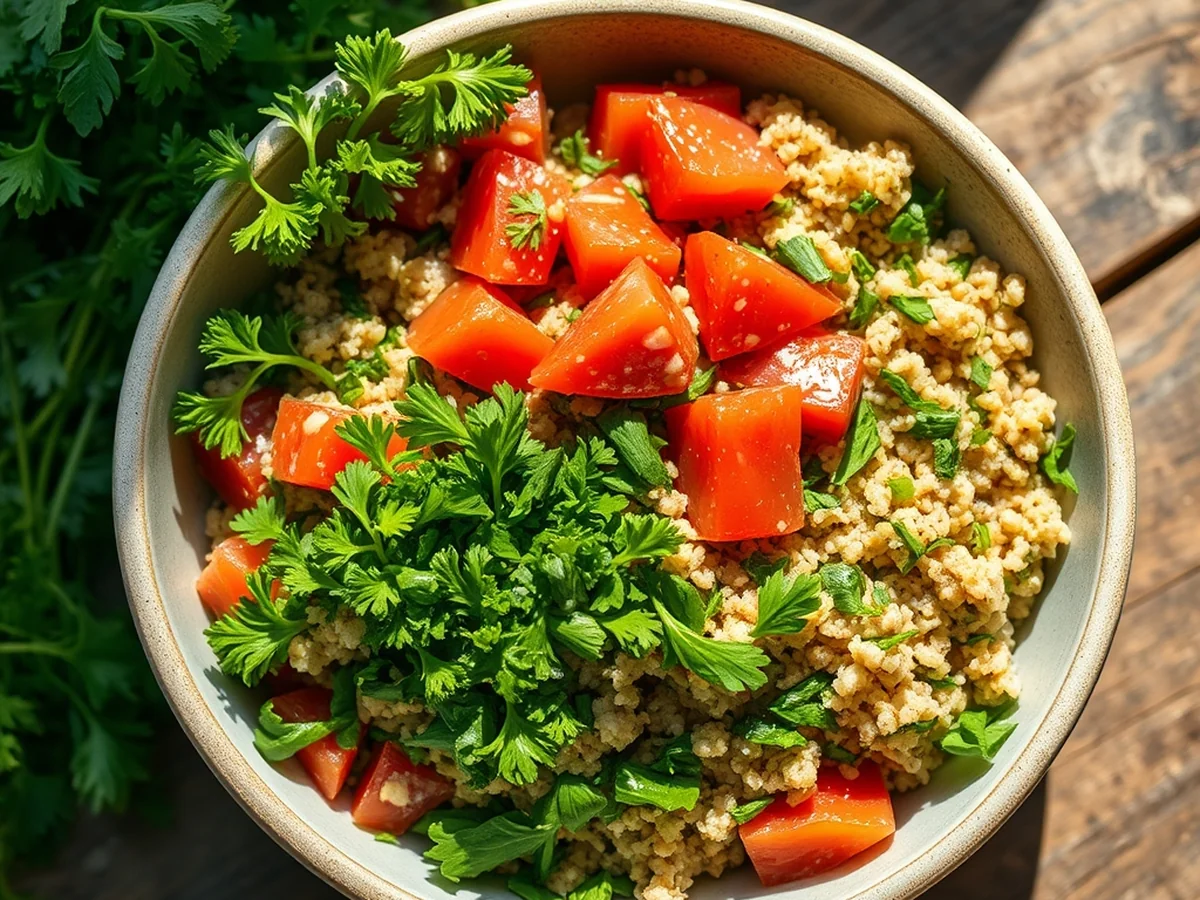
Tabbouleh is a traditional vegetarian Middle Eastern salad made mostly of fresh chopped parsley, bulgur wheat, and tomatoes. Originating in the Middle East, this vibrant dish relies on a simple combination of garden fresh ingredients like crisp mint, bright lemon juice, and extra virgin olive oil to deliver its signature flavor.
Common guidance notes that traditional Lebanese tabbouleh is primarily an herb salad with grains rather than a grain salad. Flat-leaf parsley takes center stage as the main volume of the bowl, while bulgur wheat acts as a subtle supporting component that adds texture rather than bulk. This thoughtful ratio keeps your homemade tabbouleh salad light, refreshing, and perfectly balanced.
Mastering an easy tabbouleh recipe or an authentic tabbouleh recipe requires attention to preparation details that protect the integrity of the fresh greens. Common guidance suggests that using a sharp knife to chop parsley by hand is recommended over a food processor to prevent bruising the delicate herbs. Running parsley through a machine can crush the leaves and release excess moisture, turning vibrant greens into a watery paste.
Knowing the common pitfalls helps home cooks achieve the best homemade tabbouleh salad every single time. A frequent mistake is overloading the dish with too much bulgur or soaking the grains improperly so they become mushy. Another common error is adding wet, watery tomato centers that dilute the vibrant dressing. Removing the watery seed cores from your tomatoes and keeping the focus squarely on hand chopped herbs ensures your Middle Eastern side dish stays crisp, bright, and delicious.
Essential Ingredients for the Best Homemade Tabbouleh Salad
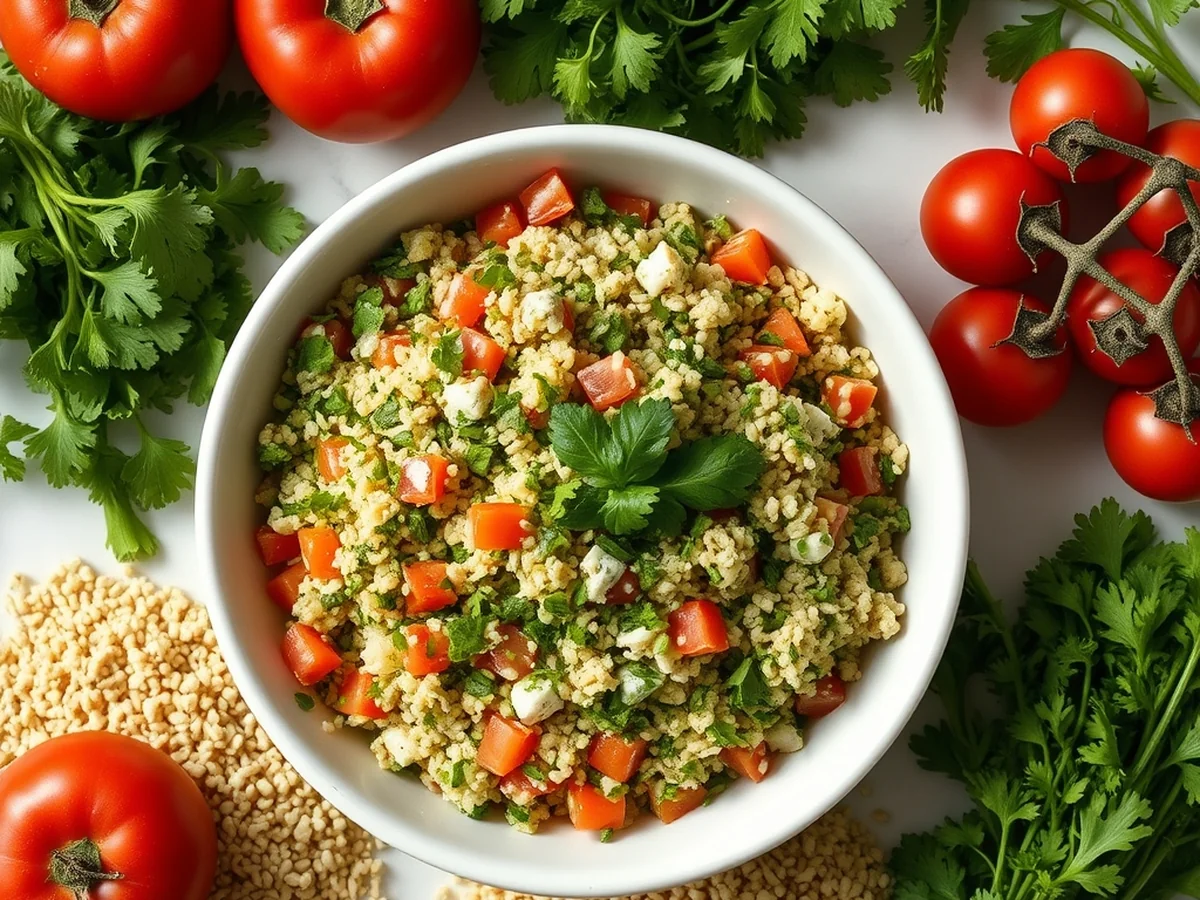
Tabbouleh is a vegetarian Middle Eastern salad made mostly of fresh chopped parsley, bulgur wheat, and tomatoes. The dish is a staple of Lebanese cuisine, and its appeal lies in the bright, herbaceous flavor and light texture that makes it a popular choice for an elevated weekday lunch.
Why Every Ingredient Matters
In a typical tabbouleh recipe Lebanese cooks often prepare, the parsley is the star. Common guidance suggests that traditional versions are primarily herb salads with grains rather than grain salads. The bulgur wheat provides a subtle nutty chew that absorbs the dressing and keeps the salad from drying out. Tomatoes add natural sweetness and acidity, while fresh mint offers a cool aromatic contrast. Extra virgin olive oil coats the mixture smoothly, and lemon juice delivers a sharp, tangy punch that brightens every bite. Each element balances the others, creating a harmonious flavor profile that feels both refreshing and satisfying.
Practical Steps for a Fresh, Fluffy Salad
1. Prepare the parsley. Use flat leaf parsley, the variety most common in Lebanese kitchens. Cut the stems off, then hand chop the leaves with a sharp knife. Common guidance suggests this method over a food processor to prevent bruising the delicate leaves and turning them into a paste. A clean cut keeps the parsley crisp and vibrant.
2. Cook the bulgur wheat. Rinse ½ cup of fine bulgur wheat under cold water. Bring 1 cup of water to a boil, stir in the bulgur, reduce heat, cover, and simmer for 10 minutes. Drain any excess liquid and let the bulgur cool to room temperature before adding it to the salad. This prevents the grains from becoming gummy and allows them to absorb the dressing evenly.
3. Dice the tomatoes. Choose ripe, firm tomatoes. Remove the core and cut them into small dice, about ¼ inch in size. This size keeps the tomatoes from breaking apart while still releasing their juice.
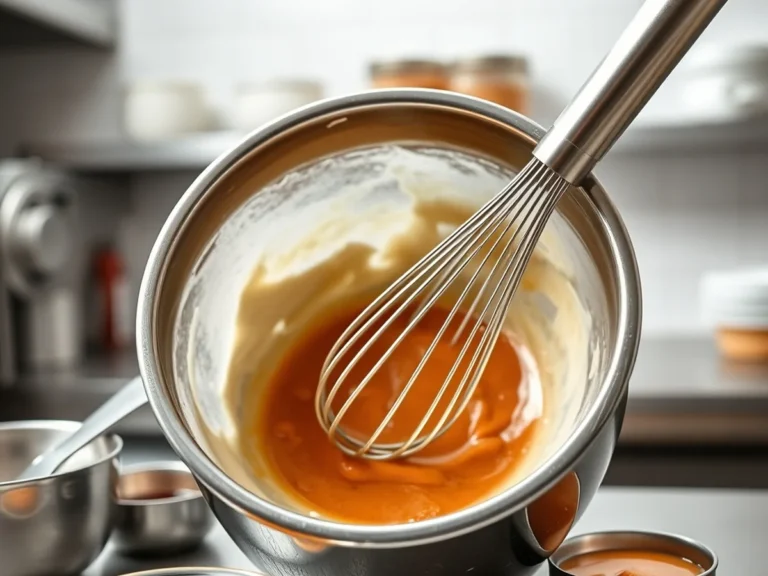
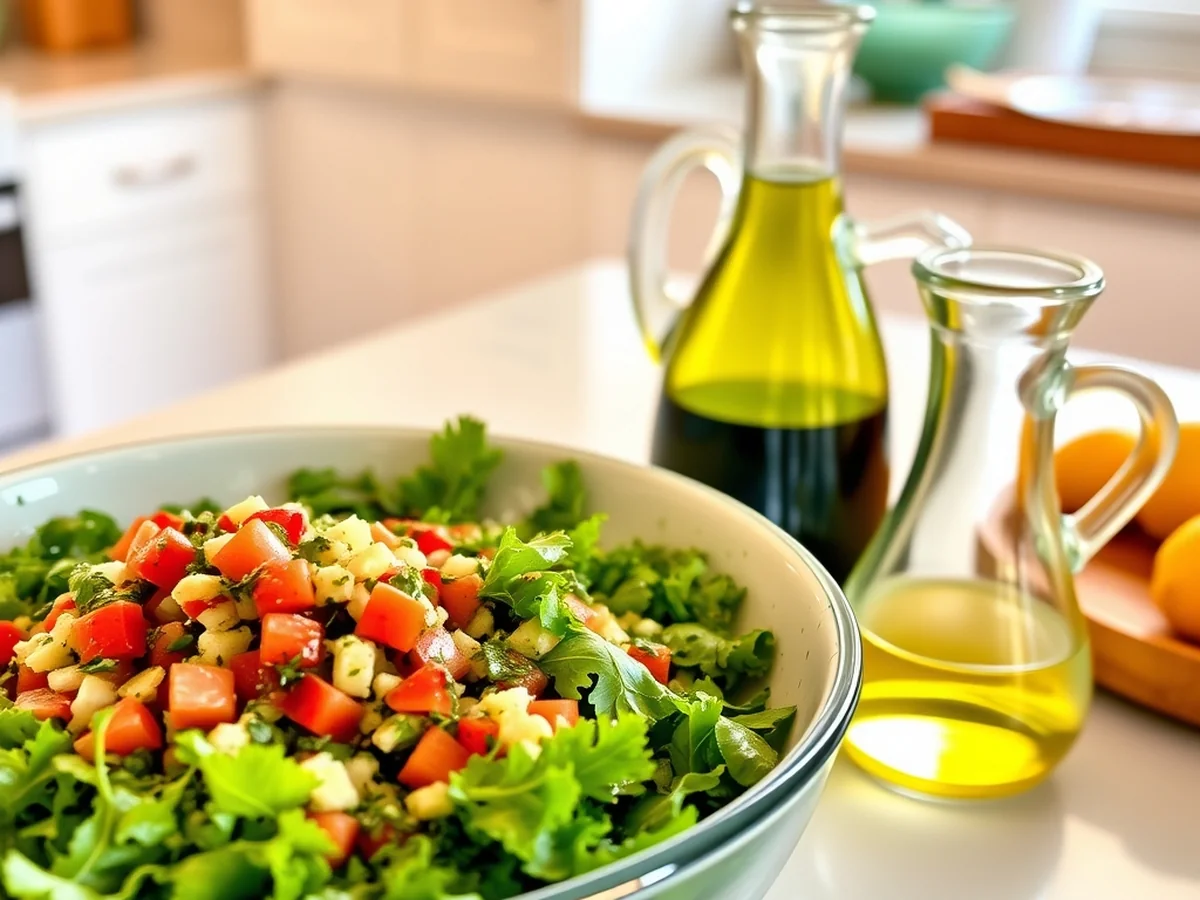
4. Assemble the dressing. In a small bowl, whisk together ¼ cup of extra virgin olive oil, the juice of one lemon, a pinch of sea salt, and a pinch of freshly ground black pepper. Taste and adjust seasoning as needed.
5. Combine. In a large bowl, mix the parsley, bulgur, tomatoes, and a handful of mint leaves. Pour the dressing over the salad and toss gently until everything is evenly coated.
Common Mistakes to Avoid
The most frequent error is adding too much bulgur, which can overpower the herbs and give the salad a dry texture. Measure the bulgur carefully and keep the ratio of grain to herbs balanced. Another misstep is using a dull blade or a food processor to chop the parsley, which releases excess moisture and wilts the greens prematurely. Taking the extra few minutes to chop the flat leaf parsley by hand guarantees a clean cut and a vibrant, fluffy texture for your final dish.
This guide applies to home cooks looking for a fresh, healthy, and easy Mediterranean side dish. By following these steps and paying attention to the balance of ingredients, you will create a meal that feels authentic while still fitting into a modern, weekday lunch routine.
Step by Step Preparation and Herb Chopping Techniques
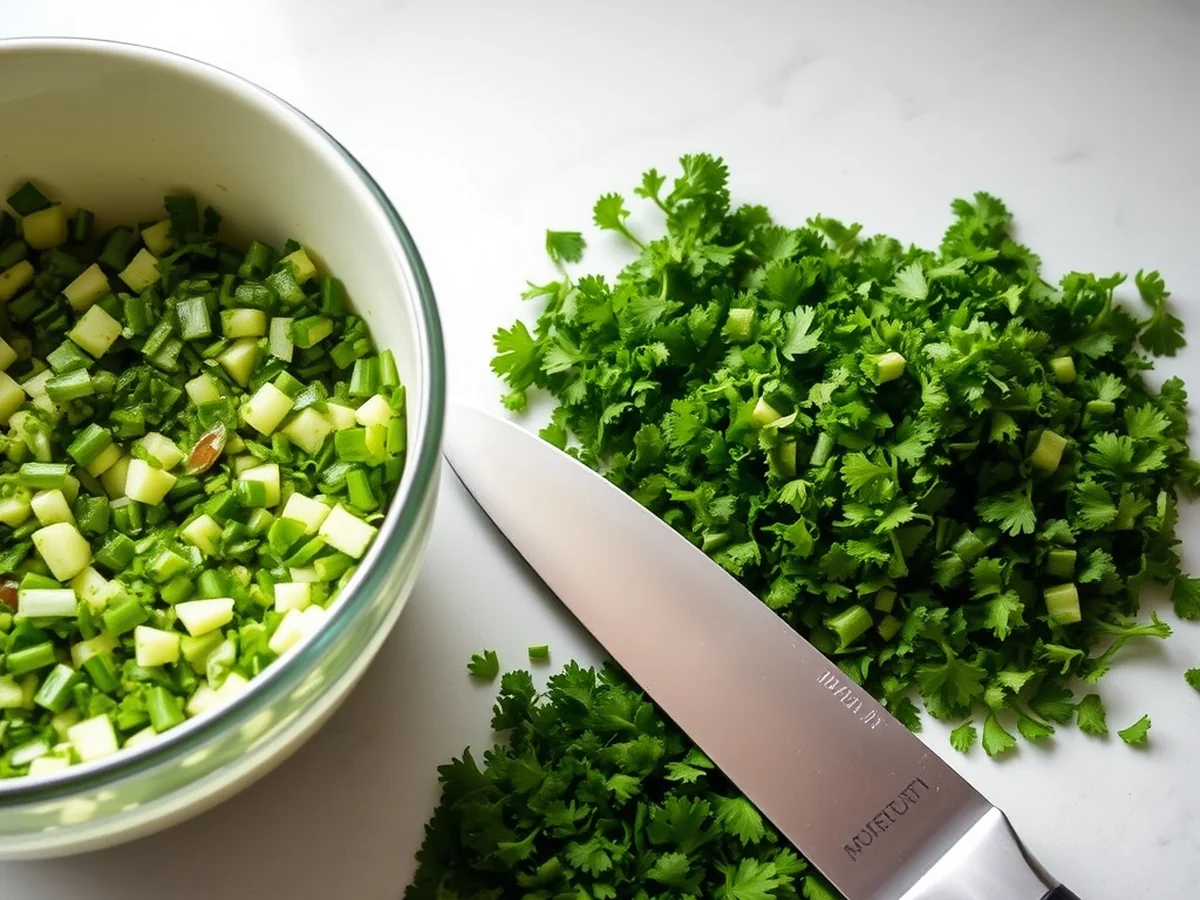
Assembling a vibrant homemade tabbouleh salad requires careful attention to ingredient preparation, especially when handling delicate greens. Tabbouleh is a vegetarian Middle Eastern salad made mostly of fresh chopped parsley, bulgur wheat, and tomatoes, according to sources from Hastings College. Common guidance suggests that traditional Lebanese tabbouleh functions primarily as an herb salad featuring grains rather than a heavy grain dish. Treating the components with care keeps the final texture light and refreshing for your weekday lunch.
Why Knife Skills Matter for Parsley
One of the most frequent mistakes during prep is using kitchen appliances that compromise the integrity of the produce. Common guidance recommends using a sharp chef knife to chop flat leaf parsley by hand instead of relying on a food processor. Dull blades or mechanical processing tear tender leaves and release excess moisture, which turns the mixture soggy before the homemade tabbouleh salad dressing ever gets added. Keeping your knife sharp ensures clean cuts that preserve natural oils and bright green colors.
Step by Step Assembly Instructions
- Rinse the fresh flat-leaf parsley and mint thoroughly in cold water to remove any grit, then dry them completely using a clean salad spinner or cotton kitchen towels.
- Gather the dried greens into tight, compact bundles and slice them finely with your sharp knife, taking great care not to mash or bruise the foliage.
- Place the finely chopped herbs into a large mixing bowl alongside diced ripe tomatoes and finely minced green onions.
- Stir in the soaked bulgur wheat gently, ensuring the grains distribute evenly throughout the vegetable and herb mixture.
- Whisk extra virgin olive oil and fresh lemon juice together in a small bowl, then pour the bright dressing over the greens just before serving.
Avoiding Common Prep Mistakes
Mastering these simple chopping and mixing techniques prevents common errors like watery textures and bruised leaves. Another pitfall to avoid is soaking the bulgur for too long or failing to squeeze out excess water, which dilutes the flavors of your easy tabbouleh recipe. Taking your time with the initial prep yields a crisp, flavorful side dish that elevates any cold grab and go meal or casual gathering.
Bulgur Wheat Mastery: Soaking Times and Grain Types
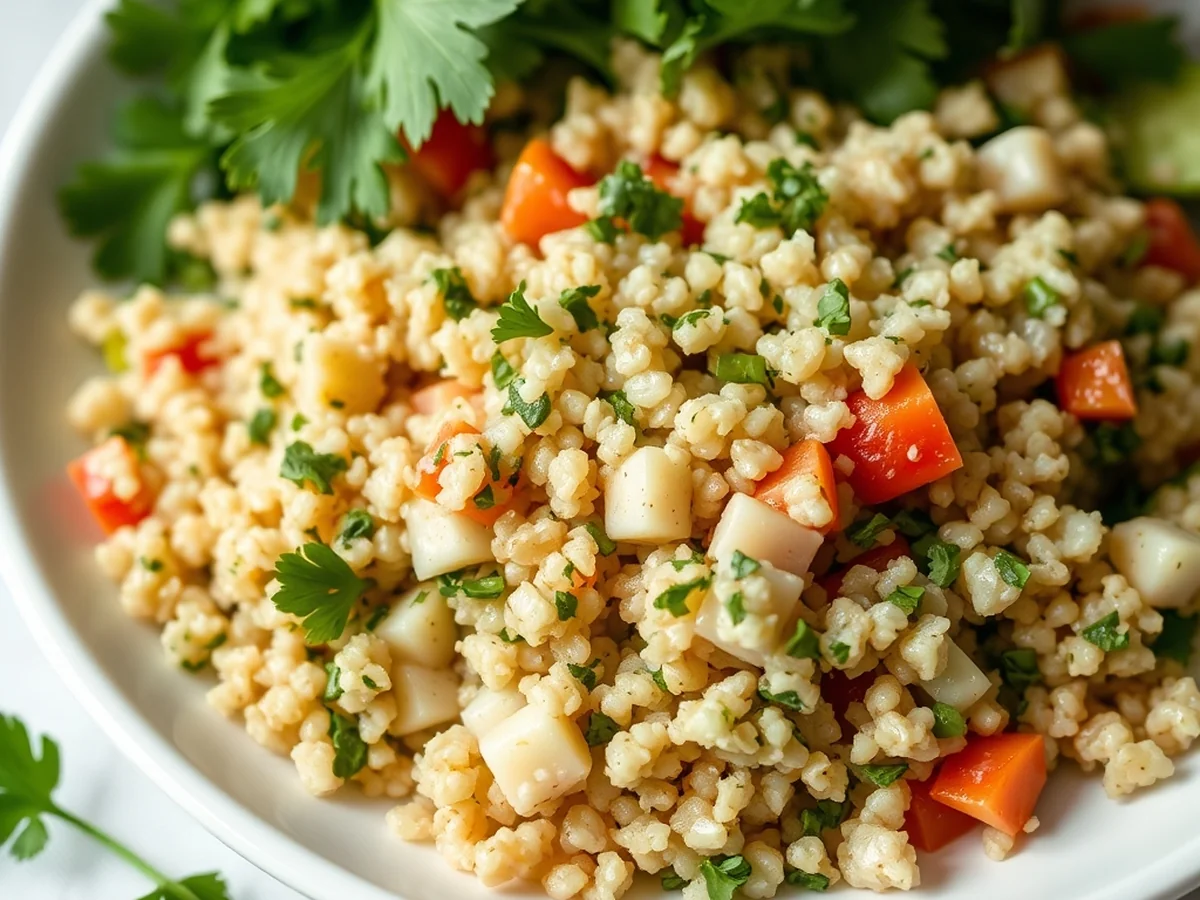
Mastering bulgur wheat is the secret behind a successful homemade tabbouleh salad, ensuring your dish stays light and refreshing instead of heavy or dense. Tabbouleh is a vegetarian Middle Eastern salad made mostly of fresh chopped parsley, bulgur wheat, and tomatoes, which means the texture of the grain sets the tone for every single bite. Common guidance highlights that traditional Lebanese tabbouleh treats bulgur wheat as a minor textural component rather than the base of the bowl.
To get this texture right, you need to match your preparation method directly to the grain size you have on hand:
- Fine bulgur wheat: This variety only needs a gentle soak in warm water or lemon juice. It typically softens in about fifteen to twenty minutes of liquid absorption without requiring any heat.
- Coarse bulgur wheat: This larger variety demands thirty to forty-five minutes of soaking in hot water or even a brief simmer to achieve proper tenderness.
One of the most common mistakes home cooks make is adding too much liquid or failing to drain the grains properly. Always check your package instructions before starting, and drain any excess water thoroughly through a fine mesh strainer. Squeezing the soaked bulgur gently in a clean kitchen towel can also help remove trapped moisture, keeping your finished dish crisp and vibrant when tossed with extra virgin olive oil, fresh mint, and lemon juice.
Crafting the Perfect Homemade Tabbouleh Salad Dressing
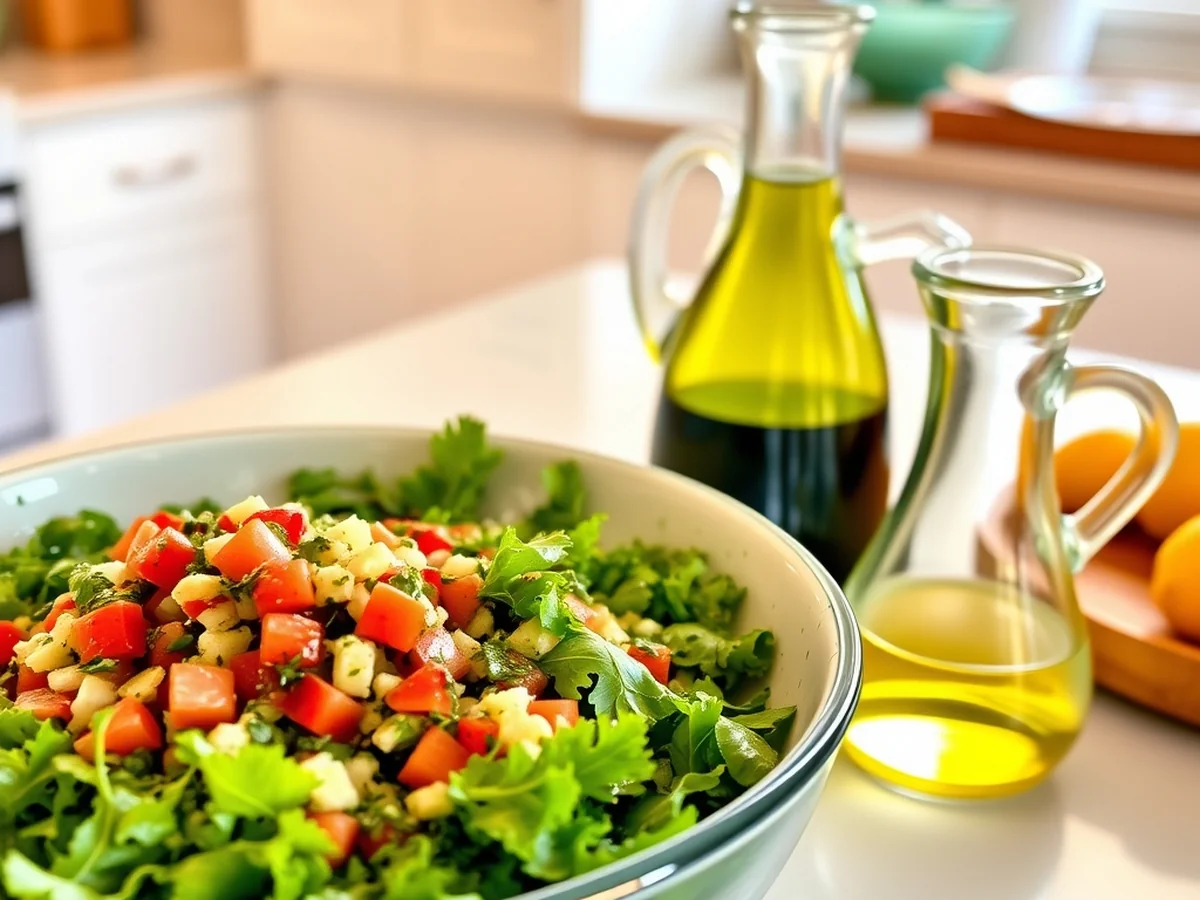
Successful dressing for a homemade tabbouleh salad relies on a balanced three-to-one ratio of extra virgin olive oil to fresh lemon juice. This proportion coats the vibrant ingredients nicely without drowning the delicate green leaves in grease. When preparing your easy tabbouleh recipe, getting the dressing right ensures every bite tastes bright and refreshing. Tabbouleh is a vegetarian Middle Eastern salad made mostly of fresh chopped parsley, bulgur wheat, and tomatoes.
Mastering Acidity and Emulsion
Acidity management is key when pairing sharp citrus juice with herbs. Standard culinary practice suggests mixing the salt directly into the lemon juice before adding the oil so the crystals dissolve fully and temper the tart bite. This simple step prevents pockets of salt from overwhelming your palate. You can refine the citrus blend further by whisking vigorously until the liquid turns slightly opaque. That physical emulsion prevents the oil and acid from separating at the bottom of your mixing bowl.
Avoiding Common Dressing Mistakes
A common mistake when making this dressing is adding the oil and lemon juice simultaneously without proper mixing, which leaves the extra virgin olive oil sitting heavily on top of the greens. Another frequent error is using bottled lemon juice instead of freshly squeezed fruit, which dulls the vibrant flavor profile essential to Lebanese cuisine. Traditional Lebanese tabbouleh is commonly viewed as an herb salad with grains rather than a grain salad, meaning the dressing must be light enough to highlight the herbs without weighing them down.
Balancing Flavors for the Best Results
Take your time whisking the components together in a small bowl before pouring it over your bulgur wheat, flat-leaf parsley, tomatoes, and mint for the best results. Using a sharp knife to chop parsley by hand is widely recommended over a food processor to prevent bruising the herbs, which keeps the greens crisp and better suited for absorbing the freshly mixed citrus and oil blend.
Traditional Versus Contemporary Ingredient Additions
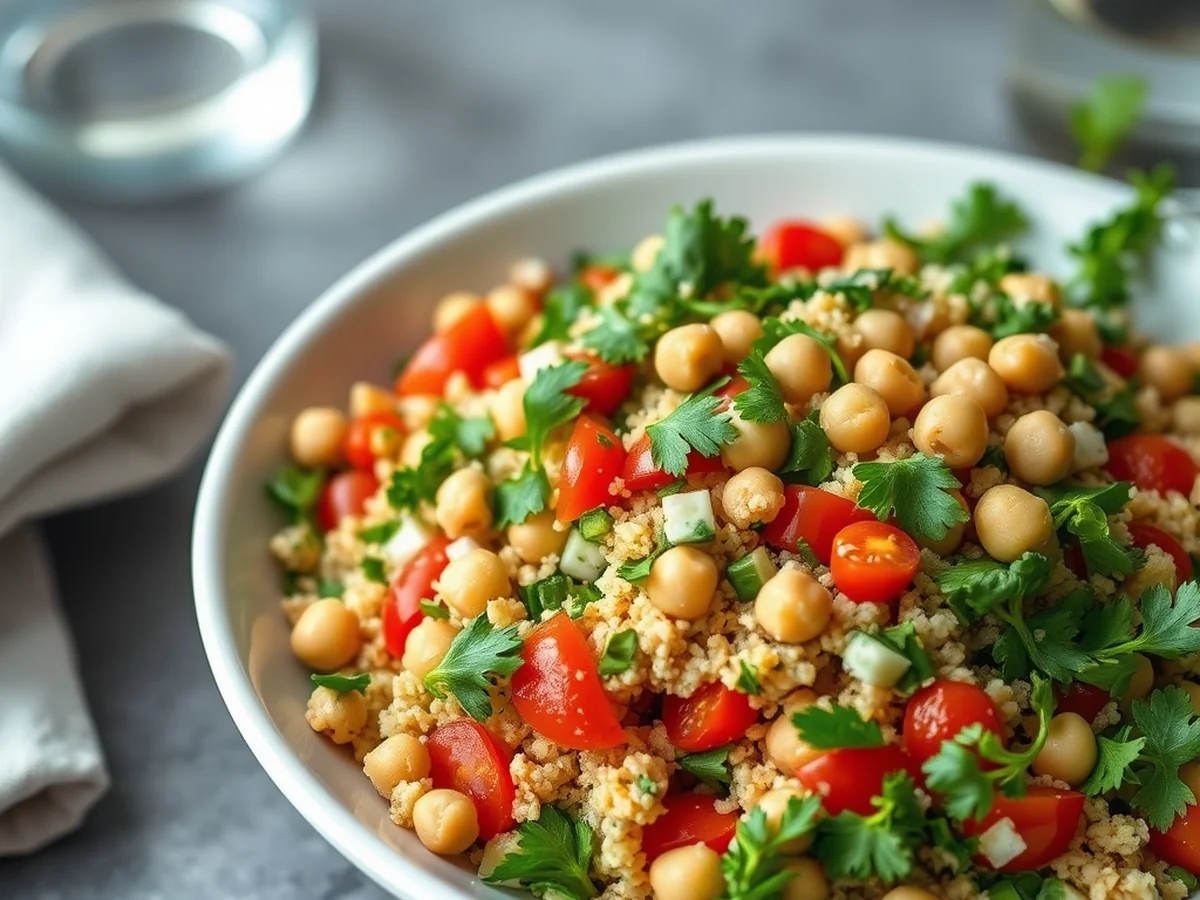
Classic Middle Eastern cuisine relies on a specific set of foundation elements, but contemporary home cooks frequently experiment with modern tweaks to suit personal tastes. Tabbouleh is a vegetarian Middle Eastern salad made mostly of fresh chopped parsley, bulgur wheat, and tomatoes. Traditional Lebanese tabbouleh is typically considered an herb salad with grains rather than a grain salad. This classic style focuses heavily on fresh chopped parsley, tomatoes, and bulgur wheat dressed simply with lemon juice and extra virgin olive oil. Deviating from this formula sparks ongoing debate among culinary purists and adventurous food enthusiasts alike.
Modern adaptations often introduce unexpected ingredients like cucumbers, chickpeas, bell peppers, or even feta cheese to add extra crunch and protein. While these additions alter the traditional flavor profile, they can transform a light side dish into a more filling meal for weekday lunches. Purists argue that heavy additions overshadow the bright herbal notes that define an authentic tabbouleh recipe. Finding the right balance depends entirely on whether you want a traditional experience or a modernized flavor combination.
Exploring Grain Alternatives
Swapping the traditional grain for pseudo-grains offers another popular variation for modern kitchens. You can easily substitute quinoa for bulgur wheat when preparing your refreshing side dish, answering a common question about whether you can make tabouli with quinoa instead of bulgur. Quinoa provides a distinct nutty flavor and a slightly crunchier texture while keeping the meal naturally gluten-free. This specific swap also boosts the overall protein content of your lunch bowl without requiring major changes to the dressing or chopping technique.
Preserving Herb Integrity
When preparing a fresh Mediterranean side dish, proper technique matters just as much as ingredient selection. Using a sharp knife to chop flat-leaf parsley by hand is often recommended over a food processor to prevent bruising the herbs. A food processor often releases too much moisture and turns delicate leaves into a paste, which mutes the vibrant flavor profile. Taking the extra time to chop your ingredients carefully ensures your finished dish maintains the crisp texture that defines a truly satisfying preparation.
Nutritional Breakdown and Health Benefits
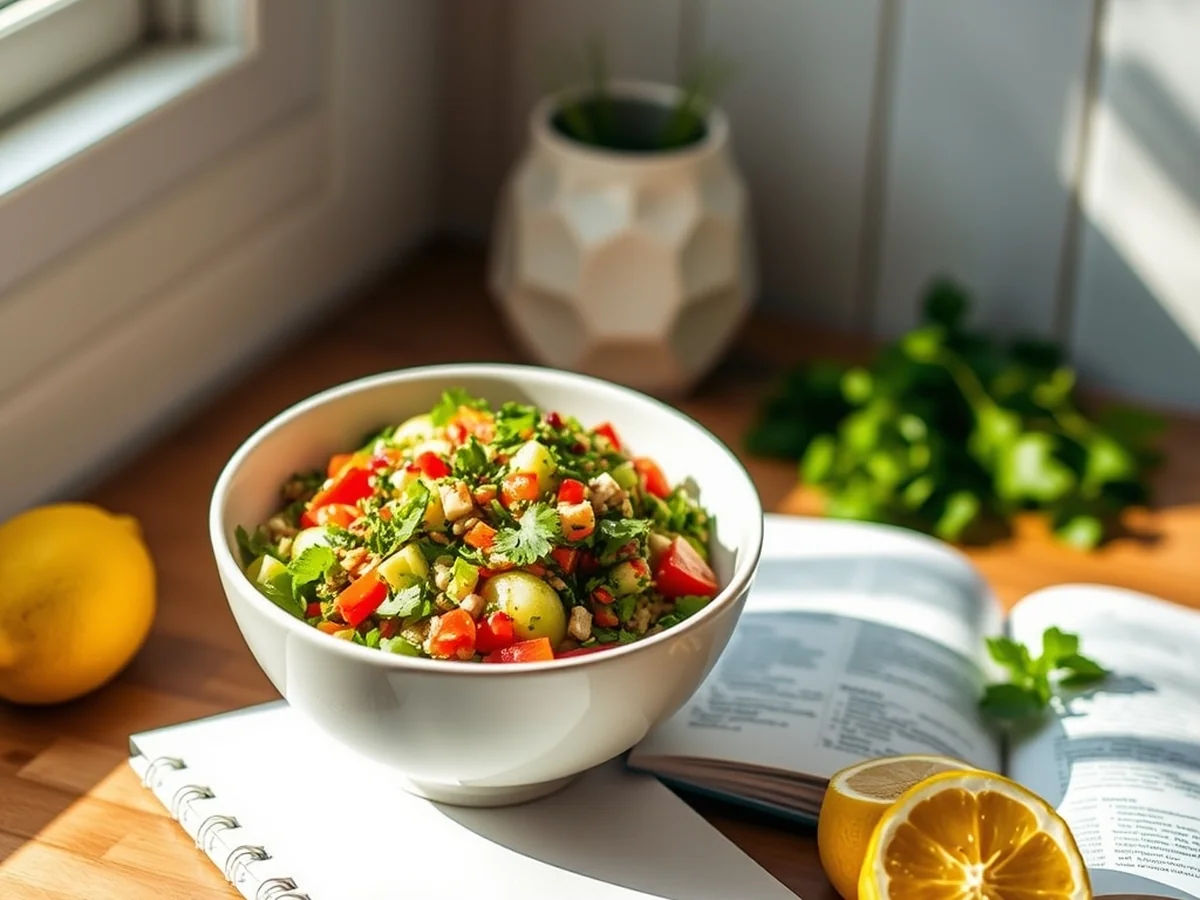
A home‑made tabbouleh delivers a nutrient‑dense profile rich in vitamins, minerals, and healthy plant fats per serving. Tabbouleh is a vegetarian Middle Eastern salad made mostly of fresh chopped parsley, bulgur wheat, and tomatoes. This vibrant dish offers a light yet satisfying addition to daily meal planning without weighing down your afternoon, fitting seamlessly into elevated weekday lunches.
Understanding the nutritional contribution of each component helps clarify why this Mediterranean classic remains a favorite for health‑conscious home cooks:
| Nutritional Attribute | Primary Source Component | General Dietary Impact |
|---|---|---|
| Vitamins A and C | Flat‑leaf parsley and fresh tomatoes | Supports immune function and skin health |
| Dietary Fiber | Bulgur wheat, mint, and fresh herbs | Promotes healthy digestion and satiety |
| Healthy Fats | Extra virgin olive oil | Provides sustained energy and nutrient absorption |
Traditional Lebanese tabbouleh is primarily an herb salad with grains rather than a grain salad, meaning the heavy emphasis rests on flat leaf parsley rather than bulgur wheat, maximizing the intake of fresh greens. Using a sharp knife to chop parsley by hand is recommended over a food processor to prevent bruising the herbs and releasing excess moisture into the bowl.
Common mistakes when preparing this dish include soaking the bulgur wheat in too much water or adding excessive dressing before serving, which can turn the salad soggy. Ensuring the bulgur is properly drained and using fresh lemon juice paired with extra virgin olive oil keeps the texture light and crisp. Incorporating these fresh ingredients into your routine supports overall wellness while keeping midday meals refreshing.
Storage Timelines and Meal Prep Guidelines
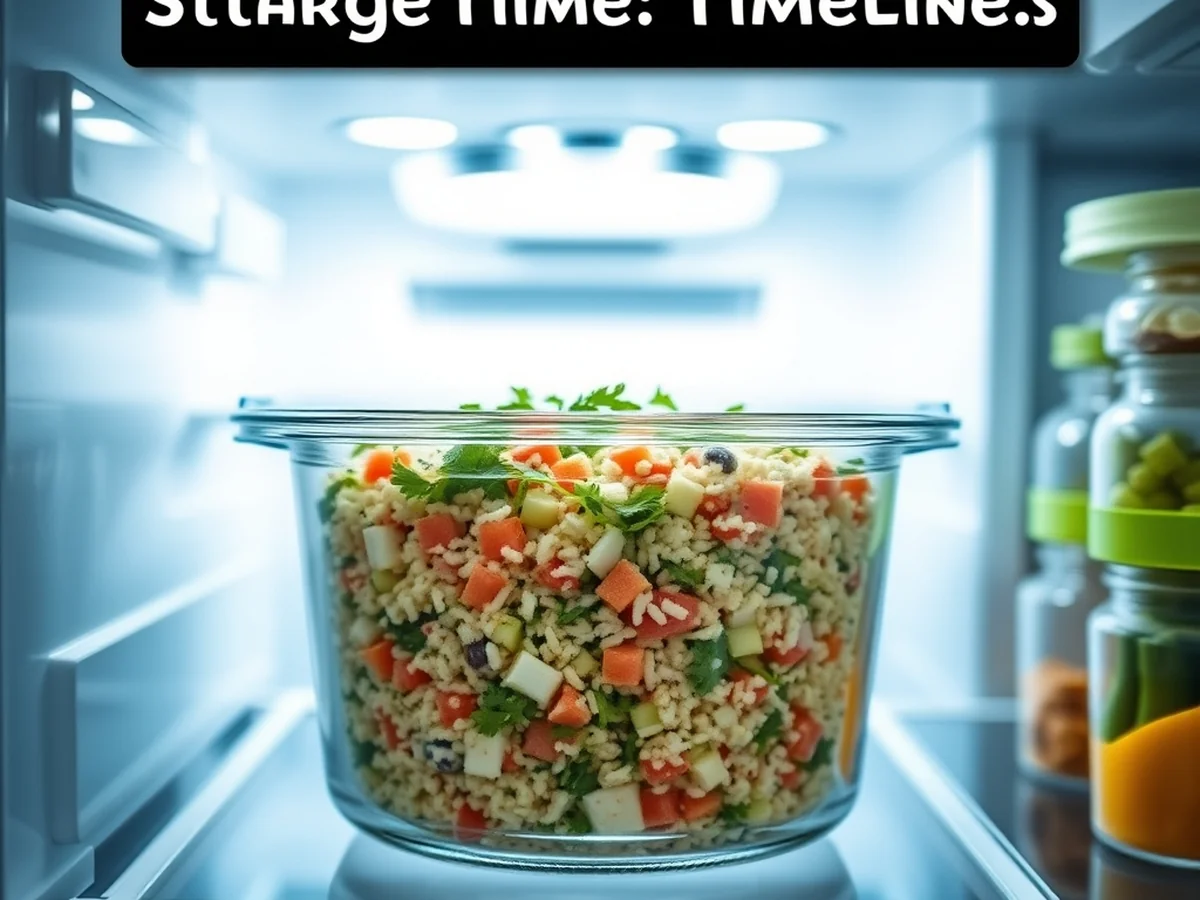
Mastering storage timelines helps you enjoy your fresh tabbouleh throughout the work week without losing that vibrant, fresh flavor. Tabbouleh is a vegetarian Middle Eastern salad made mostly of fresh chopped parsley, bulgur wheat, and tomatoes. Because it relies heavily on delicate green herbs and grains, proper handling makes all the difference for elevated weekday lunches and zero daily stress.
Understanding Dressed Versus Undressed Storage
Storing this dish successfully depends entirely on when you add the lemon and oil mixture and the tomatoes. An undressed mixture of bulgur wheat, flat-leaf parsley, mint, and extra virgin olive oil stays fresh in the refrigerator for up to three or four days. However, a fully dressed version is best consumed within twenty four hours. The acid from the lemon juice and the salt cause fresh tomatoes to release moisture, which softens the flat-leaf parsley too quickly.
Practical Steps for Cold Grab and Go Meals
To keep your cold grab and go meals crisp and appetizing, follow these practical steps:
- Keep components separate by packing the bulgur wheat, parsley, and mint in an airtight glass container.
- Store your lemon juice and olive oil mixture in a separate small jar or squeeze bottle until you are ready to eat.
- Add freshly diced tomatoes and the dressing on the morning of your meal to maintain the ideal texture.
Avoiding Common Prep Mistakes
A common mistake during meal prep is mixing the tomatoes and dressing into the entire batch ahead of time, which leads to a soggy and unappealing texture by Tuesday. Another frequent error is bruising the delicate leaves during preparation. As common guidance suggests, using a sharp knife to chop parsley by hand is recommended over a food processor to prevent bruising the herbs. By keeping the ingredients partitioned in your prep bowls, you ensure every bite tastes just as bright and refreshing as the moment you first put it together.
Frequently Asked Questions About Tabbouleh
What ingredients are in tabouli salad?
Tabbouleh is a vegetarian Middle Eastern dish made mostly of fresh chopped parsley, bulgur wheat, and tomatoes. Additional components typically include fresh mint, scallions, extra virgin olive oil, and fresh lemon juice. Preparing this fresh dish at home relies on keeping these core components balanced so the herbs remain the star of the plate.
What is the difference between tabouli and tabbouleh?
Tabouli and tabbouleh are simply different English spellings for the exact same traditional Arabic dish. Because the name comes from a phonetic transliteration of Arabic characters, you will see multiple spellings in cookbooks and online recipes. Both terms refer to the same vibrant herb salad regardless of which spelling is used.
What are the ingredients in authentic tabbouleh?
An authentic tabbouleh recipe highlights massive amounts of finely chopped flat-leaf parsley complemented by smaller quantities of bulgur wheat, tomatoes, and mint. Common guidance indicates that traditional Lebanese tabbouleh is primarily an herb salad with grains rather than a grain salad. Cooks looking for a tabbouleh recipe Lebanese style should avoid overloading the bowl with excessive bulgur or heavy fillers.
Can you make tabouli with quinoa instead of bulgur?
You can substitute quinoa for bulgur wheat if you need a gluten-free option for your fresh herb preparation. While purists prefer cracked wheat, cooked quinoa provides a similar texture and absorbs the lemon dressing nicely. Just make sure the quinoa is completely cooled and drained before mixing it into the chopped herbs.
How long do you soak fine versus coarse bulgur?
Fine bulgur wheat only requires a brief soak in warm water or lemon juice for about ten to fifteen minutes until tender. Coarse bulgur takes longer to soften and usually needs a thirty-minute soak or even a quick steam depending on the grain size. Always check your package instructions to avoid crunchy grains or a soggy bowl.
What are common mistakes when making tabbouleh?
A frequent error is processing the parsley in a machine, which bruises the leaves and turns the salad watery. Using a sharp knife to chop parsley by hand is recommended over a food processor to prevent bruising the herbs. Another common mistake is adding too much dressing at once instead of letting the ingredients absorb the olive oil and lemon gradually.
Conclusion and Serving Suggestions
Preparing this vegetarian Middle Eastern dish of fresh parsley, bulgur wheat, and tomatoes takes minimal effort and delivers unmatched fresh flavor for weekday lunches. Common practice often highlights that traditional versions from the region function primarily as an herb salad with grains rather than a grain salad. Enjoy your finished bowl alongside cold grab and go meals like roasted chicken wraps or chilled grain bowls. The bright herbs and citrus dressing cut right through rich proteins for a balanced midday plate.
Sources: discover.hastings.edu
You might also like: How to Use Salt Like a Pro: Essential Cooking Guide