Smash Burger Sauce Recipe: Best Secret Burger Condiment
Introduction
A balanced smash burger sauce relies on a creamy mayonnaise base combined with tangy acids and savory seasonings to cut through the richness of the beef. This condiment is the essential finishing touch for achieving that classic, restaurant-quality flavor profile at home.
This article covers the core components of a traditional sauce, including how to achieve the perfect flavor balance between acidity and creaminess. You will learn the exact ratios for blending classic burger sauce ingredients, how to adapt the profile with variations like Dijonaise, and the best storage methods to keep your condiment fresh. We also address common questions regarding the distinction between a dedicated smash burger sauce and standard fry sauce, ensuring you have the knowledge to elevate your next weekday lunch without extra stress.
The Role of the Perfect Burger Condiment
A well-balanced topping acts as the essential bridge between a deeply browned, crispy patty and the soft, toasted bun. Because the high-heat cooking process creates intense, savory notes through the Maillard reaction, a contrasting condiment is required to cut through the richness of the meat. When you use a cast iron skillet to maximize surface area and create that signature crust, the condiment acts as a cooling, zesty counterpoint. It provides the necessary moisture and acidity to ensure every bite remains cohesive and flavorful.
The Architecture of Flavor
The ideal profile for this topping relies on three core pillars: tanginess, creaminess, and a savory backbone. By combining these elements, you create a complex flavor experience that prevents the meal from feeling one-dimensional. A standard easy burger sauce recipe typically utilizes mayonnaise to provide a rich, creamy base that binds the other ingredients together. Dijon mustard or vinegar introduces a sharp, acidic tang that balances the fat inherent in the 80/20 lean-to-fat ratio often recommended for ground beef. Paprika adds a subtle, earthy depth, while relish or finely minced pickles offer a refreshing crunch and bright acidity.
Distinguishing Regional Variations
Many home cooks wonder about the nuances of smash burger sauce vs fry sauce. While they share a similar composition, this condiment often incorporates more savory components, such as garlic or Worcestershire sauce, whereas fry sauce leans heavily into a sweet and tangy ketchup base. Understanding how to make special burger sauce often comes down to balancing these ratios to suit your personal palate. If you prefer a simpler, sharper profile, a basic Dijonaise acts as an excellent alternative to more complex Thousand Island style mixtures.
Common Preparation Mistakes
One frequent error is failing to manage the temperature of the condiment ingredients. For the best consistency, ensure your base ingredients are at room temperature before mixing. Additionally, avoid overcrowding the pan when searing your patties, as this lowers the surface temperature and prevents the development of the flavorful crust that your smash burger sauce is intended to complement. While some suggest chilling ground beef before cooking to help the patties hold their shape, focusing on the quality of your sear and the balance of your ingredients remains the most effective way to elevate a weekday lunch into a restaurant-quality experience.
Essential Sauce Components
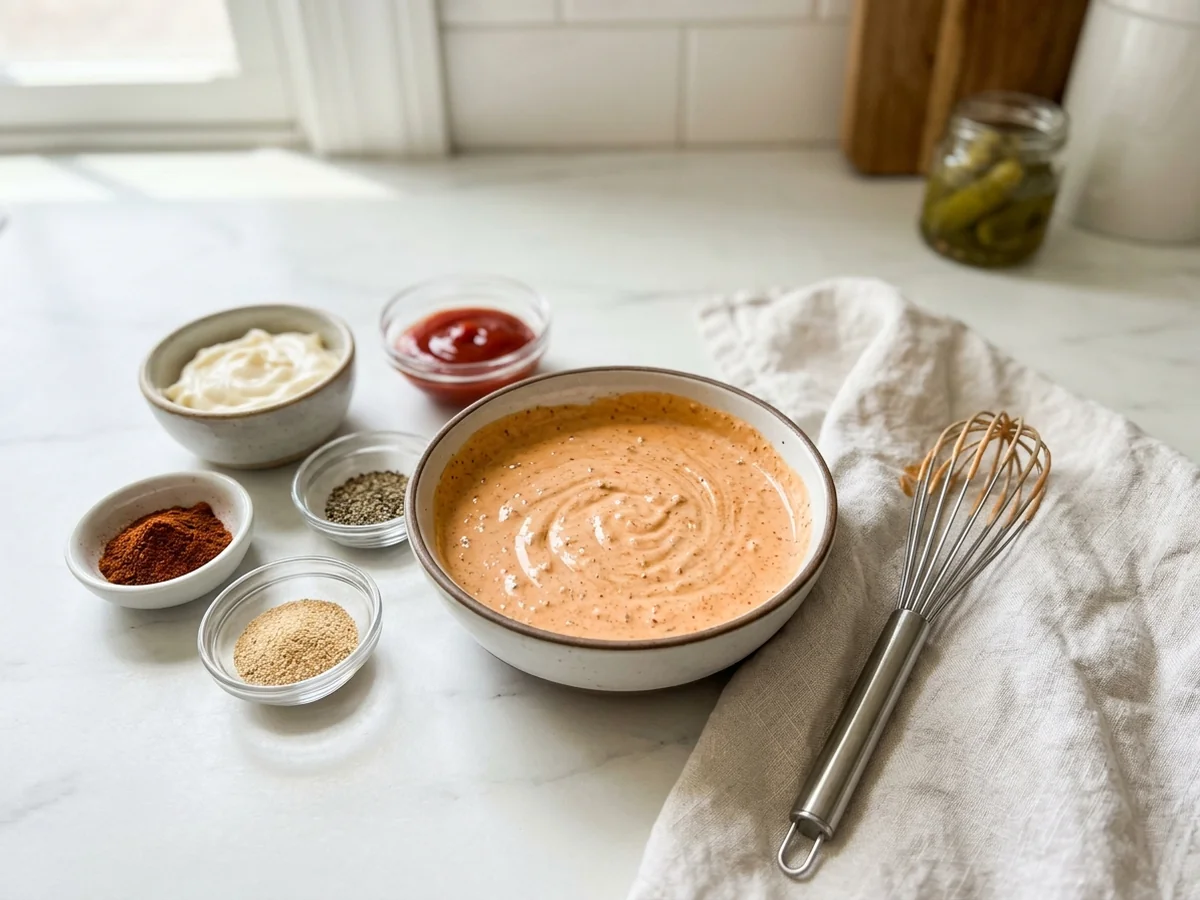
A balanced condiment relies on three fundamental pillars: a creamy base, a sharp acidic element, and aromatic flavor boosters. These classic burger sauce ingredients work in harmony to elevate the rich, crispy crust formed on your patty during the searing process.
- Mayonnaise serves as the essential foundation, providing a rich, fatty mouthfeel that coats the palate and carries other flavor profiles.
- Acidic components like mustard or vinegar are necessary to cut through the heavy fat content of the beef, ensuring the final bite feels light rather than greasy.
- Finely chopped relish adds a necessary textural contrast, offering a crisp, sweet, or briny crunch that breaks up the smoothness of the sauce.
- Paprika introduces a subtle smoky depth and vibrant color, which enhances the visual appeal of the condiment.
- Garlic, whether fresh or powdered, provides a savory complexity that rounds out the overall taste and bridges the gap between the meat and the bun.
- Properly mixing these elements creates a balanced smash burger sauce that complements the Maillard reaction achieved when cooking on a hot cast iron surface.
The role of the base cannot be overstated. Because high-fat beef is common practice for a perfect patty, the mayonnaise acts as an emulsifier that helps bind the disparate flavors together. Without this creamy anchor, the acidity would be too sharp and the aromatics would feel disjointed. By maintaining this ratio, you ensure that the condiment clings to the burger instead of sliding off onto the plate.
Acidity also plays a functional role beyond simple seasoning. When you use mustard, the tanginess stimulates your taste buds, which keeps the palate refreshed throughout the meal. This is particularly important when serving burgers with a high fat-to-lean ratio, as the acidity prevents the palate fatigue that often accompanies rich, salty foods. Balancing these components transforms basic pantry staples into a professional-grade topping that defines the character of your meal.
Sauce Variations Explained
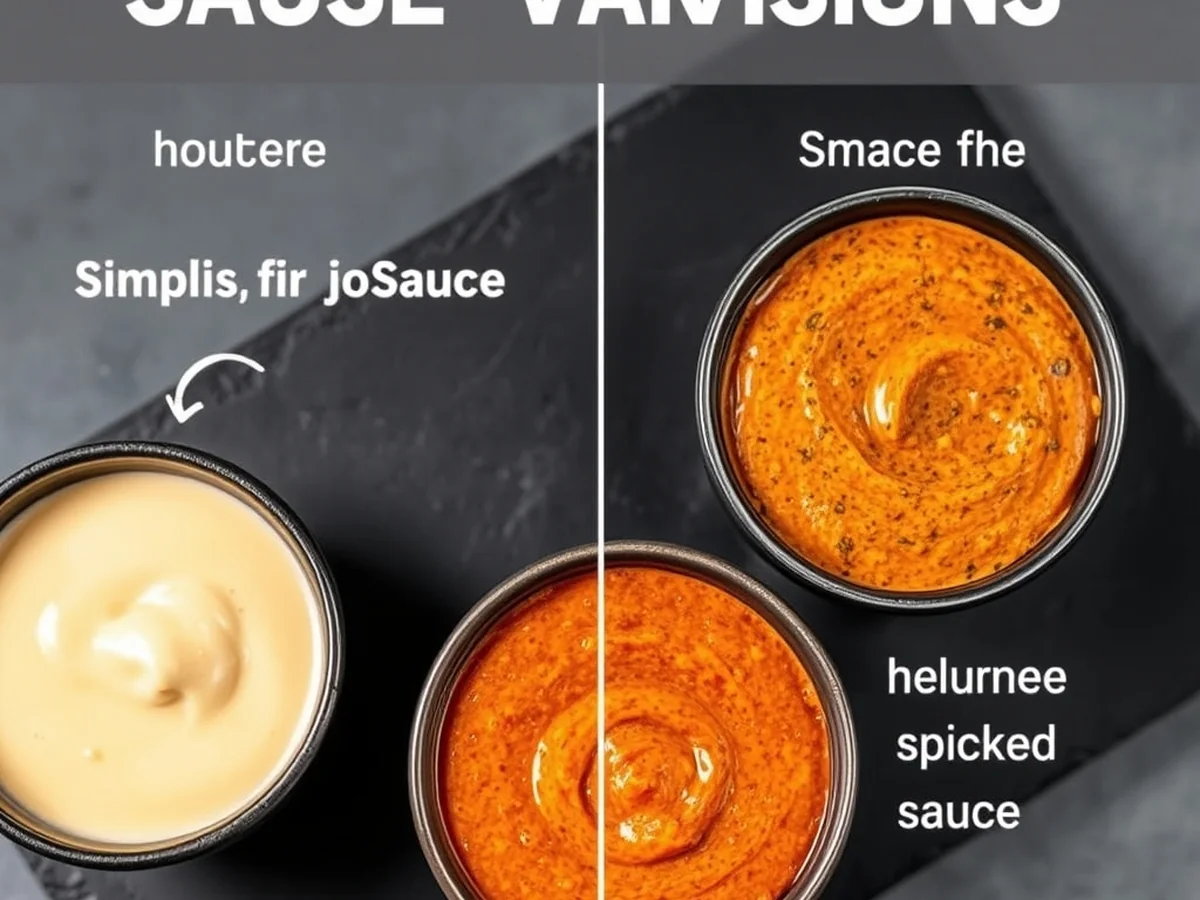
The distinction between condiments often comes down to ingredient complexity and intended flavor impact. While fry sauce is a simple, two-ingredient blend typically consisting of mayonnaise and ketchup, a dedicated topping for a crispy patty relies on a more intricate balance of aromatics, acids, and textures. When evaluating smash burger sauce vs fry sauce, the former is designed specifically to cut through the high fat content of the beef, which is often prepared using an 80 percent lean to 20 percent fat ratio. Fry sauce, in contrast, serves primarily as a neutral, creamy dip for potatoes.
Balancing Flavor Profiles
The complexity of a quality burger topping ensures the flavor stands up to the intense crust developed on a cast iron skillet. Because smashing the patty increases the surface area of the meat for crust development, the sauce must provide enough acidity to balance the richness resulting from that Maillard reaction. You can adjust the profile of your condiment by choosing between a Thousand Island or Dijonaise base:
- Thousand Island style leans into a sweet and tangy profile, relying on the combination of mayonnaise, ketchup, and finely diced pickles or relish to provide a familiar, nostalgic tang.
- Dijonaise variations prioritize sharpness and depth by replacing some of the sweetness with the pungent, earthy heat of Dijon mustard, resulting in a more sophisticated and savory finish.
The Science of Additions
Specific additions dramatically alter the final profile of your mixture. Adding smoked paprika introduces a subtle, wood-fired depth that complements the char created on your beef. Conversely, incorporating sweet relish provides a necessary textural contrast and a burst of sugar that balances the saltiness of the meat and the acidity of the mustard. One common mistake home cooks make is overcrowding the pan, which reduces the cooking surface temperature and hinders the very crust that this sauce is meant to highlight. By managing your heat, you ensure that the burger provides the perfect canvas for your chosen ingredients.
Storage and Practical Tips
When you learn how to make special burger sauce, keep in mind that homemade versions lack the preservatives found in commercial products. Always store your mixture in an airtight container in the refrigerator and consume it within three to four days. If you find your base is too thick, a small splash of pickle brine or lemon juice can loosen the texture without diluting the flavor intensity. By understanding these functional variations, you move beyond basic mixing and start building a condiment tailored to the rich profile of a perfectly smashed patty.
Best Smash Burger Pairings
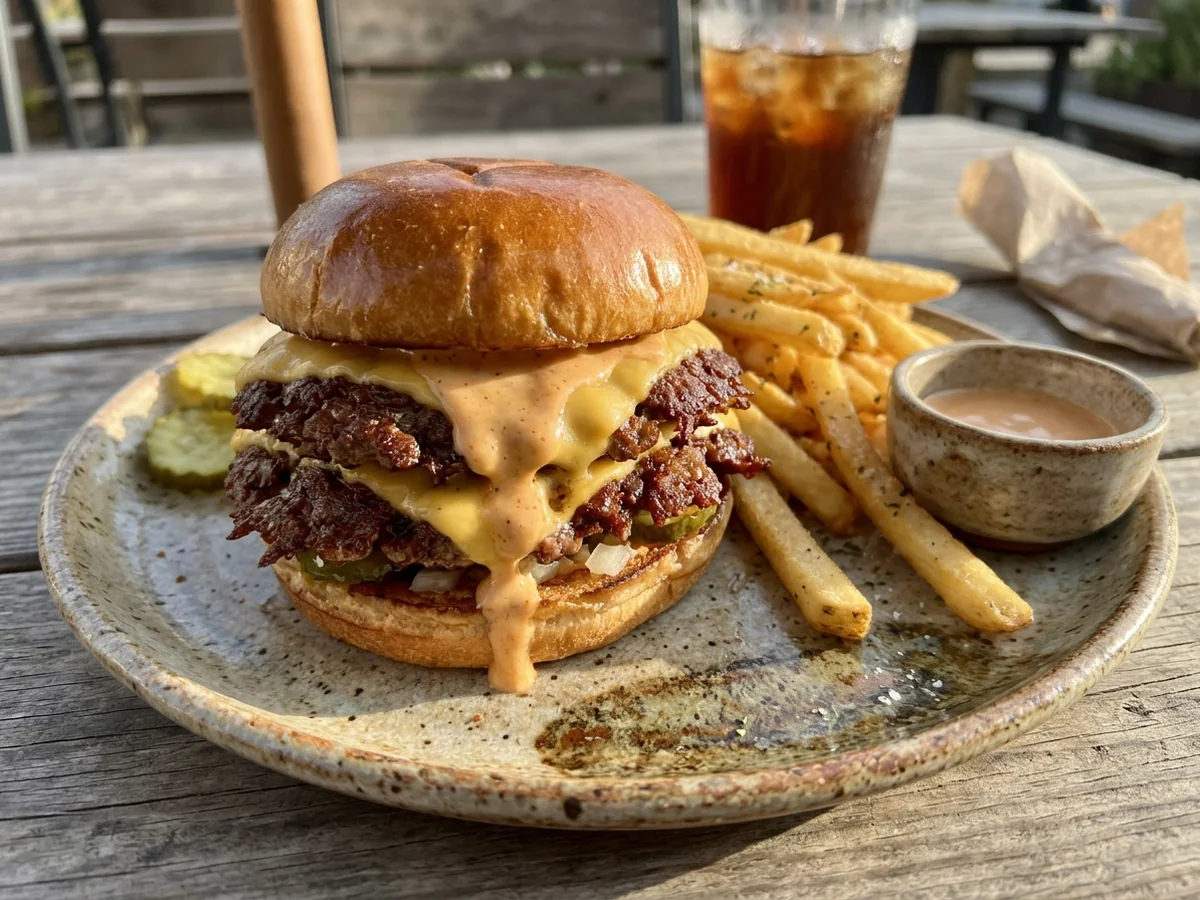
The ideal foundation for a satisfying burger experience relies on high-quality beef and a precise cooking process that maximizes texture and flavor. By focusing on specific fat ratios and heat management, you create the perfect canvas for your favorite creamy condiment.
Common culinary guidance suggests using ground beef with an 80 percent lean to 20 percent fat ratio. This balance is critical because the rendered fat provides the necessary moisture and richness that lean cuts lack. When this fat hits a hot surface, it bastes the meat, ensuring the patty remains juicy while the exterior develops a deep, savory flavor profile.
To achieve that signature crispy edge, you must force the meat into contact with a hot cooking surface. The physical act of smashing the ball of beef into a thin patty significantly increases the surface area. This technique is essential for successful crust development, as it allows more of the protein and sugars in the beef to interact with the heat.
This interaction is known as the Maillard reaction, a chemical process that creates complex, browned flavors. A cast iron skillet is the preferred tool for this task because it excels at retaining heat. When you press the meat onto the heavy, preheated iron, the surface temperature remains high enough to trigger this browning rapidly. This prevents the patty from steaming in its own juices, which would otherwise result in a grey, unappealing texture.
Temperature control remains a vital component of the process. You should avoid overcrowding the pan, as adding too many patties at once can cause the surface temperature of the iron to plummet. When the heat drops, the meat releases moisture instead of searing, which effectively ruins the crust you are working to build. By working in small batches, you ensure the skillet maintains its thermal mass, guaranteeing a consistent, golden-brown finish on every single burger.
How to Make Special Sauce
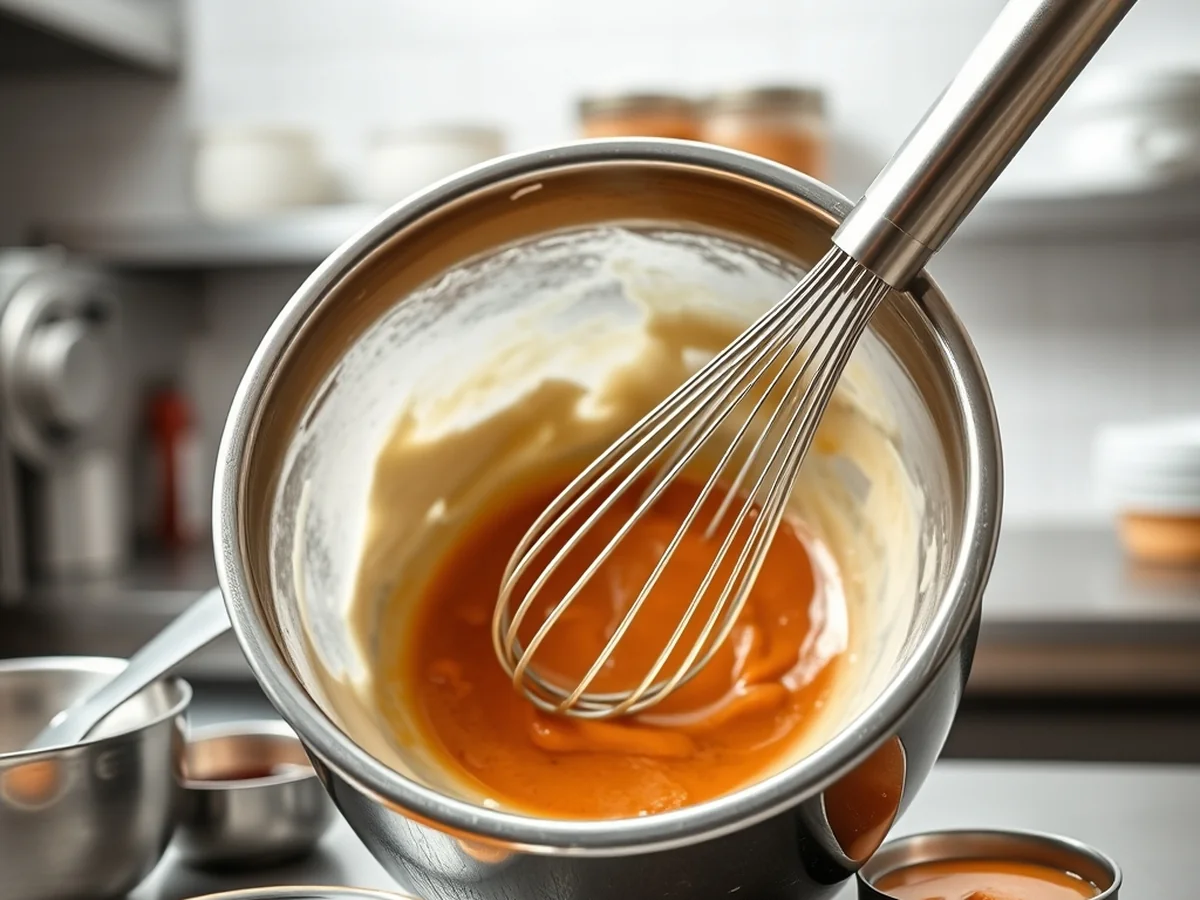
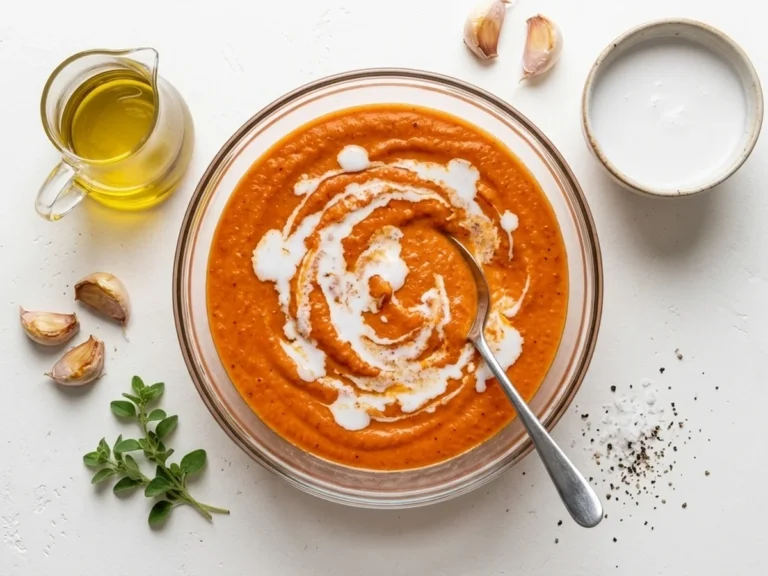
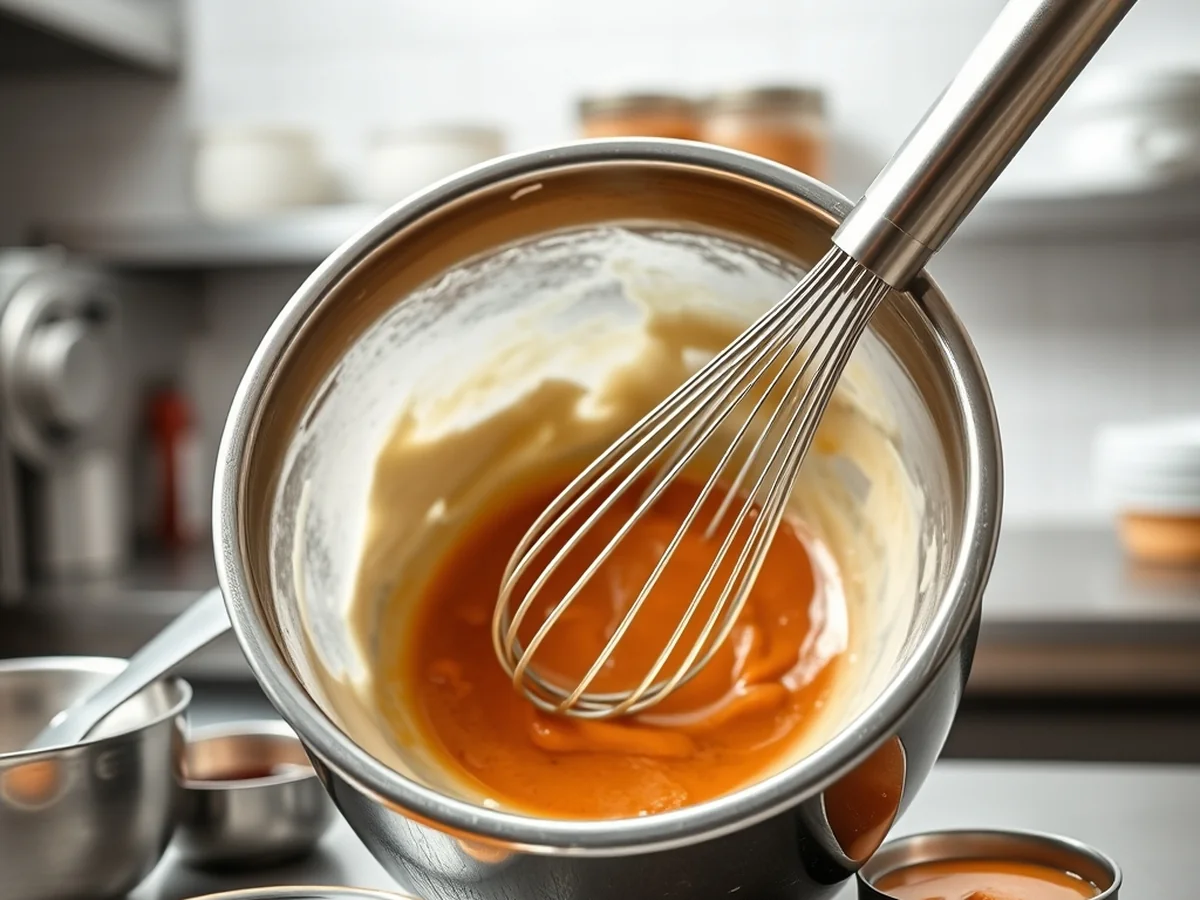
You can create a professional smash burger sauce by combining your base ingredients in a small bowl and whisking them until the texture is perfectly smooth. This simple process integrates the fats and acids, ensuring every bite of your burger carries a balanced, creamy profile.
- Measure your mayonnaise and mustard into a clean mixing bowl to serve as the structural base of the condiment.
- Add your finely chopped pickles or relish along with any dry spices like paprika or garlic powder to the bowl.
- Use a small whisk or a fork to stir the ingredients vigorously until the color is uniform throughout the mixture.
- Taste the sauce and adjust the balance by adding a small splash of pickle juice or an extra pinch of seasoning if needed.
- Transfer the finished sauce into a sealed glass jar or an airtight container to prepare it for the refrigerator.
Letting your mixture rest in the refrigerator for at least thirty minutes is a vital step in how to make special burger sauce. During this cooling period, the flavors meld together, allowing the dry spices to hydrate and the acidic components to soften the intensity of the raw aromatics. This resting time transforms a collection of separate ingredients into a cohesive, rounded condiment that elevates the final sandwich.
Always store your homemade sauce in an airtight container to keep it fresh and prevent it from absorbing other odors in your refrigerator. Because this easy burger sauce recipe typically relies on mayonnaise, you should keep it strictly chilled at all times. For the best quality and safety, plan to consume your batch within one week of preparation. If the sauce develops an off smell, looks separated, or changes color significantly, discard it immediately.
Common Preparation Mistakes
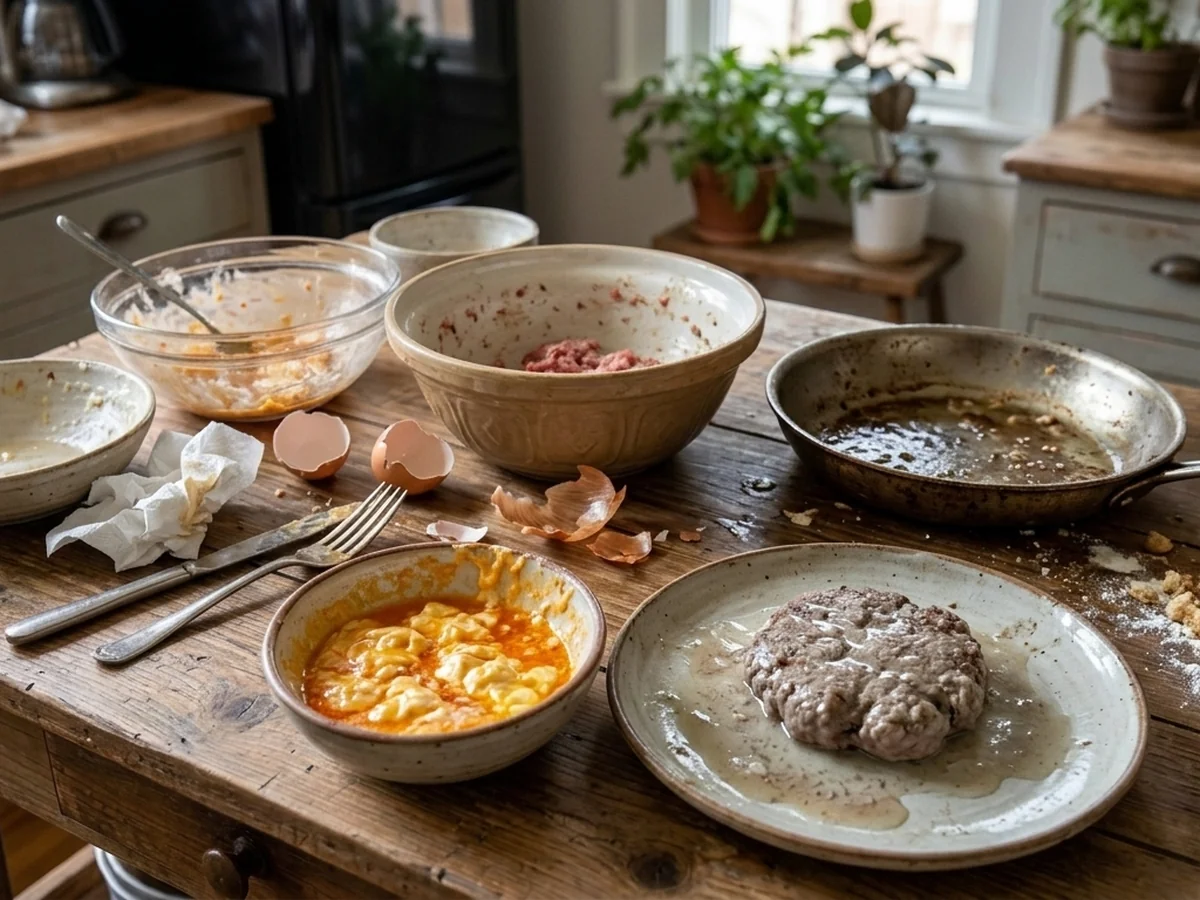
Achieving a restaurant-quality result depends on avoiding errors that compromise both the patty texture and the flavor of your homemade condiment. Subtle missteps during the cooking process can prevent a perfect crust, while improper handling of your topping can lead to a broken or unappealing final product.
Mastering the Searing Surface
The primary issues often stem from environmental factors in the pan. A cast iron skillet is the preferred cooking surface because it retains heat effectively, which is essential for the Maillard reaction. This chemical process is responsible for the deep, complex flavors and brown crust on your ground beef. A common mistake is overcrowding the pan. When you place too many patties in the skillet at once, the surface temperature drops significantly. Instead of searing, the meat begins to steam in its own juices, resulting in a gray, soggy patty that lacks the signature crunch. Work in smaller batches to maintain consistent heat.
Stabilizing Your Condiment
When preparing a smash burger sauce, the technique is as important as the classic burger sauce ingredients you choose. Many home cooks struggle with the texture of their sauce because they treat it as a simple mix rather than a delicate emulsion. If you are using mayonnaise as a base, avoid vigorous over-mixing, as this can cause the emulsion to break, leading to a thin or separated consistency.
Furthermore, temperature control is vital. Using ingredients that differ wildly in temperature can prevent the sauce from stabilizing properly. If you are making a variation like a Dijonaise, ensure your Dijon mustard and mayonnaise are at similar room temperatures before combining them. If the mixture looks runny, it is often a sign that the components were too cold or combined too quickly.
Flavor Development and Timing
Many enthusiasts treat the sauce as an afterthought, but it requires patience to achieve a cohesive flavor profile. Serving a condiment directly from the refrigerator often masks the subtle nuances of paprika or fresh relish, as cold temperatures dull flavor perception. Conversely, failing to allow your finished sauce to rest for at least thirty minutes prevents the seasonings from fully integrating. While it is tempting to use the sauce immediately, allowing it time to sit ensures that the acid and fats harmonize, creating a balanced topping that elevates your burger to professional standards.
Storage and Shelf Life
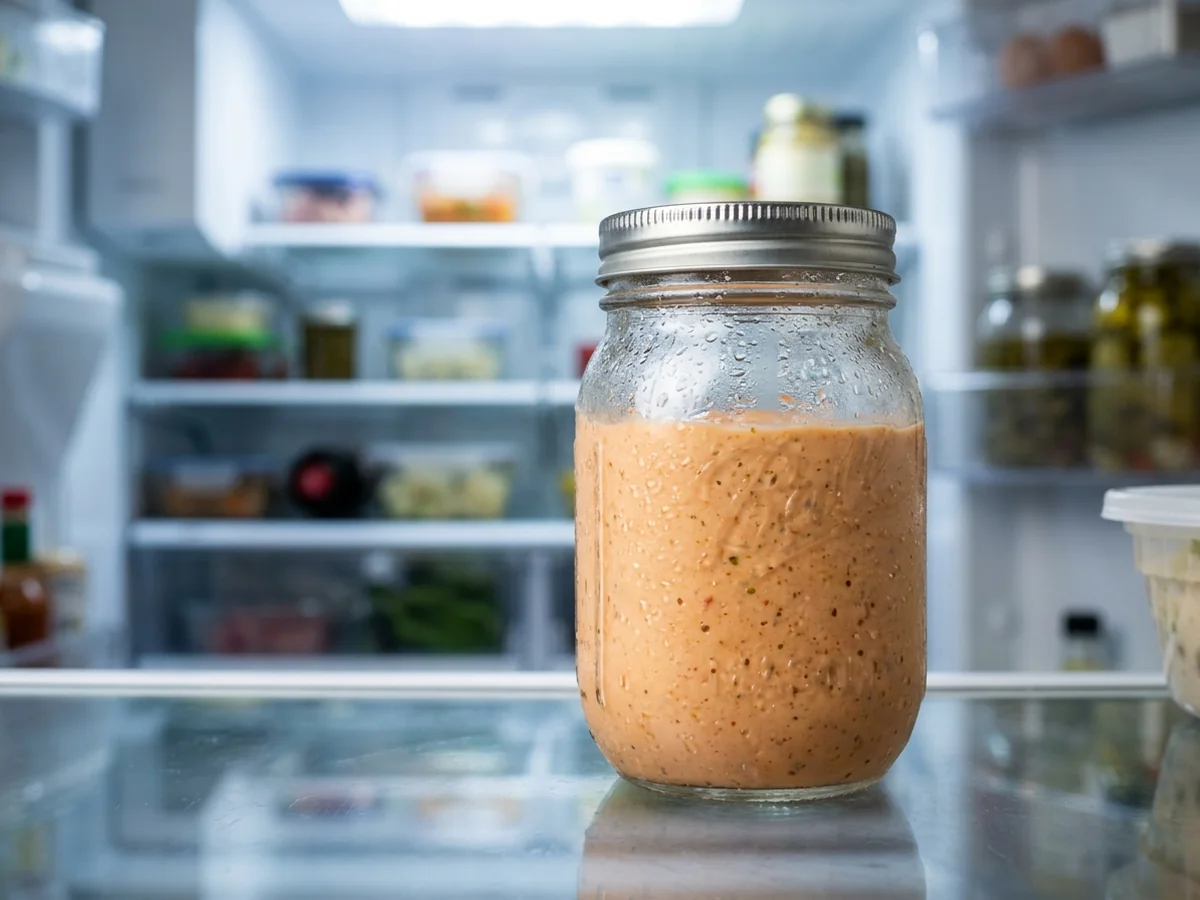
Homemade condiments should be stored in the coldest part of your refrigerator, ideally at or below 40 degrees Fahrenheit, to ensure safety and quality. Because this smash burger sauce contains perishable ingredients like mayonnaise, it is susceptible to bacterial growth if left at room temperature for extended periods.
You can identify spoilage by monitoring the texture, smell, and appearance of your sauce. If the mixture develops a sour or off-putting odor, shows any visible signs of mold, or takes on a separated, watery consistency that does not resolve after stirring, discard it immediately. Never taste a condiment if you suspect it has been compromised, as pathogenic bacteria do not always change the flavor of the food.
Maintaining flavor integrity relies on keeping your storage container tightly sealed to prevent the sauce from absorbing other odors in your refrigerator. Air exposure can cause the ingredients to oxidize, leading to a duller taste and potential contamination. Use these simple practices to extend the life of your condiment:
- Transfer your finished sauce into a clean, glass jar or a food-safe plastic container with a tight-fitting lid.
- Press a small piece of plastic wrap directly onto the surface of the sauce before sealing the lid to minimize air contact.
- Always use a clean spoon each time you scoop from the container to avoid introducing outside bacteria into the batch.
- Keep the jar in the main body of the refrigerator rather than the door, where temperatures fluctuate every time you open the appliance.
Following these guidelines helps preserve the balance of your flavors for as long as possible. If you find yourself unable to finish a batch within a few days, consider scaling your ingredients down to create smaller portions that you can use up quickly. This approach ensures every serving maintains the fresh, tangy profile you expect from a high-quality burger topping.
Serving Suggestions
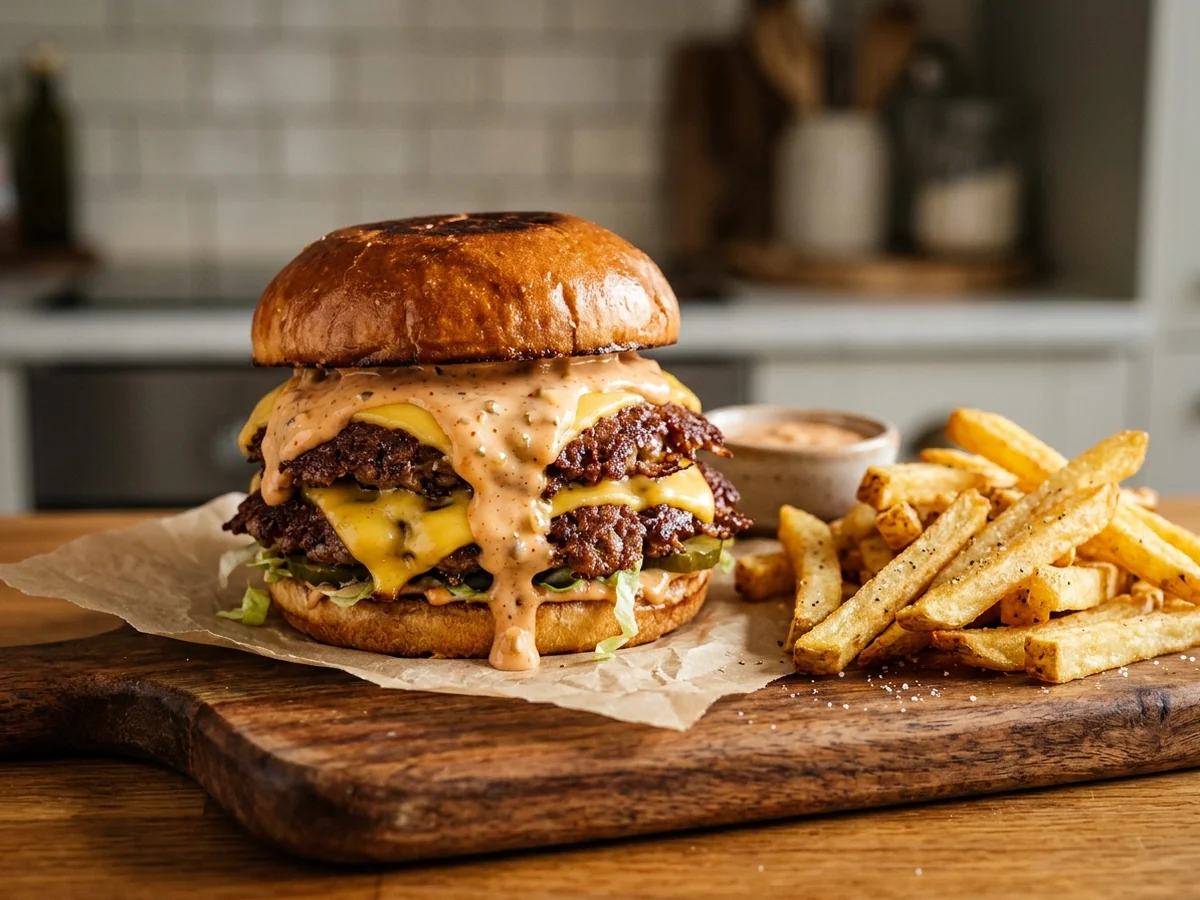
The secret to an elevated lunch lies in how you construct your meal. Using a high-quality smash burger sauce adds a layer of richness that complements the intense crust achieved on a cast iron skillet. Because smash burgers rely on the Maillard reaction, which is the chemical process that creates savory flavors when meat hits high heat, the acidity in a well-balanced sauce acts as a necessary counterpoint to the rendered fat of the beef.
Building the Perfect Foundation
To keep your meal from becoming soggy, toast your buns until they are golden brown. This creates a functional barrier that prevents the juices from the patty and the condiment from soaking into the bread. When preparing your ground beef, aim for an 80 percent lean to 20 percent fat ratio. This balance provides enough moisture for a juicy bite without overwhelming the bun. Avoid overcrowding the pan while cooking, as this lowers the surface temperature and prevents the development of that signature crispy edge.
Beyond the Burger
While this condiment is a staple for handhelds, its versatility extends to other kitchen tasks. Its flavor profile, often featuring mayonnaise, Dijon mustard, paprika, and relish, makes it a refined alternative to standard fry sauce. You can use it as a dip for roasted potato wedges or as a spread for grilled vegetable wraps. If you want to brighten the flavor for a salad dressing, whisk in a small amount of fresh lemon juice until you reach your desired consistency.
Dietary Considerations
Adapting your meal to meet dietary needs does not require sacrificing flavor. If you are avoiding gluten, swap traditional wheat buns for high-quality gluten-free options or use large, sturdy lettuce leaves as a wrap. When sourcing the components used to make this style of condiment, always verify labels on commercial products like mayonnaise or pre-made relish, as some contain hidden gluten derivatives. These small adjustments ensure that your lunch remains both safe and satisfying.
- Spread generously on a toasted gluten-free bun or use a crisp lettuce leaf as a base.
- Serve as a cooling dip alongside spicy, salt-crusted potato wedges.
- Thin the mixture with a small amount of lemon juice to create a vibrant dressing for hearty salads or grilled vegetables.
- Store any leftover sauce in an airtight glass container in the refrigerator for up to five days to maintain quality.
FAQ
What is the sauce they put on smash burgers?
The iconic condiment is typically a creamy, tangy mixture built on a base of mayonnaise. Chefs often balance this richness with acidic ingredients like pickles or vinegar and savory elements such as Dijon mustard or spices to complement the Maillard reaction achieved on the patty.
What is smasher sauce made of?
Most versions of this topping include mayonnaise, ketchup, and finely minced pickles or relish. Some variations incorporate paprika for color, a hint of garlic powder, or even a dash of Worcestershire sauce to deepen the savory profile.
How does smash burger sauce vs fry sauce differ?
While both rely on a mayonnaise base, fry sauce is generally a simpler blend of mayonnaise and ketchup. This topping tends to be more complex, often featuring added aromatics, herbs, or mustard that make it better suited for cutting through the high fat content of a burger.
Can I buy smash burger sauce?
Yes, many commercial options are available in the condiment aisle of most grocery stores. However, preparing your own version at home allows you to adjust the sweetness and acidity to match your personal preference perfectly.
How long does homemade sauce last?
You should store your homemade mixture in an airtight container in the refrigerator for up to one week. Because it contains perishable ingredients like mayonnaise, it is important to keep it chilled and discard it if it has been left out at room temperature for more than two hours.
Conclusion
The final step to perfecting your meal is balancing the high heat required for the Maillard reaction with the cool, creamy contrast of your homemade condiment. Once you have prepared your custom spread, store it in an airtight container in the refrigerator for at least one hour to allow the flavors to meld. This resting period is crucial for achieving the depth of flavor expected in restaurant-style burgers. Now that you have mastered the technique, grab your cast iron skillet and focus on maintaining a consistent surface temperature to ensure that signature crispy crust on every patty.
You might also like: How to Make Grilled Halloumi Cheese at Home